
Blog
15 profitable hobbies that make money in 2026
15 profitable hobbies that make money: 1. Photography 2. Writing (blogs, ghostwriting, copywriting) 3. Crafting handmade products 4. Podcasting
You don’t have to get by on just a 9-to-5. You could make money doing what you love.
Yes, your hobbies can become side hustles and even be profitable. Recent statistics show that side hustlers in the U.S. earn an average of $891 per month.

This is proof that some people have considered monetizing their hobbies, and it’s working out for them. You could have the same success story.
In fact, if you choose the right hustle, you could turn it into a full-time income source!
That’s what I’m going to explore with you in this article.
I’ve done my research on 15 profitable hobbies that make money (with pros and cons, of course), so you can find which one suits you best.
Let’s get into it!
15 profitable hobbies that make money in 2026
1. Photography
Personal rating: ⭐ ⭐ ⭐ ⭐ (4/5) | Easy/Difficult to start: Moderate | Starting cost: $300–$2,000 | Tools needed: Camera or smartphone, Lightroom, Canva, Shutterstock | Estimated monthly revenue: $200–$5,000+
First on my list of profitable hobbies is photography.
The average person today, I believe, has at least taken one picture before. I wouldn’t know a single smartphone owner who does not have one picture on their phone. After all, we take pictures at weddings, of our food, ourselves, and that one beautiful sunset.
Now, what if those random photos could also make you money?
Brandon Woelfel, a photographer from New York, has built a following of over 2 million on Instagram just with his beautiful, colorful photos.
With this popularity, he gets brand deals and does a lot of freelance work.
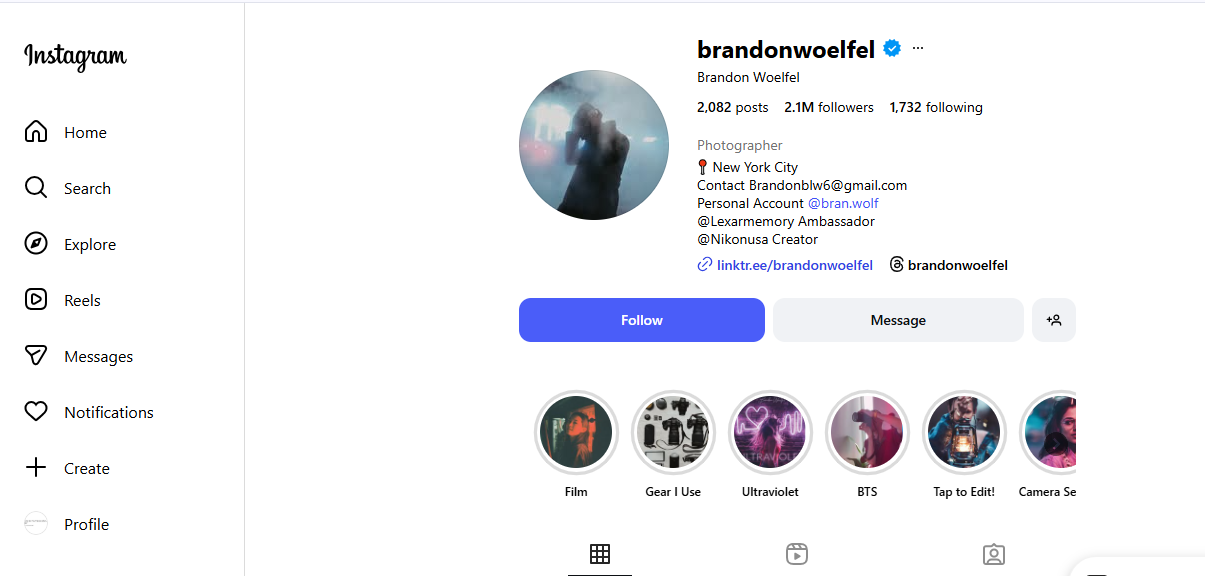
Taking photos is definitely a hobby you can monetize. So let’s move on to the next and very important question.
How do you start?
I’ll jump right into it. Start with your phone camera and a good eye.
You’ll also need to learn lighting and editing skills. But don’t worry, you can use YouTube to learn all these things.
Another thing you need to do is pick a niche.
You can’t expect anyone to take you seriously if your portfolio looks like someone’s phone gallery (an assortment of random photos).
I asked Google to give me the top 10 photography niches that make money.
This is what it gave me:
- Wedding photography
- Real estate photography
- Fashion photography
- Event photography
- Product photography
- Teaching photography
- Portrait photography
- Nature photography
- Business photography
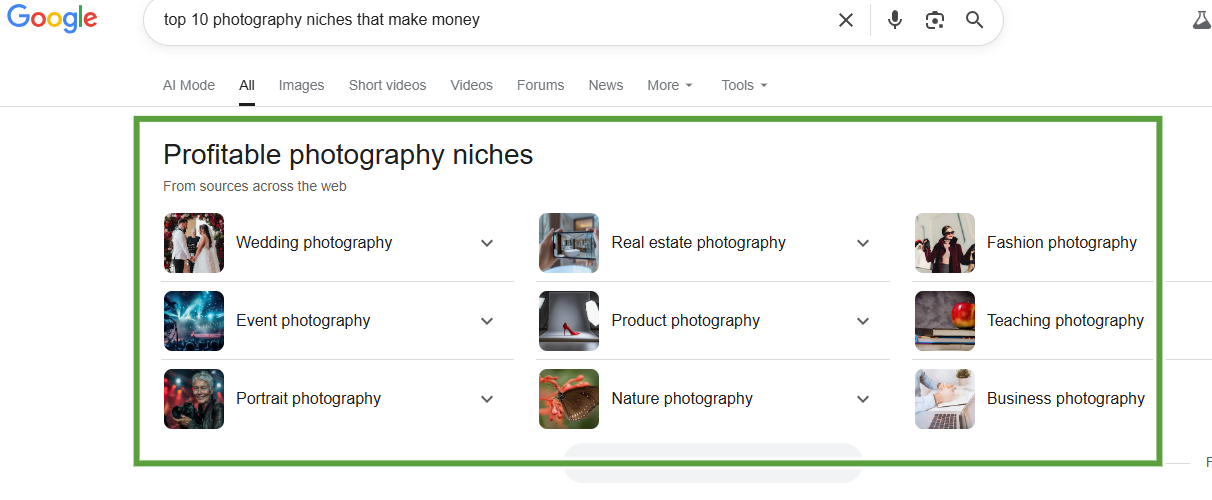
You can use this as a guide to build your portfolio.
Once you’ve done that, select some of your best pieces and start posting them on Instagram. Many photographers get their first few customers this way.
Another way to make money with photography is to upload your images to stock photography marketplaces like Shutterstock, Adobe Stock, iStock, and Getty Images.
While stock photography platforms may not necessarily pay high rates per photo, a good alternative idea would be to set up a professional online store on Easytools.
There you’ll have full control over your brand and pricing.
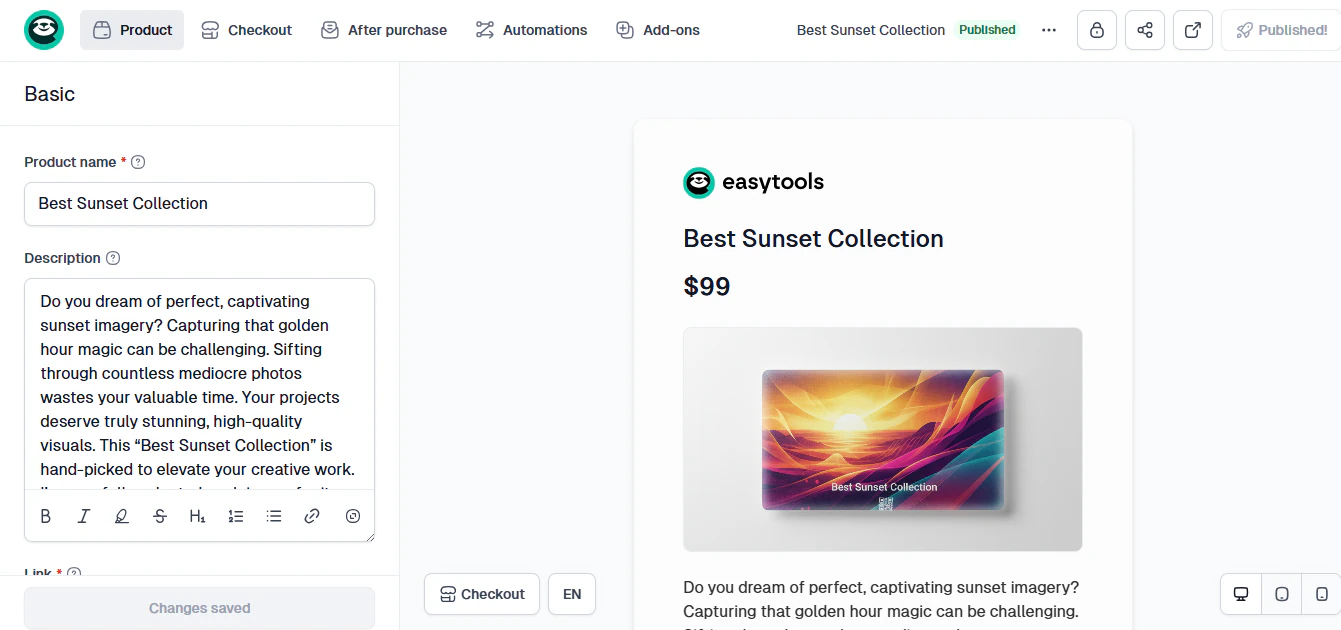
It’s easy to set up. I started and finished creating the entire store you see here in less than 3 minutes.
How much can you make per month?
You can make around $50 to $300 per month in your first year of selling stock photos. And that number can grow over time.
For instance, travel photographer Peter Orsel earned about $1,900 in his first year by uploading 4,500 images.
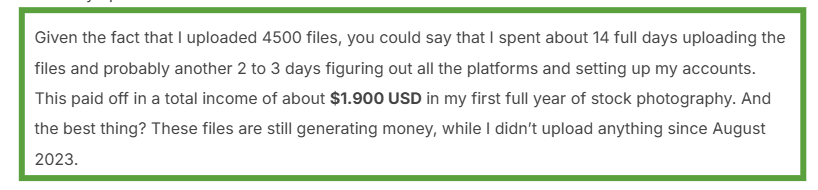
That’s almost 400 photos a month! It sounds like a lot, but it’s quite doable.
If you set a goal of 100 pictures a week, that’ll be about 15 to 20 a day.
By uploading that many photos, you can earn passive income each month even when you don’t upload any images.
If you remain consistent and keep improving the quality of images in your store, you can start making $500 to $1,000+ monthly.
If a couple of your pictures go viral, you could make a decent amount of money. But the more images you upload, the higher your chances of earning.
What I loved vs what I didn’t like
2. Writing (blogs, ghostwriting, copywriting)
Personal rating: ⭐ ⭐ ⭐ ⭐ ⭐ (5/5) | Easy/Difficult to start: Easy | Starting cost: $0–$300 | Tools needed: Laptop, Google Docs, Grammarly, Notion, Medium | Estimated monthly revenue: $300–$15,000+
At number two on my list of profitable hobbies, we have writing.
Writing comes in many forms. You can start a blog, ghostwrite for others, create marketing copy for brands, or write stories. And you don’t need fancy equipment.
You can start writing as long as you have your laptop or a notebook and a clear idea of what you want to say.
Joanna Wiebe, for example, founder of Copyhackers, is known as one of the pioneers of modern copywriting. She has made a living out of copywriting and helped companies like Canva and Shopify improve their conversions.
But like every successful writer, she had to start somewhere, and so can you.
How do you start?
It’s pretty simple. Pick something you can write about.
Then begin writing short articles or longer blog posts. You can do this with Google Docs, Notion, or MS Word.
Once you finish your draft, polish it up with Grammarly or Quillbot.
If you ever feel stuck, consider using ChatGPT or Notion AI for brainstorming ideas or outlining your content.
Next, design simple images or templates to make your post look professional with Canva or Figma.
Now that your post is ready, share it on Medium, Substack, or LinkedIn.
You could also offer writing services. You’ll need a portfolio to pitch to customers.
You can create a portfolio document, where you put all your best pieces. Or you can design a simple website and share samples of your best work.
Then, start pitching your services on Upwork, Fiverr, or Contra. You could also network on LinkedIn and Twitter (X), where many customers are looking for good writers.
And here’s my tip for you: don’t just stop at writing blog posts. Many successful writers also sell templates, e-books, or writing guides.
By following this detailed guide, you can also set up your own online store on Easytools and start earning some money.
How much can you make per month?
The average blogger can expect to earn around $100 to $300 per month.
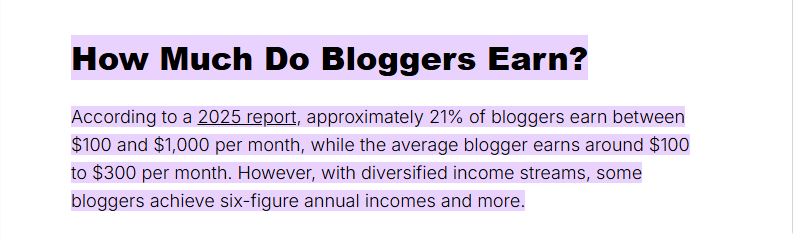
Usually, as you gain experience, your earnings grow and you can join the percentage of bloggers who earn thousands of dollars monthly.
The only way to reach those numbers is to keep writing, provide value, and establish yourself as an authority in that niche.
Ali Abdaal, who is considered an authority in the productivity niche, explains in this video how starting a blog and putting himself out there has made him a millionaire.
How Writing Online Made me a Millionaire
But he doesn’t make all that money solely from writing. He also earns from affiliate marketing, brand sponsorships, and offering consulting and courses.
What I loved vs what I didn’t like
3. Crafting handmade products
Personal rating: ⭐ ⭐ ⭐ ⭐ (4/5) | Easy/Difficult to start: Easy – Moderate | Starting cost: $50–$500 | Tools needed: Craft supplies, Etsy or Shopify store, Canva | Estimated monthly revenue: $100–$3,000+
If you enjoy creating products at home, selling handmade products online can be your dream side hustle. It works, and that’s why it made this list of profitable hobbies.
You can make candles and jewelry. If you feel those fields are oversaturated, you can also consider making soaps, crochet bags, art prints, or pretty woodwork.
These products have a large market because people want to use products that feel like they were made with love.
Melissa Horvath, founder of Sweet Water Decor, started selling her handmade candles from her home in 2014. Within a few years, her business blew up.
Now her candles are sold in major stores like Target and Amazon.
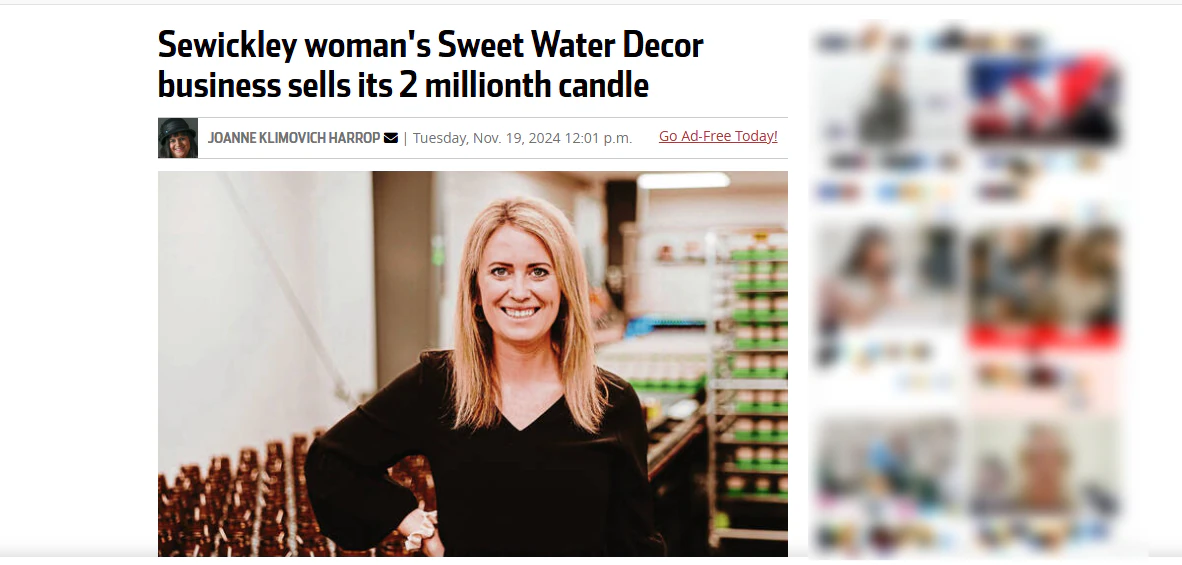
She’s a good example of how you can turn a hobby into a successful business.
How do you start?
You may already have some idea what kind of craft you want to sell.
So buy a few materials from local markets or order in bulk online. Then create a few high-quality pieces.
Once your pieces are ready, take photos of them. This step is very important because it is what attracts customers to your products.
To get the best shots, even if you’re only using your phone, try these tips.
- Use natural light: you can take photos near a window to get this effect.
- Keep your background simple: white, beige, or wooden surfaces will make your product stand out.
- Finally, take pictures from multiple angles, front, side, and close-up.
Once you’ve gotten great pictures, you can upload them to your Easytools store.
Since crafts are physical products, choose the physical product option among the templates.
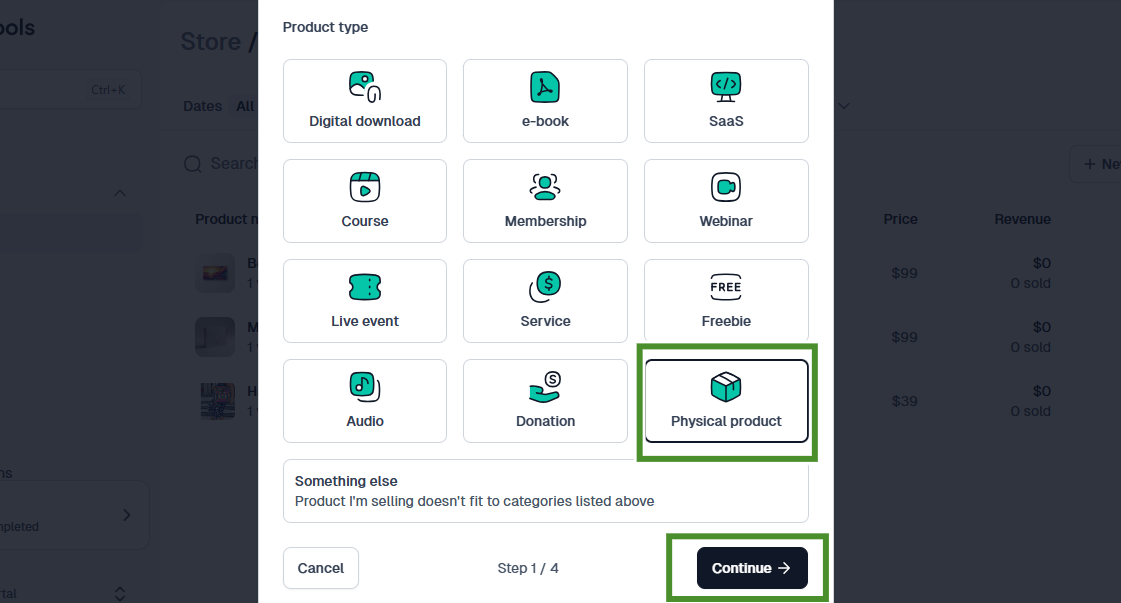
Next, set your price.
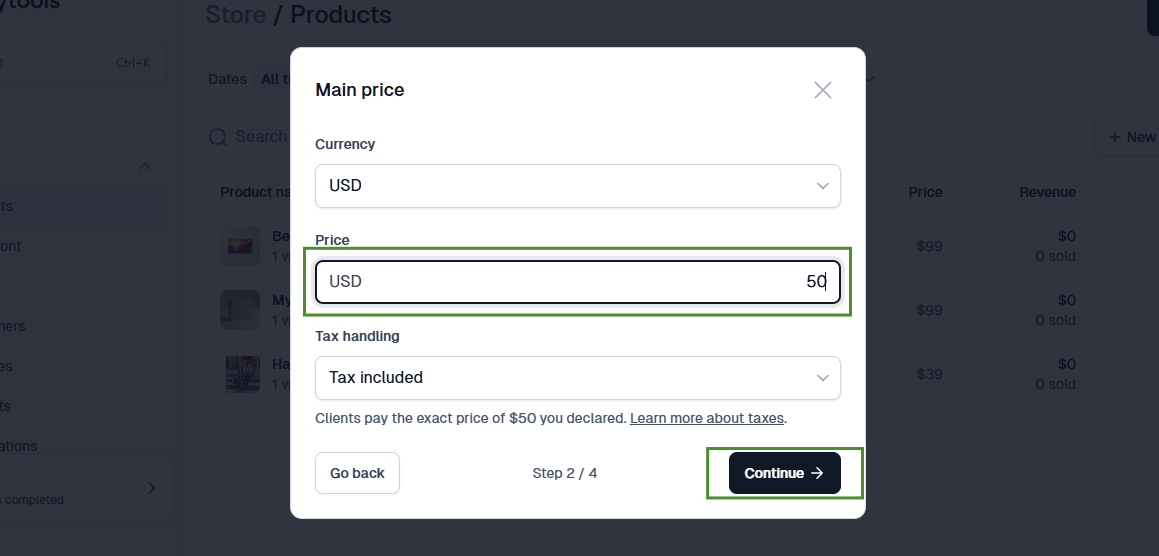
Then, upload your photos, write or generate a catchy description, and publish your store.
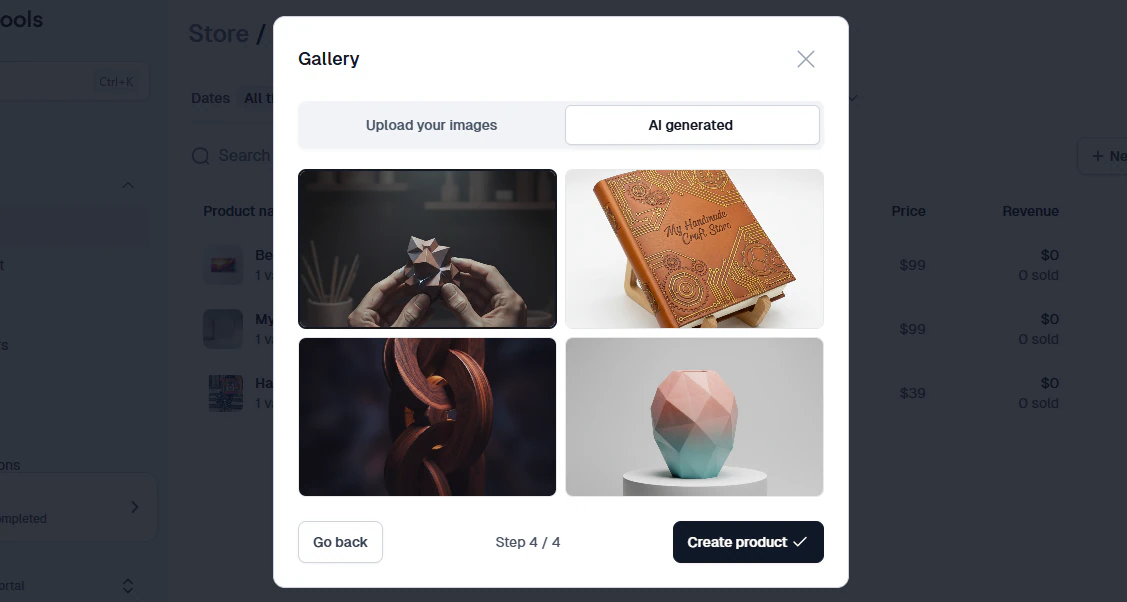
Once your shop is ready, you can copy the link and promote your store on Instagram, TikTok, or Pinterest.
How much can you make per month?
If you’re just getting started and creating products in small batches, about 10 to 30 items per month, your realistic income might fall around $200 to $800.
That is, after covering your material and the cost of labor.
According to The Recoverie’s pricing strategy, handmade sellers usually get an 8 to 30% profit margin on each product.

If you can expand to the point where you can sell in retail stores, then you earn anywhere from $2,000 to $5,000 or more per month.
What I loved vs what I didn’t like
4. Podcasting
Personal rating: ⭐ ⭐ ⭐ ⭐ (4/5) | Easy/Difficult to start: Moderate | Starting cost: $100–$600 | Tools needed: Microphone, Camera, Audacity, Riverside, Spotify for Podcasters | Estimated monthly revenue: $200–$10,000+
Podcasting, at its core, is talking about a topic that you love. Speaking of profitable hobbies, if you’re talkative, you might want to consider this.
Everyone has something they love, and no matter how niche your topic is, you’d be surprised by how quickly you could amass an audience.
Nowadays, podcasts are almost everywhere. And that’s because of two main reasons.
One is that people have a lot of useful knowledge to share. The second point is that you can earn a good amount of money from podcasts.
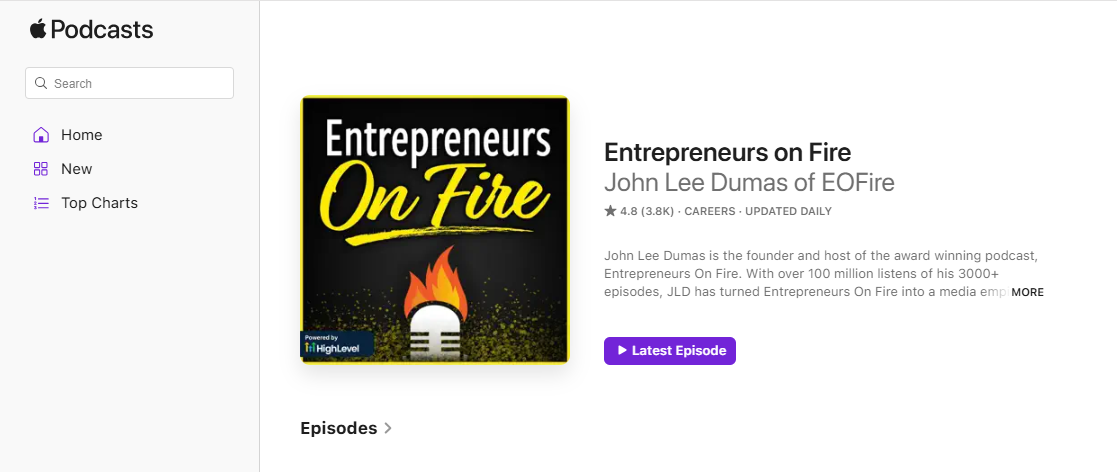
John Lee Dumas’s podcast Entrepreneurs on Fire started with a simple daily show interviewing entrepreneurs. Then the podcast caught fire.
Today, they have over 100 million listeners from all over the world.
How do you start?
You can start podcasting in less than a week if you plan carefully.
Whatever topic you choose, make sure you’re comfortable talking about it for about 50 episodes at least. You don’t want to start strong and lose momentum because you ran out of things to say.
Next, outline topic ideas under that niche for about 5 to 10 episodes.
For example, if you choose a niche like personal finance, you can have five topic ideas like:
- How to save your first $1,000
- The psychology of spending
- Budgeting for beginners
- How to invest without fear
- Why side hustles fail
Now to the equipment. You need a good microphone.
That is non-negotiable. Good ones are Blue Yeti or Samson Q2U.
You also need a quiet room for recording. If you’re not great at sound editing, you can use tools like Audacity and Riverside.fm to make recording and sound editing easier.
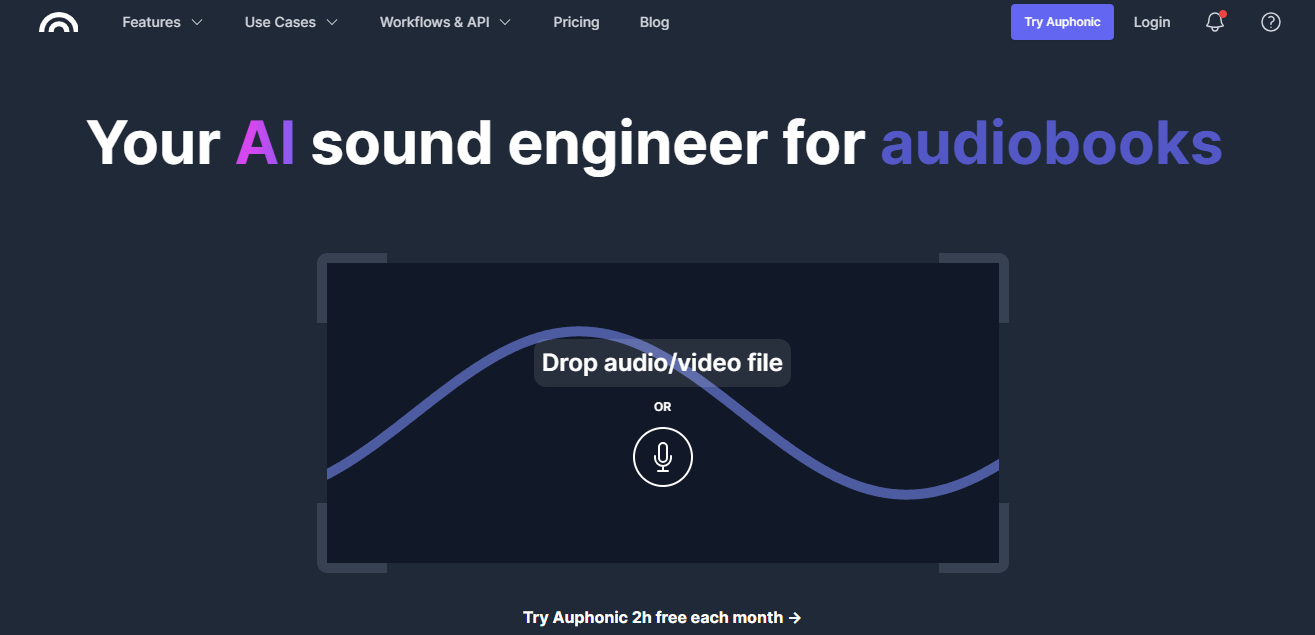
If you want automatic background noise removal and sound editing, use Auphonic, because it’ll save you a ton of recording time.
Next, you’ll need a camera. Since the focus is more on audio than on the videos especially in the beginning, don’t blow your entire budget on camera equipment.
You can start filming your podcast episodes with your phone on a tripod stand and upgrade as the budget increases.
Now, you’ll need a hosting platform to store and distribute your episodes. Good options are Buzzsprout, Podbean, and Anchor (now Spotify for Podcasters).
These platforms will push your podcast to Spotify, Apple Podcasts, and Google Podcasts.
Now you can share your podcast on social media. You know how I love to give tips, so here’s another.
Clip videos of the most interesting or outrageous moments in your podcast and post those on TikTok or on YouTube. If you film the duration of your podcast, you can post the whole episode on YouTube as well.
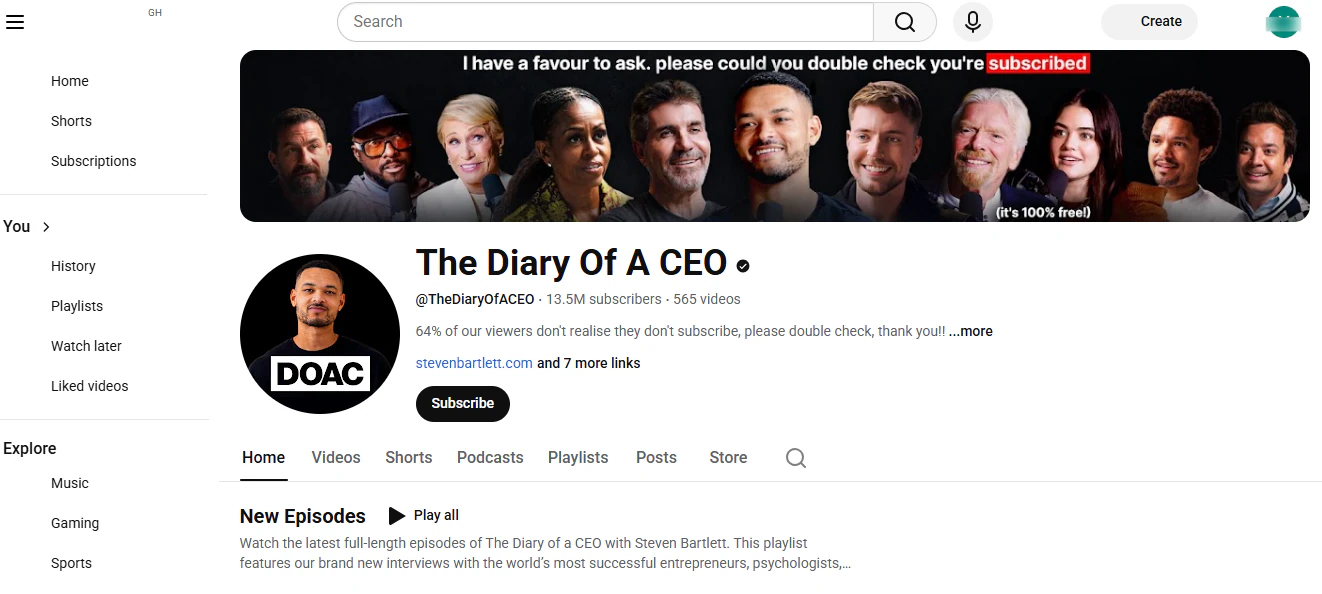
This is how a lot of podcasts like The Diary of a CEO and Call Her Daddy have blown up.
How much can you make per month?
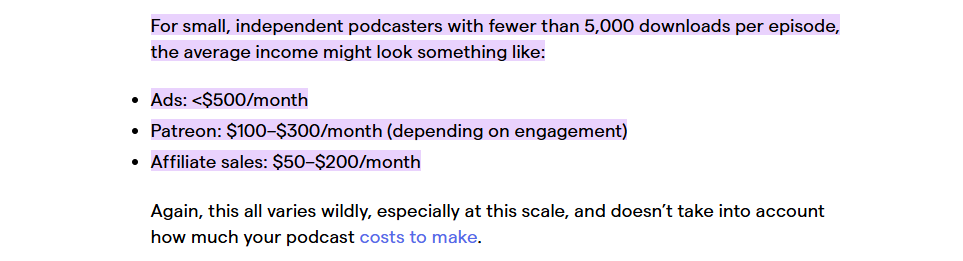
Most podcasters earn nothing for the first few months.
But depending on the size of your audience and your niche, you can make anywhere from under $500 to over $100,000 per month.
With beginner podcasters earning on the low side and celebrity podcasts bringing in the big bucks.
A podcasting platform like Spotify pays between $15 and $25 per 1,000 listens.
Once you cross the 10,000 listeners per episode point, the platform pushes your podcast more, and with sponsorships and affiliate links, you can earn a bit more.
When you get your loyal audience on YouTube or TikTok, you could offer your members exclusive behind-the-scenes episodes or sell merch for a small fee on Easytools.
So don’t be discouraged by how crowded the podcast space is. Just be real and be consistent. The more episodes you publish, the more you’ll improve.
What I loved vs what I didn’t like
5. Graphic designing
Personal rating: ⭐ ⭐ ⭐ ⭐ ⭐ (5/5) | Easy/Difficult to start: Easy | Starting cost: $0–$300 | Tools needed: Canva, Figma, Adobe Photoshop, Upwork | Estimated monthly revenue: $500–$8,000+
Graphic design is one of those overlooked profitable hobbies that can turn into a high-income skill for you.
If you’ve designed a birthday card for a parent or sibling, or you design Christmas cards at the end of each year, you have potential that you can monetize.
Any business that wants to build a brand, attract customers, or communicate visually, like e-commerce stores, restaurants, tech startups, and marketing agencies, needs graphic design. If you grow your skills, you will get gigs.
Consider the story of Rafal Koscinski, who took graphic design from a hobby to a career. Using online tutorials and courses, he taught himself graphic design and became a pro.
You can also take graphic design from amateur to pro level. But you need to start somewhere.
How do you start?
You could upgrade your skills by taking free design tutorials on YouTube.
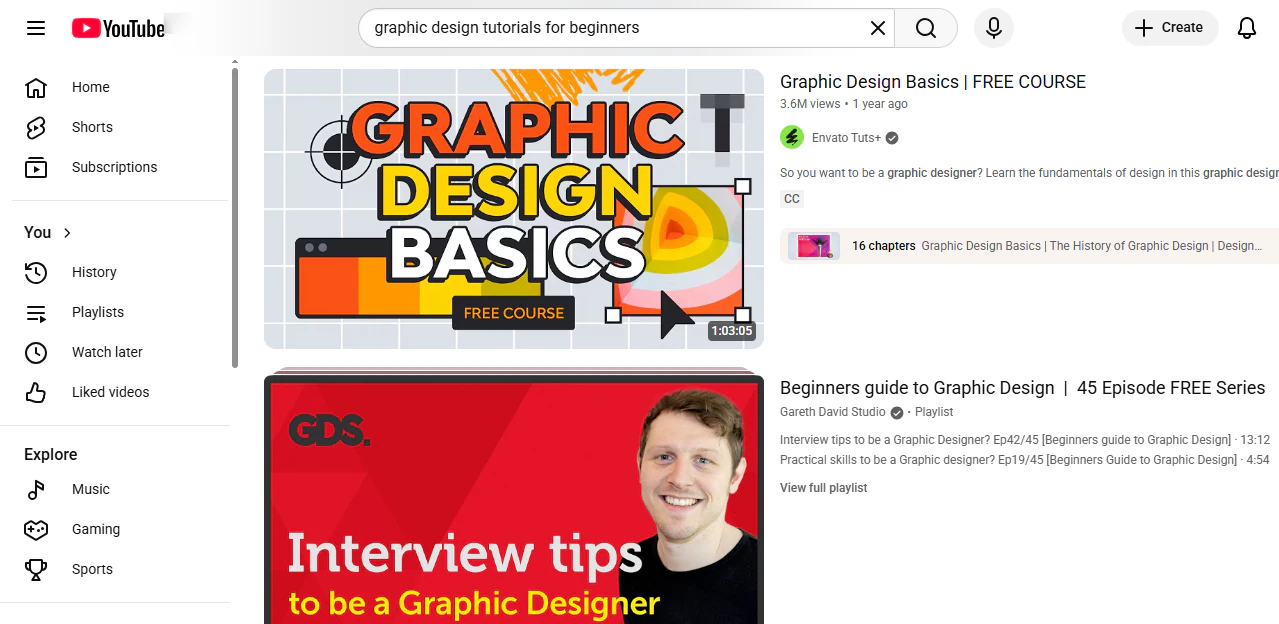
When you have covered the basics, take one tool like Adobe Photoshop and master it.
Then create a few mock designs or templates. Here you can get really creative, designing logos for imaginary brands, posters for local events, and simple Instagram templates.
Post these on your social media along with your phone number or email so people can reach you if they need similar designs.
Don’t stop there. Offer your services on Upwork, Fiverr, and Freelancer. Also, join Facebook groups or Discord communities where small businesses look for designers to hire.
Finally, try messaging small business owners directly on Instagram or on LinkedIn with your samples.
How much can you make per month?
If you’re consistent as an amateur, you can make about $300 to $800 per month from small freelance projects.
Intermediate designers who do customer work can earn about $1000 to $5000, while advanced designers can earn up to $10000 to $20000 per month.
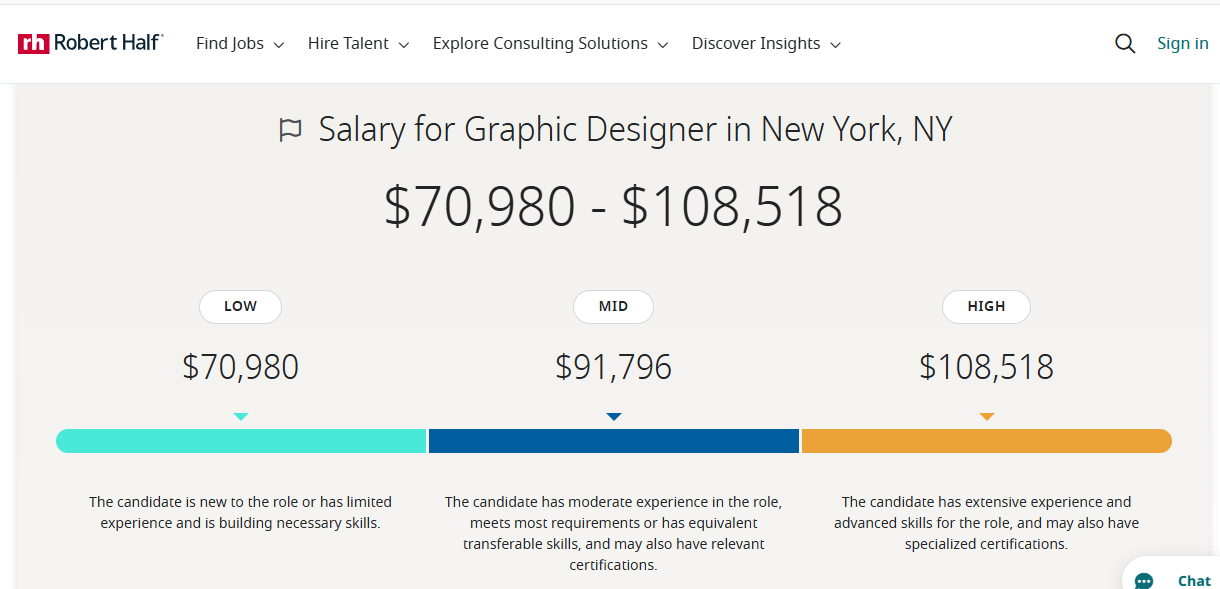
According to Robert Half’s 2025 salary report, graphic designers in New York earn between $70,000 to over $100,000 per year. That amounts to an average of more than $6000 per month that you can make.
What I loved vs what I didn’t like
6. Online tutoring
Personal rating: ⭐ ⭐ ⭐ ⭐ (4/5) | Easy/Difficult to start: Easy | Starting cost: $0–$100 | Tools needed: Zoom, Google Meet, Canva, Easytools | Estimated monthly revenue: $200–$7,000+
Teaching is one of the most fulfilling hobbies to monetize. As a teacher or tutor, you get the chance to help your students grow in knowledge about a topic. And there’s always someone out there willing to pay to learn what you know.
Simply take something you’re good at, math, a language, coding, psychology, art, you name it.
Besides, this is online tutoring, not normal classroom teaching, so you have full control over what to teach, when to teach, and how much to charge.
You can offer live 1-on-1 sessions through Zoom or Google Meet, where you work directly with students.
Once you’re confident, you can take things further by creating pre-recorded lessons and turning them into digital courses on Easytools.
If you’re wondering whether this venture could be successful, let me tell you about Kris Amerikos, who started teaching English online from his home.
From that tutoring, he has built a six-figure business where he charges almost $200/month per person.

How do you start?
Choose a subject you’re good at teaching. It needs to be one that you can explain very well.
Many people post such videos on YouTube where they are teaching or talking about things they love.
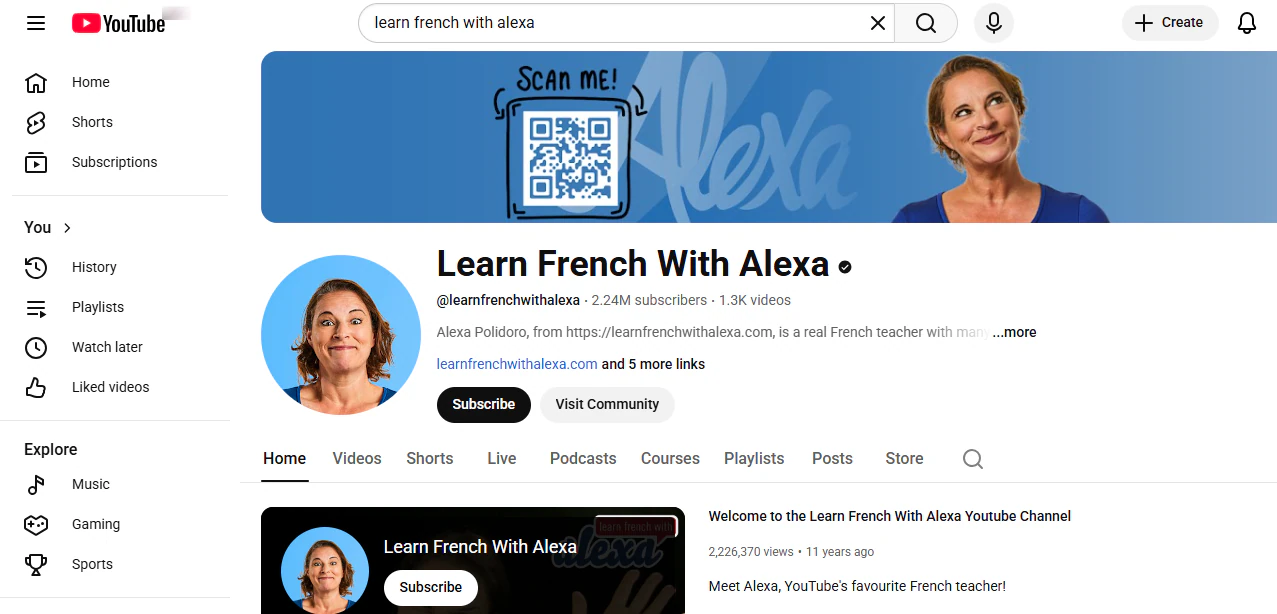
One of my favorite examples is Learn French with Alexa. She has found an audience of over 2 million subscribers, just from posting fun and simple French lessons.
Unfortunately, YouTube AdSense may not pay much, especially if you’re a small creator or just starting.
Nonetheless, you could record yourself teaching using Zoom, Loom, or a similar tool and then sell them as a course on Easytools.
Our platform allows you to generate a course in a few steps, or you can create one from scratch.
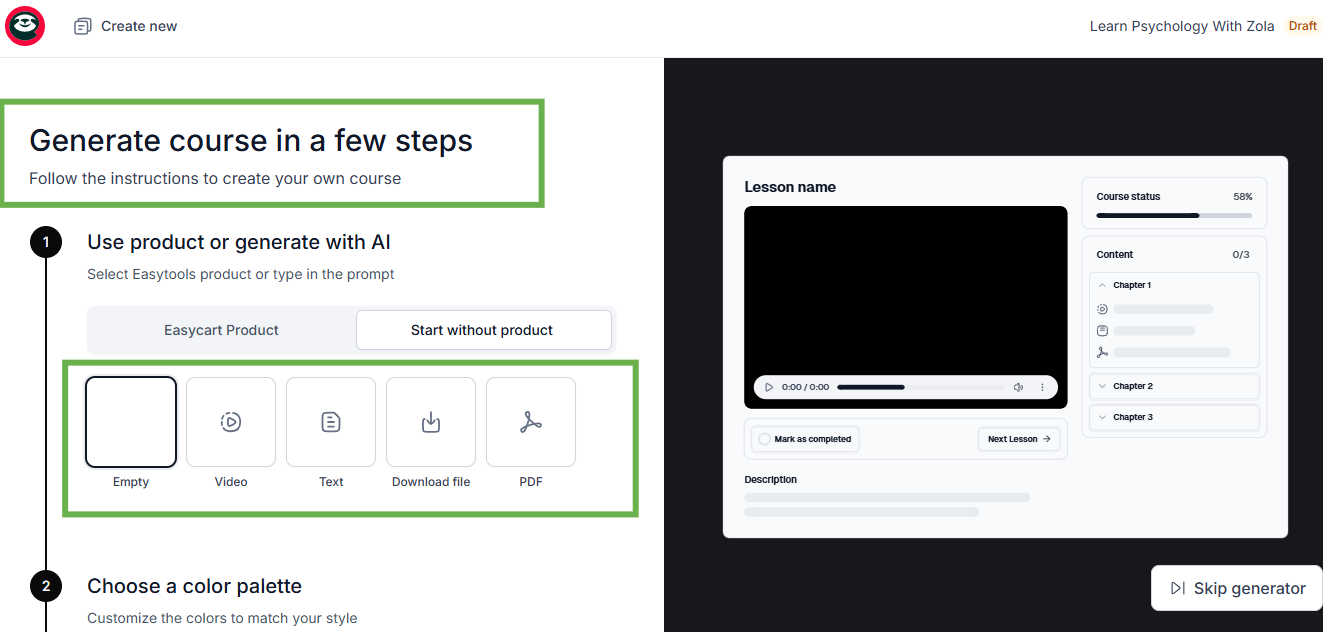
Once in the course configurator, upload your videos, slides, and notes to our Easyplayer.
Since your video is prerecorded, you can add the link, and your first video lesson is up.
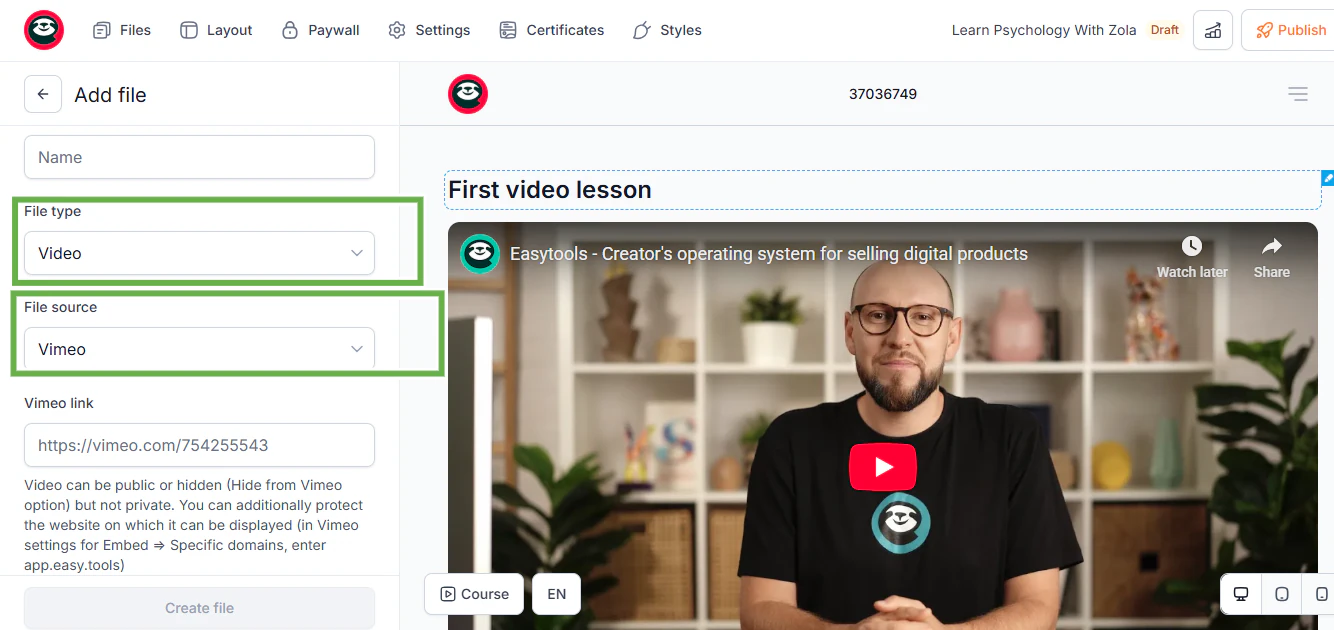
After placing your course behind the paywall, you can advertise it on social media and earn money when people purchase your course.
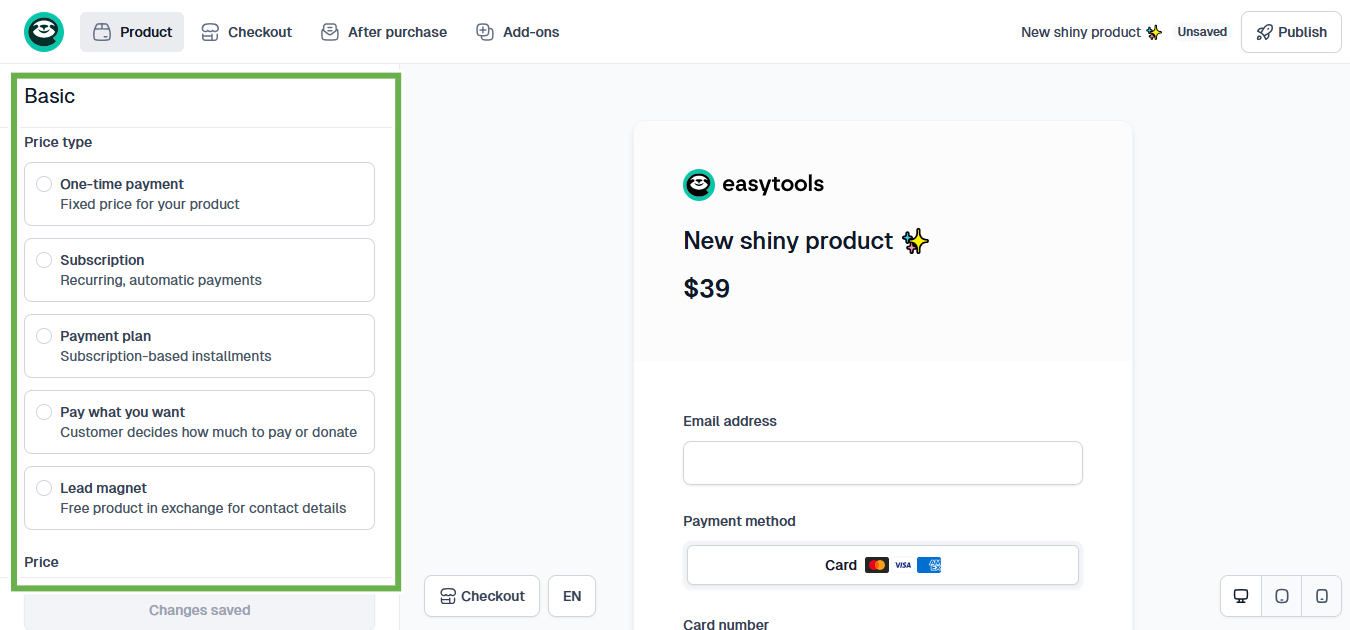
Try these to make your lessons even better:
- Use Canva or Google Slides to create simple and attractive lesson slides.
- Use Grammarly or ChatGPT to edit your materials. As a teacher, you don’t want to be making certain grammatical and spelling mistakes.
- Provide a lot of value to your students to earn positive reviews and testimonials.
- Stay consistent with your schedule and always provide value.
Word of mouth spreads fast. If you’re a good teacher, people will recommend your course, and before long, who knows? You could also be making seven figures.
How much can you make per month?
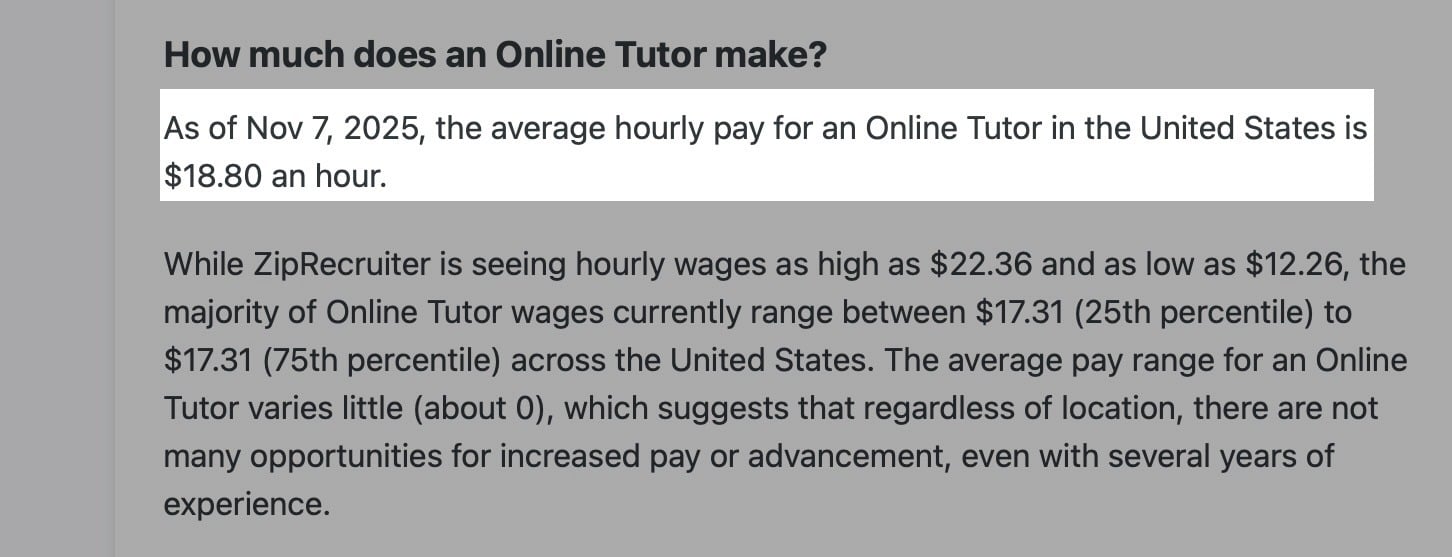
According to ZipRecruiter (2025), the average hourly rate for an online tutor in the U.S. is $18.80, but many tutors charge $25 to $50 per hour.
If you tutor just 10 students for 5 hours each per week at $25/hour, that’s $5,000 per month.
Add group lessons or recorded video courses on Easytools, and you can multiply that income without working extra hours.
{{cta-banner-1}}
What I loved vs what I didn’t like
7. Travel planning and vlogging
Personal rating: ⭐ ⭐ ⭐ ⭐ (4/5) | Easy/Difficult to start: Moderate–Hard | Starting cost: $500–$2,000 | Tools needed: Camera or phone, CapCut, YouTube, Google Maps | Estimated monthly revenue: $300–$10,000+
Now let’s discuss travel planning and vlogging, the next item in this list of profitable hobbies.. If you love to see the world while making some money, this one’s for you.
Travel planning involves creating travel plans or itineraries for people, such as where to go, where to stay, and what to eat. Travel vlogging is more about documenting your journeys on platforms like YouTube, Instagram, or TikTok.
Lots of travel creators that you see today started small. The Endless Adventure began by sharing their couple’s travels on YouTube. Now they have over 600,000 subscribers.

How do you start?
Your first vlog doesn’t need to be about a trip to Italy. Just start creating content about local or overlooked tourist sites and hidden spots.
For equipment, you can record short videos with your phone and use free editing apps like CapCut to make them look more professional.
Then use Canva to design catchy thumbnails and Notion to plan your travel scripts or itineraries.
Next, create a YouTube and TikTok channel and start posting at least once a week.
When your content starts gaining traction, you can apply for affiliate programs on Booking.com, Travelpayouts, or Airbnb Affiliates. As an affiliate, you can earn commissions every time someone books through your link, while also earning from the platforms you post on.
How much can you make per month?
Beginner vloggers can earn, on average, from $800 to more than $1,000 a month.
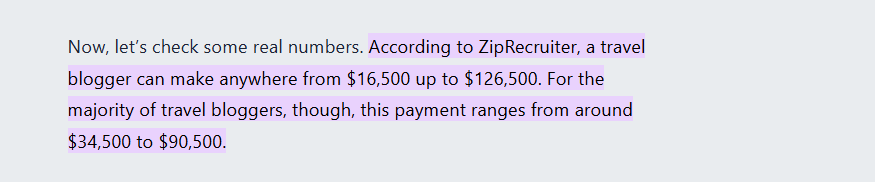
But this is not only from the platform but also from affiliate links and small brand deals.
This can grow to about $20,000 a month when you become a top creator, since you could also start earning from big brand collaborations.
What I loved vs what I didn’t like
8. AI art and print-on-demand
Personal rating: ⭐ ⭐ ⭐ ⭐ (4/5) | Easy/Difficult to start: Easy | Starting cost: $0–$200 | Tools needed: Midjourney, Leonardo.ai, Canva, Redbubble, Printify | Estimated monthly revenue: $200–$5,000+
AI art and print-on-demand are next under our profitable hobbies list.
Here’s the idea. You use AI tools to create AI art. Then you make money without needing traditional art skills or a large budget.
And you’re not creating this art to put in a museum, no.
You can generate artwork for t-shirt designs, wall posters, stickers, phone cases, wallpapers, tote bags, mugs, and more.
Greece Aberdeen initially thought that AI art could not be one of her profitable hobbies. Later, she realized that some creators were earning about $3,000 per month from it.
This convinced her to test it herself. Soon, she also started to make consistent sales from her AI-generated designs.
You can also test this out for yourself.
How do you start?
As usual, you need to pick a niche.
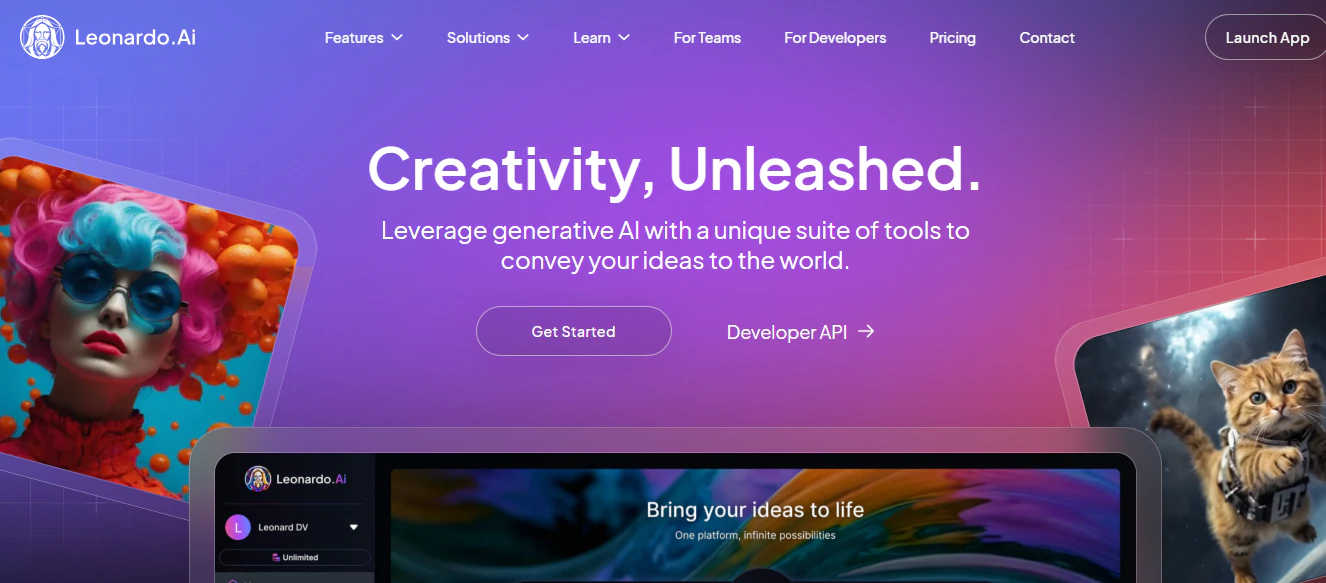
You can go with medieval-inspired art or anime characters. Pet portraits also sell really well. Use AI tools like Midjourney, DALL·E, or Leonardo.ai to generate stunning artwork.
Then, upload your products to print-on-demand platforms like Printify, Redbubble, Zazzle, or TeePublic.
These platforms take care of the printing, packaging, and shipping of the artwork, and you’ll earn a percentage on each sale.
How much can you make per month?
According to Gelato’s 2025 report, print-on-demand (POD) business owners earn an average of about $4,639 per month. Their incomes range from $1,583 on the low end to $9,833 or more for successful sellers.
The business of generating AI art is appealing to many because it has a very low startup cost. Then, you can sell designs on T-shirts, mugs, tote bags, phone cases, wall art, and more, all branded under your name.
What I loved vs. what I didn’t like
9. Fitness coaching
Personal rating: ⭐ ⭐ ⭐ ⭐ ⭐ (5/5) | Easy/Difficult to start: Moderate | Starting cost: $0–$400 | Tools needed: Zoom, Instagram, YouTube, Easytools | Estimated monthly revenue: $500–$10,000+
I follow some fitness coaches on YouTube, and I love most of the programs.
But often after following them for a while, I realize that I’ll prefer either a personalized plan suited to just myself, or better yet, a day-by-day plan that I can follow as the coach posts.
And every single time I want that, I realize that it’s behind a paywall.
As it should be.
Premium services require premium pricing. That is why fitness coaching can be one of the most profitable hobbies that you can turn into a business.
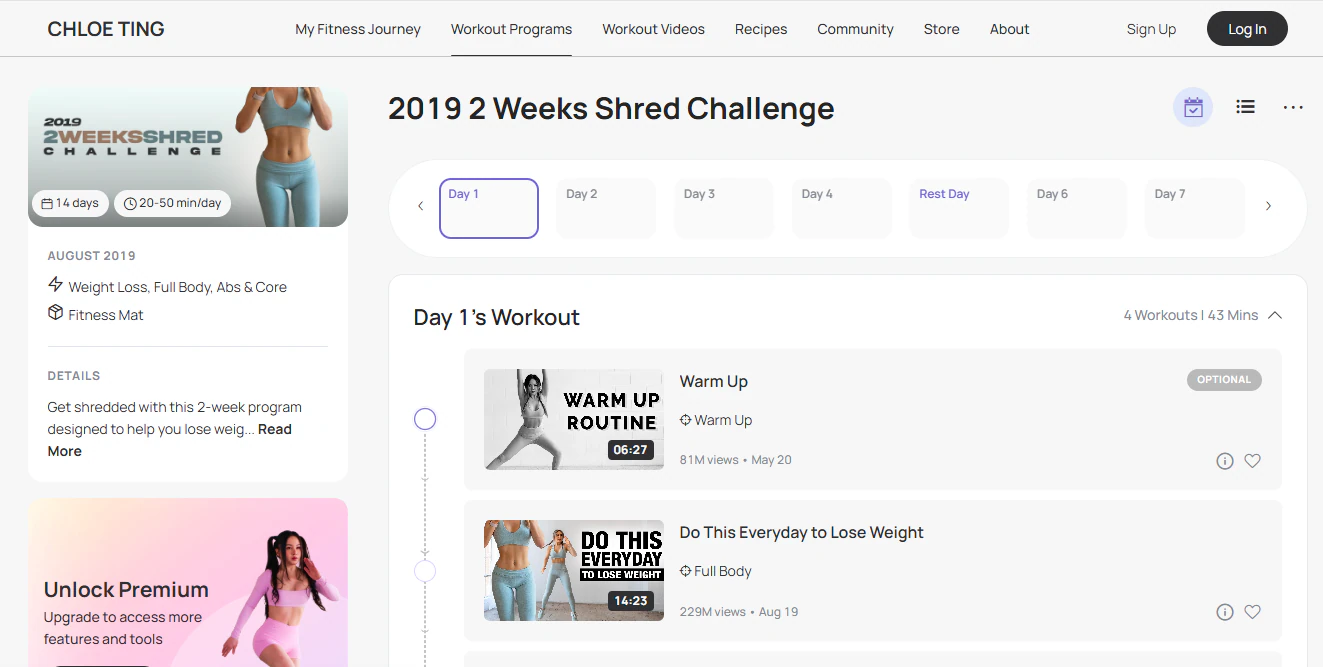
During the pandemic, YouTuber Chloe Ting went viral for her ‘2 Week Shred’ home workout challenge. In no time, she was earning six figures monthly with brand deals and from views on YouTube.
How do you start?
Whether you choose to do home workouts, weight training, focus on women’s fitness, yoga, or other activities, you’ll need a phone or a good camera for recording.
It’s also important to consider lighting. You can use good natural light or get a powerful ring light.
Make sure your video is engaging, fun, and easy to follow. You can play some copyright-free music in the background to make your video even more fun to watch.
Now record three to five short workout videos using your phone or camera and post them for free on social media. This is to draw attention to what you do and build an audience.
When your audience starts to grow, you can now record exclusive videos and workout plans.
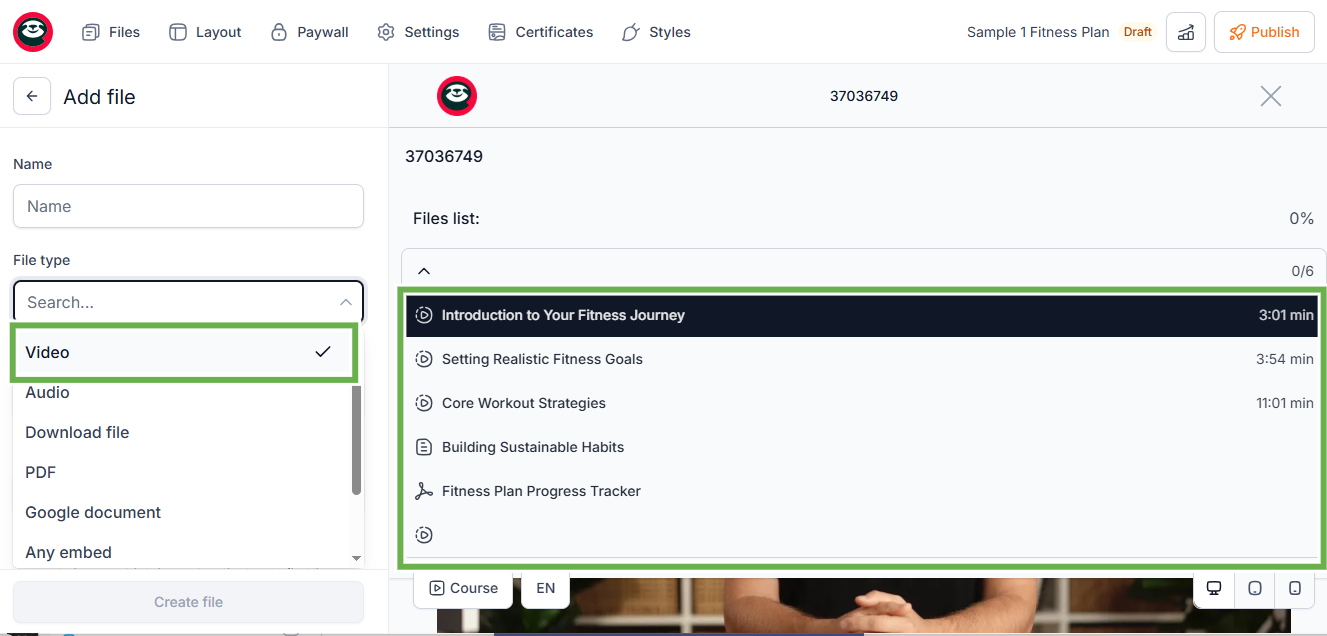
Upload your videos or guides to Easytools and sell them as downloadable packages.
How much can you make per month?
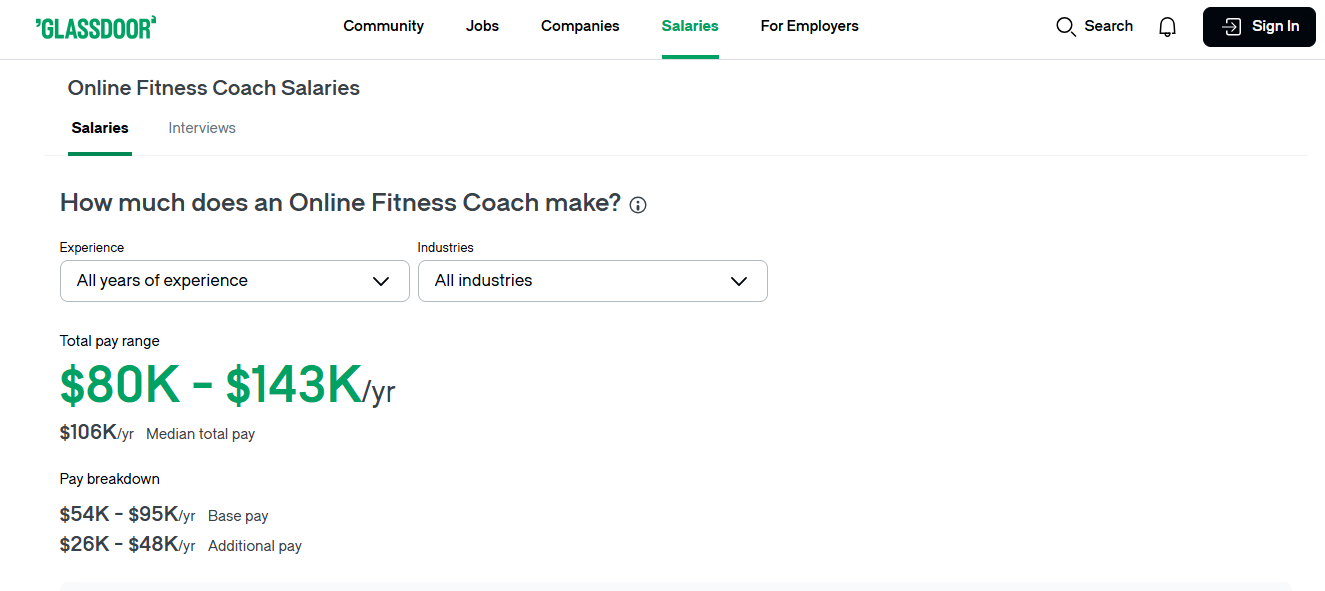
According to Glassdoor, the average online fitness coach makes about $80,000 to $143,000 a year. That’s between $6000 and $12,000 each month.
If you’re also uploading videos and selling guides, you can expect to earn about $500–$1,000/month as a beginner. This won’t come immediately, but as you grow your following, you can get there.
You might go viral like Chloe Ting, who now has more than 25 million subscribers on YouTube and earns from ads, sponsorships, and more.
What I loved vs. what I didn’t like
10. AI music production
Personal rating: ⭐ ⭐ ⭐ ⭐ (4/5) | Easy/Difficult to start: Moderate–Hard | Starting cost: $100–$800 | Tools needed: Soundful, Beatoven.ai, BandLab, Logic Pro | Estimated monthly revenue: $200–$8,000+
Like with other profitable hobbies that allow you to use AI for producing beautiful artwork, you can also use AI to make music. Nowadays, this is also becoming a booming business.
What does it involve, you may ask? Well, you can use AI to generate melodies, beats, or full songs. When listeners stream your music, you earn money from it.
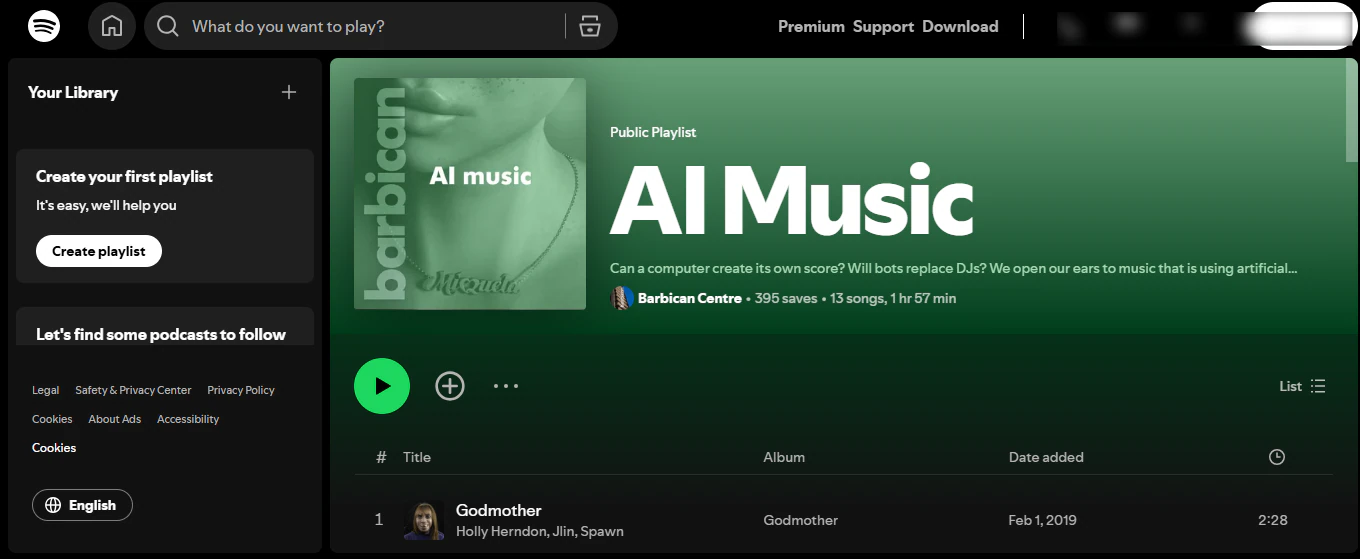
Spotify has an entire AI music playlists which get a lot of streams and generate earnings for its creators.
How do you start?
Start by choosing the kind of music you want to create: lo-fi beats, cinematic soundtracks, or, if you want to be a little adventurous, AI-generated rap.
Then head to AI music generators like Suno AI, Mubert, and Boomy to generate your first few tracks.
After generating the tracks, use an audio editor like Audacity or a digital audio workstation (DAW) like FL Studio to improve the sound quality.
When you’re done polishing your sound, upload to streaming platforms like Spotify, Apple Music, or SoundCloud.
To market your music, you can create short clips of your songs and post them on YouTube Shorts or TikTok. Some new sounds have gone viral through this method.
You can also make tracks to sell as background music for creators on platforms like Pond5 or Epidemic Sound.
How much can you make per month?
You can make about $200 to $500 per month as a beginner and start bringing in $1,000 if your tunes get a fair amount of listeners.
Most streaming platforms pay you per stream, so the amount you earn depends on how many streaming services you use and how consistent you are with your uploads.
To make passive income with this profitable hobby, you can create hour-long playlists on YouTube that people listen to while studying or working. It can also boost how much you earn without relying on the traditional streaming platforms.
What I loved vs. What I didn’t like
11. Gaming and streaming
Personal rating: ⭐ ⭐ ⭐ ⭐ ⭐ (5/5) | Easy/Difficult to start: Moderate | Starting cost: $300–$2,000 | Tools needed: OBS Studio, Twitch, YouTube, Streamlabs | Estimated monthly revenue: $300–$20,000+
Before, people only used to play video games for fun and to pass the time. Nowadays, gaming is one of the most profitable hobbies you can get into because almost every game has an audience on streaming platforms
Streaming means showing yourself as you play games or even reacting to games. Take any kind of game you like to play, and you’ll be surprised to see that there are people out there who are willing to watch you play.
Many streamers started small and blew up unexpectedly. IShowSpeed is one such example. He started streaming as a teenager with a tiny audience.
Now he has built a loyal fanbase of over 45 million followers and reportedly earns well over $1 to $2 million per year from ads, sponsorships, and brand deals.
How do you start?
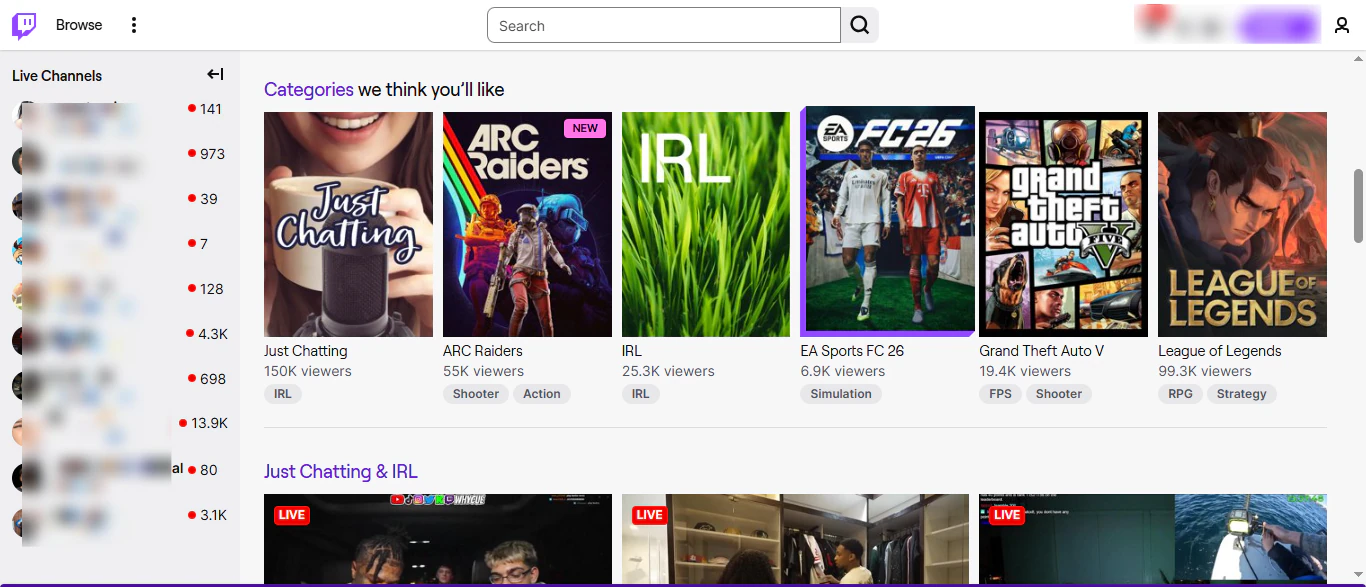
It’s best to start with popular platforms like YouTube or Twitch. These are already known for gaming streams.
Then download OBS Studio or Streamlabs to stream your games as you play.
You also need to set up a camera, a mic, and have a nice background. Perhaps add a simple desk and then a ring light.
Now you need to create a brand for yourself. That means design a gaming logo and a banner so that you’re unique and easy to identify.
The rest is consistency. You can decide to go live at least 3 to 5 times a week, and people will start to notice you.
Before long, your audience will grow to the point where you can create a Discord community for them to hang out. Again, this can be a money-making opportunity.
Because now you can paste affiliate links in your Discord server, add donation buttons, or even have sponsorships with your following.
How much can you make per month?
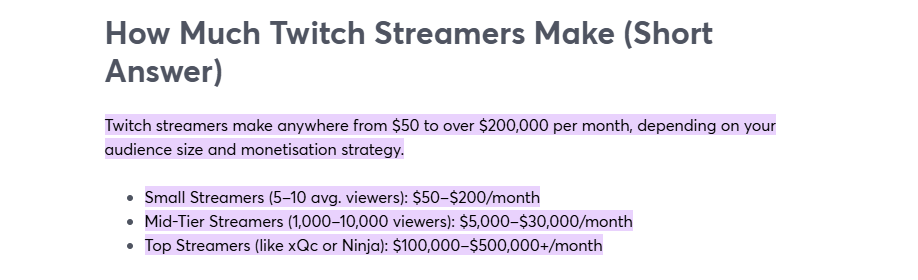
According to Streamyard, small streamers can make from $50 to $200 per month on Twitch, while top streamers can make up to $500,000 each month. And that’s on Twitch alone.
In the end, how much you earn from gaming streams is based on your following, the kind of game you play, and your content strategy.
What I loved vs. what I didn’t like
12. Faceless AI video creation and voice acting
Personal rating: ⭐ ⭐ ⭐ ⭐ ⭐ (5/5) | Easy/Difficult to start: Easy – Moderate | Starting cost: $0–$200 | Tools needed: Pictory, ElevenLabs, CapCut, Canva | Estimated monthly revenue: $300–$10,000+
What if you want to make videos badly, but you’re camera-shy or just don’t want to expose yourself to online scrutiny?
Well, I’m happy to inform you that the Faceless AI video niche is blowing up currently.
If you search for faceless videos on YouTube right now, you’ll see so many tutorials with hundreds of thousands of views on how to create fun faceless videos people will want to watch.
Now, let’s talk about voice acting. Many faceless creators use their own voices to narrate stories, documentaries, or explainer videos.
If you have a clear or expressive voice, this can become one of your most profitable hobbies.
If you don’t feel confident using your voice, tools like ElevenLabs and Play.ht can generate realistic, natural-sounding voices in multiple accents.
Many TikTok creators publish faceless content.
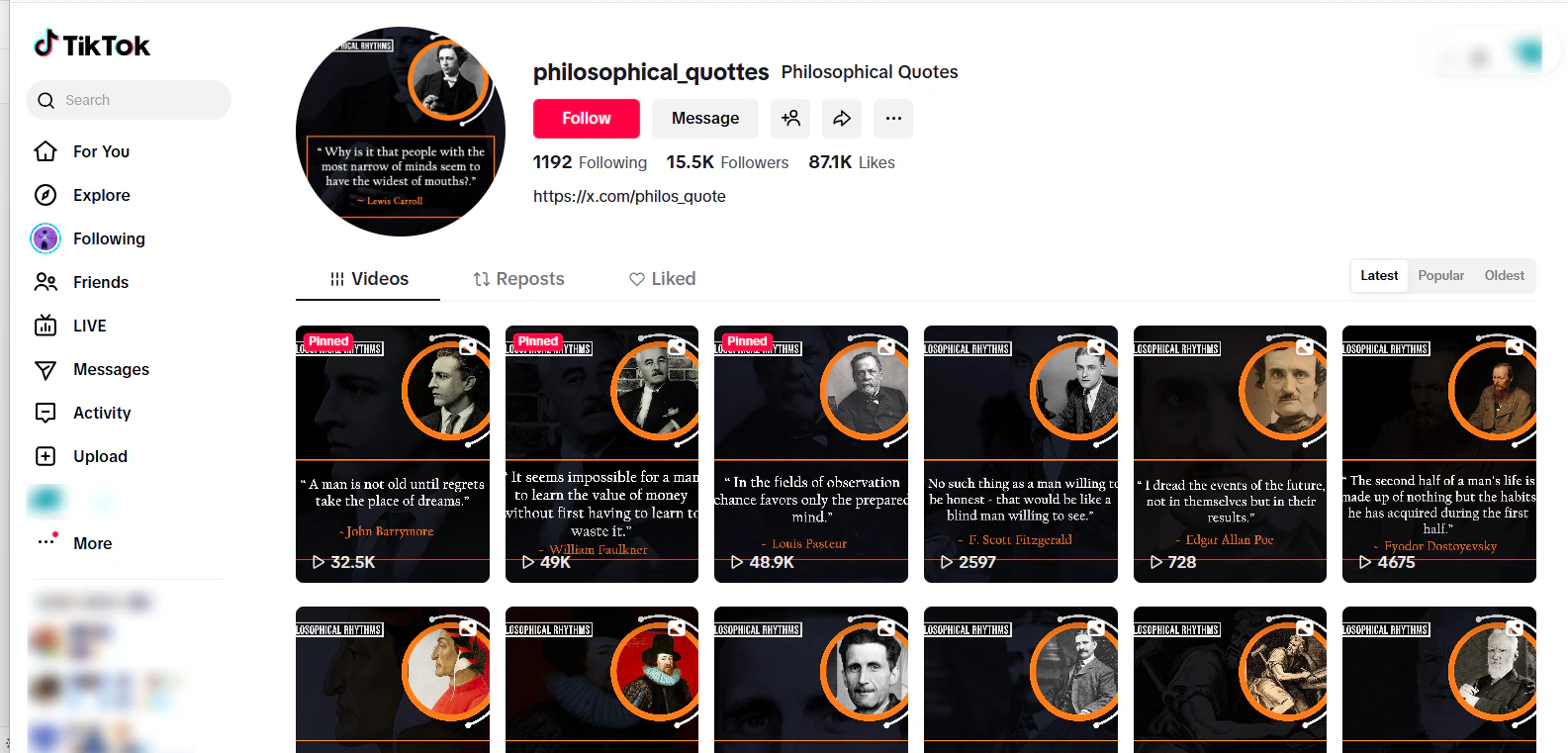
TikToker Philosophical Quotes, for example, only posts videos and images without their face. Yet they are steadily growing their following and now have more than 15,000 followers.
How do you start?
Choose something you can make videos about regularly. Some have opted for motivational quotes, movie explanations, true crime stories, and more.
Next, you need to write or generate a script. Using ChatGPT or Gemini, you can have an outline of an engaging script in just a few minutes.
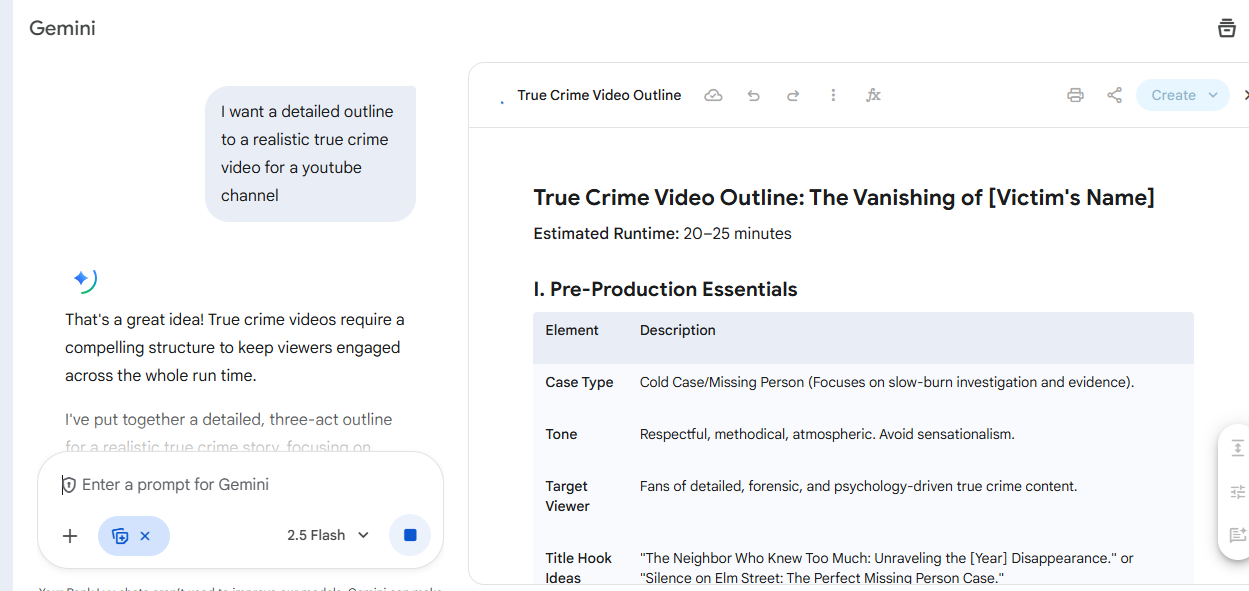
Then develop the outline carefully, checking the facts and editing to match the tone you want for the video.
Next, record your audio with a simple microphone and free audio editing software like Audacity.
Now add visuals. You can add pictures or short video clips.
These may be AI-generated pictures and videos or stock photos from Pexels or Pixabay. If you’re going to use stock photos, make sure they are copyright-free.
Finally, post the videos on social media. To grow your channel faster, make several short clips of your video and post them on Instagram Reels, TikTok, or YouTube Shorts.
How much can you make per month?
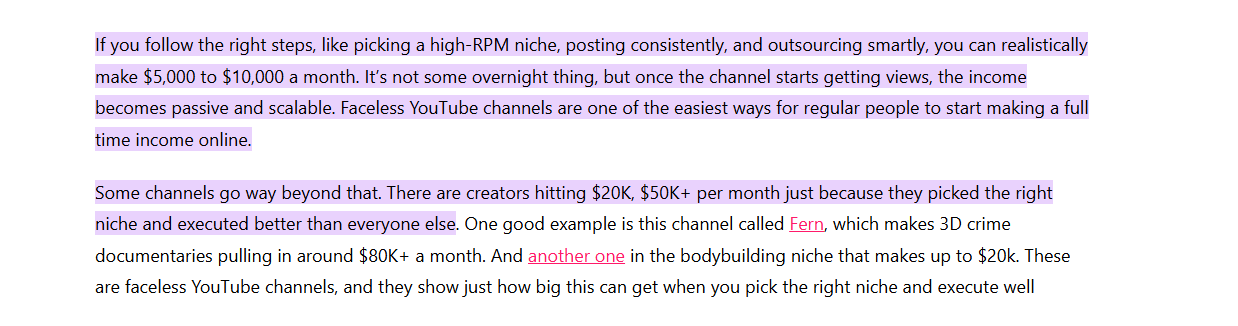
Faceless channels can still be monetized. From YouTube ad revenue and small brand deals, a beginner can make anywhere from $20 to $200 a month.
Skilled voice actors can also earn anywhere between $50 and $500 per project, depending on the script length and quality.
Once you start getting sponsorships, this can increase to between $1,000 and $5,000 per month. Advanced creators running multiple channels can earn up to $20,000 per month.
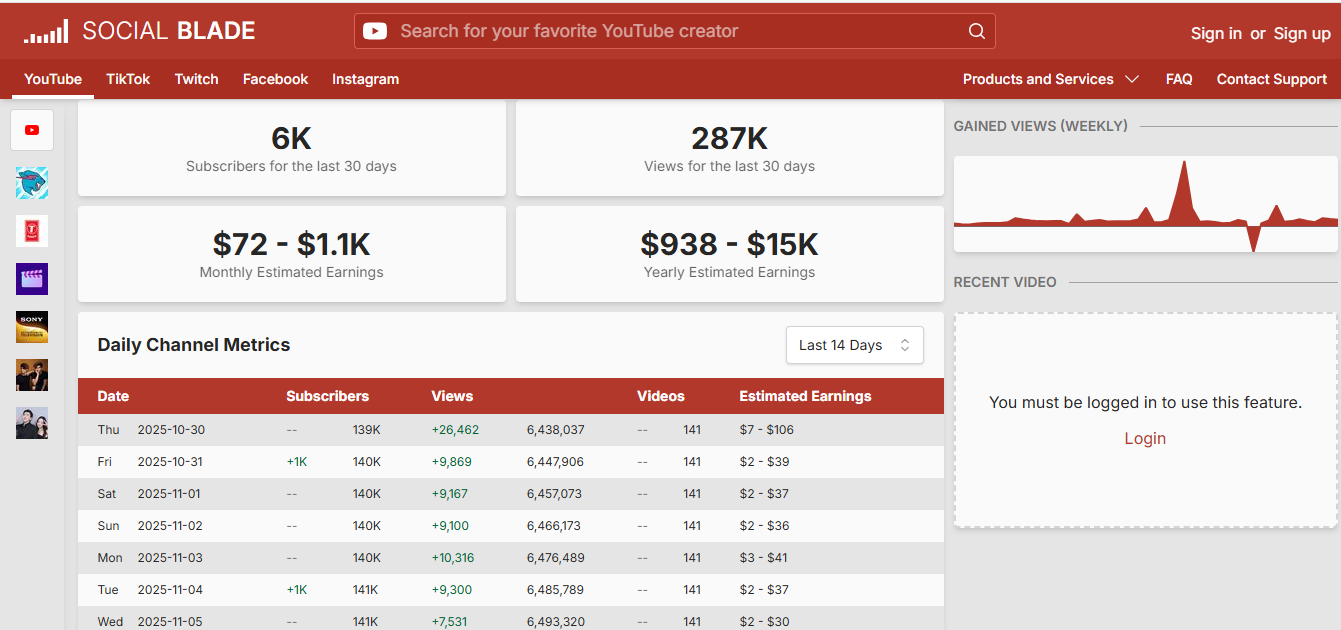
To know how much you can make in a specific niche, search for that niche.
When you find a faceless channel in that niche, copy the channel name and paste it into Social Blade. This will give you an idea of what you can earn in that niche on average.
I did this with The Zinny Studio, a faceless channel on YouTube. According to Social Blade, they earn about $6,000 per month.
What I loved vs. what I didn’t like
13. Creating stories and comics with AI
Personal rating: ⭐ ⭐ ⭐ ⭐ (4/5) | Easy/Difficult to start: Moderate | Starting cost: $0–$200 | Tools needed: ChatGPT, Leonardo.ai, Canva, Easytools | Estimated monthly revenue: $200–$6,000+
People who love to read also tend to love to write.
But you don’t need to be a great writer or artist to start this kind of profitable hobby. AI can do most of the hard parts.
You can write fun short stories, use AI image generators to create illustrations, and then put your stories together and post them online.
If they’re really interesting and the art is captivating, you can attract lots of followers in just a few months.
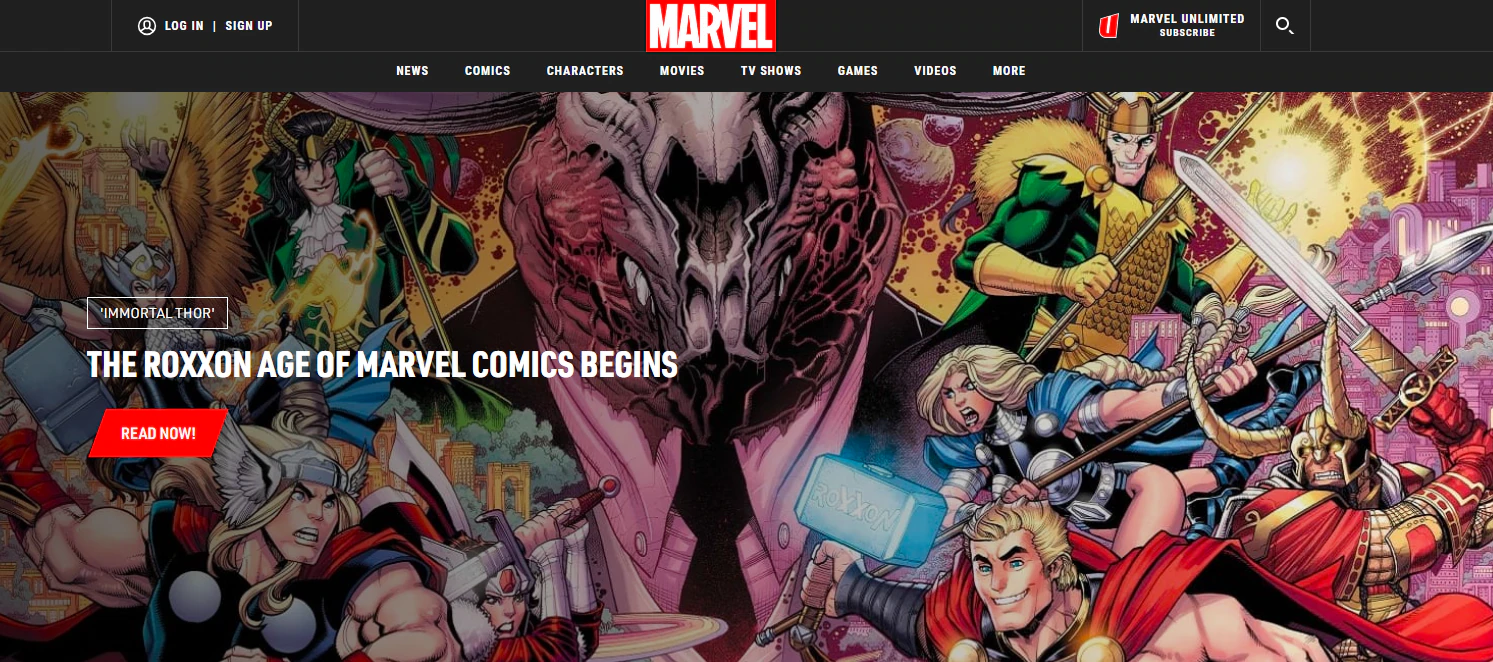
Most of our favorite films today, like Superman and Spider-Man, all started as comic books that became popular.
Imagine writing a comic that becomes the next blockbuster movie. That’s the potential you have now with the help of AI.
It eliminates the hours spent on drawing the comic and even helps you write the story.
How do you start?
Pick a theme that excites you, and consider popular themes like superhero parodies, romance, mystery, or Greek mythology.
Next, you can use ChatGPT or Gemini to create story outlines and character descriptions.
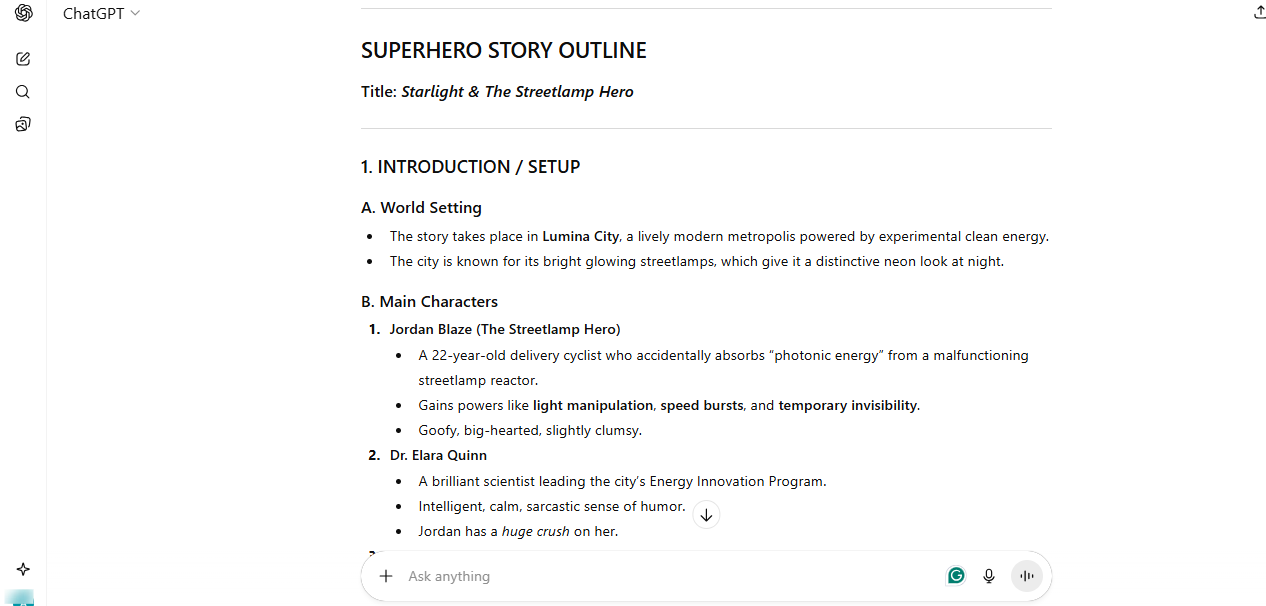
Then you can prompt it to write a comic script for you. Be sure to edit the script. Don’t simply copy and paste whatever AI gives you.
Use tools like Midjourney, Leonardo AI, or Kittl to generate your character art. If you want ready-made comic layouts, tools like ComicGen can help.
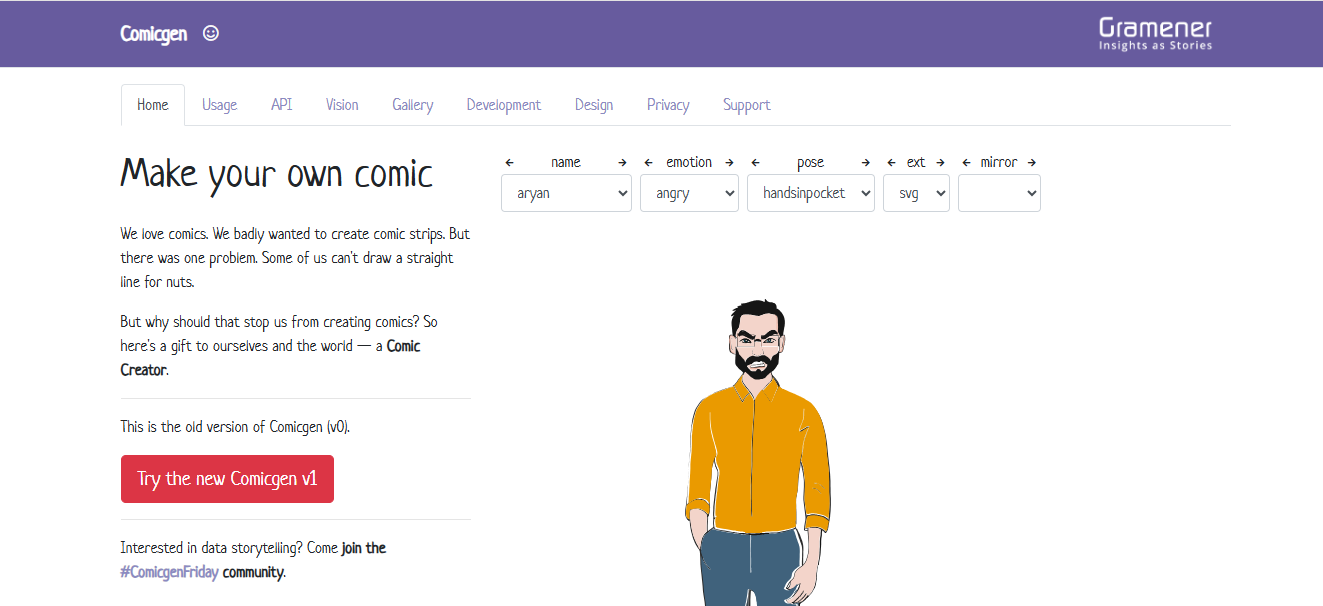
You can use all these together. Add speech bubbles, effects, and use fun fonts. When your comic is ready, export it as a PDF or an image series.
It doesn’t end here. You still need to make a profit from the hobby.
Here’s where that happens.
To monetize the story, you can add the comics as products in your Easytools store.
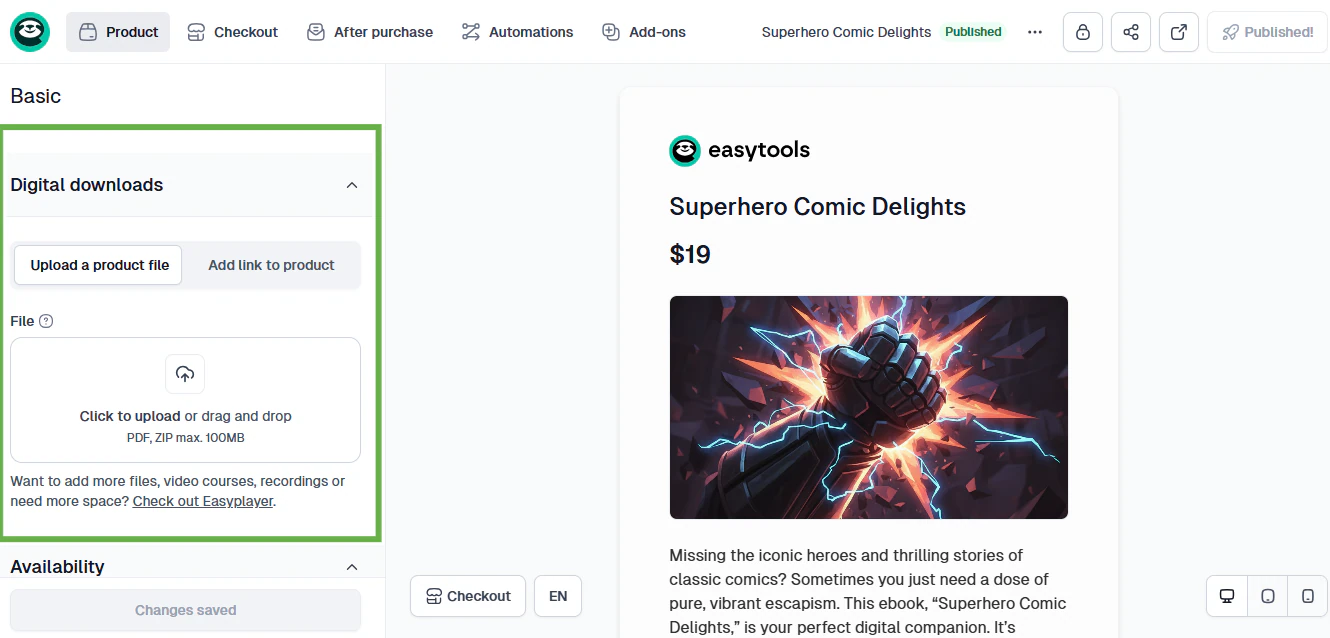
From here, you can sell them directly to your customers.
To attract readers to your Easytools store, you can post free sections on any popular web comics page. If you can write an exciting script with a cliffhanger and direct people to your store, you might start making some sales.
How much can you make per month?
As a beginner, if you market your comics well, expect to make between $100 and $300 per month just from your Easytools store. If you gain a lot of subscribers and regular readers, that number can go up to between $1000 and $5000.
Of course, experienced creators who add merchandise and offer exclusives earn more, with some earning more than $10,000 each month.
What I loved vs. What I didn’t like
14. Content creation
Personal rating: ⭐ ⭐ ⭐ ⭐ ⭐ (5/5) | Easy/Difficult to start: Moderate | Starting cost: $0–$500 | Tools needed: YouTube, Instagram, CapCut, Canva | Estimated monthly revenue: $500–$50,000+
I gave this profitable hobby a 5/5, and I’ll explain why.
On the topic of profitable hobbies, content creation in all its different forms has proven beyond all reasonable doubt that it’s one of the best moneymakers today.
And what is content creation?
It’s creating any content that is entertaining or valuable and sharing it on social media.
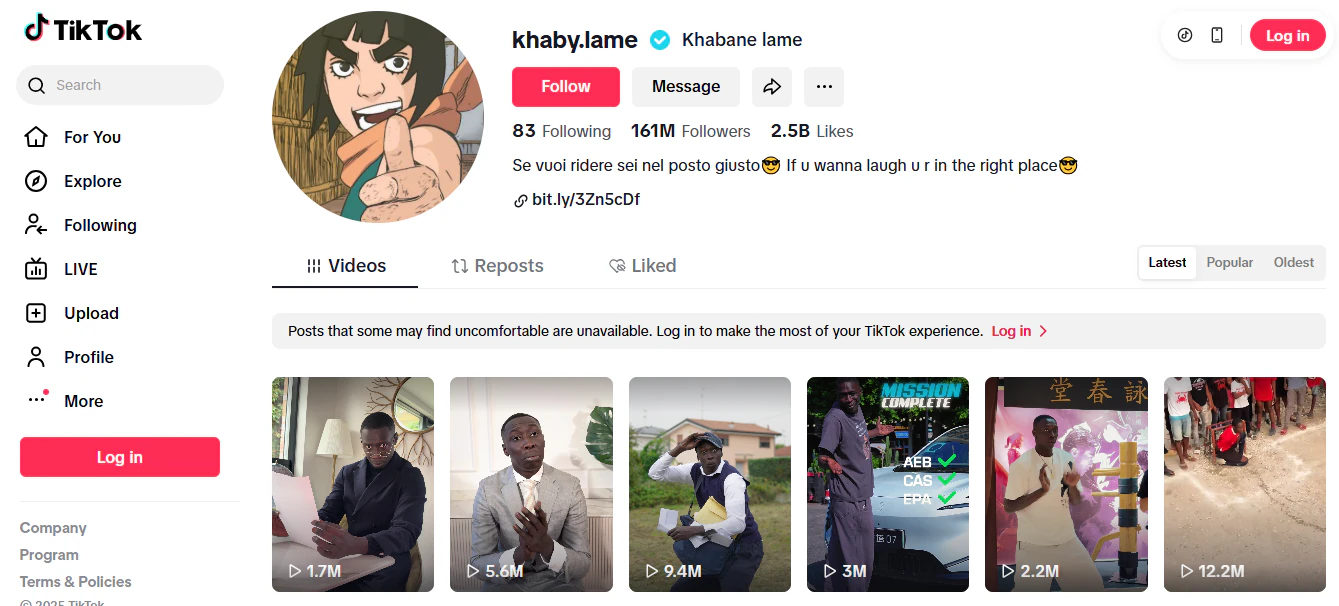
A great example is Khaby Lame, who started making silent reaction videos on TikTok during the pandemic.
Without saying a word, he built a following of over 160 million people and now earns millions through brand deals, appearances, and sponsorships.
How do you start?
It may sound like fun to publish content on multiple platforms like YouTube, TikTok, Instagram, and X simultaneously.
But I’ll advise you to choose only one of these platforms when you’re just starting. Grow your audience there and then expand to other platforms.
If you want to create more long-form content, I recommend YouTube. People tune in there for lengthy pieces.
If you create entertaining short clips, you could start on TikTok or Instagram.
TikTok may be a little easier to grow a following on without being overly concerned about the aesthetics, like you’d be with Instagram.
Another tip I’ll give you is to plan your content.
Most creators make the mistake of not having a plan that includes ideas and a posting schedule. Without these, you may not be consistent.
Or you may start creating content without clear goals.
You can use Notion to organize your content ideas and posting schedule.
If you need help brainstorming topics, writing scripts, or generating catchy titles, ChatGPT can help.
Next, record using your phone camera. If you want a higher quality, you can get a budget camera like the Canon M50 or Sony ZV-E10.
For editing, CapCut is a free tool you can use.
Then upload consistently, add engaging captions, trendy hashtags, and promote your content.
Once you’ve built your following, monetizing becomes much simpler to reach.
How much can you make per month?
Content creation is a billion-dollar business. Forbes reports that the creator economy is now a $250 billion global force. And they couldn’t be more right.
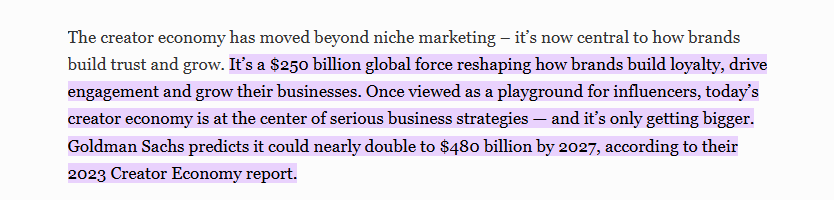
But it often picks up slowly, and small creators who have just started may earn $100 per month. Top creators can reach more than $50,000 monthly.
A single viral video can change your entire life, but you need to start.
What I loved vs. What I didn’t like
15. Coding or app development
Personal rating: ⭐ ⭐ ⭐ ⭐ (4/5) | Easy/Difficult to start: Hard | Starting cost: $0–$200 | Tools needed: VS Code, GitHub, Replit, Bubble.io | Estimated monthly revenue: $1,000–$20,000+
It would be impossible to make a list of profitable hobbies and leave out coding and app development. Why? It is one of the most in-demand hobbies in today’s digital space.
People are always looking for developers to build websites, mobile apps, games, and automation tools.
And nowadays, you can let ChatGPT code for you. Yes, with ChatGPT alone, you can learn to code and build apps.
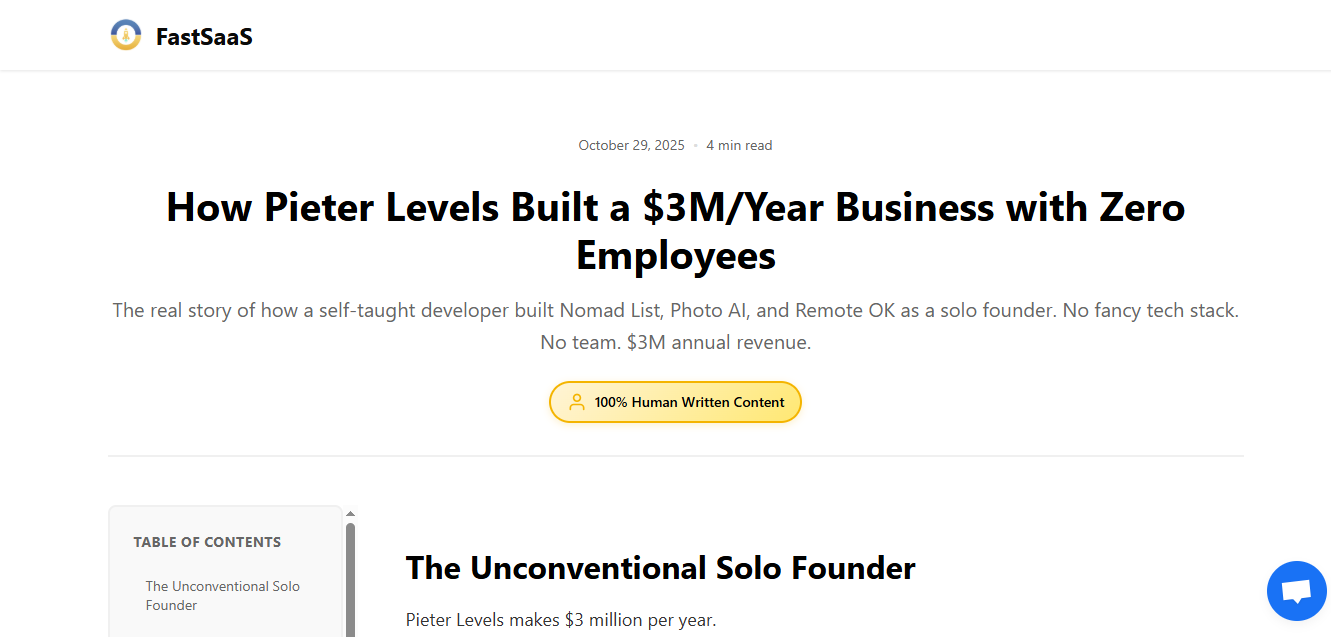
Pieter Levels, the solo creator behind Nomad List and Remote OK, taught himself coding and built small web apps. Those projects now earn him millions per year.
How do you start?
To make coding a profitable hobby, decide if you want to build apps, websites, automation tools, or games.
This determines which language to learn.
- Web development: HTML, CSS, JavaScript, React
- Mobile apps: Flutter, Swift, Kotlin
- Games: Unity, Unreal Engine
- Automation: Python
Start with resources like freeCodeCamp, W3Schools, or YouTube tutorials. They’re free.
You can also use ChatGPT to explain code, debug, or build small projects faster.
As you learn, build. This way, you can identify both your strengths and weaknesses. So create a simple to-do app, build a website, or even a basic calculator.
To monetize your hobby, you can try the following:
- Offer web/app development services on Fiverr, Upwork, or Toptal.
- Launch a paid app or SaaS. Add a pricing plan, checkout page, and start marketing.
- Create coding courses or e-books: Teach others what you’ve learned.
How much can you make per month?
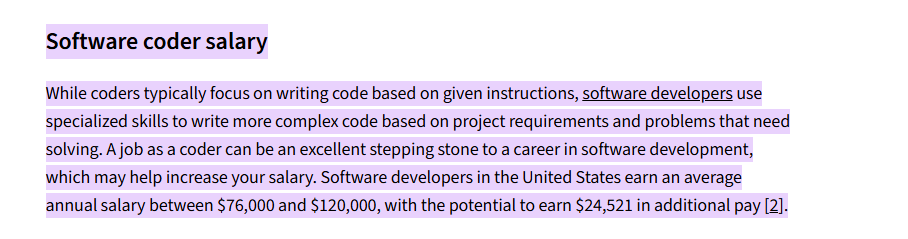
Coding can be an extremely profitable hobby. Coursera reports different salaries for coders.
The annual salary of software coders ranges between $76,000 and $120,000. That is between $6,000 and $10,000 per month.
If you’re a beginner working on small projects or freelancing, you can earn about $500 to $2,000 a month.
If you become an app creator or SaaS developer, expect to be making more than $10,000 a month
What I loved vs. What I didn’t like
How to choose the right profitable hobby
Even if a hobby makes thousands of dollars, it won’t make you a dime if you don’t enjoy it. It needs to fit you.
The right profitable hobby should:
- Align with your skills and interests
- Analyze trends and demand
- Research cost and profit potential
- Review the time commitment required
Let’s take them one after the other and gain a deeper understanding of each.
1. Align with your skills and interests
Simply reading how much you can earn from some of the profitable hobbies might make you want to choose one just for the amount of money you can make from it.
But that’s not the best idea.
Doing something you like means you’ll keep going when things get tough.
And you don’t have to think too much. Suppose you enjoy cooking or trying out new recipes.
It’s very easy to turn that into content. You could film cooking videos on your phone and upload them to TikTok or YouTube, even without showing your face.
You can later repurpose your recipes into an e-book and sell it on Easytools.
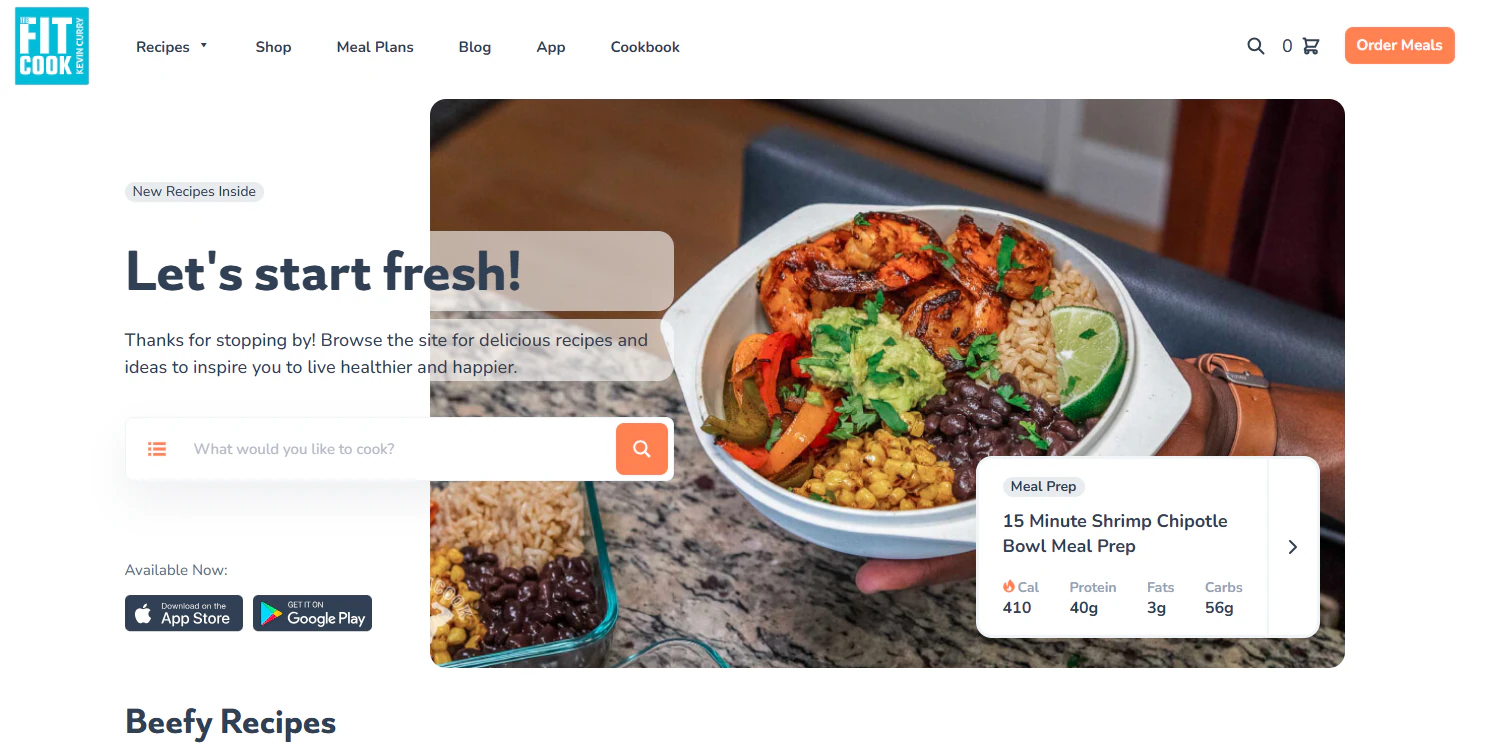
FitMenCook started this way. Just a guy sharing easy recipes. Then it turned into a profitable hobby for him. Now he is making thousands each month in brand deals and selling his cookbooks.
Maybe you enjoy helping others learn. If so, online courses could be how you start your own profitable hobby.
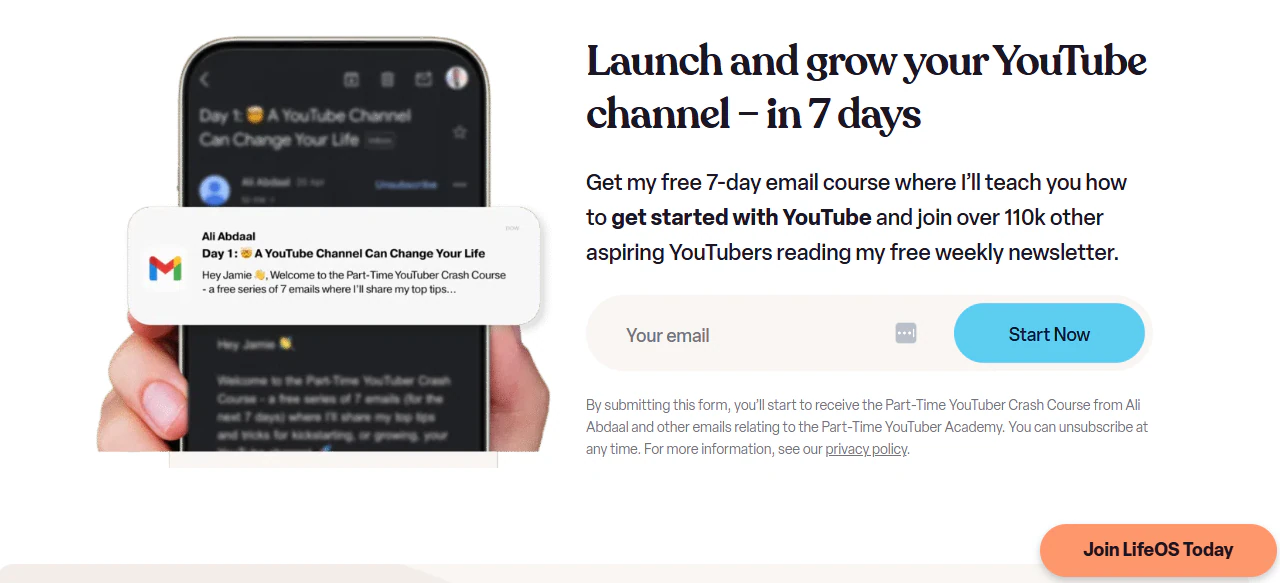
Popular content creator Ali Abdaal began sharing study tips on YouTube while in medical school.
He monetized what he was already doing and has become very rich out of it. He also sells e-books and courses, which supplement his income.
The lesson here? You don’t need to chase trends. Start with your current interests and go from there.
Ask yourself:
- What comes easily to me that others find difficult?
- What topics or skills do people ask me for help with?
- What hobbies would I still do even if no one paid me?
Your answers to this will help you find your ideal profitable hobby
2. Analyze trends and demand
No matter how fun your leisure activity is, I wrote this article for you to see how you can turn it into a profitable hobby.
So you don’t just pick up basket weaving and hope for the best. You need to go where the money is.
Yes, I said don’t chase trends, but I didn’t say don’t analyze them.
And you don’t need to be a market researcher to do this. You just have to know what people are paying attention to.
Let me show you how to do this.
You’re going to start by picking 3 to 5 of the profitable hobbies mentioned here that you’re very interested in.
Then go to Google Trends and type in your profitable hobby idea.
For example, if I search for content creation, I’ll see that there is a rising interest with about 160% interest in the topic of “How to become a digital creator.”
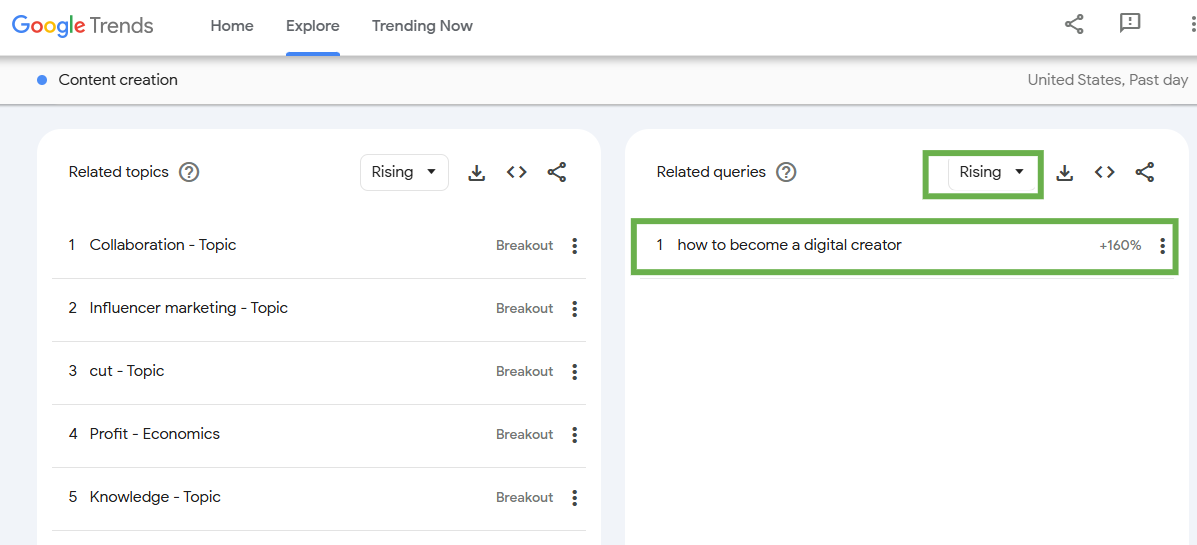
This means it’s a growing market. People are paying attention to it; therefore, money is there. You might want to consider it as one of your profitable hobbies.
Next, go to YouTube and type your hobby idea into the search box. If you see channels with hundreds of thousands of views on similar topics, that’s a good sign.
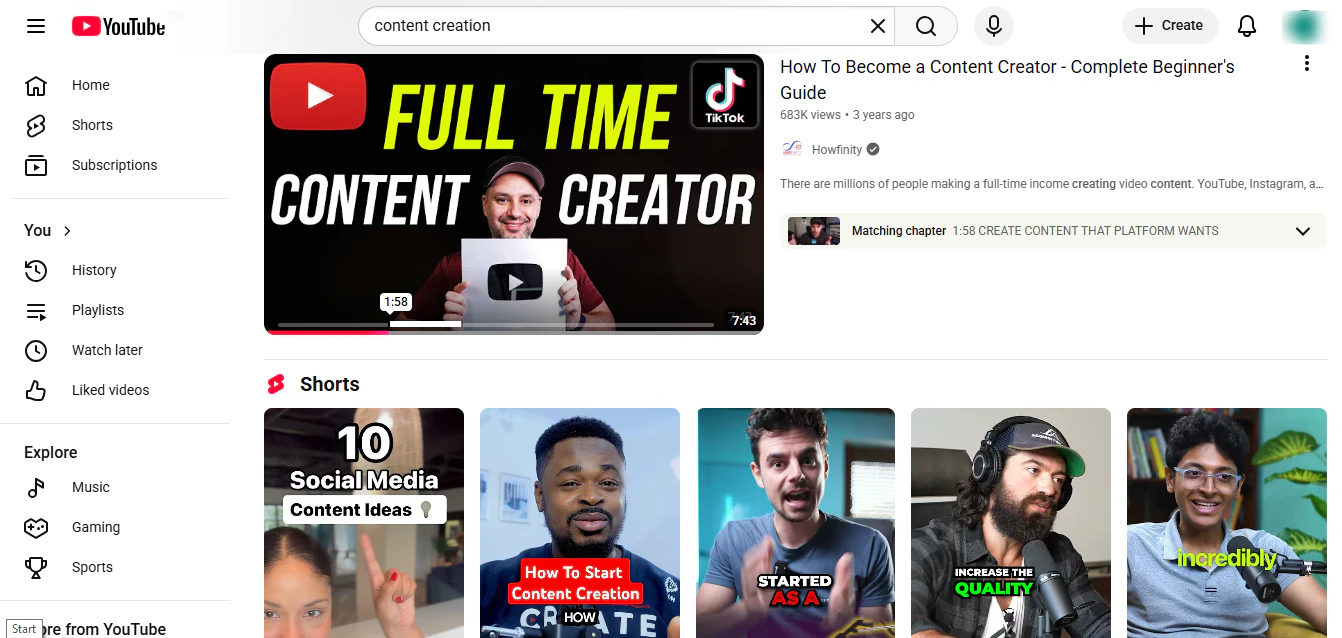
You can also check Reddit to see what people talk about often. There are so many ways you can analyze trends and follow them.
So I hope the tip I’ve given you is clear, but in case it’s not, all I’m saying is start with a profitable hobby that already has a hungry audience.
3. Research cost and profit potential
I don’t know your budget, but I would hate for you to jump into any profitable hobby blindly, spend hundreds on equipment, and then realize you could have started small or done something cheaper.
To show you how to do that in practice, I’m going to break it down simply.
When you look at a potential profitable hobby, ask yourself these questions:
-
What’s the minimum I need to start?
-
What will my ongoing costs be?
-
What’s the realistic earning potential?
-
Am I overlooking any hidden costs?
Let’s use online tutoring as an example.
What’s the minimum I need to start?
With Easytools, you can set up an online course for as little as$59. You also need a laptop, a free recording tool like Zoom, and Canva for your slides.
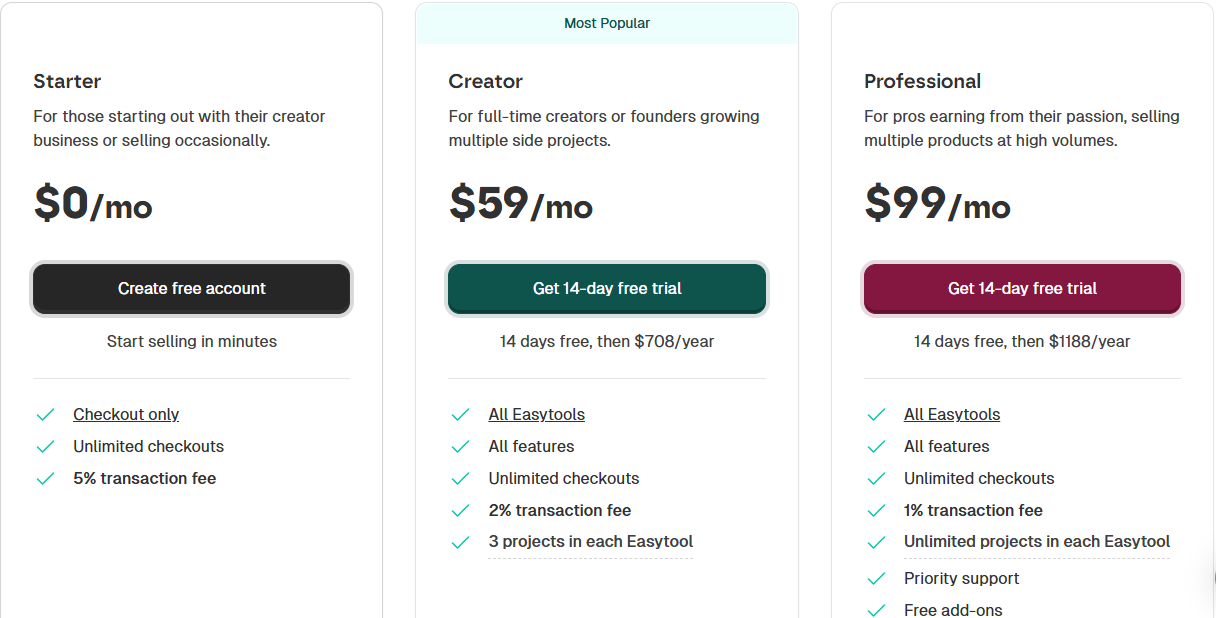
What will my ongoing costs be?
Your main recurring costs might be internet data, presentation materials, and perhaps a small subscription to Easytools or Canva Pro. In total, this could range between $100–$300 per month.
What’s the realistic earning potential for this profitable hobby?
As I mentioned earlier, online tutors earn between $18–$50 per hour. If you tutor 10 students for just 5 hours a week at $25/hour, that’s about $5,000 per month.
Am I overlooking any hidden costs with this profitable hobby?
Yes, marketing. Consider, if nobody knows you and you set up the most detailed and interesting online course, will anyone purchase it?
The answer is certainly no.
Hence, the hidden cost here will be the price of marketing your course so many times before you make a single sale.
If you consider such a hidden cost, you may even want to give up on pursuing this profitable hobby.
Don’t worry, though. I have a tip for you.
Before you launch a course, find the niche you want to get into. Then, start building your social media following in that niche.
This way, when you are ready to sell your course, you can be sure that your followers will buy it with no extra marketing costs.
If you go through these four questions and analyze them carefully before you invest in any hobby, you’re less likely to throw your money away on an unprofitable venture.
4. Review time commitment required
Finally, to choose the right profitable hobby, you should review the time and commitment it takes to see good results.
I’ve seen people get excited about a potentially profitable hobby, go all in for two weeks, and then burn out when the results don’t come fast enough.
This happens because they didn’t realize how much time it would take. You need to set realistic expectations about how long your profitable hobby takes.
Here are some averages that you can use as a guide.
- Writing and blogging - 5–10 hours weekly.
- YouTube or podcasting - 15–25 hours weekly.
- Online courses - Heavy upfront work, light later.
- Crafting or handmade goods - Depends on your production speed, maybe 1–3 hours per product.
So before you start, ask yourself honestly:
“Can I stay consistent with this for the next three months, even if I make nothing?”
Let me share the case study of Emma.
Emma, a marketing executive, turned her small lifestyle blog into a steady $3,000-per-month income stream within two years by consistently posting valuable content.
It took her two years of consistency to start earning a good amount of money per month.
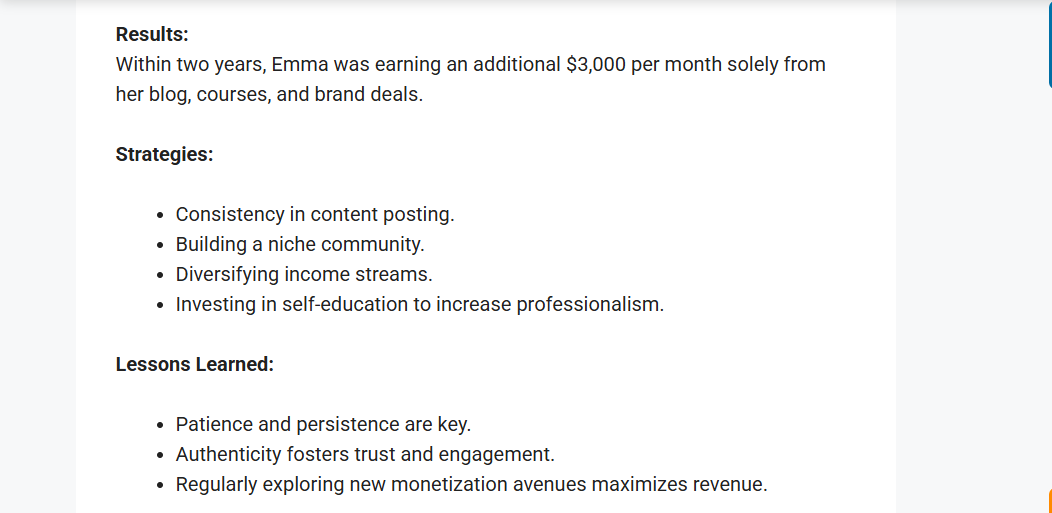
Her story proves that consistency and publishing regularly lead to positive results.
Choose the right profitable hobby
In this post, I have explored 15 different profitable hobbies. I hope I’ve helped you find something that matches your skills and interests.
Together, we’ve seen how people have turned their pastimes into seven-figure businesses.
So try different things and commit to the profitable hobbies that feels right to you. The best profitable hobby will grow with you, both creatively and financially.