
Blog
Top 50 profitable online business ideas in 2026! With real examples
Profitable online business ideas: A. Digital products 1. Sell e-books and guides 2. Create and sell Notion templates …

Are you searching for online business ideas to make extra income in 2026? To reach financial independence, or simply replace your current income stream?
Well, here’s the good news: making money online has never been easier.
With six billion internet users worldwide, which is about 74% of the global population, the opportunities to generate income are endless.

People are buying digital products, learning, and working online. This creates a huge demand for online businesses.
To help you, I put together 50 profitable online business ideas that are relevant today.
I know the right idea can put you on the right path. So if you are ready to take the next step and explore these opportunities, let’s get started.
TL;DR
-
An online business operates primarily on the internet. Online businesses sell products, services, or content digitally.
-
Profitable online business ideas fall into categories, like:
- 1. Digital products
- 2. Agency and freelance services
- 3. E-commerce
- 4. Content and media
- 5. SaaS, apps, and tech-based
-
You can choose the right profitable online business idea by:
- 1. Identifying your skills
- 2. Solving a specific problem
- 3. Checking market demand
- 4. Considering scalability and automation
50 profitable online business ideas
A. Digital product business ideas
1. Sell e-books and guides
Selling e-books and guides means creating digital content such as PDFs, helpful guides, tutorials, or books, and selling them online to generate passive income.
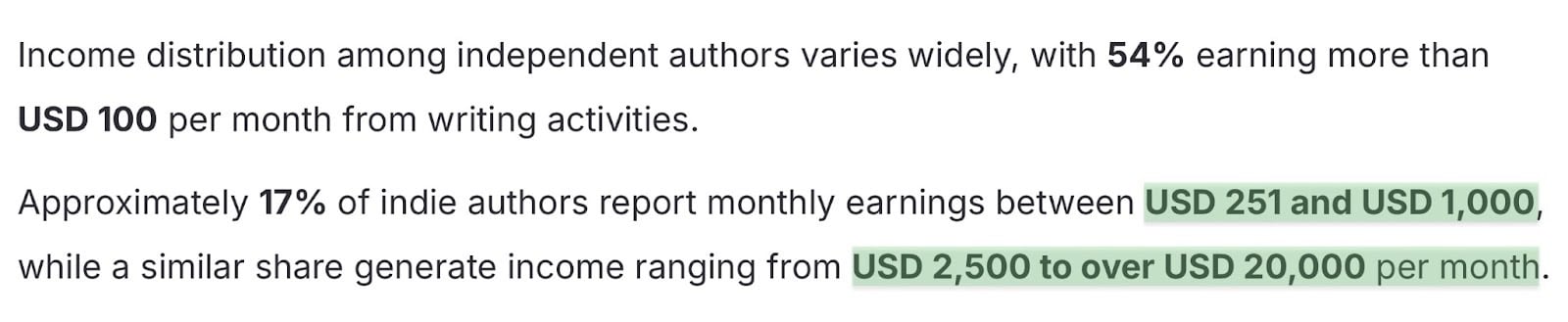
The global e-book market is currently worth about $59.2 billion. It’s possible to make between $251 and $1,000 per month selling e-books.
Other authors have made $2,500 to $20,000 per month.
Take Aleksandra, for example. She sells an e-book bundle titled “Package of e-books: 248 recipes with low-carb inspirations” for about $24.58 (87 PLN) through Easytools.
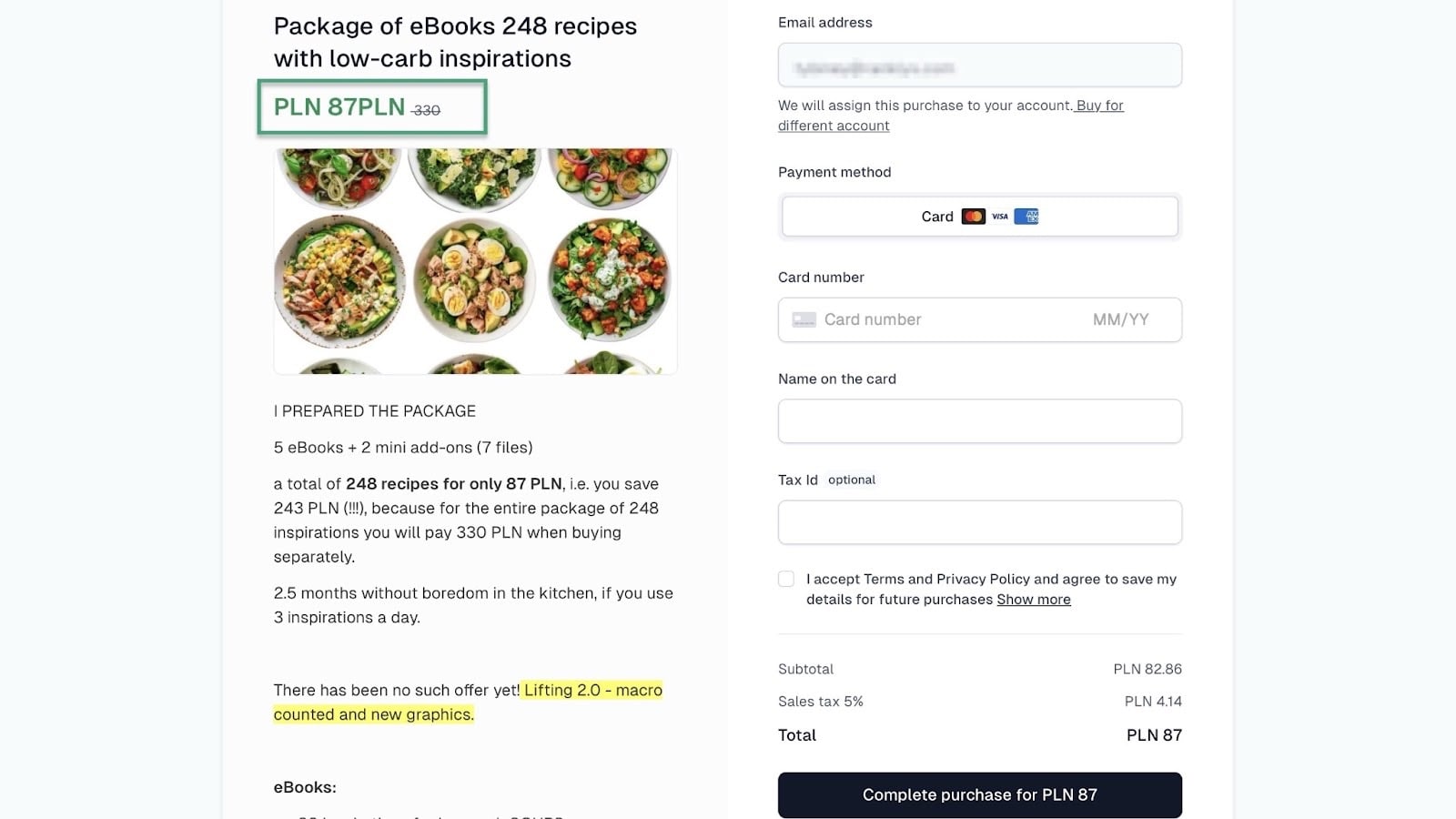
When I interviewed her, she told me that in August 2025 alone, she made over $30,000 selling her e-book.
-
What you need to start: A laptop, writing software like Google Docs, Microsoft Word, Pages, or Notion. Writing skills, editing tools like Grammarly, Hemingway Editor, and self-publishing platforms
-
How much it costs: Can cost as low as $0 and go up to $5,500+, depending on the setup.
-
How much you can earn: $100–$82,000+ per year on average, depending on the niche and promotion.
-
Time to first revenue: Can be 24 to 72 hours after launch if you have an existing audience. Without an audience, it may take 90 days or more to reach your first $100.
-
Main growth and marketing channels: Affiliate program, SEO, email list, blogs, Pinterest, Instagram
-
How to start: Choose a topic that solves a specific problem, write clearly, and edit. Then design a simple cover on Canva or Nano Banana.
After that, upload to Easytools to sell through a simple checkout and storefront. Promote it to your audience.
2. Create and sell Notion templates
Another profitable online business idea is building custom Notion templates. These are digital layouts for tasks like planning, budgeting, and tracking habits.
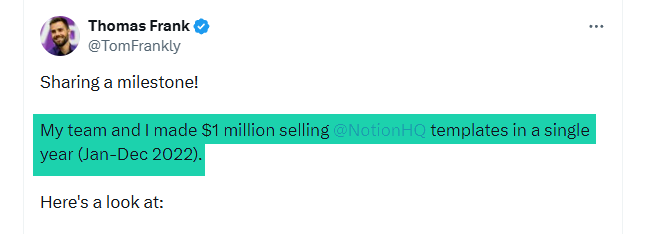
It saves people time, and in business, anything that saves time is worth paying for. Thomas Frank understood it and capitalized on the business opportunity.
He made $1 million selling Notion templates from January 2022 to December 2022. One single year.
-
What you need to start: A laptop, Notion expertise, design sense, and a creator profile on Notion’s Marketplace.
-
How much it costs: $0–$100. You can use Notion’s free plan. Simply consider the marketplace’s fees, which vary by platform.
-
How much you can earn: $500–$5,000/month
-
Time to first revenue: 48 hours if you have an existing audience. 1–3 months for beginners.
-
Main growth and marketing channels: Instagram, X (formerly Twitter), TikTok, Discord, Reddit, Facebook, Pinterest, email list, YouTube tutorials
-
How to start: Pick a very useful niche, build the template in Notion, and export a shareable file. Share free templates to attract customers. Then set up a storefront or simple checkout on Easytools to sell it.
3. Sell memberships
Selling memberships involves charging customers a monthly or annual fee for access to exclusive content, resources, or a community.
It might be lessons, newsletters, tools, or support that those outside the community don’t get.
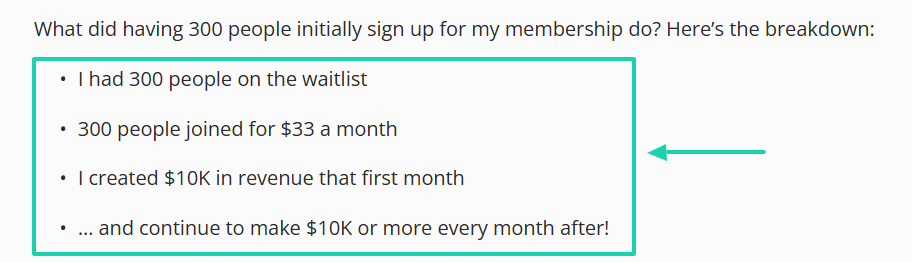
But the thing is, you make a predictable recurring income. Just like Gillian Perkins, who started a membership for people who want to start an online business.
She had about 300 members paying $33 per month, resulting in $10,000/month in just 6 months.
-
What you need to start: Community-building skills, membership platforms like Circle, Discord, and content people want.
-
How much it costs: $0-$200/year. Platform fees influence cost.
-
How much you can earn: $1,000–$10,000/month.
-
Time to first revenue: 1–3 months. Memberships and coaching communities may earn early, but take months to build recurring income
-
Main growth and marketing channels: TikTok, LinkedIn, Instagram, Facebook Groups, engagement building, Pinterest, YouTube, blogs with gated content, webinars, email marketing
-
How to start: Pick a specific audience and problem. Next, create members-only content or access.
Then, set up a paid membership platform using Circle and Discord. You can also use Easytools to sell memberships.
4. Sell online courses or mini courses
Sell online courses or mini courses by recording lessons or writing teaching material about a skill or topic. You can then deliver them via online platforms like Easytools, YouTube (unlisted videos with a payment link), Skillshare, Udemy, and more.
What you are selling is your expertise in a particular field.
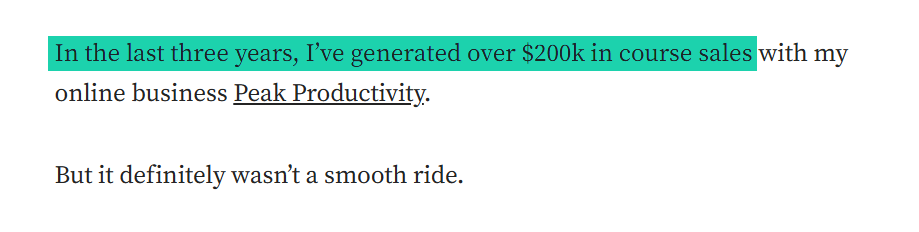
Jarri Roomer, for instance, has generated over $200k in the last three years by selling his online course, Peak Productivity.
-
What you need to start: Recording tools (camera, mic, or phone), expertise in a topic, and an online course platform like Easytools.
-
How much it costs: $0–$300/month, depending on the setup and platform fees.
-
How much you can earn:$500–$5,000+/month
-
Time to first revenue: 1–7 days if you have an email list or social media following. 1–6 months if you’re getting started.
-
Main growth and marketing channels: Email list, YouTube, LinkedIn, Facebook Groups, Instagram, affiliates, webinars, email funnels
-
How to start: Pick a topic that people want to learn, research demand, and record lessons. Then, upload to Easytools and promote.
5. Offer 1-on-1 or group coaching sessions
Coaching is a vast world. But essentially, it’s about helping people, individually or in groups, achieve their goals. It could be fitness, business, or even life.
If you have knowledge that can help someone improve, this might be a good option for you. People love to pay for transformation.
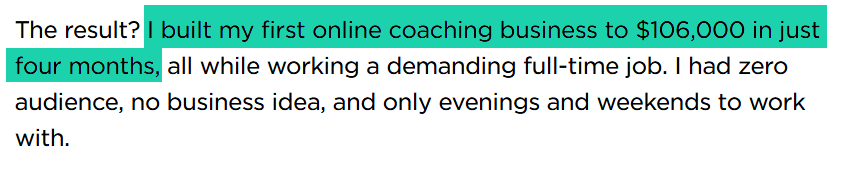
You can make money like Luisa Zhou, who made $106,000 from online coaching in four months.
-
What you need to start: Niche skill, Zoom, Zencal or Calendly for scheduling, Easytools for selling programs, and expertise in a specific topic.
-
How much it costs: $0–$100/month
-
How much you can earn: $500–$5,000/month
-
Time to first revenue: Weeks to months (once you find customers).
-
Main growth and marketing channels: Personal website, LinkedIn, YouTube Shorts, X, Facebook, TikTok, referrals, Instagram authority content, webinars
-
How to start: Choose your niche, audience, and the problem to solve. Then, define a coaching offer, set pricing, and sell coaching plans with Easytools.
Finally, book calls, promote, and collect testimonials after working with customers.
6. Sell Canva templates and design assets
People buy ready-made designs for their social posts, business cards, logos, websites, or planners. It saves them time and money.
You can generate extra cash by creating and selling Canva templates and design assets. That’s the case of Nishad Mubarak, who now makes over $2,000 selling Canva templates.

-
What you need to start: A laptop, a Canva Pro account, design skills, and Easytools for selling templates.
-
How much it costs: $0–$150/year
-
How much you can earn: $500–$3,000+/month
-
Time to first revenue: 1-2 months
-
Main growth and marketing channels: Facebook, Instagram reels, Pinterest, X, TikTok demos
-
How to start: Create templates on Canva, set up an online store on Easytools, set pricing, and promote.
7. Sell digital planners and journals
Another way to make extra cash is to sell digital planners and journals. They’re editable files, like PDFs, that help people plan, track habits, or organize their lives digitally.
I can assure you that it’s profitable. You can make as much as Savan Vyas did.
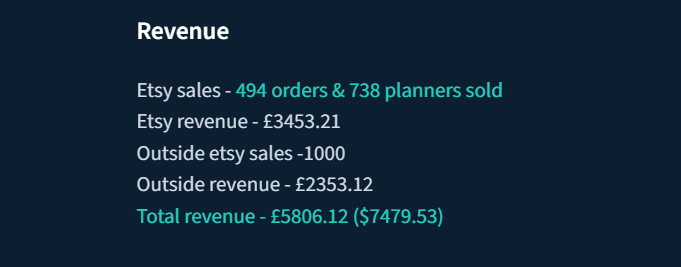
While selling digital planners, he received about 494 orders and sold 738 planners. His total revenue was $ 7,479.53 over less than 10 months.
-
What you need to start: A laptop and design tools like Canva, Adobe, or GoodNote
-
How much it costs: $0–$100
-
How much you can earn: $1,000–$4,000/month
-
Time to first revenue: 1–3 weeks
-
Main growth and marketing channels: Pinterest, influencer collaborations, Instagram, blog SEO, Facebook Groups, TikTok, YouTube walkthroughs
-
How to start: Design planner pages with Canva, export files, and create an online store on Easytools. Then upload your files, set pricing, optimize your listings for SEO, and promote.
8. Sell checklists and cheat sheets
Checklists and cheat sheets are quick-reference tools that help people complete tasks faster and without errors.
For instance, when Justin Welch realized his LinkedIn posts were performing extremely well, he collected the exact posts and organized them into a downloadable swipe file.
His cheat sheet got him about $7,500 in sales, more than he expected.

-
What you need to start: A laptop, content knowledge, a PDF editor, and design tools
-
How much it costs: $0–$50
-
How much you can earn: $500–$2,000/month
-
Time to first revenue: 2–6 weeks
-
Main growth and marketing channels: Lead magnets, email list, Pinterest, blogs, X threads
-
How to start: Research people’s needs, pick helpful topics (packing, fitness, budgeting), and design the checklists/PDFs. After that, upload to Easytools, set the pricing, optimize titles/tags, and promote.
9. Sell workbooks and study guides
You can sell workbooks and study guides to help learners practice particular skills. They are structured materials, usually in PDFs that buyers can print or use digitally.
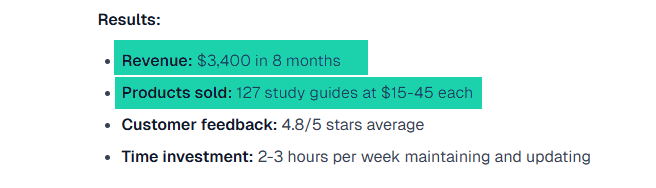
This reminds me of Sarah Kim, who sold 127 study guides at $15-45 each and made $3,400 in 8 months.
-
What you need to start: Teaching skills, design tools, a PDF editor, and subject knowledge.
-
How much it costs: $0–$100
-
How much you can earn: $500–$3,000/month
-
Time to first revenue: 1–3 months.
-
Main growth and marketing channels: online learning communities, Pinterest, Instagram
-
How to start: Choose a topic students want help with, craft an outline, and create pages with practice exercises. Then export them as PDFs, upload them to Easytools, and promote them in study groups.
10. Sell AI prompt packs
Many people use tools like ChatGPT today, which is why there is demand for AI prompts.
Buyers use those prompts to improve their writing, design, or productivity. So, selling ready-to-use AI prompt packs today will definitely bring in profits.
A creator named Randy Liu sells AI prompt packs, and it generates $60 to $80 per day consistently.

-
What you need to start: Laptop and access to AI tools(ChatGPT)
-
How much it costs: $0-$100
-
How much you can earn: $500–$5,000/month
-
Time to first revenue: 1–2 months.
-
Main growth and marketing channels: X, niche forums, LinkedIn, email list, YouTube demos
-
How to start: Research tasks people need help with, write and test prompts. Then bundle them and upload them to Easytools with strong descriptions and examples.
Sell them to niche users/customers.
B. Agency and freelance services business ideas
11. Freelance blog writing
If you have writing skills, this online business idea may be for you. As a freelance writer, you create blog posts for businesses, websites, or individuals on a contract or project basis.
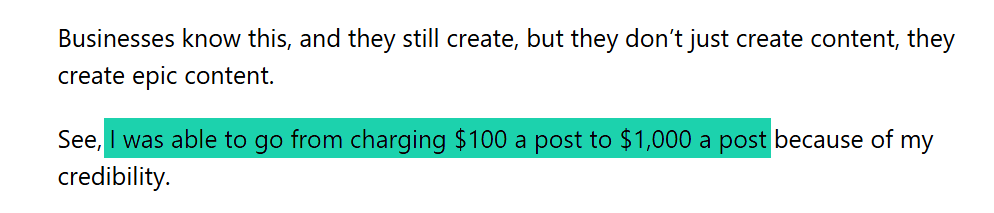
The freelance writer Elna Cain would tell you how scalable this business can be. She was able to charge from $100 a post to $1,000 a post.
-
What you need to start: Writing skills and a portfolio.
-
How much it costs: $0–$100
-
How much you can earn: $2,000–$10,000/month
-
Time to first revenue: 1–4 weeks
-
Main growth and marketing channels: LinkedIn, Upwork, cold email/outreach, X
-
How to start: Create writing samples, post regularly on social platforms(LinkedIn), and pitch customers or businesses that publish blogs.
12. Social media writing
Another profitable online business idea for writers is social media writing. You write captions, threads, and brands on platforms like Instagram, X, or LinkedIn.
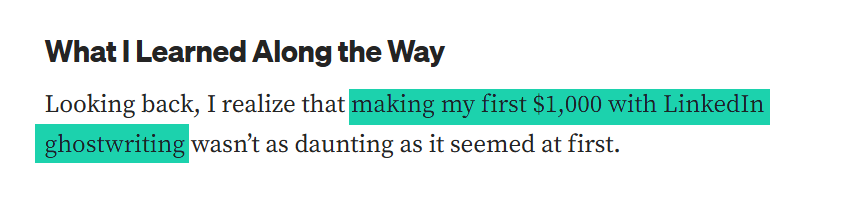
Sneha Tyagi is a good example in this business. As a ghostwriter, she made her first $1,000 with LinkedIn ghostwriting.
-
What you need to start: Copywriting skills, platform knowledge.
-
How much it costs: $0–$50
-
How much you can earn: $500–$10.000+/month
-
Time to first revenue: 2–4 weeks
-
Main growth and marketing channels: LinkedIn, X (formerly Twitter), personal brand, Instagram portfolio, cold DMs
-
How to start: Pick a niche, write content in your own profile, show results, offer content packages, and pitch brands.
13. SEO agency
An SEO agency is a team of digital marketing experts that helps businesses improve their website’s visibility, rankings, and organic traffic on search engines like Google.
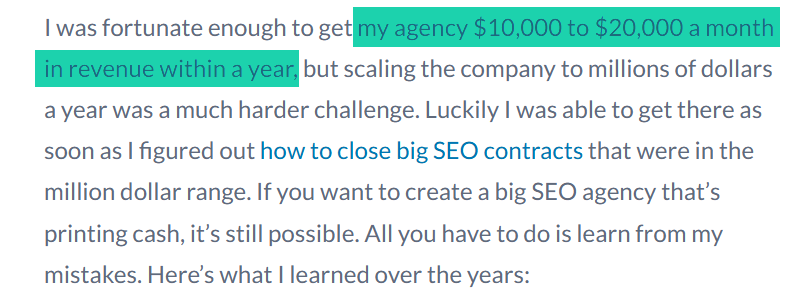
When Neil Patel started his first SEO agency, he made about $10,000 to $20,000 in monthly revenue within a year.
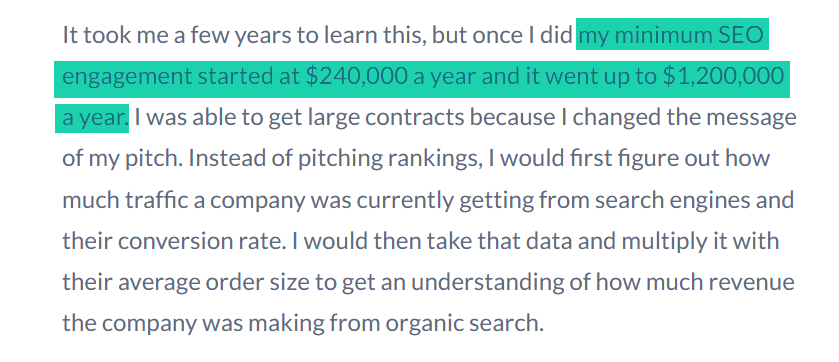
As he gained experience over the years, he started making from $240,000 to $1,200,000 a year
-
What you need to start: SEO knowledge, SEO tools
-
How much it costs: $100–$300+/month for tools.
-
How much you can earn: $500–$5,000+/month
-
Time to first revenue: 1–3 months.
-
Main growth and marketing channels: Google search, SEO content marketing, LinkedIn, case studies, cold outreach
-
How to start: Learn SEO basics, build case studies, offer free audits, and convert audits into paid customers.
14. Business AI automation agency
A business AI automation agency builds AI automations to help businesses handle repetitive tasks.
So automations like chatbots, lead systems, and workflow automations using tools like Zapier or ChatGPT.
These systems help businesses save time and money by automating lead capture. And you can build a business AI automation agency regardless of your background.
Like Nate Herkelman. Even with a no-code background, he did exactly that. He now earns $300,000 per month through AI automation.
He also shares a full breakdown of how he does that in this YouTube video.
-
What you need to start: Zapier, Make, AI tools, and basic automation knowledge.
-
How much it costs: $0–$200 per month.
-
How much you can earn: $2,000–$15,000
-
Time to first revenue: 1–2 months.
-
Main growth and marketing channels: YouTube demos, webinars, LinkedIn, cold email
-
How to start: Learn simple automations with tools like Zapier and ChatGPT, build demos, and pitch businesses.
15. Website development agency
If you are proficient in coding and understand languages like HTML, CSS, and JavaScript, you can build a business around it. You can build and maintain websites and web applications.
It is really rewarding, especially when you know your stuff.
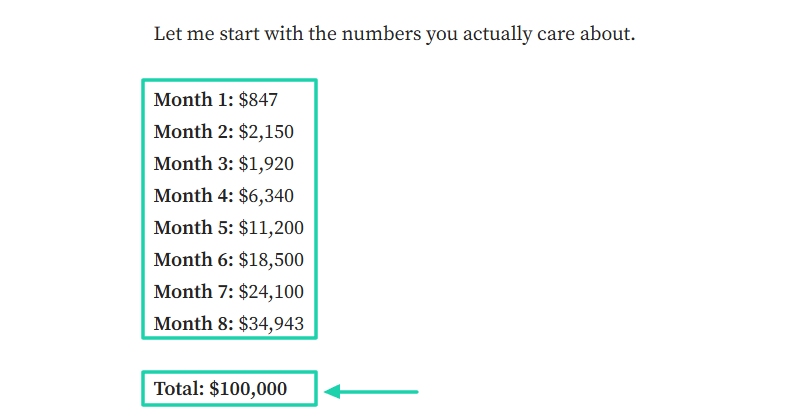
Writer and web developer, CodexLab, revealed how this online business idea earned him $100,000 in 8 months.
-
What you need to start: Coding/no-code skills, portfolio, web builder skills, and hosting.
-
How much it costs: $100–$1,000+/year
-
How much you can earn: $2,000–$15,000+
-
Time to first revenue: 1–2 months
-
Main growth and marketing channels: Cold outreach, referrals, LinkedIn, Upwork, SEO, portfolio sites
-
How to start: Build sample/demo sites, set clear pricing, and reach out to small businesses.
16. Social media management service
As a social media manager, you will manage business accounts on platforms like TikTok, Instagram, and Facebook. You will create posts, respond to comments, and grow the brand’s audience.
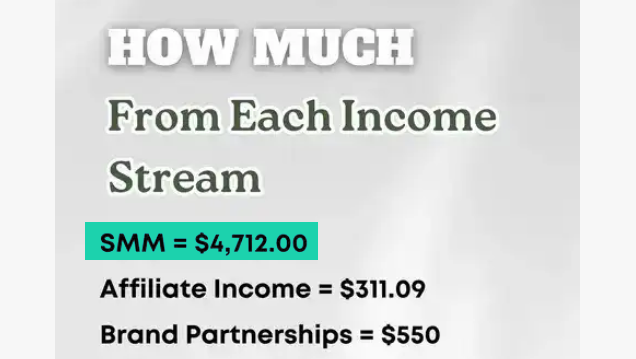
I came across Meag, a creator who made about $4,716 as a social media manager in one single month.
-
What you need to start: Buffer (SMM tool), tools for analytics, knowledge of social platforms, and content creation tools.
-
How much it costs: $150–$600
-
How much you can earn: $5,000+/month
-
Time to first revenue: 1–2 months.
-
Main growth and marketing channels: LinkedIn, direct outreach, referrals, Instagram
-
How to start: Learn posting best practices, build sample posts, create packages, and offer services to small businesses.
17. Online marketing consulting
Becoming an online marketing consultant means you help businesses plan and improve their marketing. That could include audience growth, promotional planning, or advertising strategies.
It’s a very scalable business model.
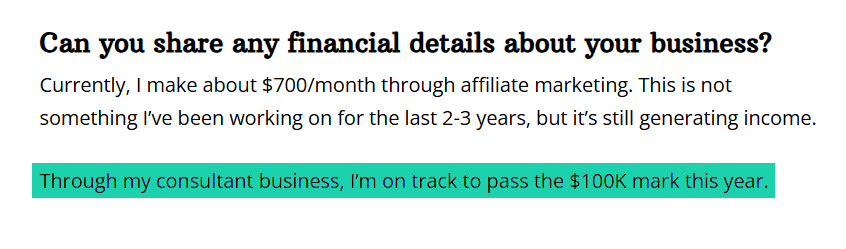
One example is Julie Berninger. She started an online marketing consulting business a few years ago.
It was very rewarding to hear that she was on track to surpass $100,000.
-
What you need to start: Specific niche, legal setup, strategy experience, and digital presence.
-
How much it costs: $0–$200
-
How much you can earn: $500–$5,000/month
-
Time to first revenue: 1–3 months.
-
Main growth and marketing channels: LinkedIn authority posts, webinars, referrals, personal website, email list
How to start: Build a portfolio of your results or training, set service packages, and pitch prospective customers.
18. Online bookkeeping services
This online business idea is a remote financial service. You are paid to manage a company’s financial records.
You are likely to use cloud-based accounting software and digital communication tools. It can be very interesting, especially if you already have some basic accounting knowledge.
By doing this, Jake Demi earned $22,718 in January 2026. He even added a full breakdown.
-
What you need to start: bookkeeping software like QuickBooks, certification, and accounting basics.
-
How much it costs: $10–$40/month (software and learning tools).
-
How much you can earn: $50,000–$90,000/year
-
Time to first revenue: 1–2 months.
-
Main growth and marketing channels: LinkedIn, Upwork, partnerships with accountants, referrals
-
How to start: Get basic bookkeeping training and certification. Then, set up customer management tools, list services, and start with small businesses.
19. Virtual assistant agency
With this online business idea, you provide remote support services to businesses and entrepreneurs.
Annalisa Abell, for example, built a virtual assistant agency that pulls in up to $20,000 in monthly revenue.

-
What you need to start: A computer and high-speed internet, organization tools, a professional website, and a basic legal setup.
-
How much it costs: $20–$50/month
-
How much you can earn: $1,000–$5,000/month
-
Time to first revenue: 1–2 months.
-
Main growth and marketing channels: Direct outreach, LinkedIn, referral programs, Facebook groups
-
How to start: Define your niche, create a professional website, and hire VAs. After that, register the business, create service packages, and pitch to businesses.
20. Email marketing agency
An email marketing agency designs, executes, and manages email campaigns to help businesses attract, retain, and convert customers.
They help businesses make money. So, they reap the same benefits.
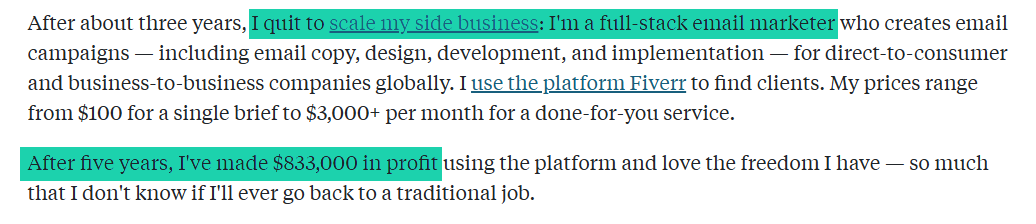
That’s why it’s no surprise that Harlan Rappaport quit his job to scale his side business: email marketing.
And guess what? After five years, he made $833,000 in profit.
He now has a team comprising a designer, a developer, and a project manager. The business is really moving forward.
-
What you need to start: A laptop, an email platform like Mailchimp or Klaviyo, and copywriting skills.
-
How much it costs: $0-$100/month for tools.
-
How much you can earn: $2,000–$10,000/month
-
Time to first revenue: 1–3 months.
-
Main growth and marketing channels: LinkedIn, SEO, cold email, case studies, X
-
How to start: Learn email strategy basics, use email platforms like Mailchimp, build sample sequences, and pitch your service to online brands.
C. E-commerce online business ideas
21. Print-on-demand
Print-on-demand (POD) is an e-commerce business where you sell custom-made products. These can include notebooks, t-shirts, and phone cases without requiring inventory.
You create the designs and list the products in an online store on Printify. When someone places an order, a provider prints and ships the item.
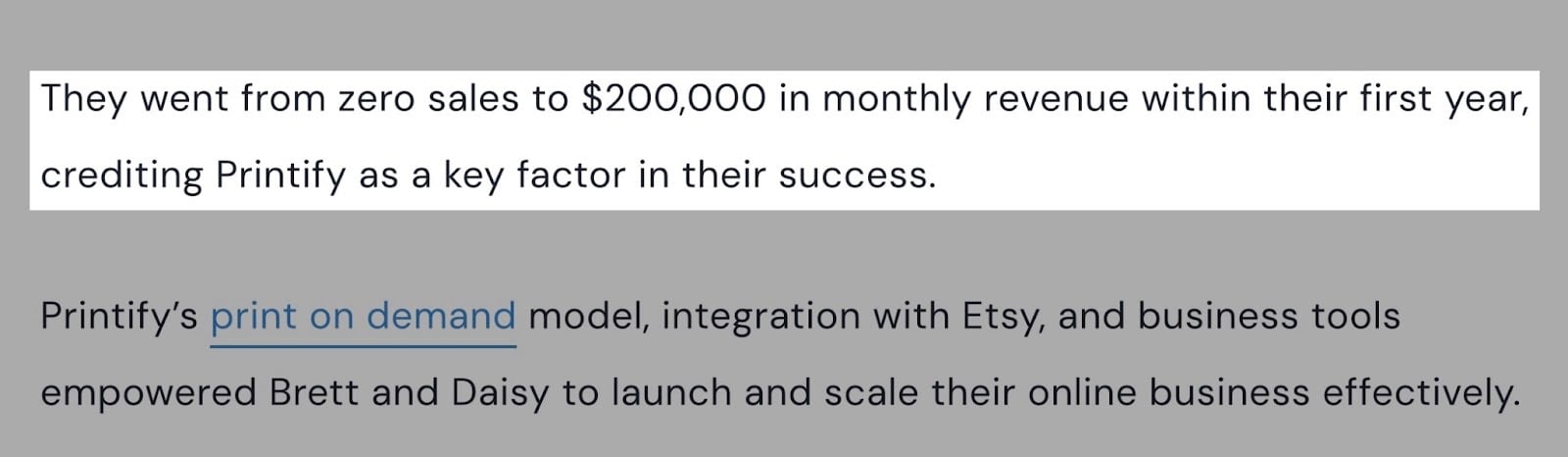
With the right model and tools, POD can be very profitable. Brett and Daisy, for example, made $200,000 in monthly revenue in their first year.
-
What you need to start: Designs, Printful/Printify, and a print-on-demand supplier
-
How much it costs: $0 - $100 (you only pay when a product sells)
-
How much you can earn: $1,000–$5,000/month
-
Time to first revenue: 1–4 weeks
-
Main growth and marketing channels: TikTok ads, Instagram influencers, Facebook ads, paid ads, Pinterest
-
How to start: Create simple designs, connect with a print supplier, list products, and promote them
22. Dropshipping
Dropshipping is an online business model in which you sell products you don’t physically stock.
For example, when a buyer places an order from your website, your supplier ships the item directly to them.
So, you act as the middleman, and your earnings come from the difference between your retail price and the supplier’s wholesale price.
This online business idea gained traction due to its ease of entry and relatively low upfront costs. But it can easily be a hit-or-miss if you’re not strategic enough.
Tze Hing Chan is a great example of someone who has been successful with dropshipping.
In 2020, he capitalized on the growing bubble tea trend by selling bubble tea plush toys. This was after his failed attempts at selling phone cases and kitchenware.
In just two months, he sold over 2,500 toys, earning him $19,000 in profit.

-
What you need to start: An online store, suppliers, and ads.
-
How much it costs: $500-$1,000 (store setup + ads)
-
How much you can earn: $1,000–$5,000/month
-
Time to first revenue: 1-2 months (depends on product research and ads)
-
Main growth and marketing channels: Paid ads, influencer marketing, TikTok ads, Facebook ads
-
How to start: Find trending products, build an online store, run ads, and optimize what sells.
23. Handmade products
Selling handmade products online is a great option if you make items like jewelry, candles, or home decor.
You handle the production, which typically means more work.
But on the plus side, you usually get to keep much higher profit margins compared to reselling someone else’s goods.
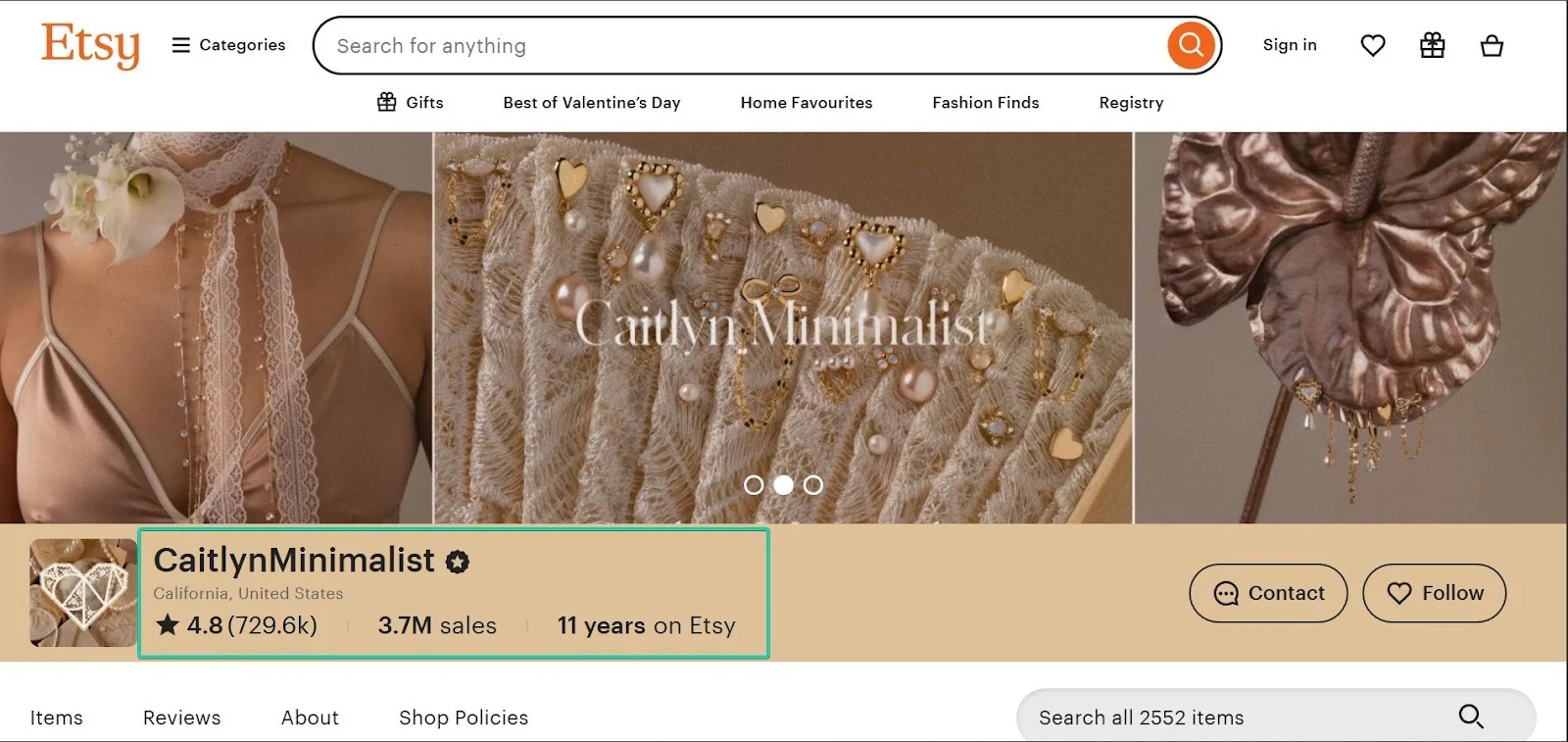
An example is Caitlyn Lau, the founder of CaitlynMinimalist on Etsy.
Her business has made over 3.7 million sales. With an average product cost of $30, her shop generates millions in annual revenue.
-
What you need to start: craft skills, materials, workspace, and shipping supplies
-
How much it costs: $100–$500, depending on materials
-
How much you can earn: $56,000+/year median
-
Time to first revenue: 2–4 weeks once products are listed and marketed
-
Main growth and marketing channels: Pinterest, craft communities, Instagram
-
How to start: Create your product, photograph it, list it online, create inventory, and promote consistently
24. Custom jewelry or accessories
A custom jewelry or accessories business focuses on creating personalized items like name necklaces, engraved bracelets, and birthstone rings.
Customers place their orders, share their details, and you either create or outsource the customized piece before shipping it.
The personalization is what makes this online business idea stand out.
Custom jewelry making can be very profitable. That’s because personalized products are typically priced higher and thought of as more valuable by buyers.
Statistics show that small to medium-sized online jewelry stores can earn between $40,000 - $70,000 annually.
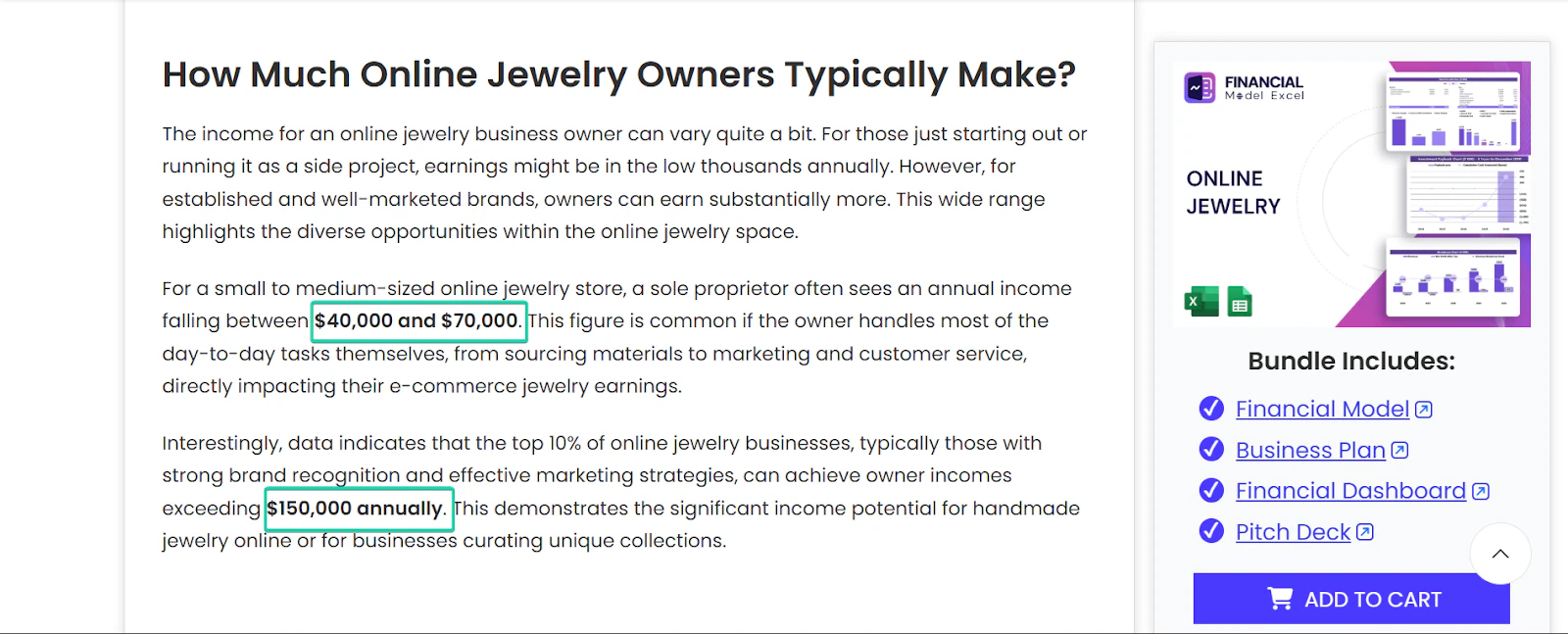
And you can earn up to $150,000 a year if you have strong brand recognition and use smart marketing strategies.
-
What you need to start: Design, a workstation, materials, and suppliers.
-
How much it costs: $200–$1,000 for materials and setup
-
How much you can earn: $1,000–$5,000/month
-
Time to first revenue: 1–3 months
-
Main growth and marketing channels: TikTok, Pinterest, influencer marketing, Instagram reels
-
How to start: Source parts, design a few options, brand, set clear order steps, and sell by promoting products.
25. Health and wellness products
Health and wellness products are supplements, natural skincare, essential oils, and other self-care items that help people feel better physically and mentally.
You can either create your own product formulas or curate a health and wellness marketplace.
Over time, you can become a trusted destination for shoppers seeking everything in one place.
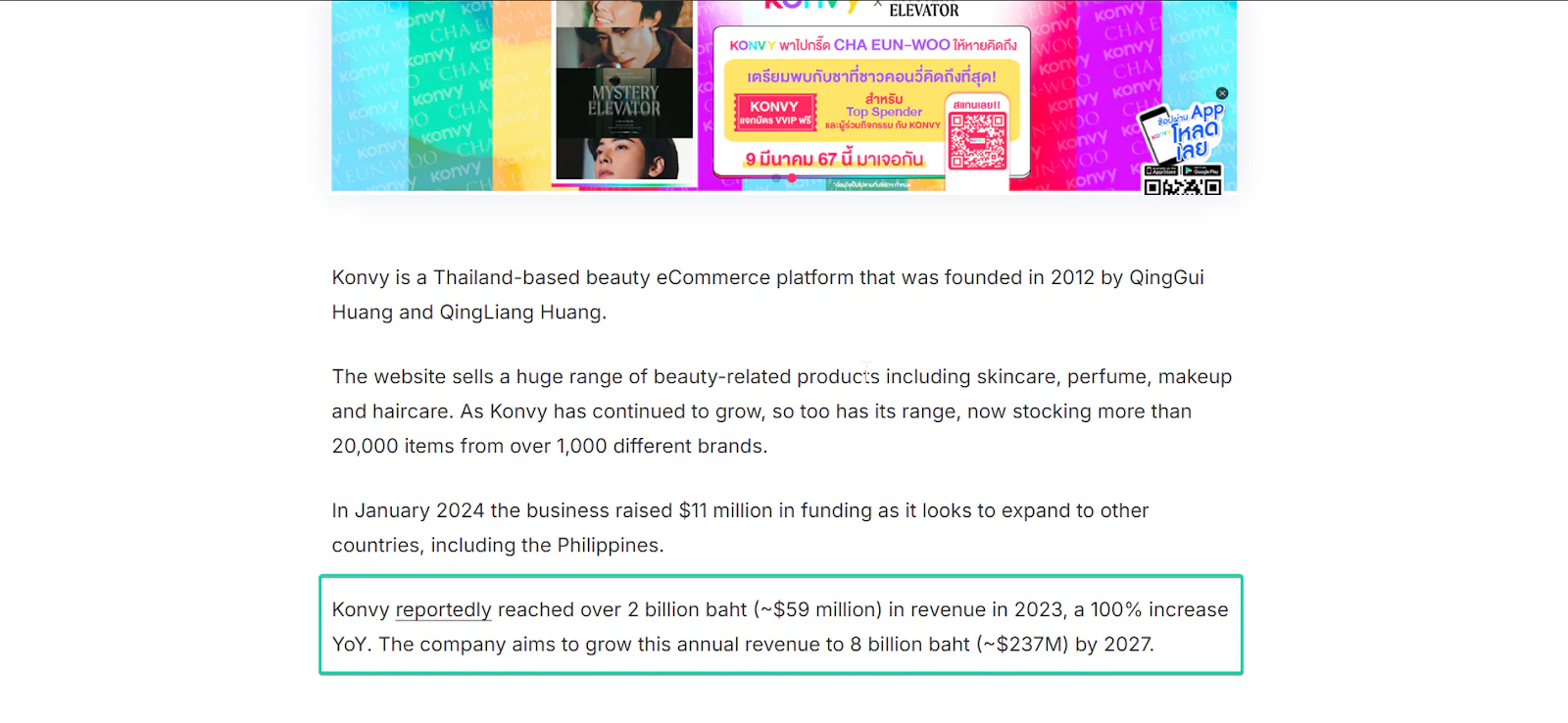
Konvy, a Thailand-based beauty platform founded by QingGui and QingLiang Huang, is a perfect example.
They started by curating a range of beauty products and have scaled to stocking over 20,000 items. In 2023, Konvy reached over $59 million in revenue.
-
What you need to start: Suppliers/manufacturers, branding, compliance knowledge, and certifications.
-
How much it costs: $500–$5,000, depending on product type
-
How much you can earn: $1,000–$10,000/month
-
Time to first revenue: 1–3 months
-
Main growth and marketing channels: SEO blog, content marketing, email, influencer partnerships, TikTok ads, Instagram
-
How to start: Research rules, choose a specific wellness problem, and source compliant products. Then build trust through content and market products.
26. Fitness equipment or home workout gear
The fitness trend isn’t going anywhere. This online business idea focuses on making fitness accessible by selling home workout gear.
Typically, these are products like yoga mats, dumbbells, foam rollers, and workout tools for people who prefer to exercise at home.
This online business idea is extremely profitable because fitness gear is always in demand.
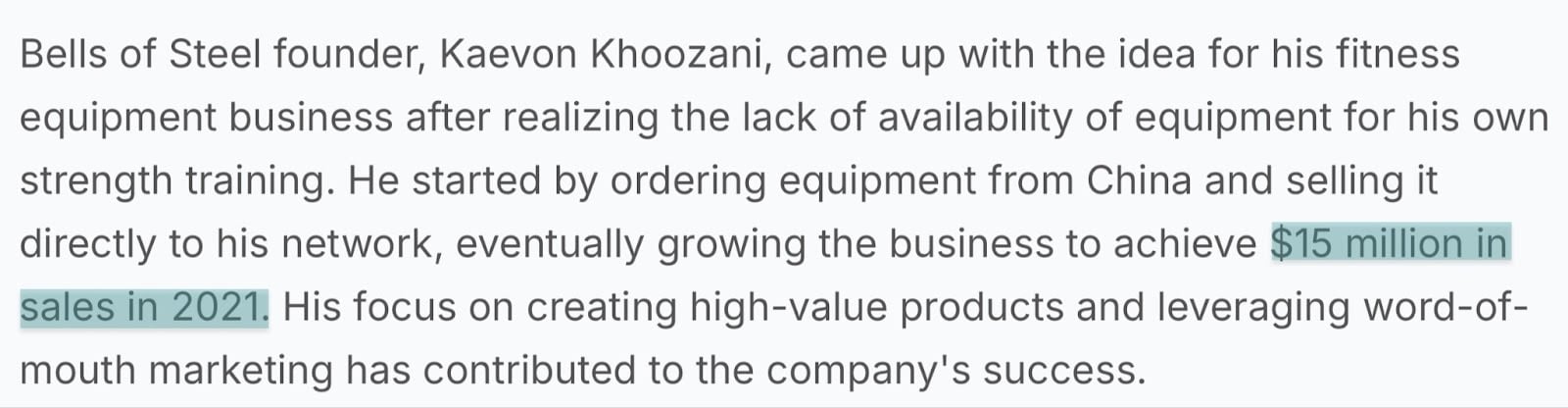
That explains why Bells of Steel, founded by Kaevon Khoozani, is a $15M+ fitness equipment brand.
-
What you need to start: Suppliers, product samples, and a storefront.
-
How much it costs: $1,000 - $5,000
-
How much you can earn: $2,000–$15,000/month
-
Time to first revenue: 3–6 months
-
Main growth and marketing channels: YouTube, fitness influencers, paid ads, TikTok
-
How to start: Pick problem-solving products, partner with suppliers, create demo content, and launch your store
27. Kitchen gadgets or home tools
Kitchen gadgets and home tools help people solve small, everyday problems. Think vegetable choppers, coffee makers, spice organizers, or smart cleaning tools.
It’s one of the many online business ideas that can be profitable because people love convenience.
And viral kitchen and home tool content on social media platforms like TikTok has also helped increase demand.
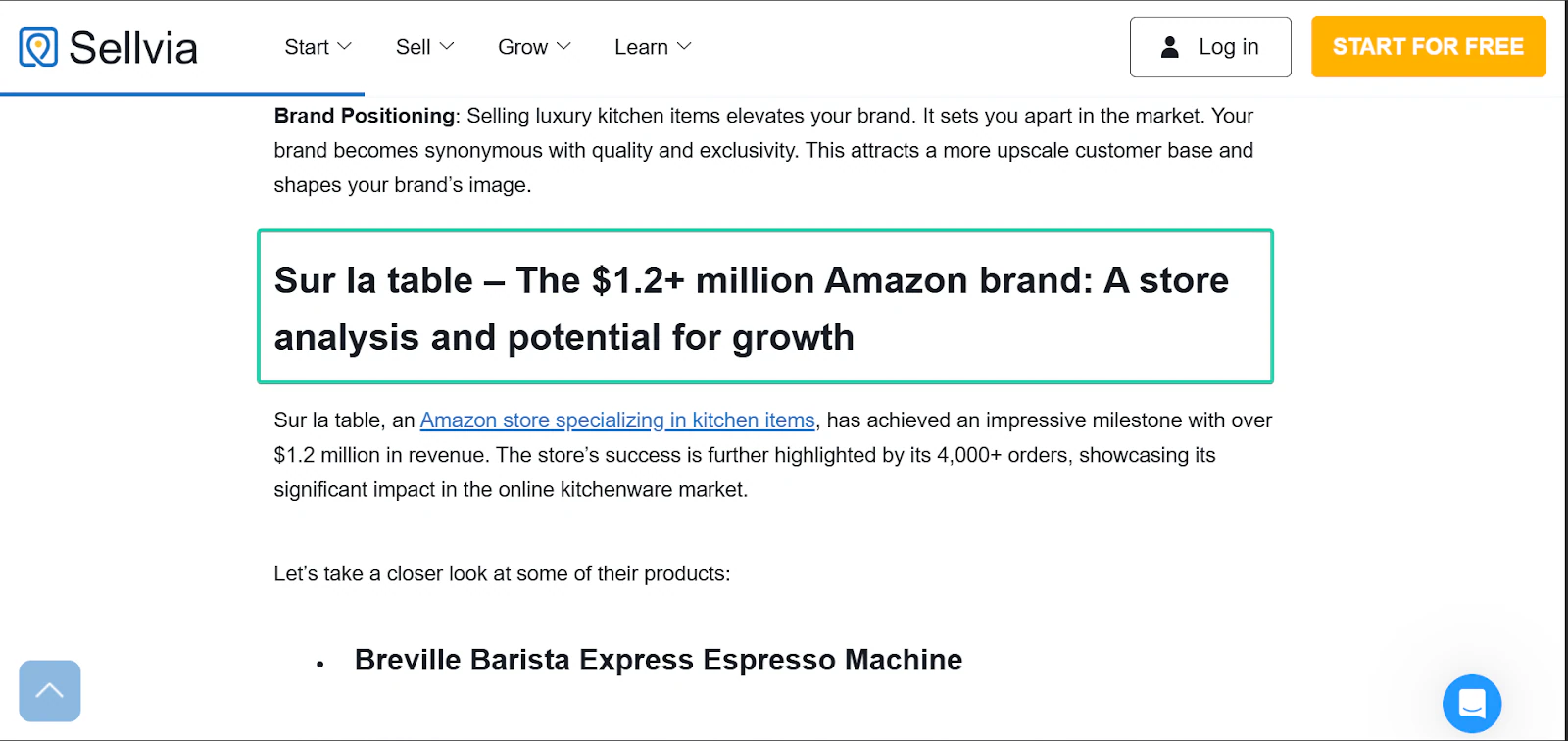
That’s why Sur la Table, an Amazon store that sells kitchen gadgets, has earned over $1.2 million in revenue with 4,000+ orders.
-
What you need to start: Product sourcing, suppliers, and an online storefront.
-
How much it costs: $500–$2,000
-
How much you can earn:$1,000–$5,000/month
-
Time to first revenue: 1–3 months
-
Main growth and marketing channels: Pinterest, paid ads, TikTok demos, Facebook ads
-
How to start: Find viral gadgets, take quality photos and videos. Optimize listings and test multiple products.
28. Eco-friendly products
Eco-friendly products are everyday items redesigned to be reusable or sustainable. These can be any item, from clothing to refillable cleaning bottles, or metal straws.
And sustainability has proven it’s not a fad. Many people actively seek modern brands that align with their values and stand by them.
Research even shows that customers are willing to pay between 15-30% more for sustainable products.
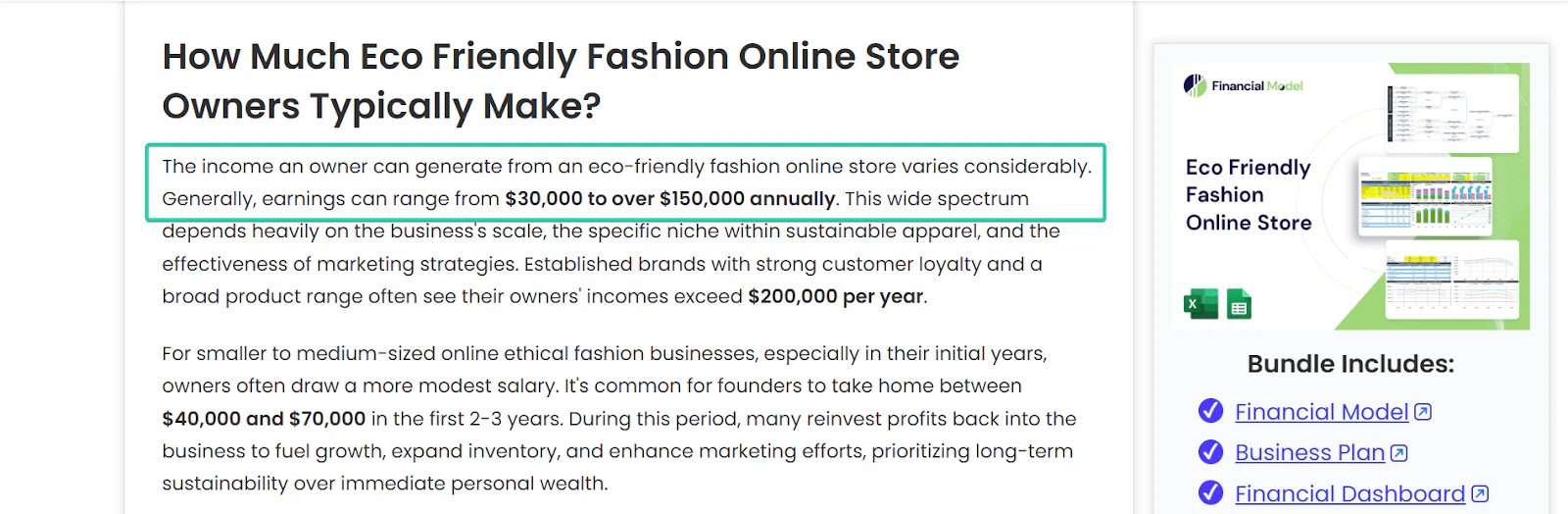
So, it makes sense that an average eco-friendly online fashion store can earn between $30,000 and $150,000 annually.
-
What you need to start: Ethical suppliers, sustainable sourcing.
-
How much it costs: $500–$1,000
-
How much you can earn: $1,000–$5,000/month
-
Time to first revenue: 2–4 months
-
Main growth and marketing channels: Instagram, Pinterest, influencer partnerships, email, Instagram, content marketing
-
How to start: Choose one sustainability problem, emphasize eco story, source responsibly, and sell.
29. Stationery and office supplies
Stationery and office supplies may seem basic, but people value beautiful, functional desk items.
These are planners, notebooks, to-do pads, pens, desk organizers, and other accessories that make daily office work feel more enjoyable.
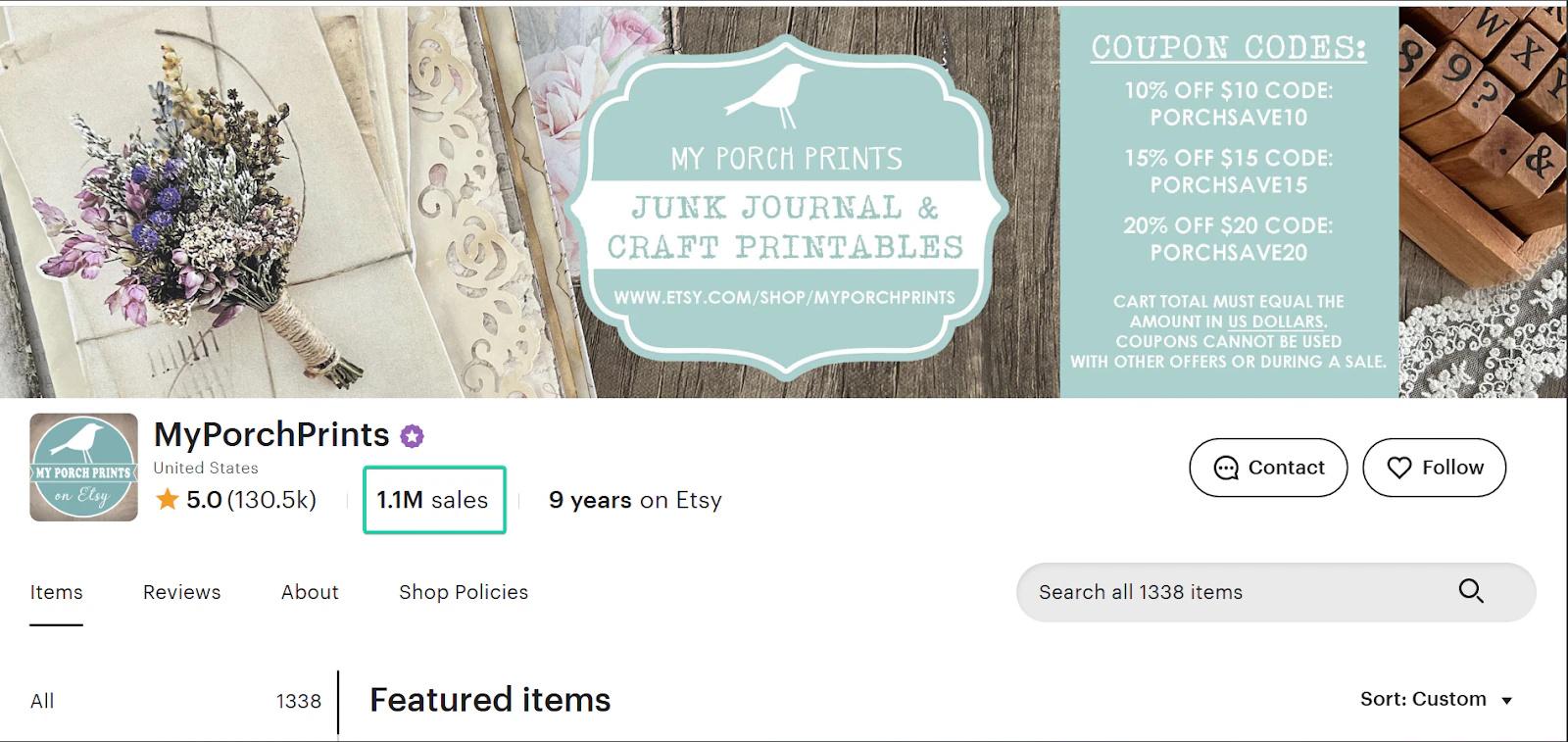
MyPorchPrints is a popular Etsy store that has gotten popular in the “Junk Journaling” niche. They sell digital and physical vintage-style journals, papers, and tags.
Over the last 9 years, they have made 1.1 million sales from 1,300+ products. That shows you how profitable this online business idea is.
-
What you need to start: A l design tool, designs or suppliers, and packaging materials.
-
How much it costs: $200–$1,000
-
How much you can earn: $500–$3,000/month
-
Time to first revenue: 1–2 months
-
Main growth and marketing channels: Pinterest, Instagram
-
How to start: Design or source items, list them online, and brand your store.
30. Pet products and accessories
People treat their pets like family and spend accordingly.
Pet products and accessories include collars, leashes, toys, beds, grooming tools, pet clothing, and pet supplements.
Addison Edmonds comes to mind when I think about this online business idea.
He realized that there was a niche for owners who wanted to take their dogs on adventures without worrying about their safety.
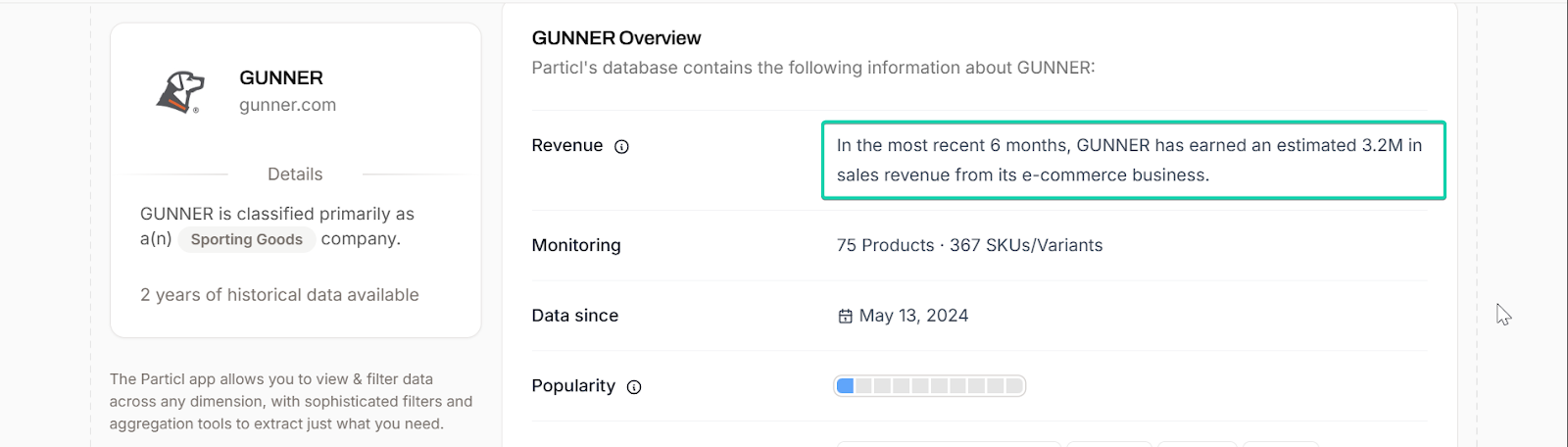
So he created heavy-duty crates called Gunner Kennels.
He then moved to Shopify and let customers use 3D modeling and augmented reality to visualize the crate. Now, the business has since earned $3.2 million in sales.
-
What you need to start: Pet niche research, pet product suppliers, and a storefront
-
How much it costs: $500–$2,000
-
How much you can earn: $1,000–$10,000/month
-
Time to first revenue: 2–4 months
-
Main growth and marketing channels: TikTok, Instagram reels, influencer marketing
-
How to start: Target a specific pet niche, source trending pet items, then list products, and sell
D. Content and media business ideas
31. Start a blog
Ever thought about turning your thoughts, opinions, or experiences into income?
That’s what a blog does.
You can write articles on any topic that people care about, and with time, that traffic can pay you back. Traffic refers to the number of visitors to your website over a given period.
Blogging isn’t new, but it’s still one of the best online business ideas for long-term passive revenue. That’s because your content keeps earning once you publish it.
Take political writer Matthew Yglesias, for instance.
In 2020, he started Slow Boring, a Substack publication where he shared his takes on politics. Within a few months, he had 9,800 subscribers.
In four years, he had doubled the subscriber base and was earning at least $1.4 million annually.

-
What you need to start: A laptop, WordPress, writing skills, a domain name, website hosting, and a content plan.
-
How much it costs: $50–$300/year for hosting and a domain, optional tool upgrades
-
How much you can earn: $50–$2,500/month
-
Time to first revenue: 3–6 months (depends on consistency and search engine optimization)
-
Main growth and marketing channels: SEO (Google), email marketing, Pinterest
-
How to start: Choose a niche you love, install a platform like WordPress, and write posts with value. Publish consistently, monetize your content, and promote your blog posts on social media platforms.
32. Launch and monetize a YouTube channel
Starting a YouTube channel means creating videos around any topic you care about. From travel to tech reviews and fitness tutorials.
Once you build an audience, the platform pays you through ads, sponsorships, and other revenue streams. How much you earn depends on the number of subscribers you gain over time.
For example, an average YouTube channel with 100,000 subscribers typically earns between $2,000 - $5,000 per month.
Take Jimmy Donaldson, popularly known as MrBeast, for example. With 460M+ YouTube subscribers, he earned $85 million in 2025.

-
What you need to start: A camera or phone, basic lighting, a microphone, editing software like Adobe Premiere Pro, DaVinci Resolve, Final Cut Pro, Adobe, or CapCut, and creativity.
-
How much it costs: $0–$500 initially (phone + free editing tools is enough)
-
How much you can earn: $500–$5,000/month
-
Time to first revenue: 1,000 subscribers + 4,000 watch hours for YouTube monetization (can take 3–12 months)
-
Main growth and marketing channels: YouTube long format videos, Shorts, sponsorships, affiliate marketing, etc.
-
How to start: Pick a niche, upload videos consistently (weekly), optimize titles/thumbnails, and engage with your audience.
33. Podcasts
A podcast is basically like a radio show. The only difference is that you can listen at your convenience.
Podcasters record episodes on specific topics, like crime, business, life stories, and everyday experiences.
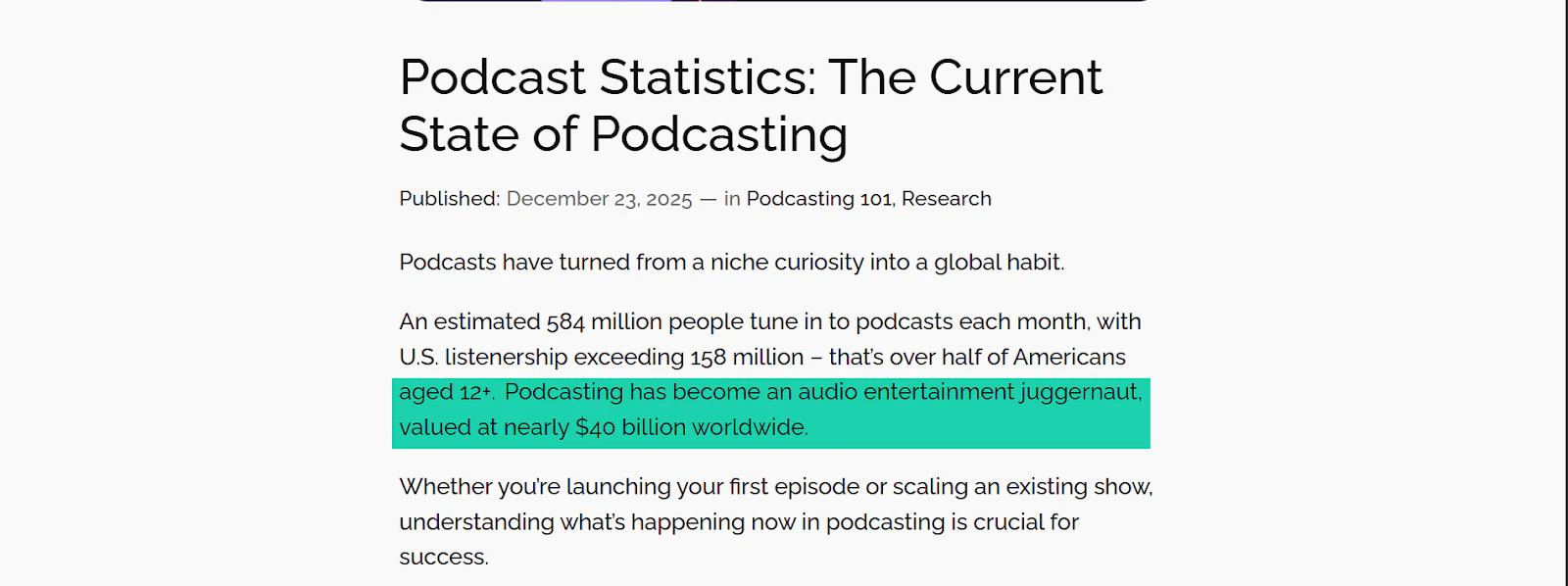
It’s grown extremely popular in recent years, and the industry is valued at nearly $40 billion globally.
Plus, you can upload your podcasts to streaming platforms like Apple Podcasts, Spotify, and YouTube (audio and video).
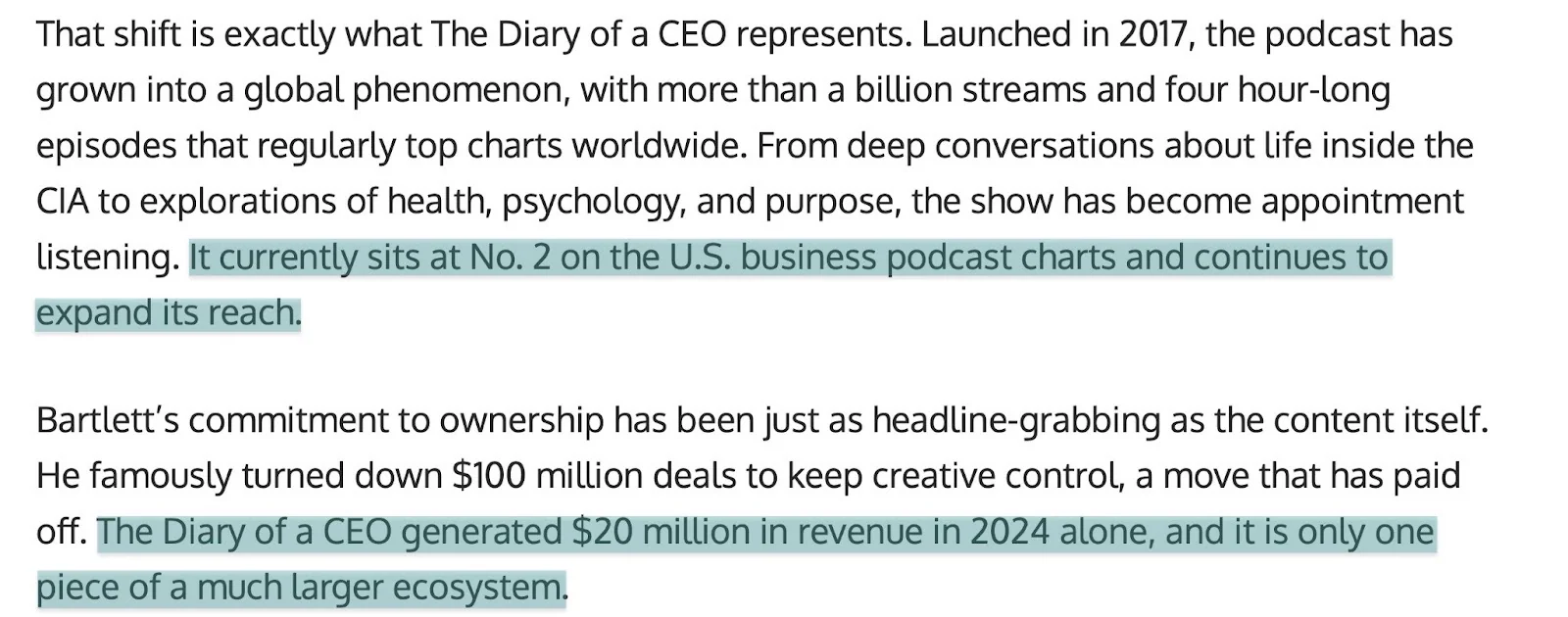
In 2017, British podcaster Steven Bartlett created The Diary of a CEO. In this podcast, he discussed topics like health, psychology, and purpose.
In 2024, his podcast made $20 million in revenue. As of 2025, it ranked second on the U.S. business podcast charts.
-
What you need to start: A microphone, hosting and editing tools, and a quiet recording space.
-
How much it costs: $100–$2,000 for recording gear, and hosting platforms can be free or modestly priced
-
How much you can earn: $50–$10,000+/month
-
Time to first revenue: 3–6 months (depends on audience and sponsorship interest)
-
Main growth and marketing channels: Apple, Spotify, podcast directories, guest appearances, X, LinkedIn
-
How to start: Pick a topic, plan episodes, record, edit, distribute, publish via a podcast host, and get sponsors.
34. Paid newsletter subscription
A paid newsletter is like a premium email you send to people who want to hear from you.
Instead of just posting for free, subscribers pay a monthly fee for exclusive content you don’t share anywhere else.
Popular paid newsletter subscription platforms like Substack have shown that paid newsletters can make money.
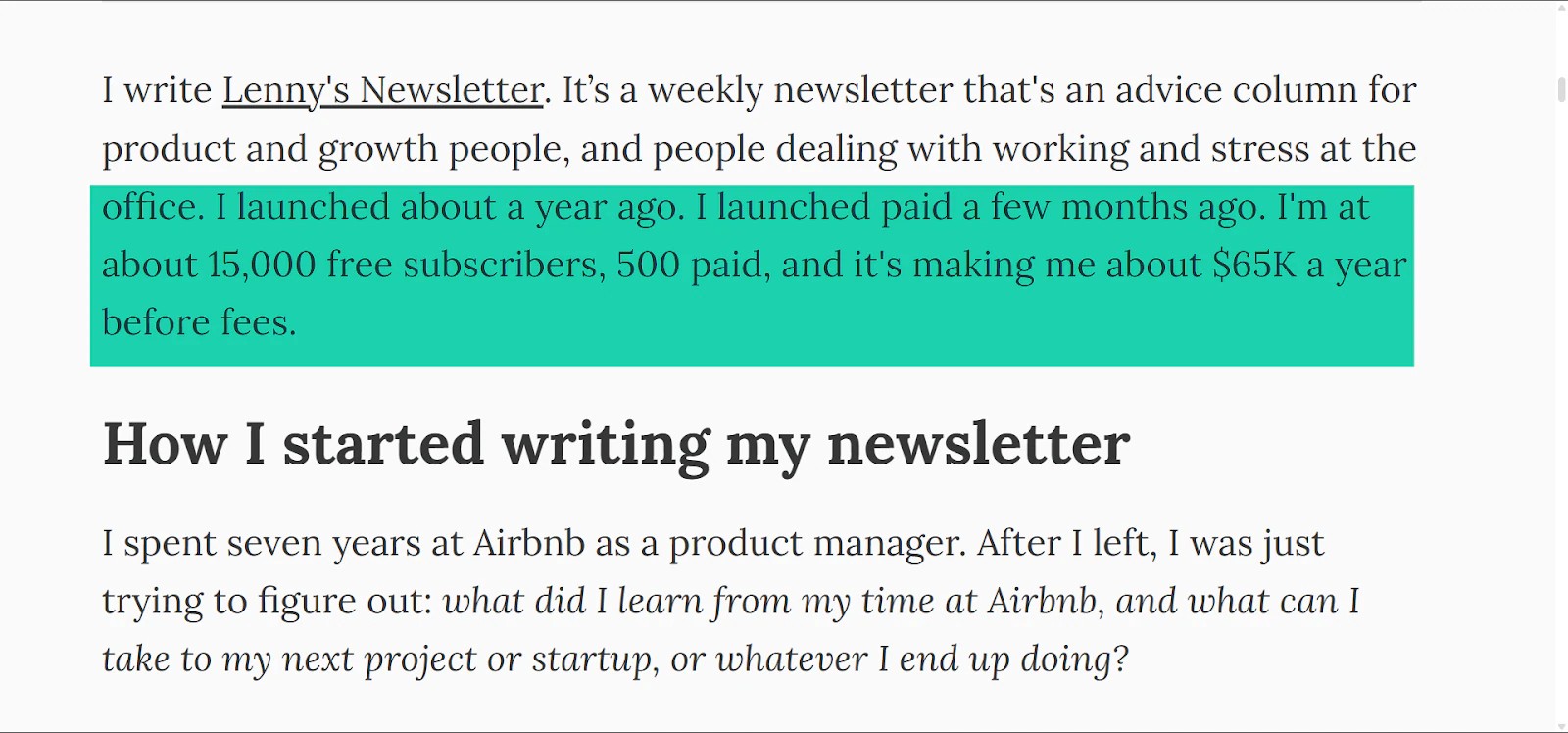
Take Lenny Rachitsky, the creator of Lenny’s Newsletter. He writes on business topics like angel investing.
Within a year of launching, he earned $65,000 from 500 paid subscribers.
-
What you need to start: Writing skills, Substack, beehiiv, and a niche topic.
-
How much it costs: $0–$200/month, depending on the platform
-
How much you can earn: $1,000–$3,000/month
-
Time to first revenue: 3–12 months with promotion and valuable content
-
Main growth and marketing channels: X, LinkedIn, referrals, blog, cross-promotions, email funnel
-
How to start: Set up Substack or a similar platform, write a few free issues, build a list, and then launch a paid tier.
35. Start an online tools directory
An online tools directory is a site that curates and reviews tools in a specific niche.
For example, you can cover topics like the best productivity platforms, marketing tools, and business software.
People value curated lists because they make decision-making easier. Especially when they are ready to make a purchase.
And if you manage an online tools directory, you can earn money through affiliate links and partnerships.
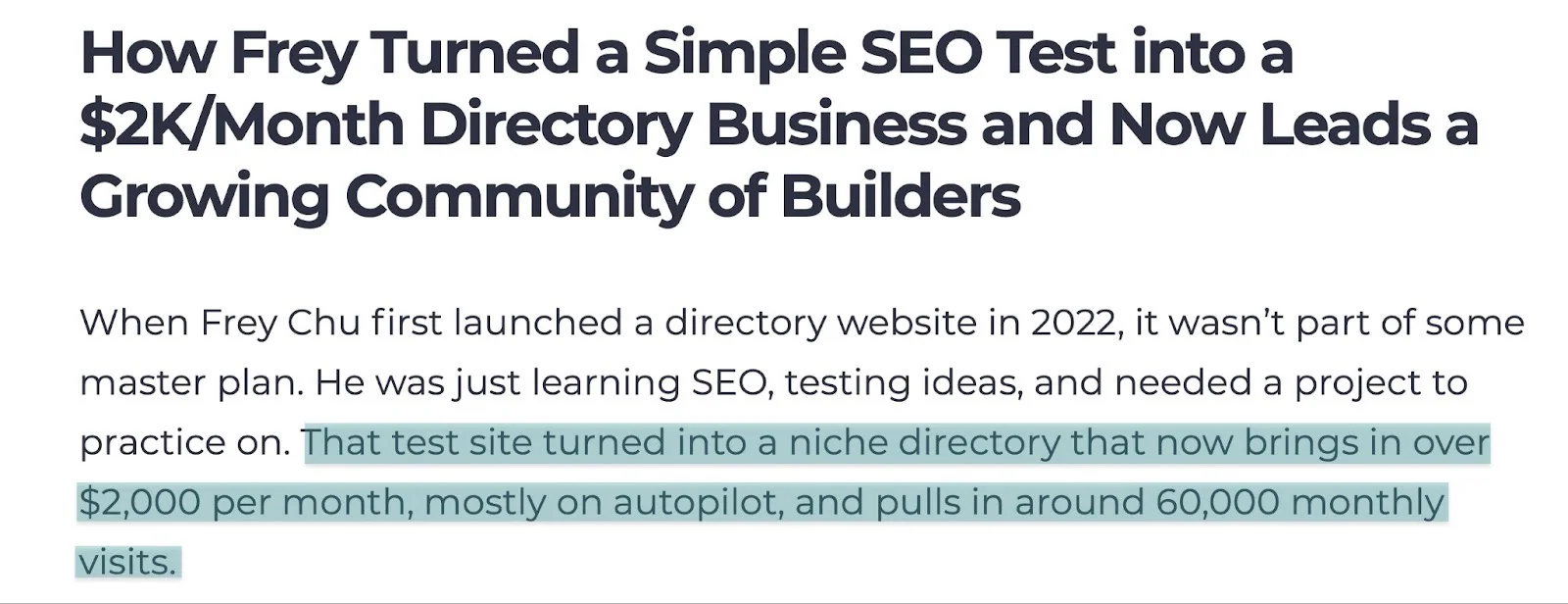
Take Frey Chu.
In 2022, he launched his first directory website. It started as practice to learn more about SEO.
Eventually, the test site became a directory, bringing in over $2,000 per month and 60,000 visits.
-
What you need to start: A niche, a website, and curation.
-
How much it costs: $50–$200/year for domain + hosting, optional premium themes/plugins
-
How much you can earn: $500–$2,000/month
-
Time to first revenue: 2–4 months (SEO + valuable content)
-
Main growth and marketing channels: SEO, organic search, backlinks, X, developer communities
-
How to start: Choose a niche, list tools with honest reviews, add affiliate links, and optimize for SEO.
36. Become a TikToker
TikTok is more than just a place to watch funny videos.
These days, it can be a fantastic online business idea. You create short, engaging videos that entertain, educate, or solve problems.
The more people watch your content, the more opportunities you get for brand deals, affiliate links, livestream gifts, and shop commissions.
Many people have found success through TikTok.
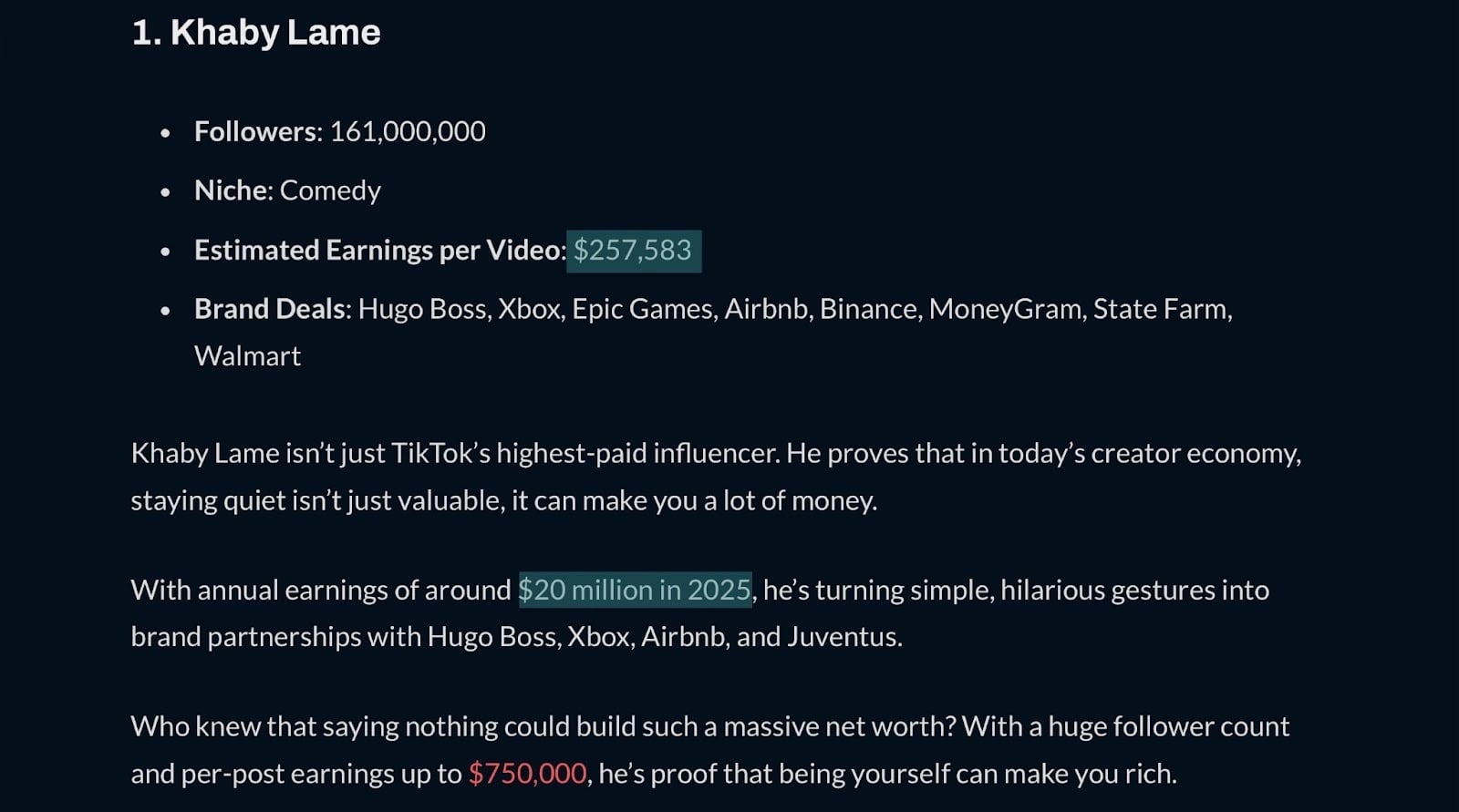
In 2025, popular TikToker Khaby Lame was the highest-paid content creator on the platform, making an estimated $257,583 per video.
With over 161 million followers, he has brand deals with major companies like Hugo Boss, MoneyGram, and Walmart.
-
What you need to start: A smartphone/vlogging camera, an idea, and a TikTok account.
-
How much it costs: Free with optional spend on recording equipment, lighting, and a microphone
-
How much you can earn: $1,000–$10,000/month
-
Time to first revenue: 1–3 months (depends on factors like video quality, niche, and consistency)
-
Main growth and marketing channels: TikTok algorithm, trends, cross-posting
-
How to start: Pick a subject area you enjoy, post consistently, and build your audience.
37. Curate content for paid communities and memberships
This online business idea involves creating a group where people pay to join an exclusive community.
You can share premium tips, discussions, or curated content inside a community. Mostly through platforms like Circle, Facebook Groups, and Discord.
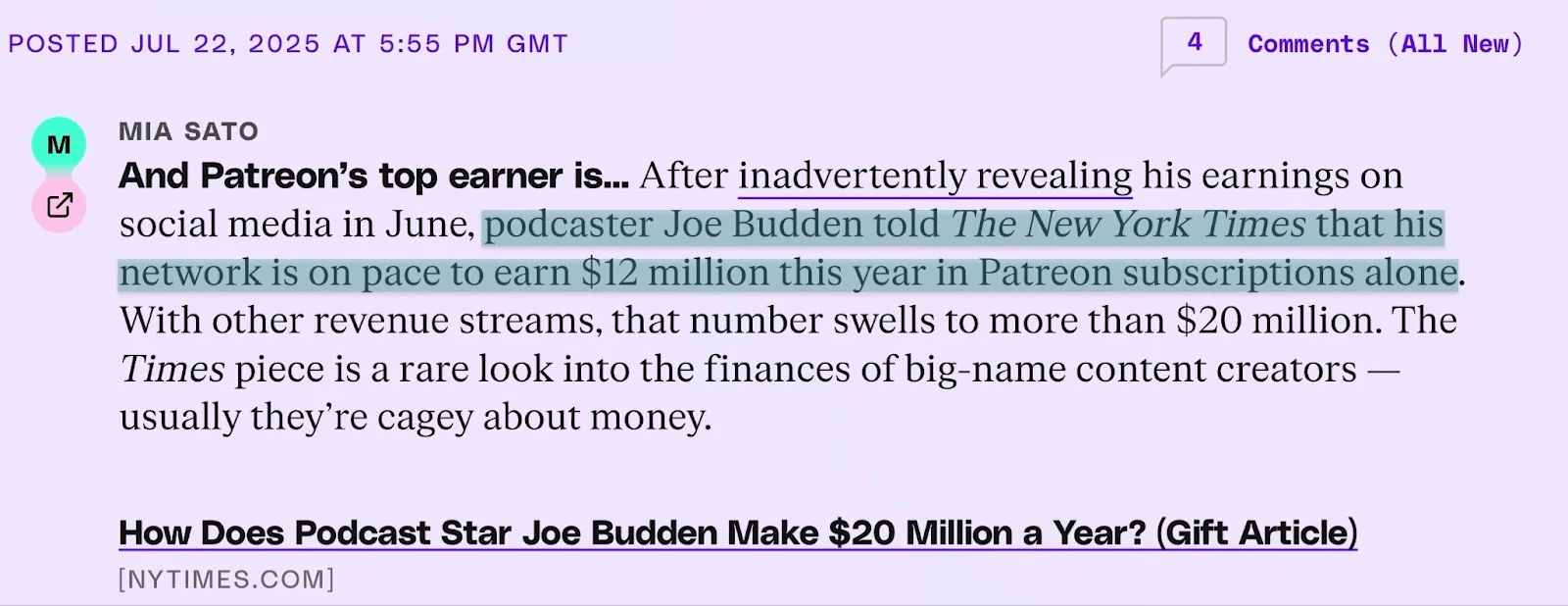
And it’s profitable. For example, in 2025, former rapper-turned-podcaster Joe Budden said his network was on track to earn $12 million in Patreon subscriptions alone.
-
What you need to start: Community platforms like Discord/Circle, a topic to teach/curate.
-
How much it costs: $0–$100/month for hosting tools
-
How much you can earn: $1,000–$5,000/month
-
Time to first revenue: 6–12 months
-
Main growth and marketing channels: Reddit, email list, X, LinkedIn
-
How to start: Pick a topic people want help with, set up a paid group, and invite your first followers.
38. Become a streamer
Streaming is the broadcasting of live video on platforms like Twitch, YouTube Live, or Facebook Gaming.
The content typically focuses on niches like gaming, creative work, or interactive sessions.
Viewers can donate, subscribe, and send virtual gifts while you’re live. That’s how you earn your income.
In the past couple of years, streamers have gone from hobbyists to full-time earners.
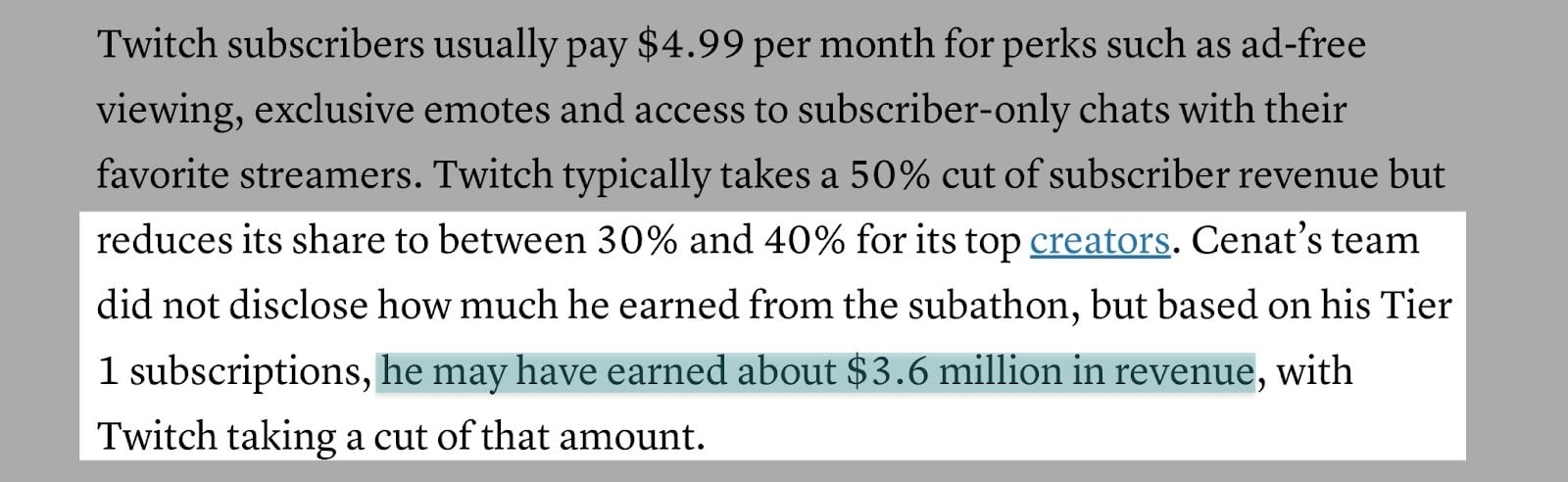
Take Kai Cenat, one of the most popular streamers, for example.
He reportedly earned $3.6 million in subscription revenue from his Mafiathon 2 subathon in November 2024.
-
What you need to start: A laptop/PC, a webcam, a microphone, and a lighting system.
-
How much it costs: $300 –$7,000 (depending on the gear you purchase)
-
How much you can earn: $100–$5,000/month
-
Time to first revenue: 1–3 months with consistent streaming
-
Main growth and marketing channels: Twitch, YouTube Live, X, community engagement, Discord
-
How to start: Pick a streaming niche, go live regularly, chat with viewers, and grow your community.
39. Affiliate marketing
Affiliate marketing is a simple online business idea.
First, you recommend products or services you love. Then earn a commission when someone buys through your link.
This can work anywhere you share content. From social media channels like TikTok to blogs and newsletters.
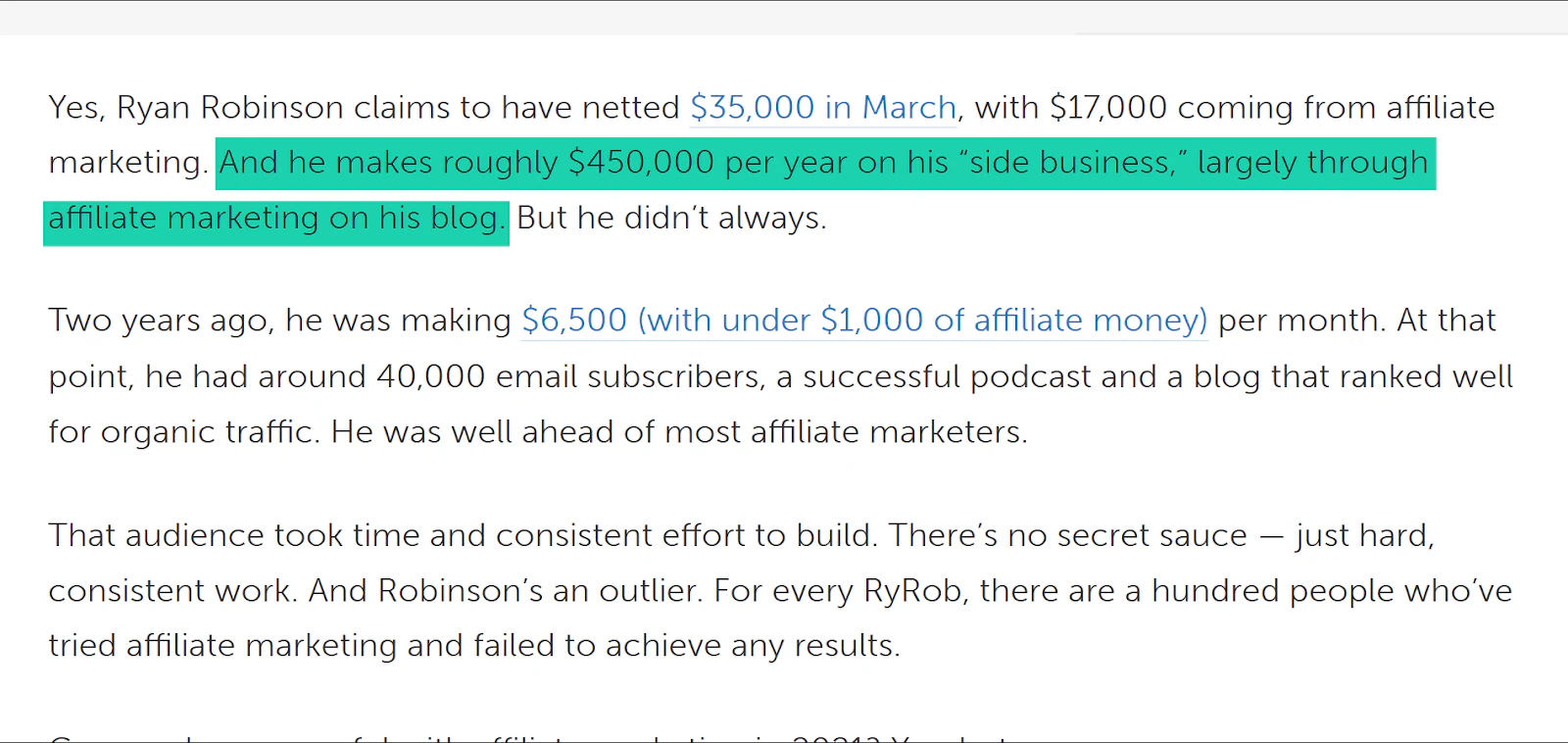
Let’s take blogger and content marketer Ryan Robinson, for example. He publishes “how-to” guides and monetizes his content through affiliate links.
In 2021, he reportedly earned $450,000 through affiliate marketing on his blog.
-
What you need to start: Audience, referrals, blog posts, or affiliate links.
-
How much it costs: Free (you just need a platform)
-
How much you can earn: $50–$5,000+/month
-
Time to first revenue: 6–12 months (once followers establish trust and engage with links)
-
Main growth and marketing channels: YouTube reviews, email marketing, SEO blog, Pinterest
-
How to start: Sign up for affiliate programs (like Easytools), promote products you use, and share affiliate links through your content.
40. Curate a paid resource library
A paid resource library is a collection of helpful tools, guides, or templates that require a subscription to access.
For example, these could be a library of business templates, swipe files, content calendars, and curated links to helpful articles and topics.
This online business idea works on a one-time fee or a monthly subscription. Once you set it up, it can generate regular income, especially as you add new resources over time.
A typical example is Perlego. It’s a subscription-based digital library founded by Gauthier Van Malderen and Matthew Davis.
Their goal was to make academic textbooks more affordable to students. By offering subscriptions, students had unlimited access to more than 1 million textbooks across subjects.
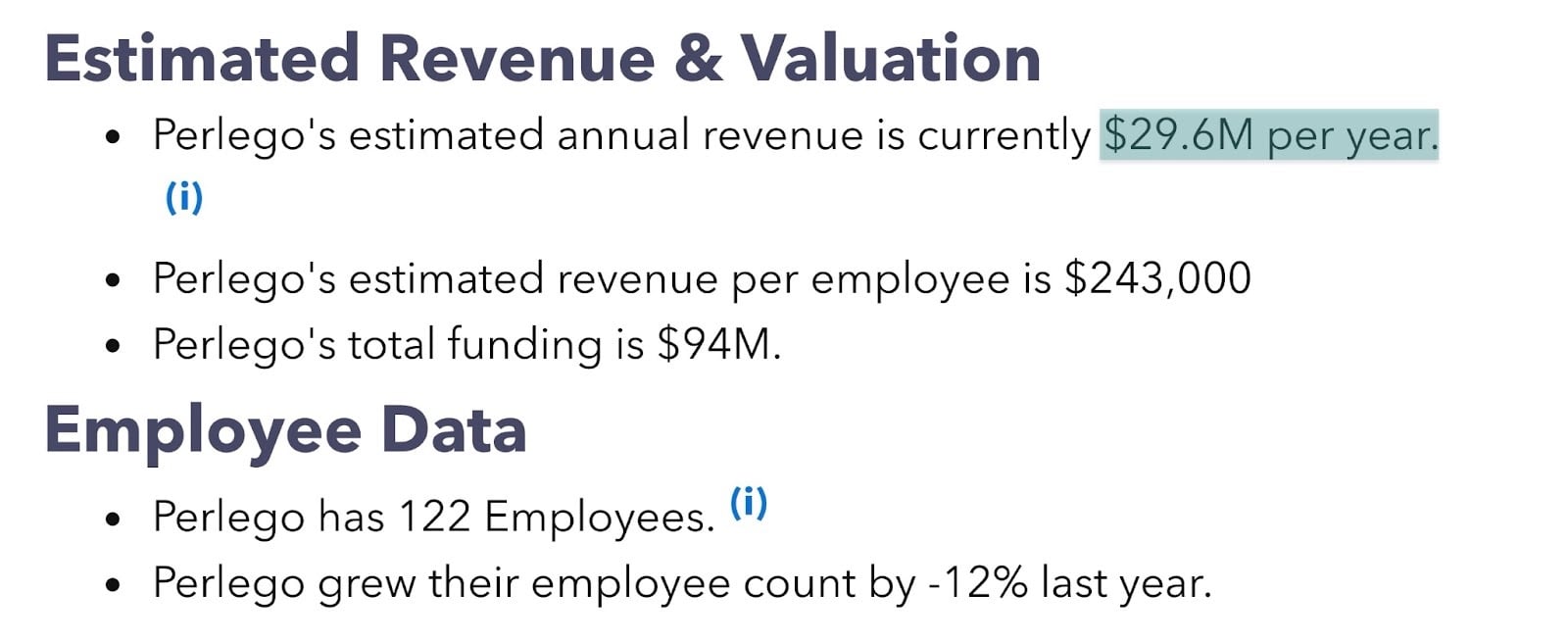
Perlego’s estimated annual revenue is $29.6 million.
-
What you need to start: A collection of resources and a delivery platform.
-
How much it costs: $50–$200/year for hosting tools
-
How much you can earn: $500–$2,000/month
-
Time to first revenue: 1–6 months
-
Main growth and marketing channels: Pinterest, email marketing, LinkedIn, newsletters
-
How to start: Build your toolkit, like guides and templates.Then package it, put it behind a paywall, and sell it on a platform like Easytools.
Finally, promote it to your audience.
E. SaaS, apps, and tech-based online business ideas
41. Create a micro SaaS
A micro SaaS is a small software-as-a-service product that solves a particular problem.
Think of it like this.
Imagine a tiny online tool that helps freelance writers track payments. It doesn’t try to replace accounting software.
Instead, it sends reminders, tracks invoices, and displays overdue payments on a single, simple dashboard. Writers only have to pay a small monthly fee to use it.
So with a micro SaaS, you generate revenue from recurring purchases.
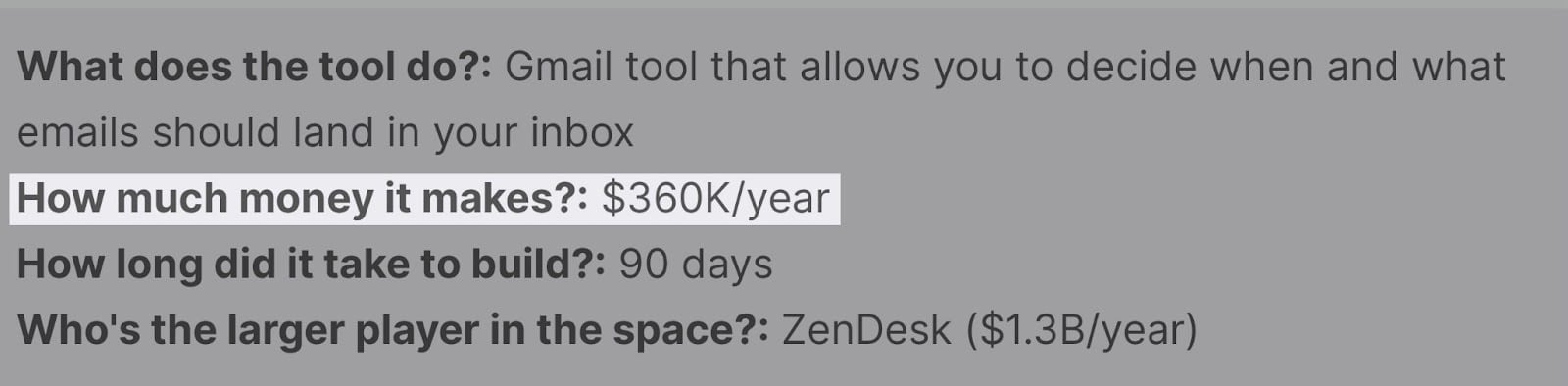
Take Mohit Mamoria’s Mailman.
It’s a Gmail tool that lets you choose when and what emails should land in your inbox. It took Mamoria 90 days to create this micro SaaS and makes, on average, $360,000 per year.
-
What you need to start: Minimum Viable Product (MVP), coding skills (or a no-code tool), and an idea that solves a specific problem.
-
How much it costs: $0-$5,000 (depends on whether you code it yourself or hire help)
-
How much you can earn: $4,000–$40,000 monthly recurring revenue (MRR)
-
Time to first revenue: 2–6 months to launch and start earning
-
Main growth and marketing channels: Content marketing (blogs, YouTube), SEO, niche communities, Product Hunt, LinkedIn,
-
How to start: Find a pain point you understand, research demand, build a minimum viable version, and launch with early pricing.
42. Create a browser extension
Browser extensions are add-ons you install in your browser, like Google Chrome or Safari. These extensions enhance your browsing experience.
For example, some extensions can automatically save links you like, or block ads. They can also highlight key information on a page or even share discount codes on e-commerce sites.
Typically, the best browser extensions solve a single problem and don’t need many features.
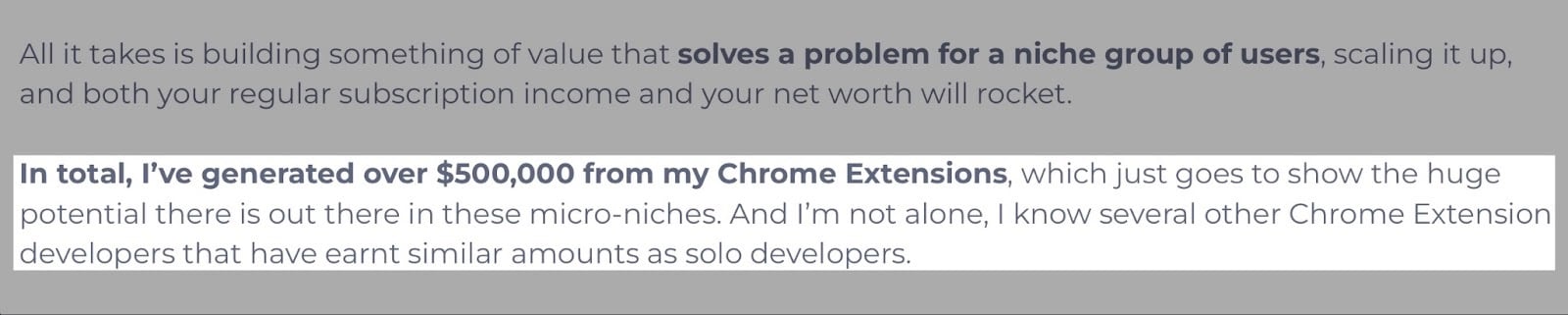
Rick Blyth, for example, built the Chrome extension tools KDP Wizard and Merch Wizard to handle simple tasks. KDP Wizard helps authors and publishers manage their Amazon KDP workflows.
And Merch Wizard helps Amazon users manage and organize listings and back up data.
According to Blyth, he has generated over $500,000 in revenue from his browser extensions.
-
What you need to start: A developer account for extension marketplaces, JavaScript, and coding skills.
-
How much it costs: Free - $500
-
How much you can earn: $1,000–$10,000/month
-
Time to first revenue: 1–3 months once published and marketed
-
Main growth and marketing channels: Chrome Web Store SEO, niche communities, X, YouTube
-
How to start: Identify a simple workflow problem, build the extension, test it, launch, and share.
43. Create a note-taking mobile app
A note-taking mobile app helps users capture ideas, set reminders, record voice notes, and organize their thoughts.
This can be a standard notes app or one with AI features.
What makes note-taking apps a compelling online business idea is that they are typically built for specific use cases. You can create an app for daily journaling, or a voice-to-text notes app for people who like to think out loud.
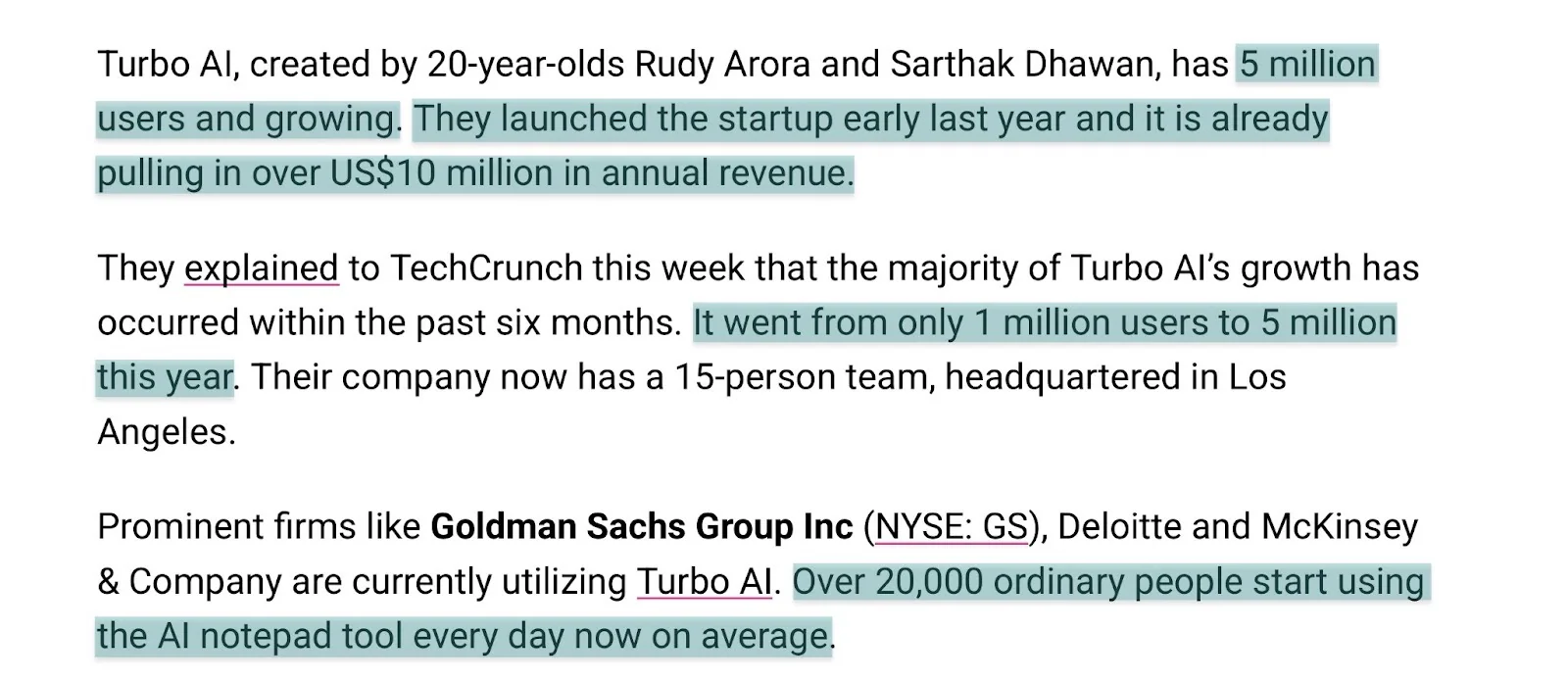
For example, Rudy Arora and Sarthak Dhawan created Turbo AI. This note-taking app welcomes 20,000 new users per day!
And it’s already bringing in $10M+ in annual revenue since launch.
-
What you need to start: Application development, mobile development tools (or a no-code mobile builder), and UX/design resources.
-
How much it costs: $1000–$10,000, depending on development resources
-
How much you can earn: $2,000–$15,000+/month
-
Time to first revenue: 4–12 months (often longer due to mobile store review and growth)
-
Main growth and marketing channels: App Stores, word of mouth, content marketing, Product Hunt, X, YouTube demos
-
How to start: Develop your idea and build the app (a prototype). Then, test, launch, and publish to Apple/Google stores, and gather feedback.
44. Create a productivity mobile app
Productivity apps help people manage tasks. In other words, they basically make life easier.
And they’re super popular because everybody wants to get more done with less stress.
When I think about this online business idea, Shin Jae-myung comes to mind.
She created Alarmy in 2012. It’s an app that helps people wake up on time, similar to an alarm clock.
But there’s a twist. Users must place their phone far from their bed, so when the alarm goes off, they must complete a challenge to turn it off.
This helps them wake up fully to start their day.
Alarmy has over 75 million users across 90 countries, and in 2022, earned over $15 million in revenue.

-
What you need to start: A laptop, Application development, and coding skills.
-
How much it costs: $300 - $1,000
-
How much you can earn: $2,000–$15,000+/month
-
Time to first revenue: 3–12 months
-
Main growth and marketing channels: App stores, integrations with existing platforms, influencer reviews, TikTok, YouTube
-
How to start: Choose a focus area (tasks or workflows), build the core features, beta-test, and launch to early users for feedback.
45. Create an AI-powered content creation tool
An AI-powered content creation tool is software that helps users create content faster using AI.
It can help you write blog posts, captions, design layouts, edit videos, or create full marketing campaigns in minutes.
Instead of doing everything manually, you only focus on polishing the results and publishing your content.
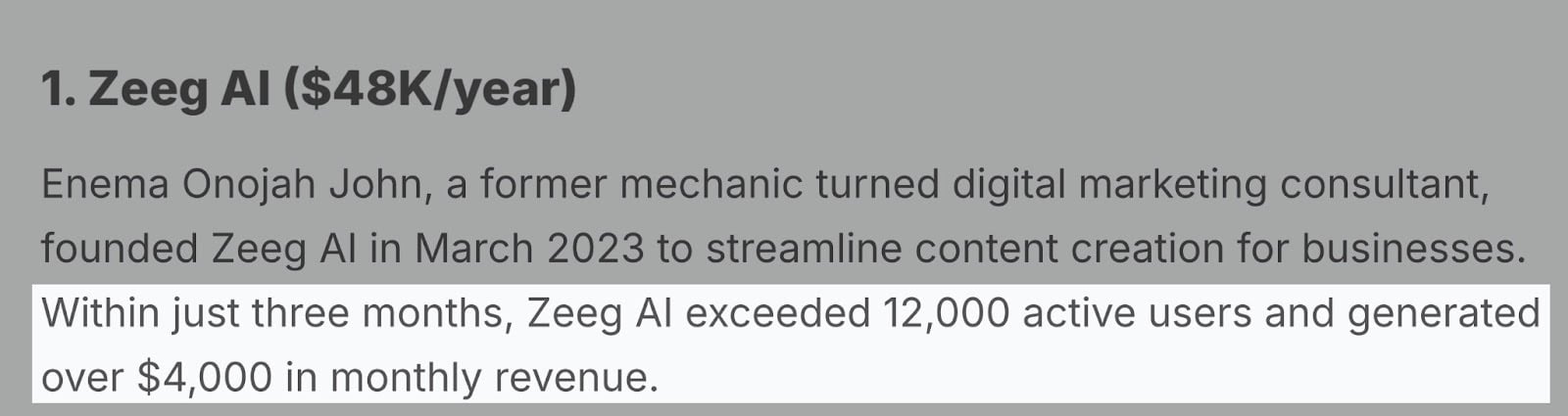
Many tools in this space have gone from small ideas to serious revenue in just a few years. For example, Enema Onojah John founded Zeeg AI in 2023 to streamline content creation for businesses.
In three months, Zeeg AI had over 12,000 active users and was earning $4,000 in monthly revenue.
-
What you need to start: A laptop, AI APIs, and development of no-code skills.
-
How much it costs: $100–$5,000+ (API usage and hosting are the main expenses)
-
How much you can earn: $1,000–$50,000+/month
-
Time to first revenue: 3–6 months
-
Main growth and marketing channels: Product Hunt, X, affiliates, YouTube demos
-
How to start: Pick a niche content problem, build a simple app using AI APIs, and launch to early testers.
46. Launch a workflow or project management tool
The benefit of a workflow or project management tool is that it helps teams track tasks, deadlines, and work progress in one place.
It’s in high demand as businesses continue to seek ways to improve efficiency.
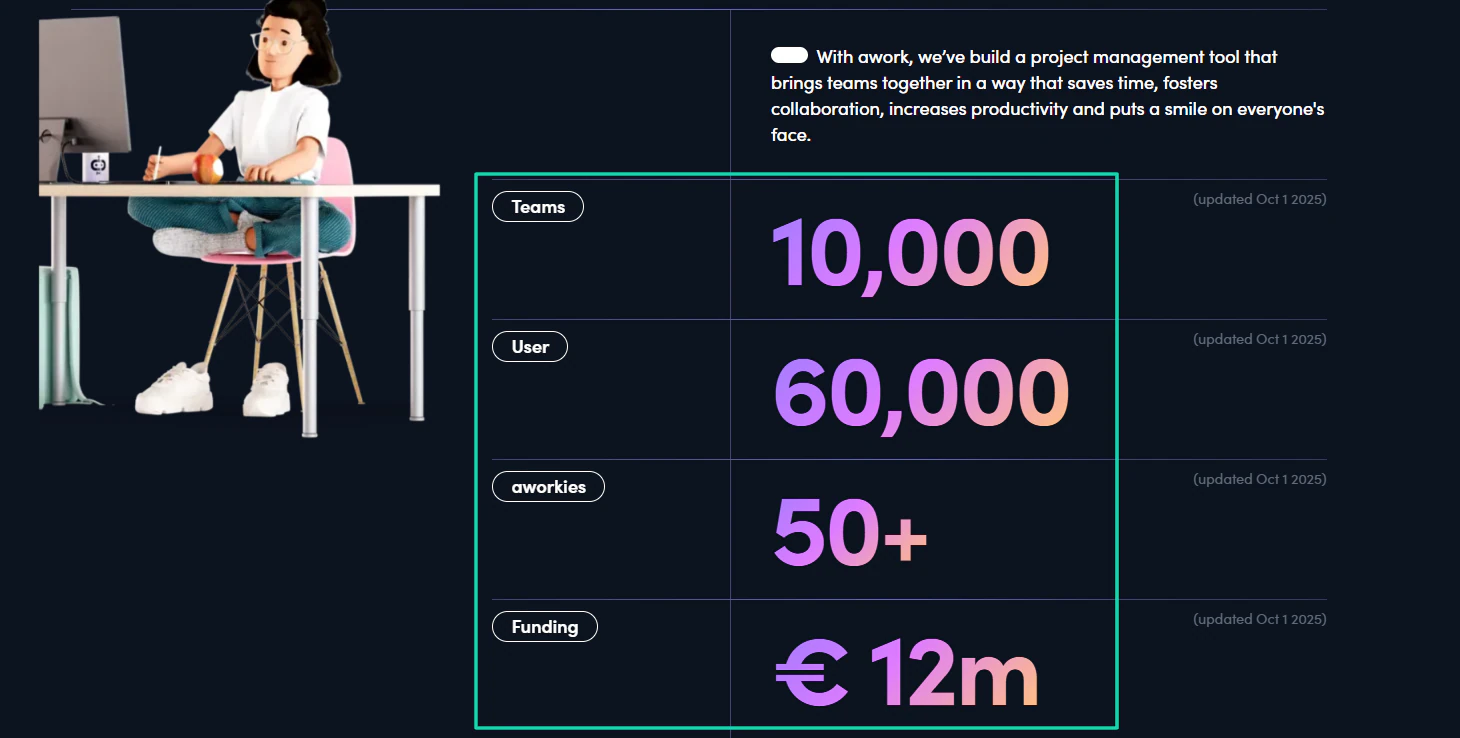
Take, for example, awork, founded by Lucas Bauche, Nils Czernig, and Tobias Hagenau. It’s a project management tool that brings about 10.000 teams together for collaboration.
They secured €12m in funding and have 60,000+ users.
This shows you how profitable this online business idea is.
-
What you need to start: A laptop; a no-code builder like Bubble, Softr, or Glide; UX (user experience); and Dev (development).
-
How much it costs: $500–$2,000
-
How much you can earn: $10,000–$100,000+ MRR
-
Time to first revenue: 6–12 months.
-
Main growth and marketing channels: SEO, Product Hunt, LinkedIn, Slack communities, cold outreach
-
How to start: Pick a platform (Bubble), build a simple task board app, offer it free for early users, then charge monthly for advanced features.
47. Build a customer portal software tool
Customer portal software is a secure online platform that lets businesses share sensitive documents, manage projects, and process payments with customers in real time.
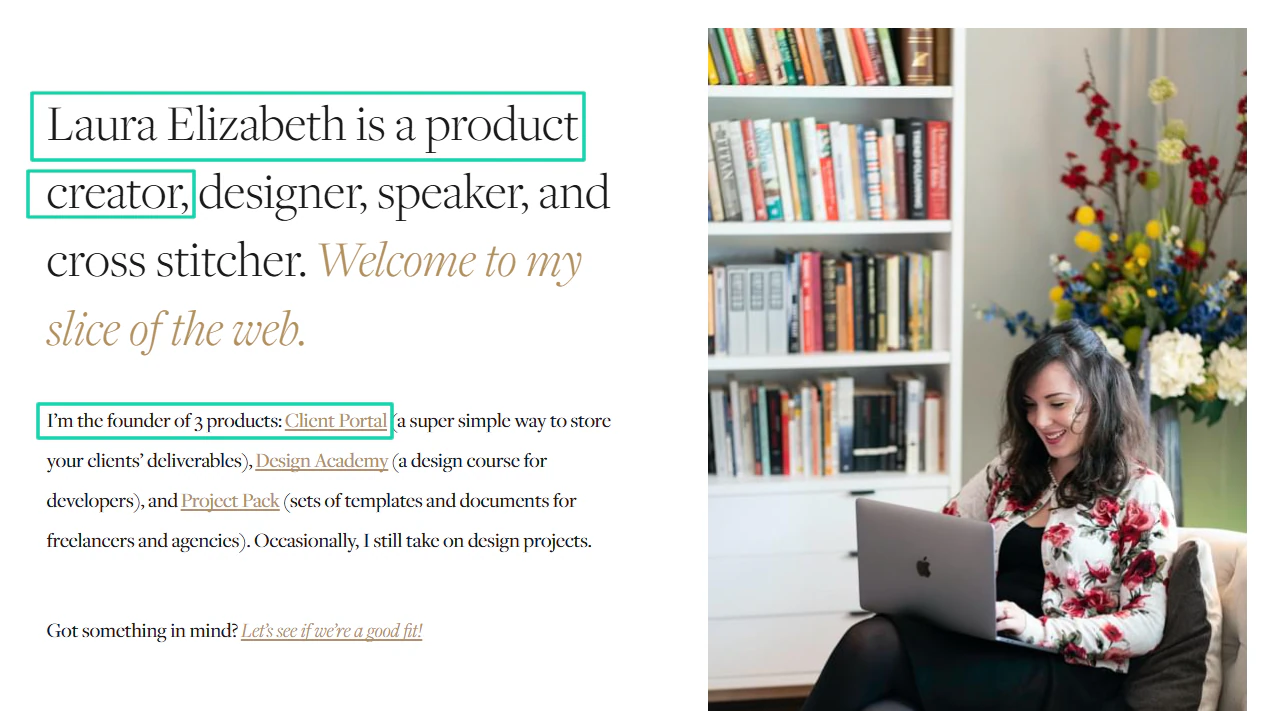
Laura Elizabeth, a product creator, built a customer portal software called Client Portal. It’s a portal where customers can view project status and links to past, current, and upcoming deliverables.
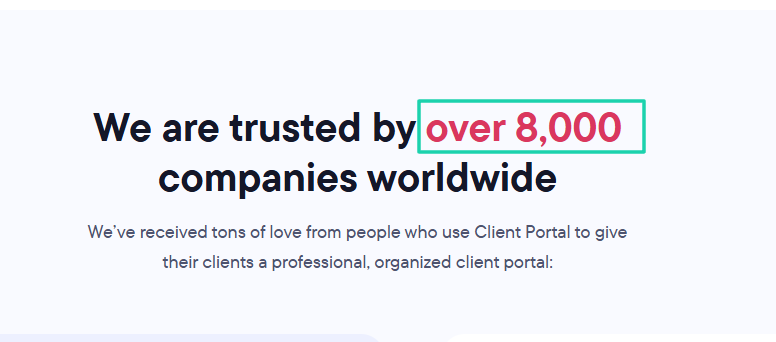
As of today, Client Portal is trusted by over 8,000 companies worldwide.
-
What you need to start: Low-code builder tools (Softr, Bubble, or Glide) and databases (Airtable or Google Sheets).
-
How much it costs: $500–$2,000+
-
How much you can earn: $1,000–$20,000+/month
-
Time to first revenue: 4–8 months.
-
Main growth and marketing channels: Cold outreach, LinkedIn, SEO, partnerships
-
How to start: Pick a tool like Bubble or Softr, design a simple login portal, add basic modules (files, messages), then sell subscriptions. You can also offer it to agencies.
48. Build a budgeting mobile app
With a budgeting mobile app, users can track spending, set goals, and manage money. It’s a great online business idea because many people want to know how much they spend and where the money goes.
Shashank Pandit built Buxfer, a budgeting app that now tracks $48,013,900,000 in 150+ countries and in 100+ currencies.

-
What you need to start: A laptop, AI Studio, Glide, FlutterFlow, and Adalo.
-
How much it costs: $100–$2,000+
-
How much you can earn: $5,000–$10,000+/month
-
Time to first revenue: 3–9 months.
-
Main growth and marketing channels: Google Ads, SEO, financial blogs, partnerships, paid ads, TikTok finance creators, YouTube
-
How to start: Define essential features and choose a platform like Glide or Stripe Invoicing. Then connect a database (Google Sheets) to a document generator (Google Docs) to create PDFs.
49. Create an invoicing and billing tool
Most businesses want to send professional invoices, track payments, and manage billing online. If you create an invoicing and billing tool, it will handle just that, and you can make good money out of it.
Bookipi, founded by Tim Lee, is an invoicing and billing tool. Today, the platform supports over 1 million businesses across 179 countries.
What’s more, each month Bookipi processes AU$1 billion in invoices.

-
What you need to start: A laptop and low-code builder tools (e.g., Bubble, Softr).
-
How much it costs: $100–$2,000+
-
How much you can earn: $2,000–$30,000+/month
-
Time to first revenue: 3–6 months.
-
Main growth and marketing channels: PLG(Product-led growth), SEO, Product Hunt, partnerships with accountants, LinkedIn
-
How to start: Identify the target audience, use a tool like Bubble or Softr, and create core features(invoice creation form, customer list). Then, connect payments, charge subscriptions, and launch to a small audience.
50. Build a no-code automation tool
Building a no-code automation tool means creating a system that integrates other software so tasks run automatically. You don’t need to do the work manually.
For example, you can build a tool that automatically copies emails to a Google Sheet when a new message arrives.
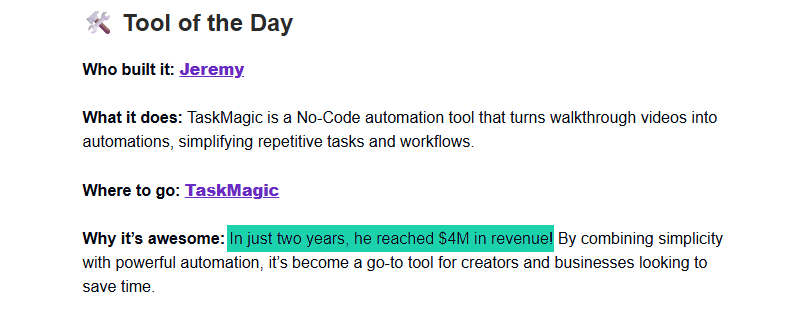
This online business idea reminds me of Jeremy Redman. He built TaskMagic, a no-code automation tool that turns walkthrough videos into automations.
This tool brought in $4 million in revenue over 2 years.
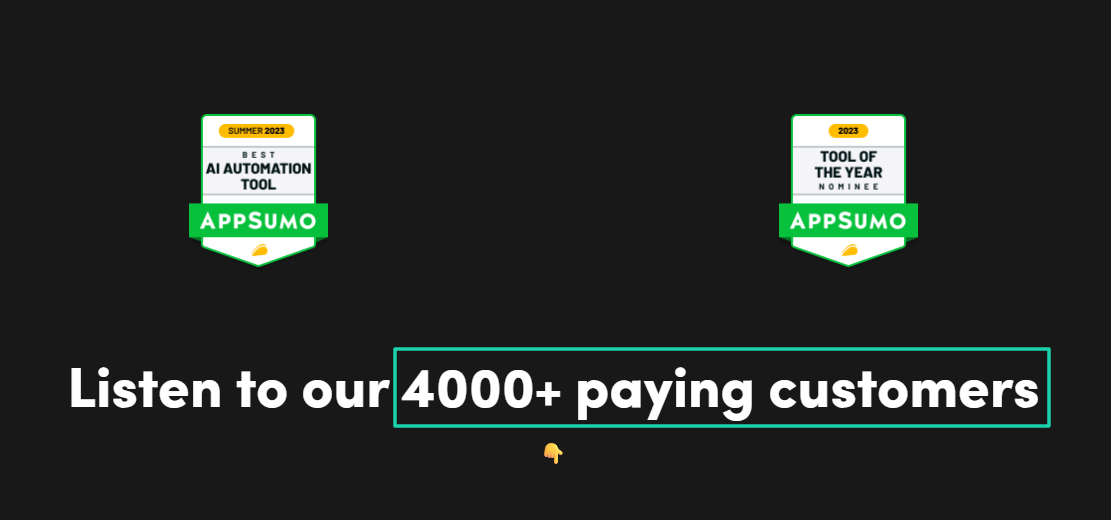
They now have 4,000+ paying customers. If this number is willing to pay, it is a profitable online business idea.
-
What you need to start: A computer and no-code platforms like Zapier, Make, or n8n.
-
How much it costs: $0–$300/month (platform fees)
-
How much you can earn: $100–$40,000+/month
-
Time to first revenue: 2–4 months.
-
Main growth and marketing channel: Content marketing, SEO, no-code communities, YouTube tutorials, X, LinkedIn
-
How to start: Pick a common workflow to automate, build it inside a no-code tool like Zapier, and sell access or subscriptions.
There you have it: fifty profitable online ideas. But that’s not all.
To understand the bigger picture, let’s define what an online business is.
What is an online business?
An online business is any economic activity done over the internet. It could also be any venture that operates solely online.
People use websites, social media, email, and other online platforms to reach customers, accept payments, and deliver their products.
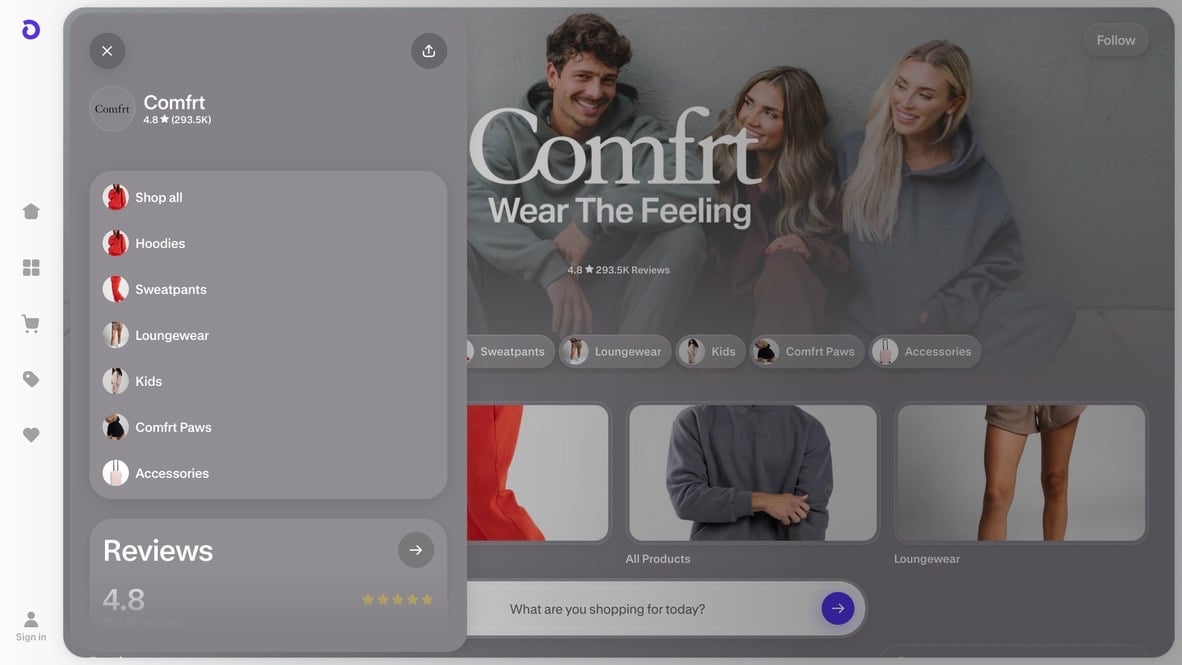
Online businesses are the stores that you find on e-commerce sites like eBay, Amazon, Etsy, Shopify, and more.
Sometimes people don’t just sell digital or physical products in their stores. They also offer services like blogging, affiliate marketing, online coaching, and more.
It could be creative services or full-fledged technical offerings, like SaaS tools and web development.
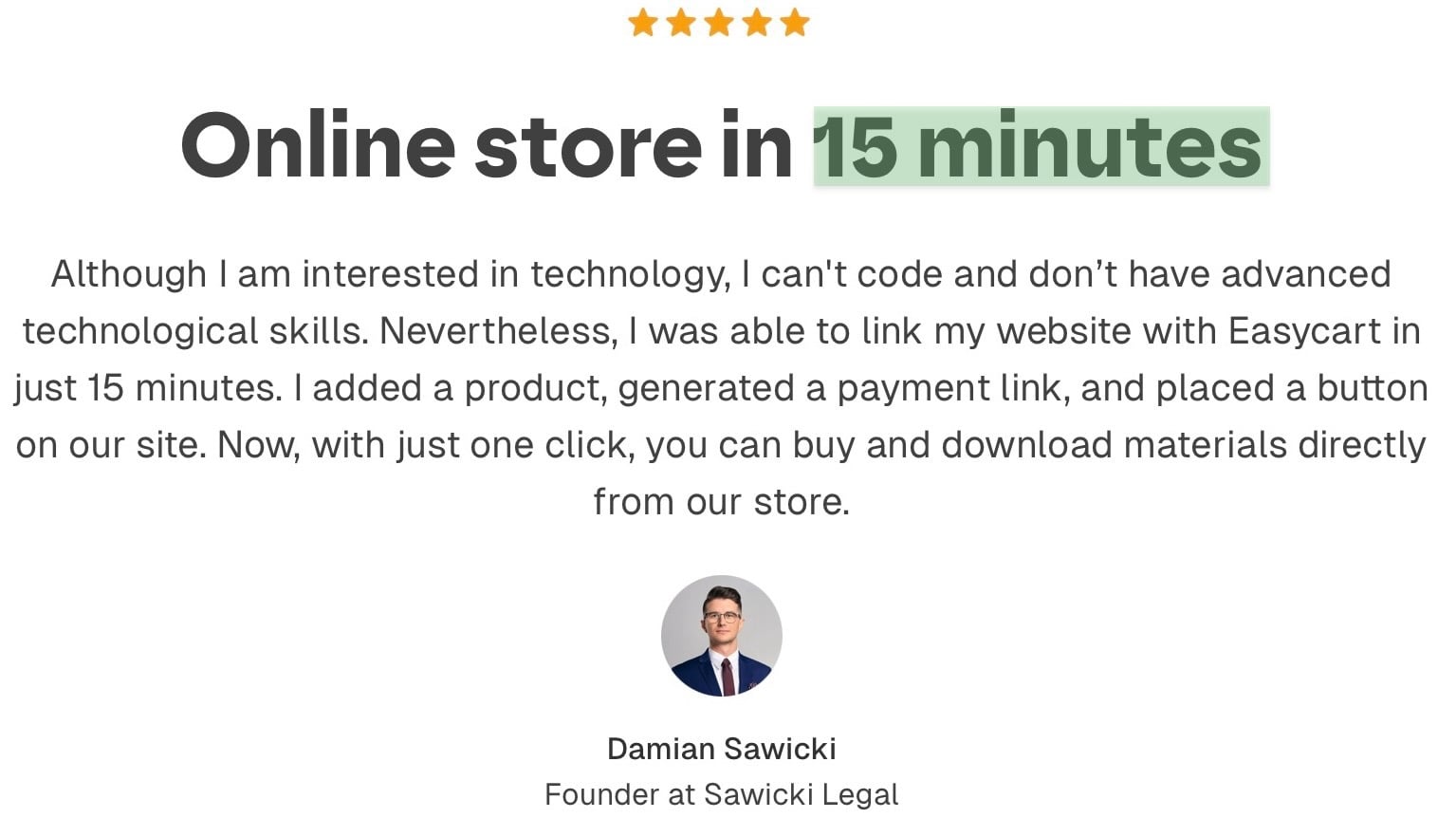
Unlike traditional businesses, online businesses are cheaper to start. For example, you can start selling e-books on Easytools from your laptop.
Sawicki Legal set up its online store in just 15 minutes.
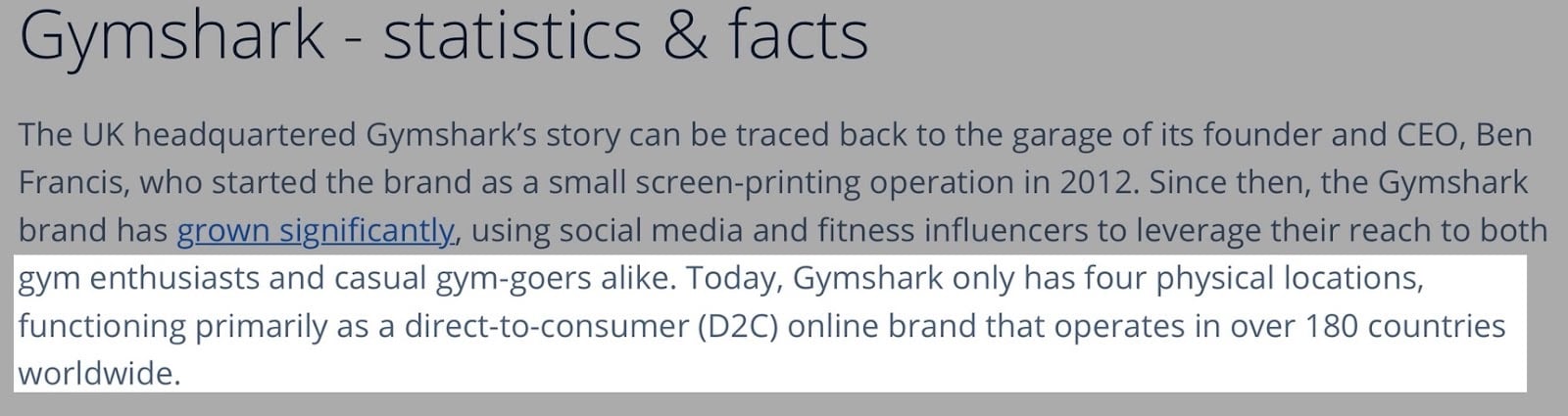
Also, online businesses aren’t limited by location. You could be in the US and selling subscriptions, memberships, and SaaS products to customers in Europe.
Gymshark, for example, is a UK-based manufacturer, brand, and online retailer that sells in 180 countries worldwide.
They are also easy to scale. You can sell an e-book, Notion templates, or an online course to 10 or 10,000 people, but your cost of creating it stays the same.
At Easytools, we’ve had customers who made $240,000+ in two weeks from a single course: Digital Designer.

Here’s a table to show you some differences between an online business and a traditional one:
Watch this video to learn more about what an online business is:
Where to find online business ideas
You can find online business ideas by watching what people already pay for. Here are ten of the best places to find profitable online business ideas.
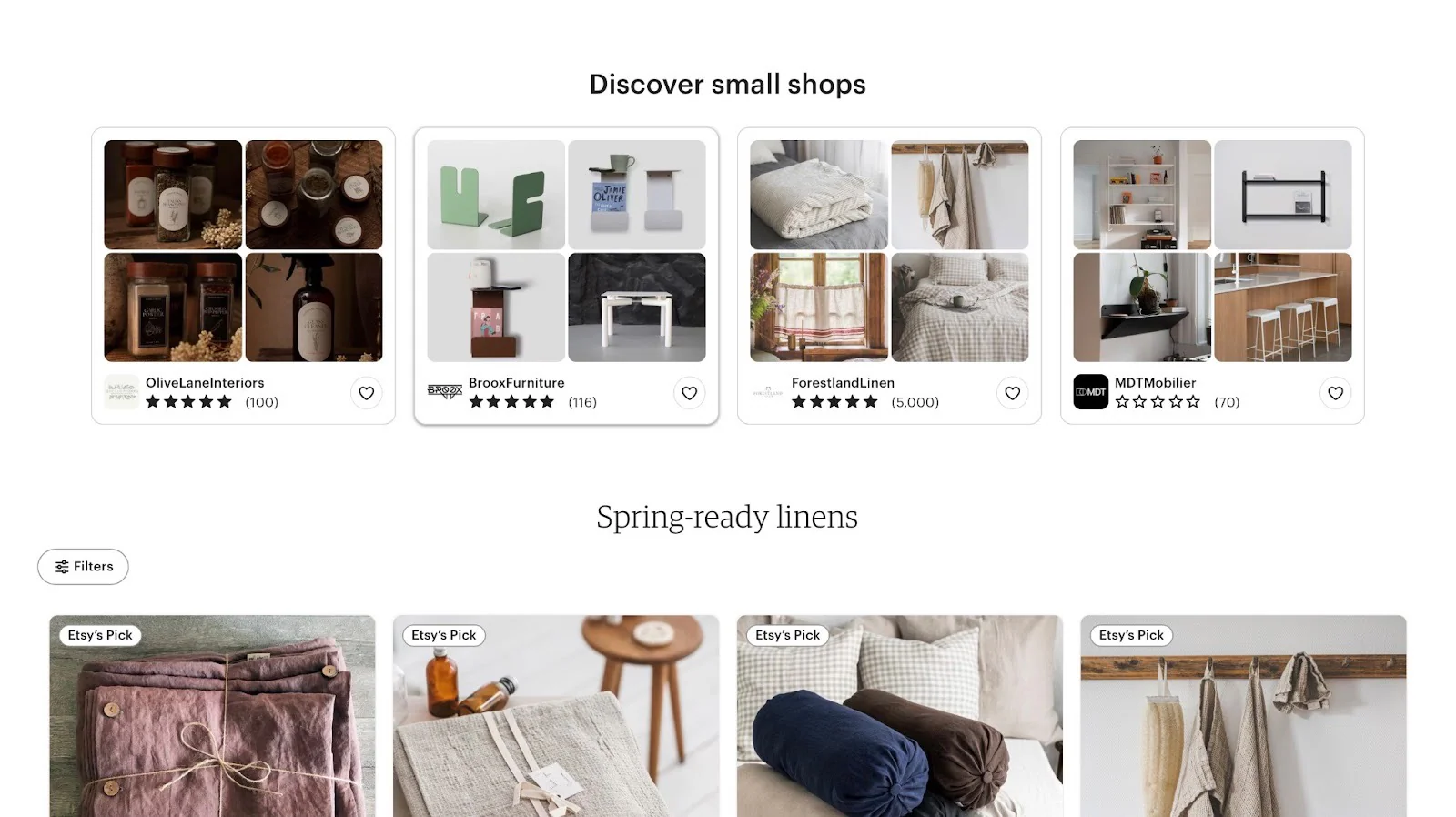
Marketplaces: Check products with many reviews on Gumroad, Etsy, Amazon Best Sellers, Shopify Store Explorer, and more.
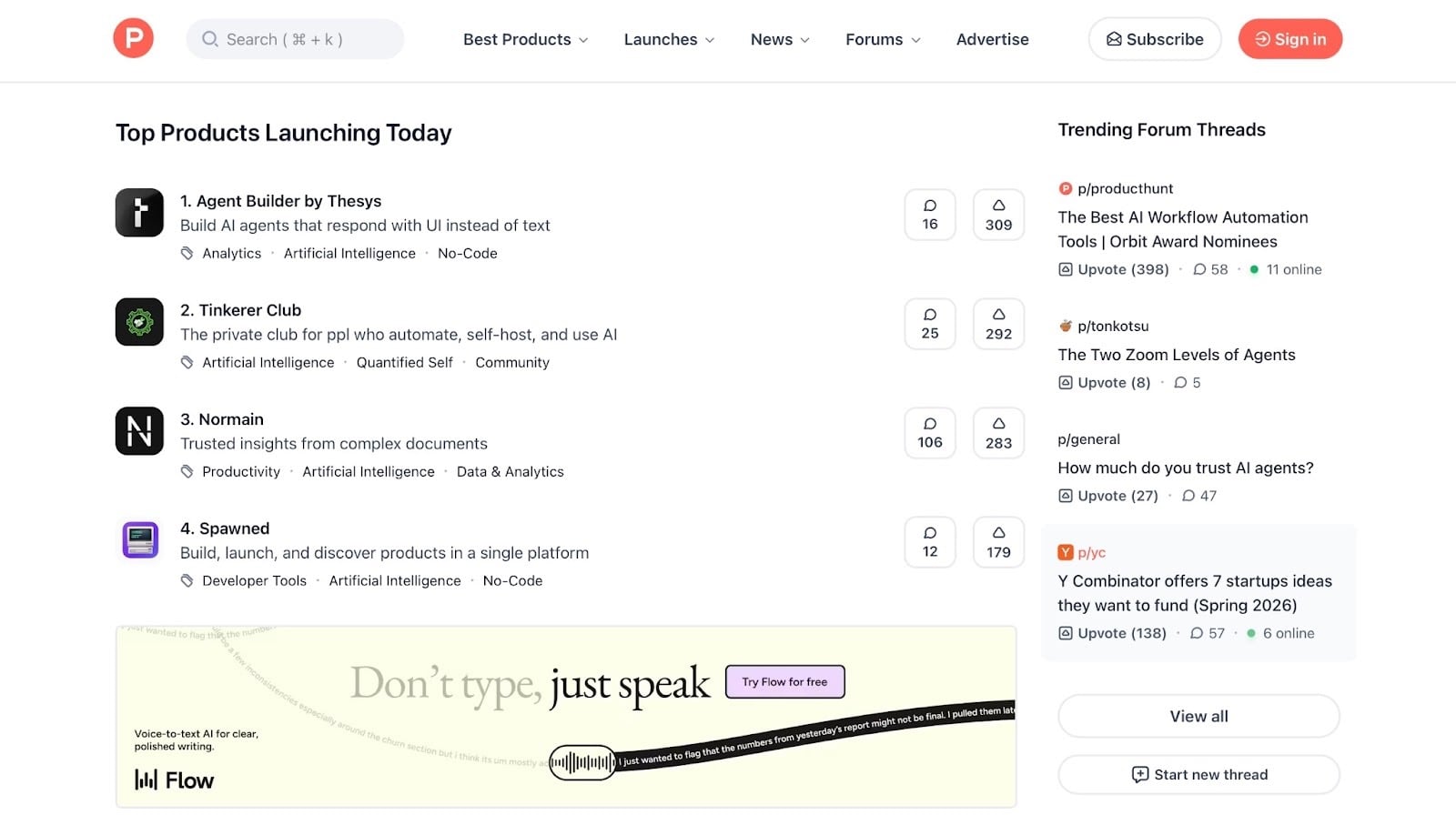
SaaS and tool directories: Look for complaints in reviews and missing features on Product Hunt, G2, Capterra, Indie Hackers, AlternativeTo, and similar platforms.
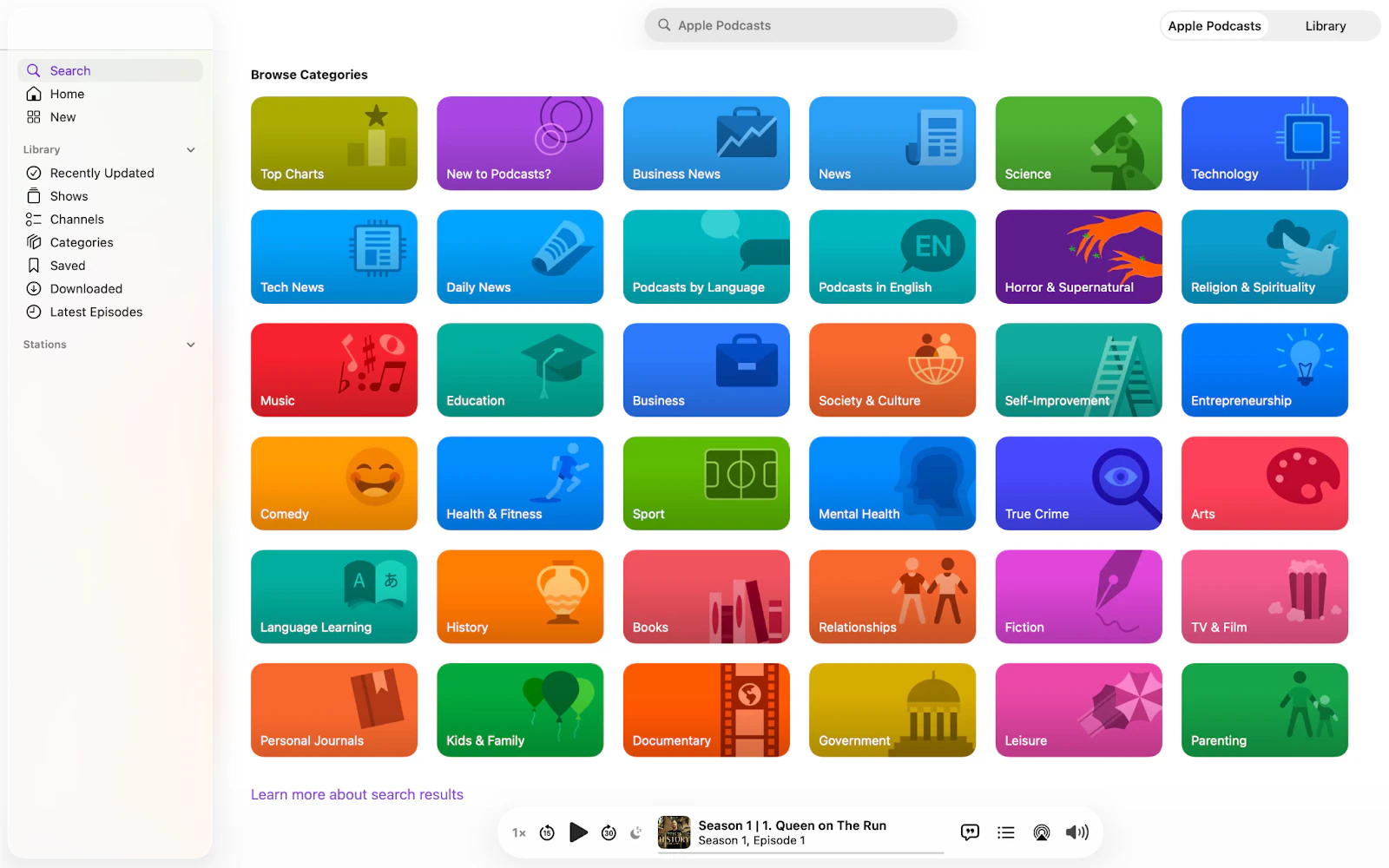
YouTube and podcast sites: Check creators selling courses, templates, coaching, subscriptions, and newsletters.
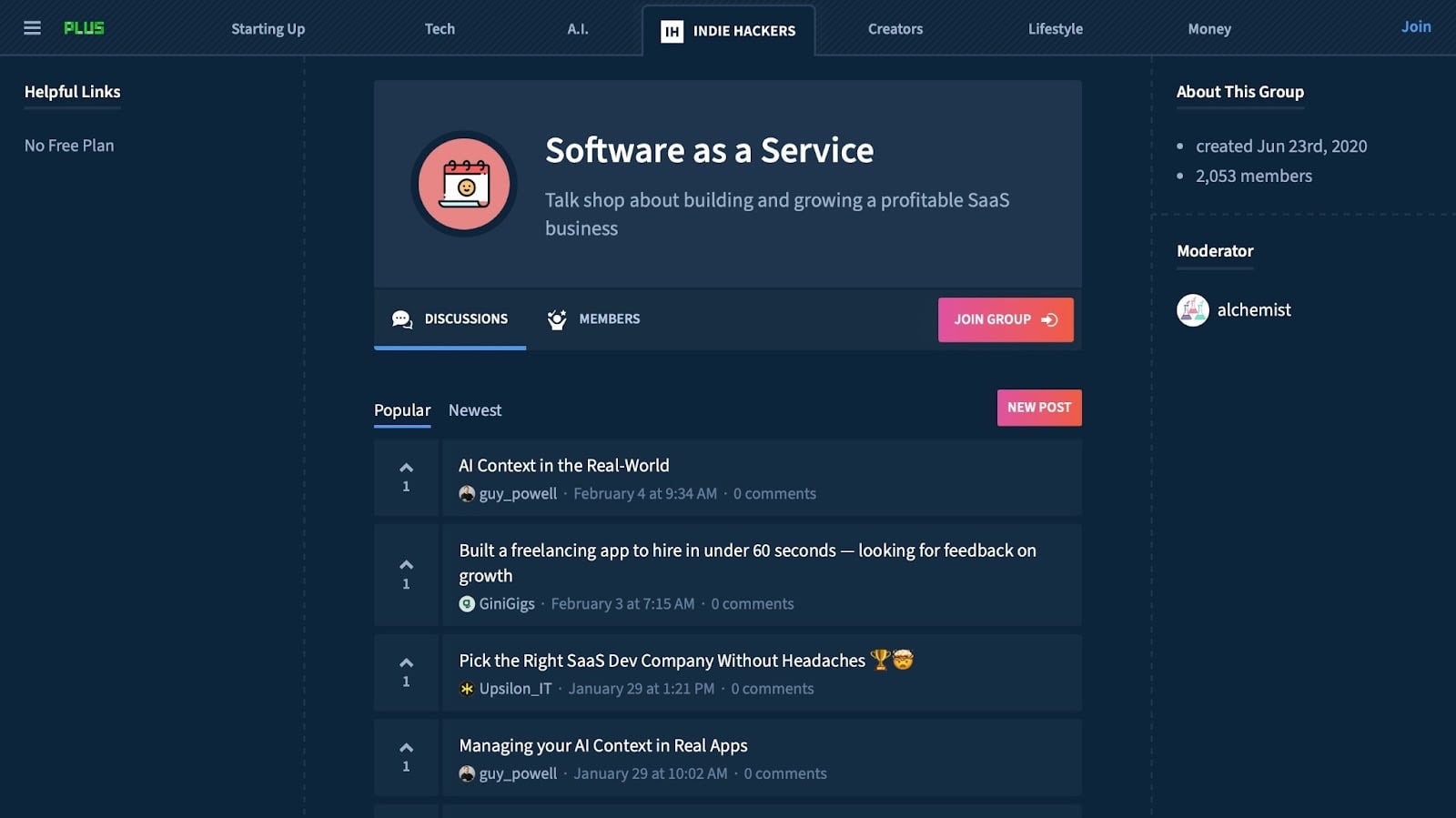
Online communities: Discussions on Reddit, Facebook Groups, the Indie Hackers forum, and Discord can inform you about people’s problems and the solutions they seek.
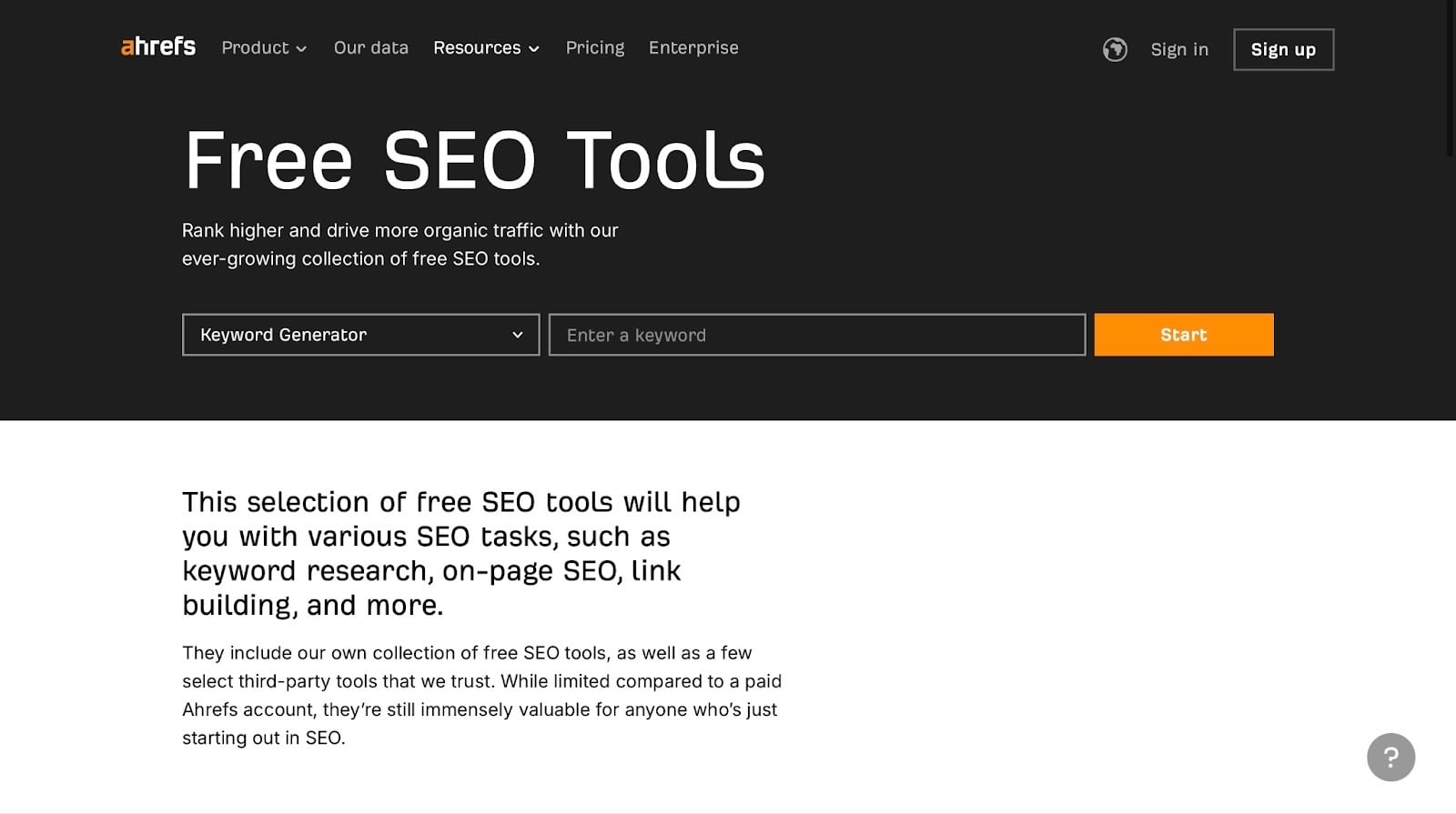
Keyword research tools: Ahrefs, SEMrush, Lowfruits, and AnswerThePublic can show you what people already search for, which signals buying intent.
Affiliate networks: Check Awin (formerly ShareASale), PartnerStack, and CJ Affiliate. If affiliates exist, there’s money to be made.
Job boards: Jobs that service companies repeatedly hire for on Upwork, Fiverr, Toptal, and We Work Remotely show business demand.
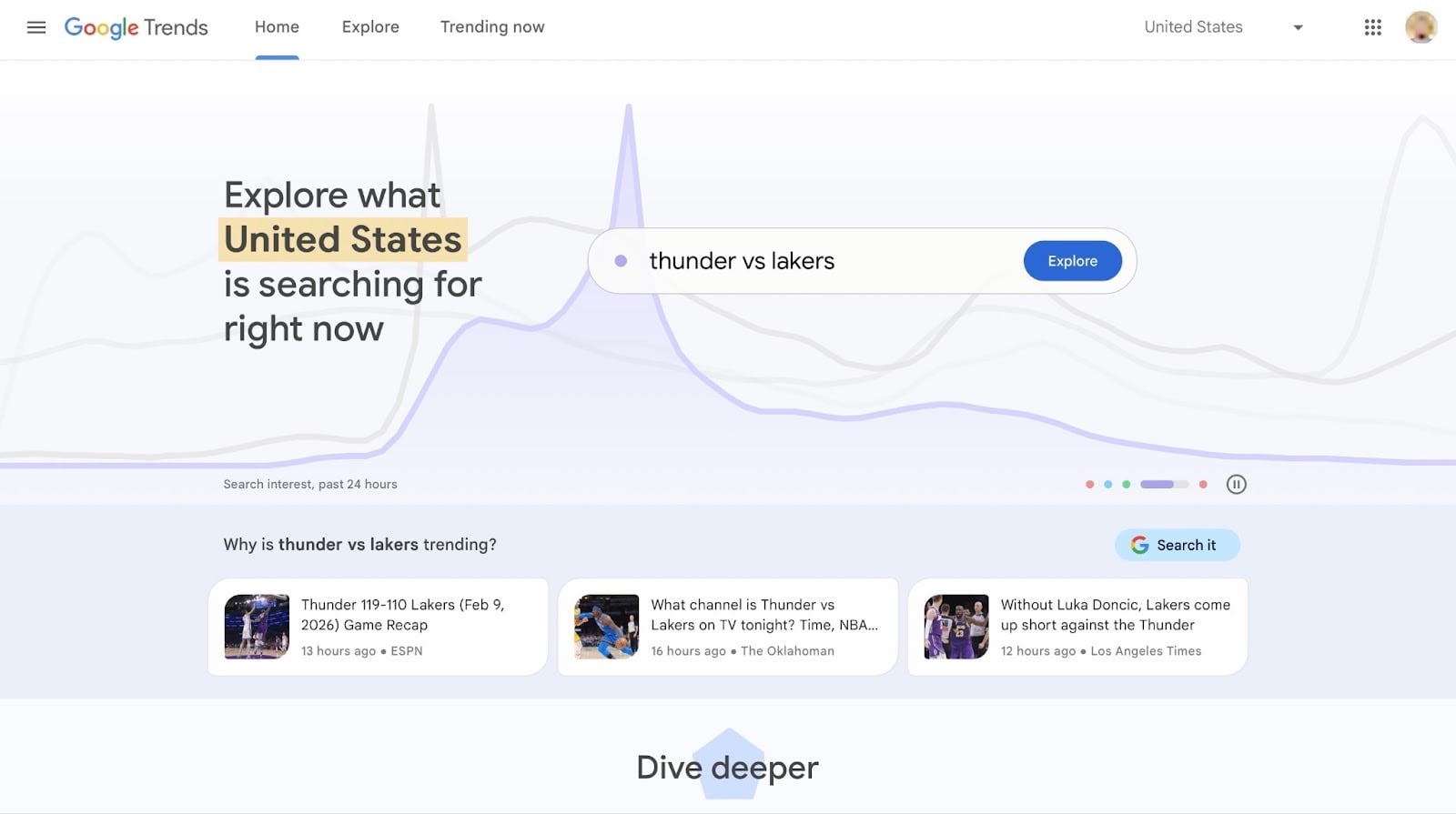
Trend platforms: Check Google Trends, Trends.co, and Exploring Topics to identify emerging niches, challenges, and demand for specific software.
Competitor blogs: Find what niche blogs, review sites, and SaaS comparison pages rank for, promote, and monetize.
Your own problems: The software you pay for, the challenges you and others want solved, can also give some online business ideas.
How to choose a profitable online business idea
To choose a profitable online business idea, you should:
- Identify your skills and passion
- Solve a specific problem
- Check market demand
- Consider scalability and automation
Now, let me explain each factor in detail.
1. Identify your skills and passion
You should identify your skills and passion when choosing a profitable online business idea.
Your skills are what you already know how to do. It could be technical like writing, design, coding, and marketing.
It can also be creative, like music, dance, video editing, photography, and more. Or practical skills like teaching, organizing, and researching.
Your passion is what you enjoy doing. Most often, people are skilled at what they enjoy.
And that’s a perfect combination because that keeps them consistent when things get challenging.
Take Michelle Schroeder-Gardner, for example.
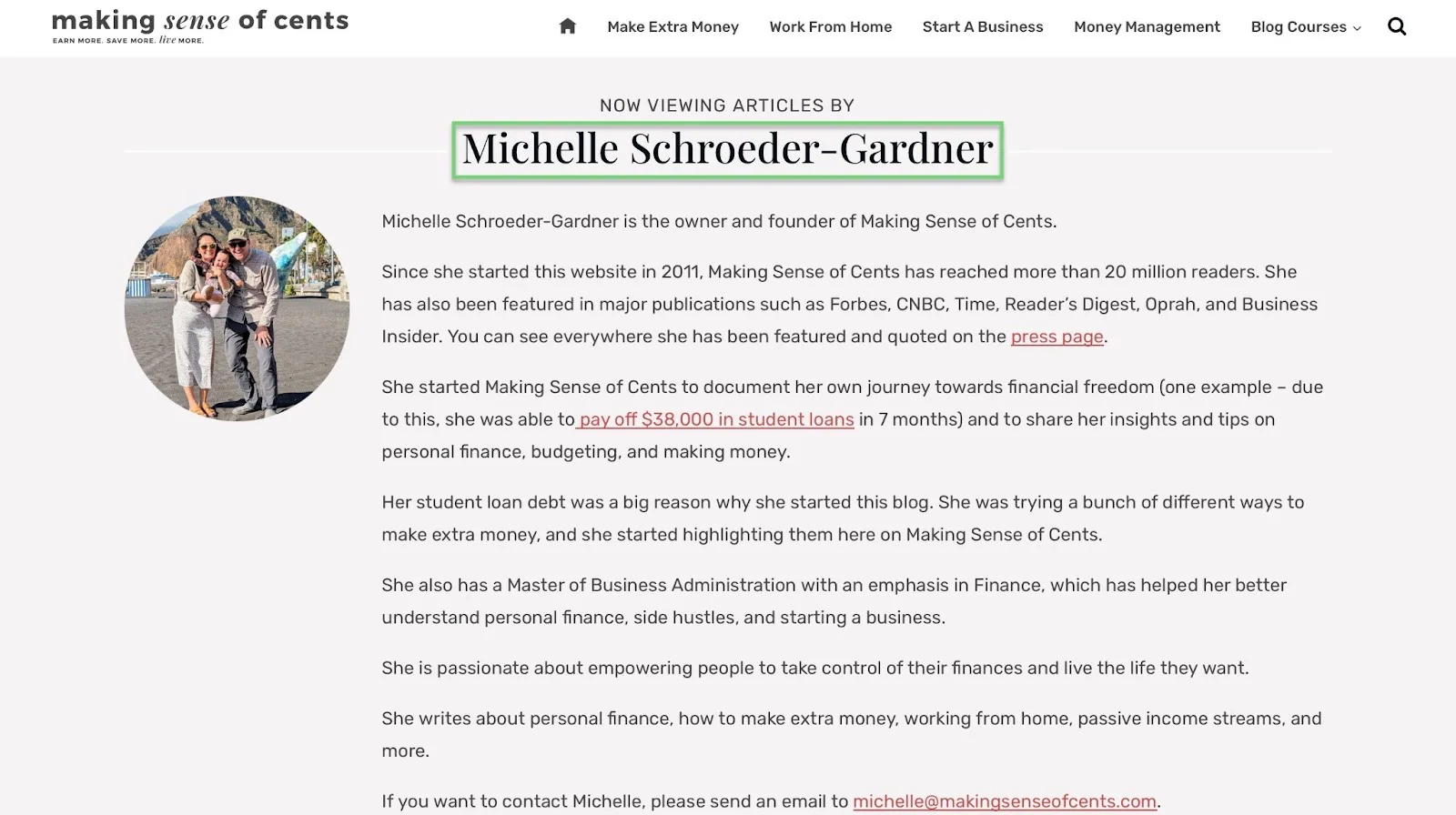
She enjoyed reading about personal finance and discussing money decisions, so she started a blog called Making Sense of Cents.
Now, she’s made $5M+ through blogging.
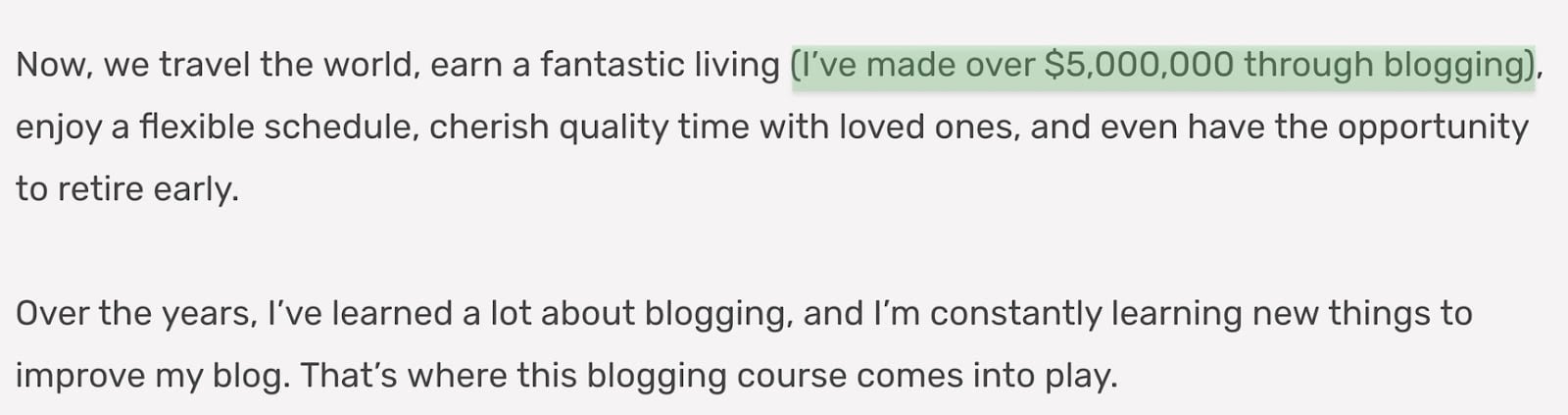
And 80,000+ people have taken her free course: How To Start a Blog.

Two things worked for Michelle. One, she was passionate about personal finance and talking or writing about it.
Two, she has a Master of Business Administration in Finance. Clearly, she has the knowledge and skills to offer money tips.
You can also identify your skills and passions by asking yourself key questions, like:
- What do people often ask me to help them with?
- What tasks do I normally do faster than others?
- What have I learned through work, school, or personal projects?
The next step to take is to connect those skills to an online business idea. For example, if you enjoy writing, you could start blogging, freelancing, or creating and selling e-books.
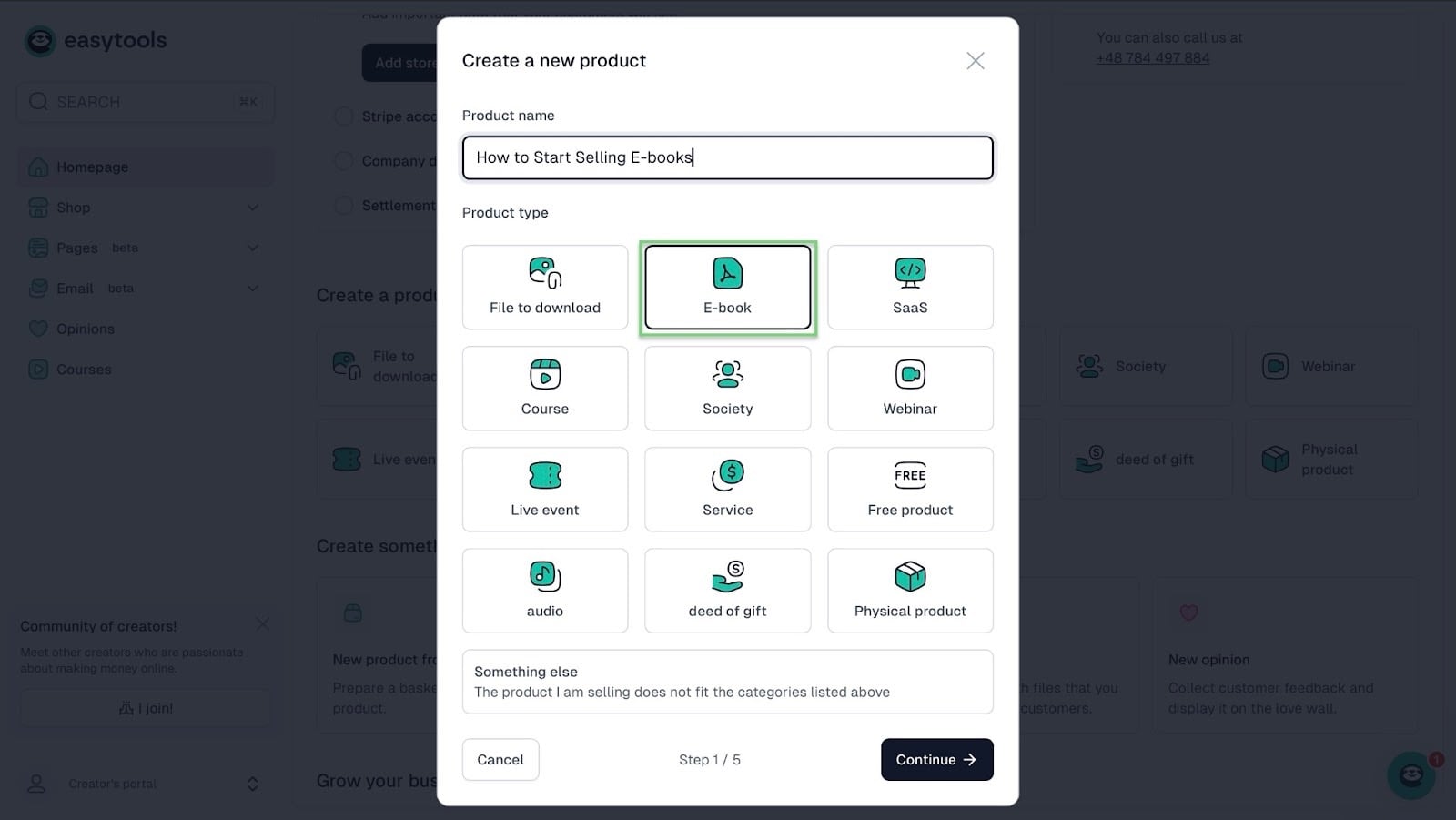
If teaching is your thing, then you could create an online course or start an online coaching business.
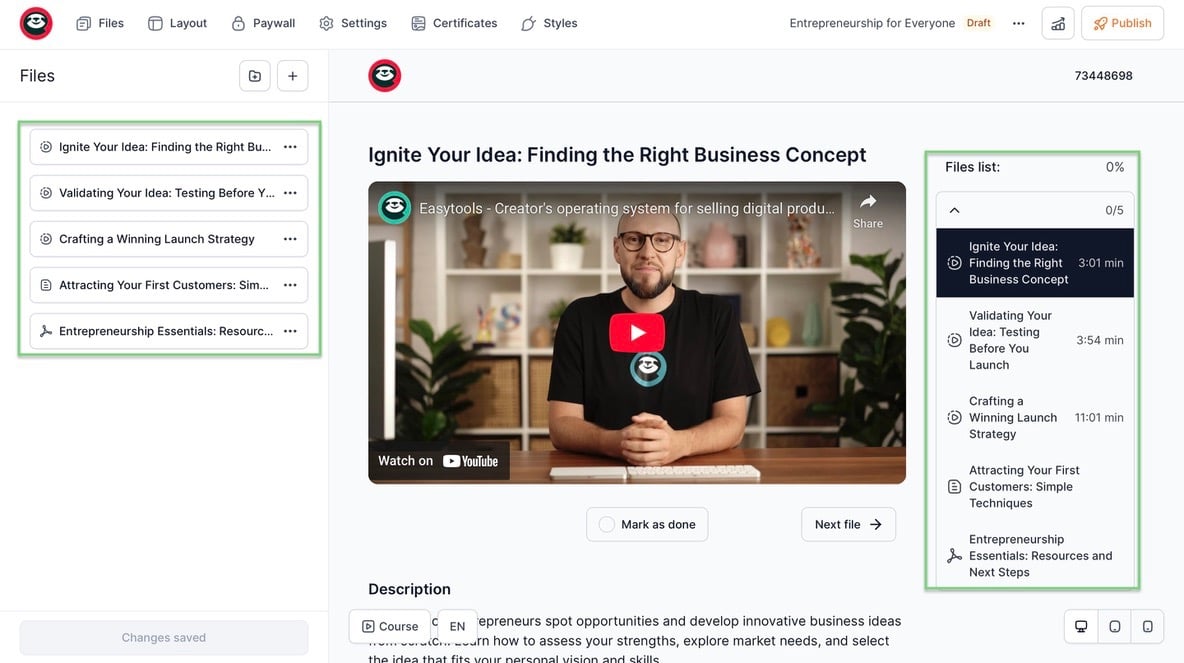
For those interested in design, templates, logos, and print-on-demand online stores are the right fit.
The goal is to stay consistent and improve over time. That is possible with discipline, but it’s easier if you choose an online business idea you’re both skilled in and passionate about.
2. Solve a specific problem
You should also choose a profitable online business idea that solves a specific problem.
Let’s get this straight: people will pay for the solution to their problems. The bigger and more crucial the problem is, the easier it is to make you money.
You’ll find that most people are already spending cash on their needs. They want to save time or make more money while working fewer hours.
People also want to stay healthy, learn new skills, or perfect existing skills.
So you want to solve those needs, not nice-to-have ideas people will ignore when money is tight. And you don’t just have to offer a vague or generic solution.
It has to be specific to the needs you want to address. For example, offer SEO services or lead-generation systems to small businesses struggling with markting.
YouTuber Thomas Frank realized that most people struggled with productivity, organisation, and task management.
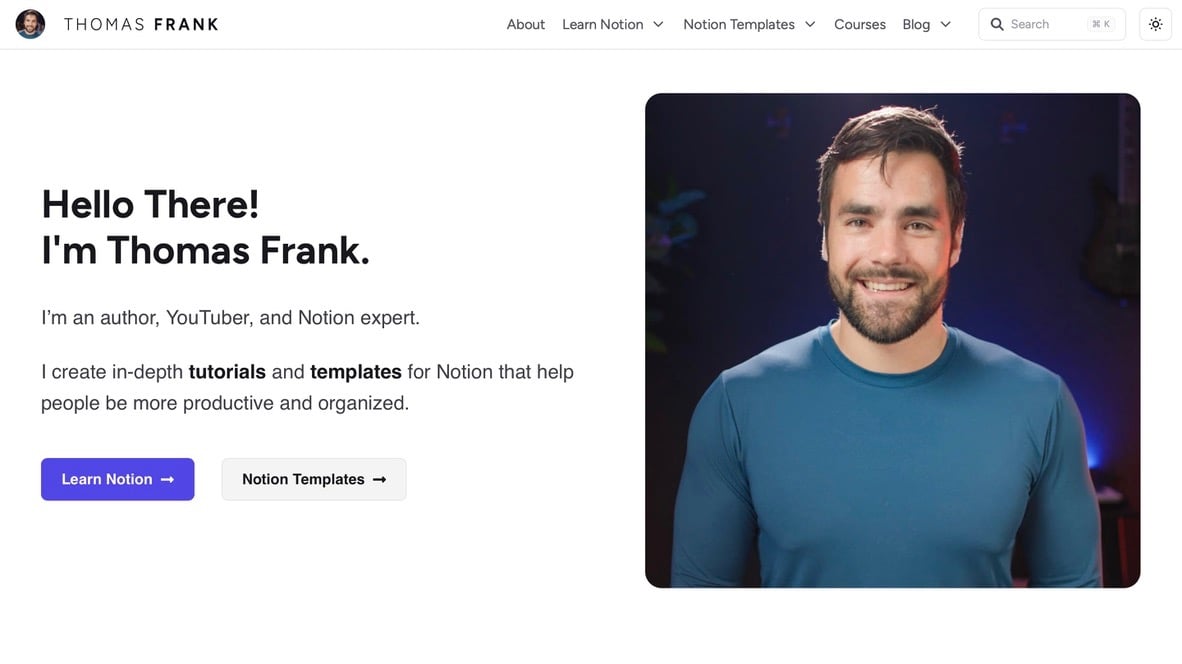
So he created Notion templates to help. Thomas also offers courses and tutorials on Notion.
As of April 2024, he had sold about $2.5M in Notion templates.
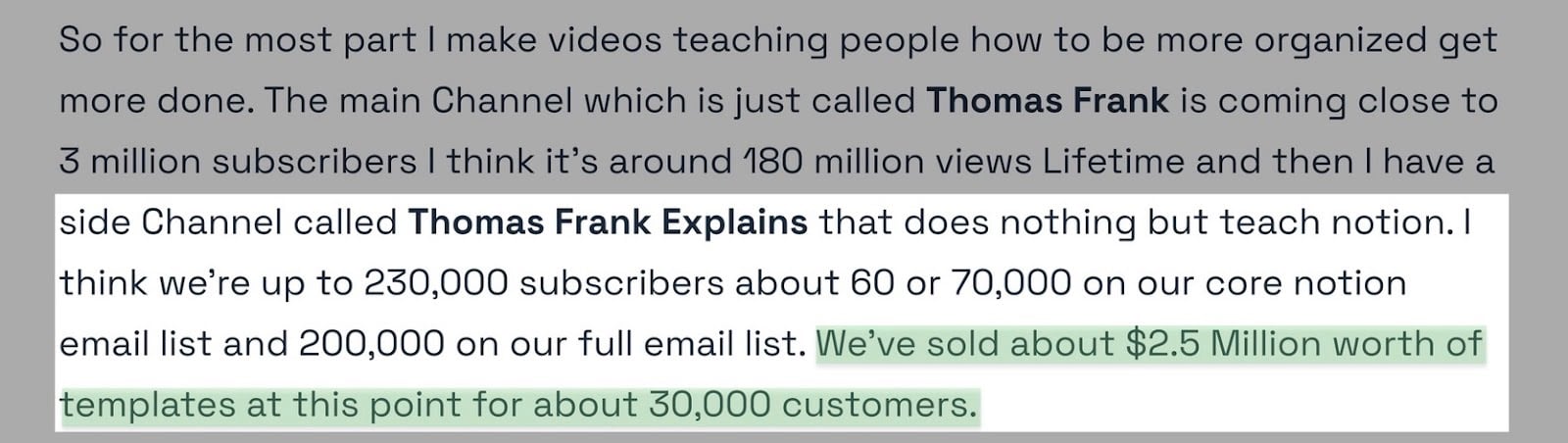
You just have to provide a specific solution to a problem people already care about. That’s exactly what Thomas did.
3. Check market demand
The third factor to consider when choosing a profitable online business idea is to check market demand.
You could be skilled and passionate about an online business idea, but without a vibrant market demand, it won’t be profitable.
You can check this through Google. I’ll show you how in a few simple steps.
First, turn your online business ideas into search phrases. These are buyer intent phrases.
If your original thought is “Is there a market demand for fitness blogging?”, a good search phrase will be “fitness blogging course.”
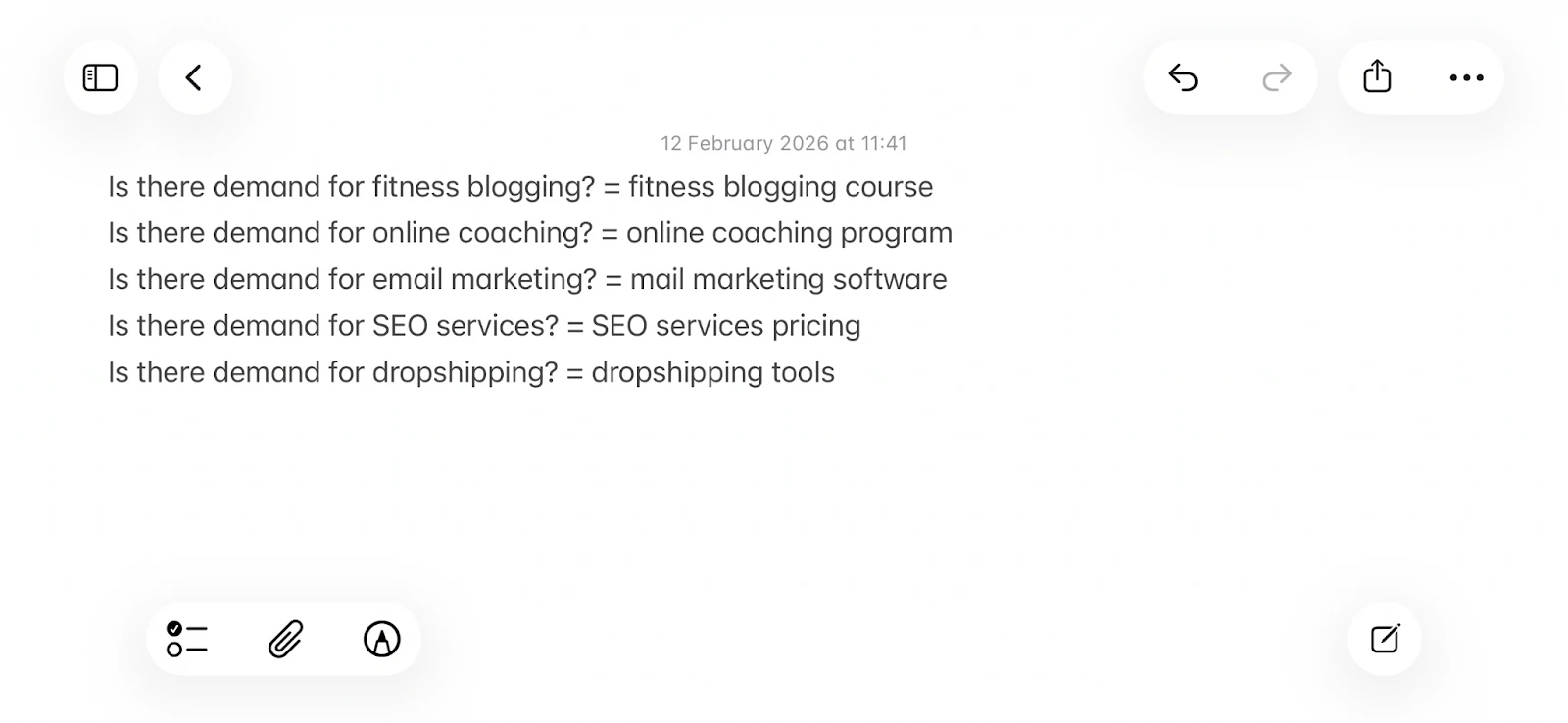
Here’s a table with more examples:
Once you have a good search phrase, go to Google and type your keyword in the search box.
Check for autocomplete suggestions when you start typing the search phrase.
For example, you could start typing “online coaching …”
Google might suggest:
- online coaching courses
- online coaching platforms
- online coaching certification
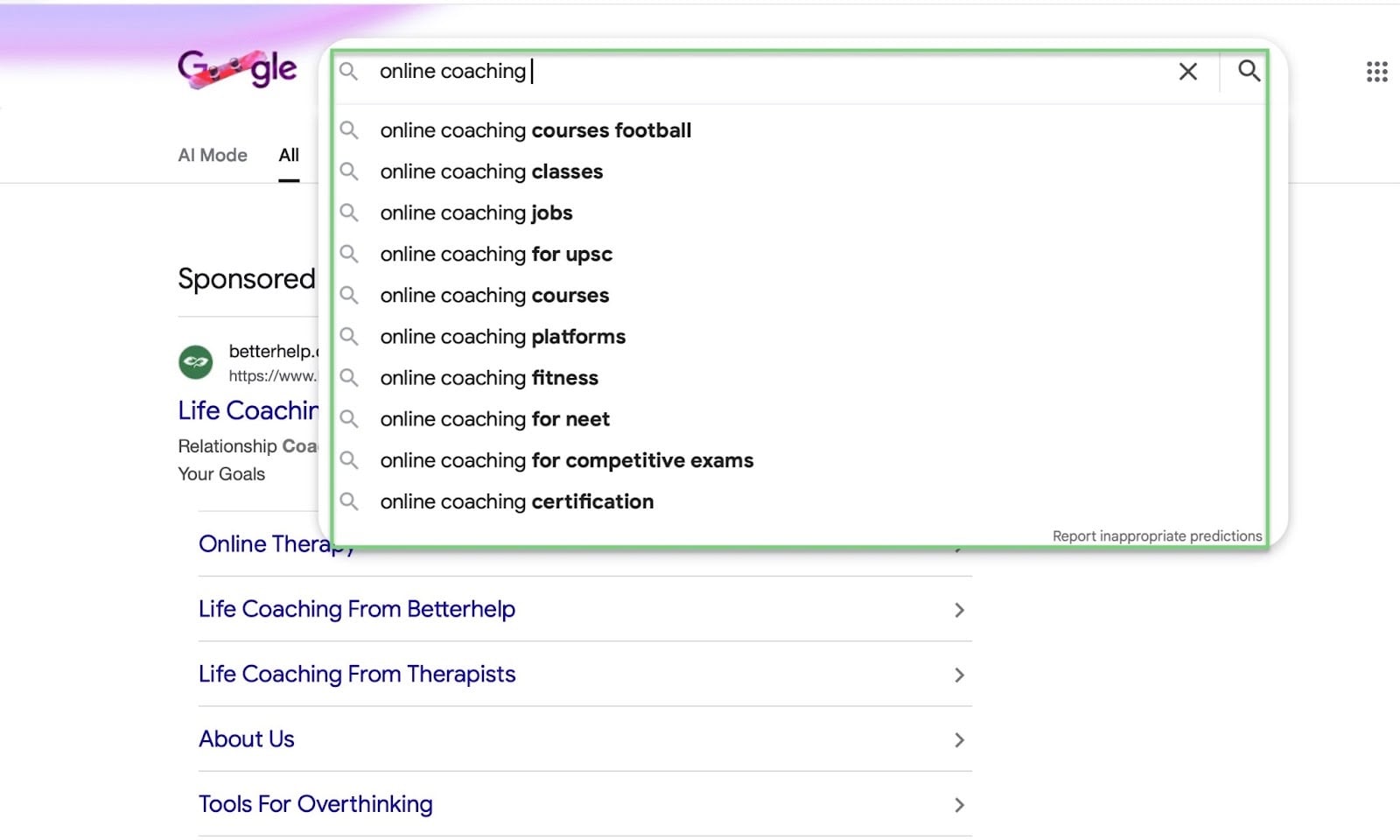
These come from previous searches. Which means people are searching for it. When you’re done typing, hit the search icon.
Google will show the search results. If there are many result pages and you already see businesses, blogs, ads, and tools, there’s a high demand.
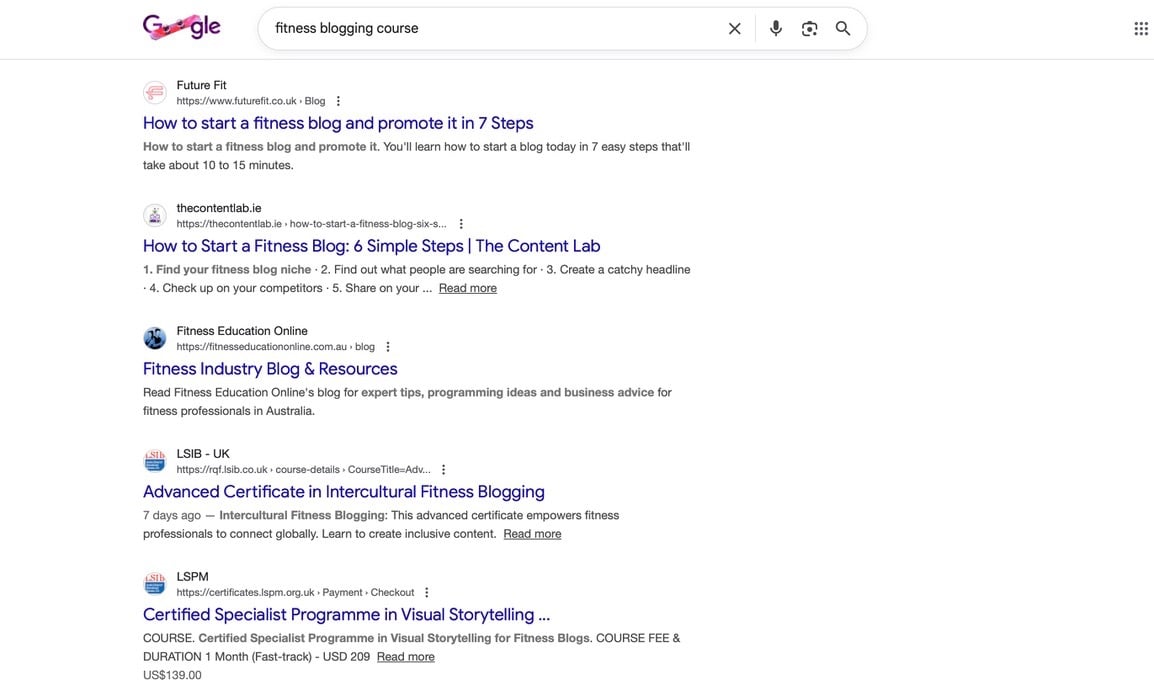
On Google’s search result page, you can also find the “People also ask” box.
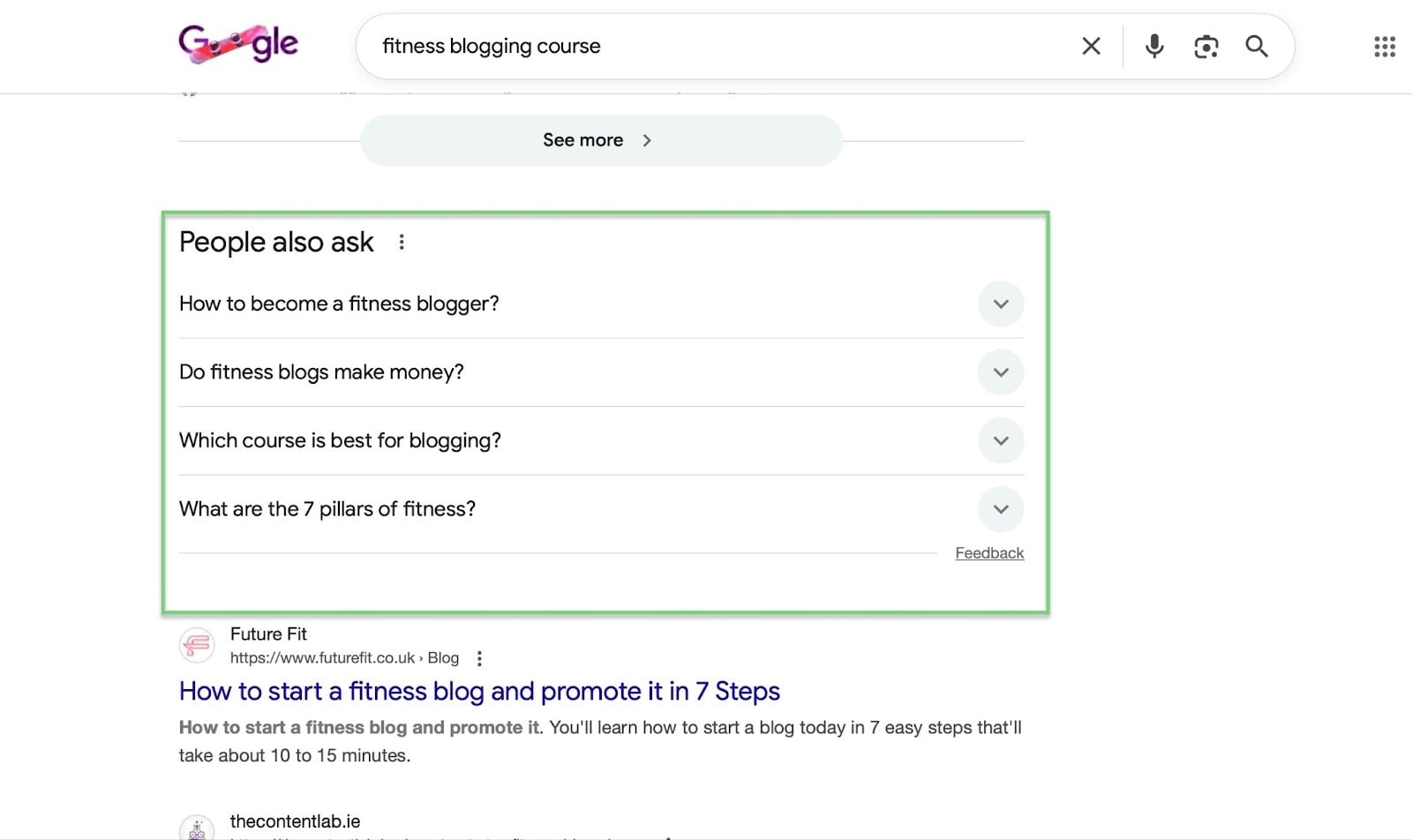
It shows actual questions people are asking. These questions are the solutions people need, and they show buying intent.
Which are all signs of demand.
You can also scroll down to the bottom of Google’s page to check out “People also search for.”
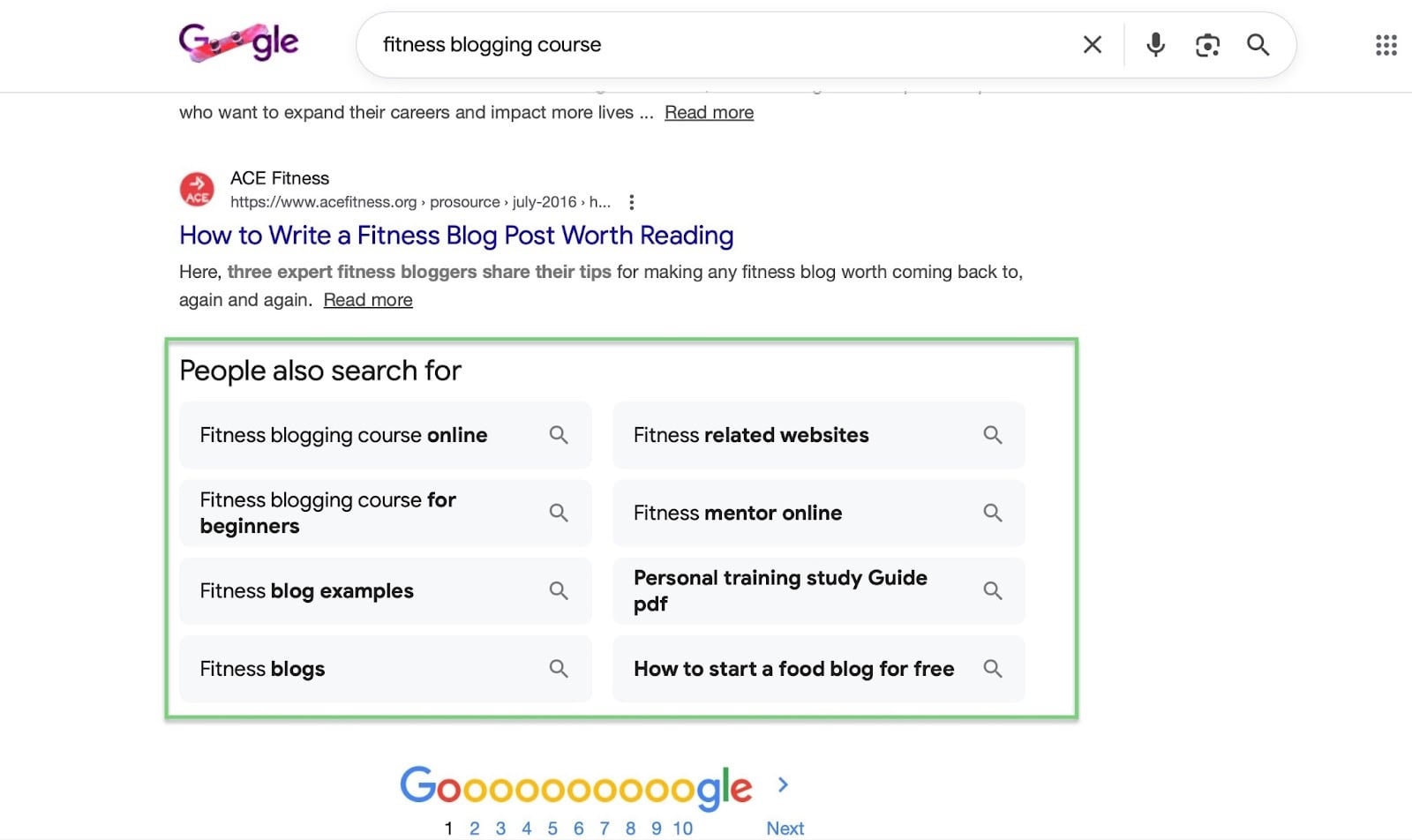
If you see more related searches, that shows greater interest and, thus, stronger market demand.
Just remember to combine all of this to get an accurate picture of the market demand for your online business idea.
And one last thing you have to do is to look at the dates of blog posts ranking on page one.
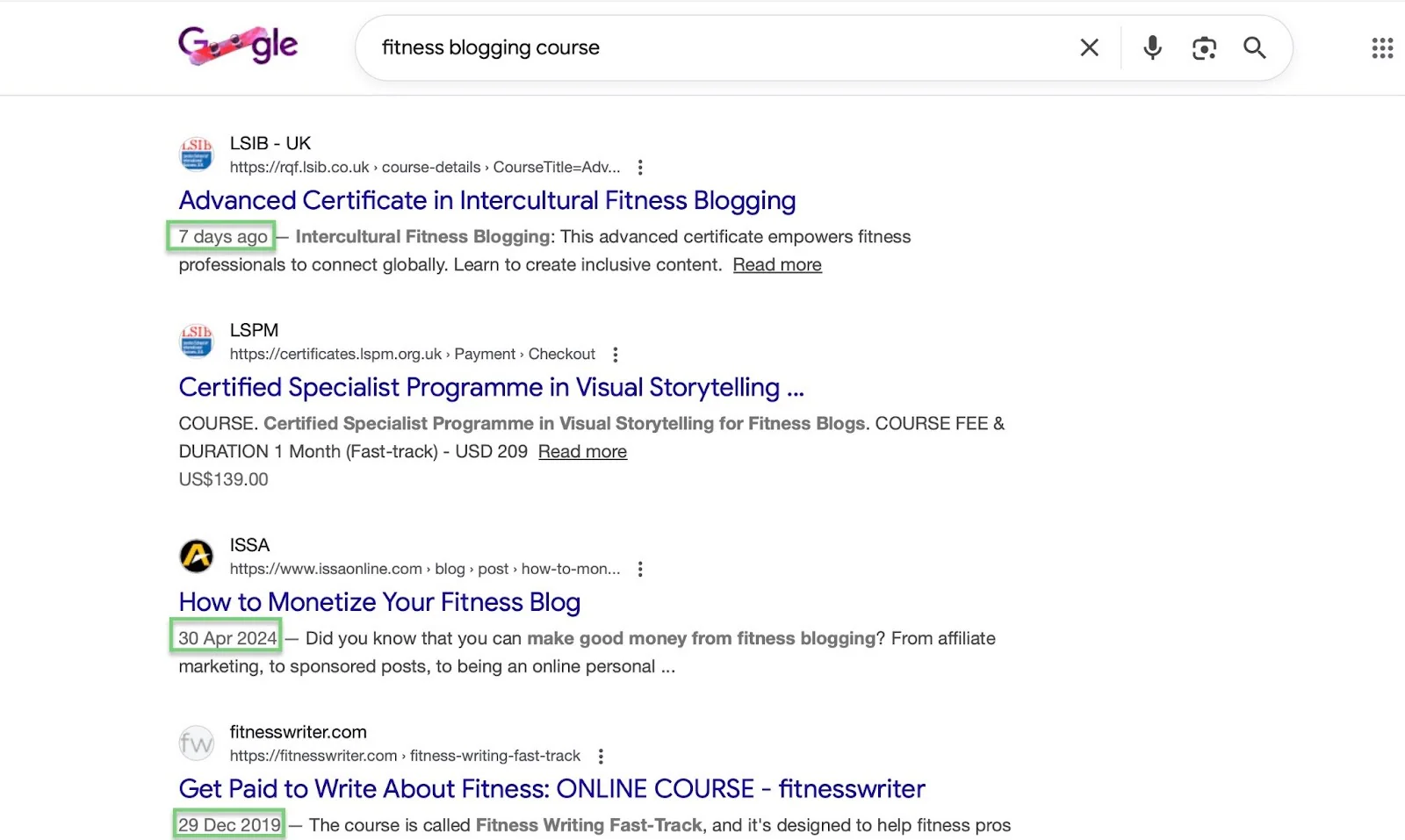
If many of them are recent (this year or last), that shows the market is still active.
4. Consider scalability and automation
Finally, you have to consider scalability and automation.
Online business ideas should go beyond making money. You should be able to grow it without increasing time and effort.
The online business idea should be automatable. So that you can automatically accept payments, make deliveries, execute onboarding, and follow up.
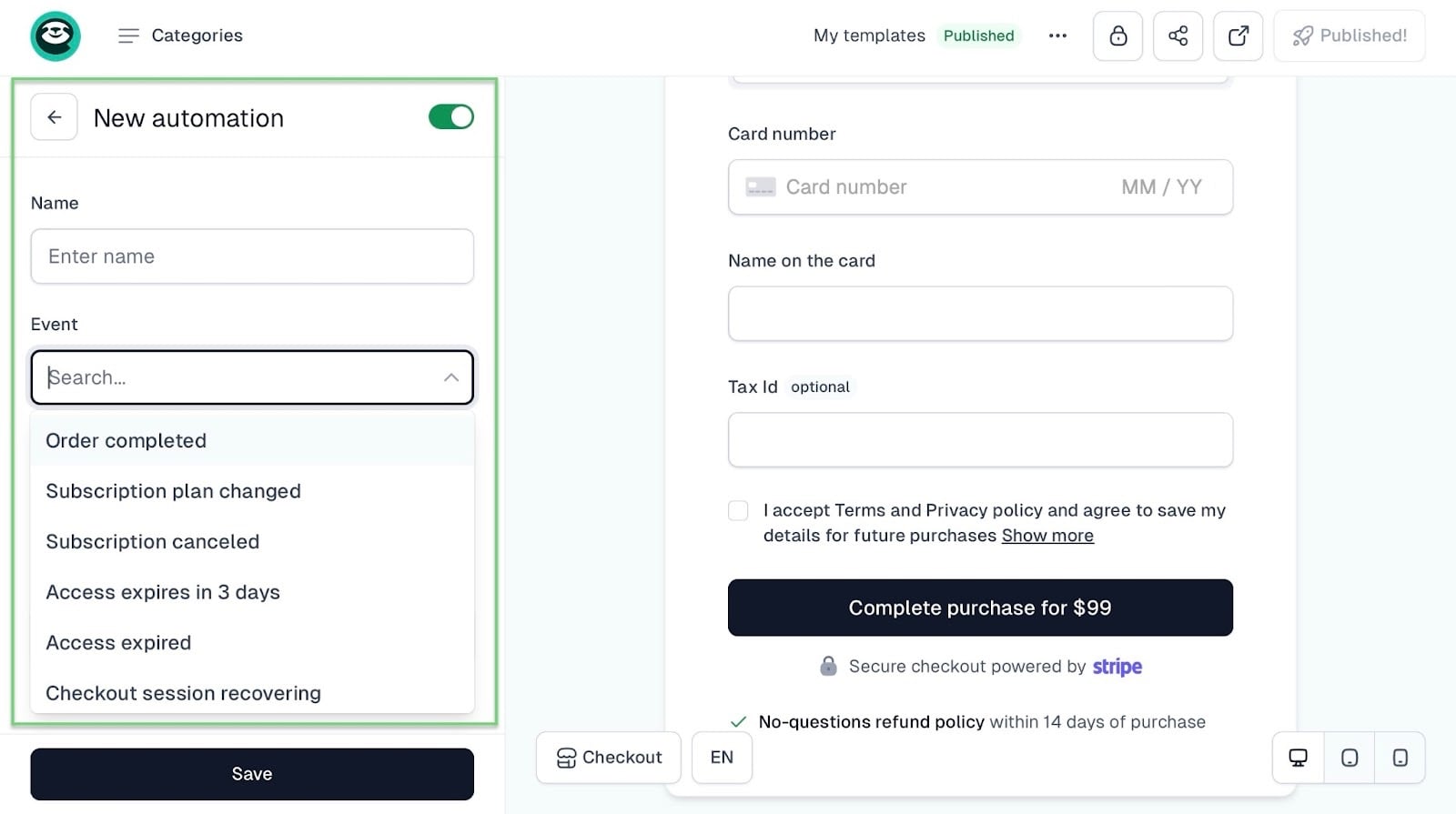
Let’s compare two online business ideas to determine which is more likely to scale without extra cost or effort.
Take freelancing. It often grows slowly because customers need your time. You can’t automate that.
If you freelance in graphic design, one customer may mean five to ten hours of work.
Ten customers and that’s days of work. That means earning more requires working more.
But e-books, Notion templates, and other digital products can be accessed by 20 or 20,000 students without your involvement.
This table compares freelancing and digital product online business ideas.
My point is freelancing pays, but digital products scale better with automation.
Choose the right profitable online business ideas
It’s a good thing you’ve made it to the end.
Because now you know 50 profitable online business ideas. You also know what you need to start, how much you can earn from it, what it takes to start, and what platforms you can use.
And don’t forget the four factors that’ll help you choose a profitable online business idea.
You should use your skills, solve a problem, check market demand, and consider the idea that can scale.
It’s now time to turn any of these profitable online business ideas into reality.
Go win!