Blog
How to start a coaching business online? (+30 real examples of successful coaches)
Learn how to start a coaching business online with simple steps, top platforms, pricing tips, and common mistakes to avoid.
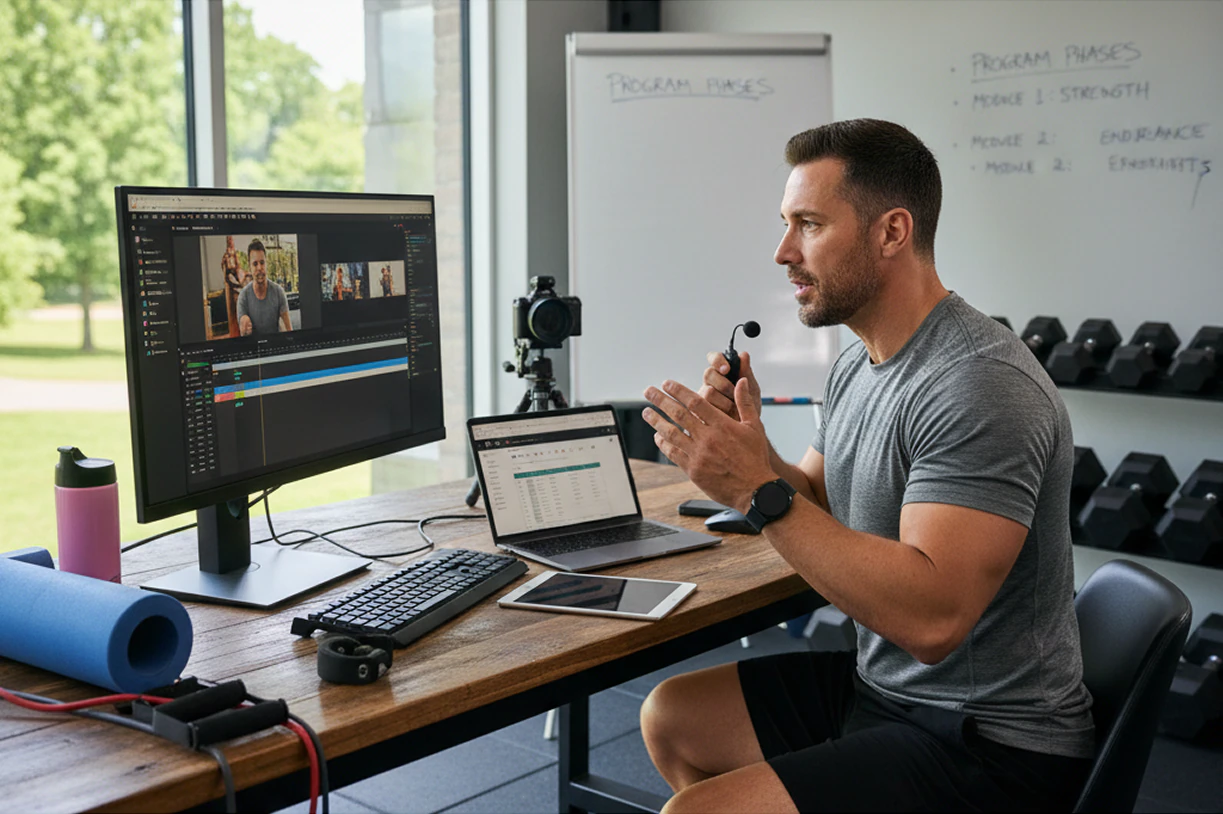
The average annual pay for online coaching in the United States is $65,247.
Remember, it says “the average,” which basically means it can still go higher or lower depending on many factors.
Starting an online coaching business can be highly profitable when done correctly.
But without the right knowledge, you will definitely end up frustrated, and I don’t think this is what you want.
I wrote this article for aspiring coaches, content creators, and entrepreneurs looking to start a coaching business online. It’s an easy step-by-step guide.
I’ll also share common mistakes new coaches make and how to avoid them.
If you want to learn more, keep reading.
Let’s go!
How to start a coaching business
Here are the six steps to consider if you want to start a coaching business:
- Step 1: Define who you coach and the problem you solve
- Step 2: Create a good coaching offer
- Step 3: Set your pricing
- Step 4: Set up the basic business foundations
- Step 5: Launch your coaching business
- Step 6: Market and get your first customers
Each step can’t be completed without the next, so I suggest you go through everything for a better understanding.
Step 1: Define who you coach and the problem you solve
This is the first step in staring a coaching business. You define who you coach and the problem you solve.
These two aspects give clarity and legitimacy to your business. You can’t just be a “worldwide coach” solving any problem.
Imagine someone’s bio on social media saying, “I help everyone.” Do you really think serious customers would reach out?
There is nothing serious about that.
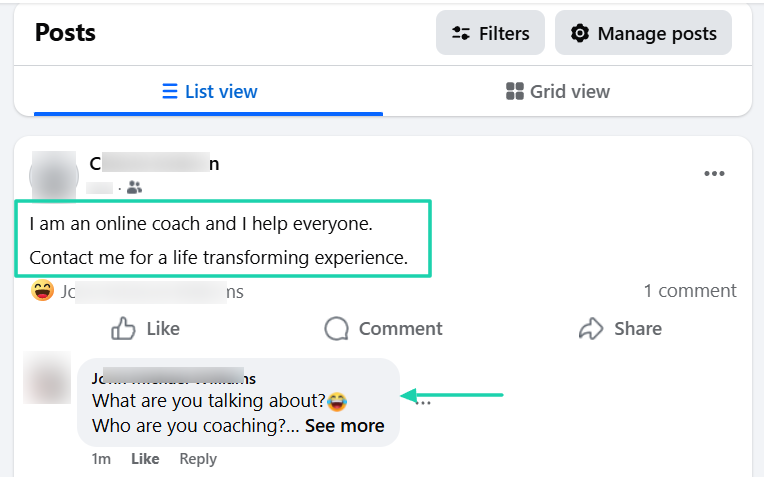
You’ve got to define a specific target audience.
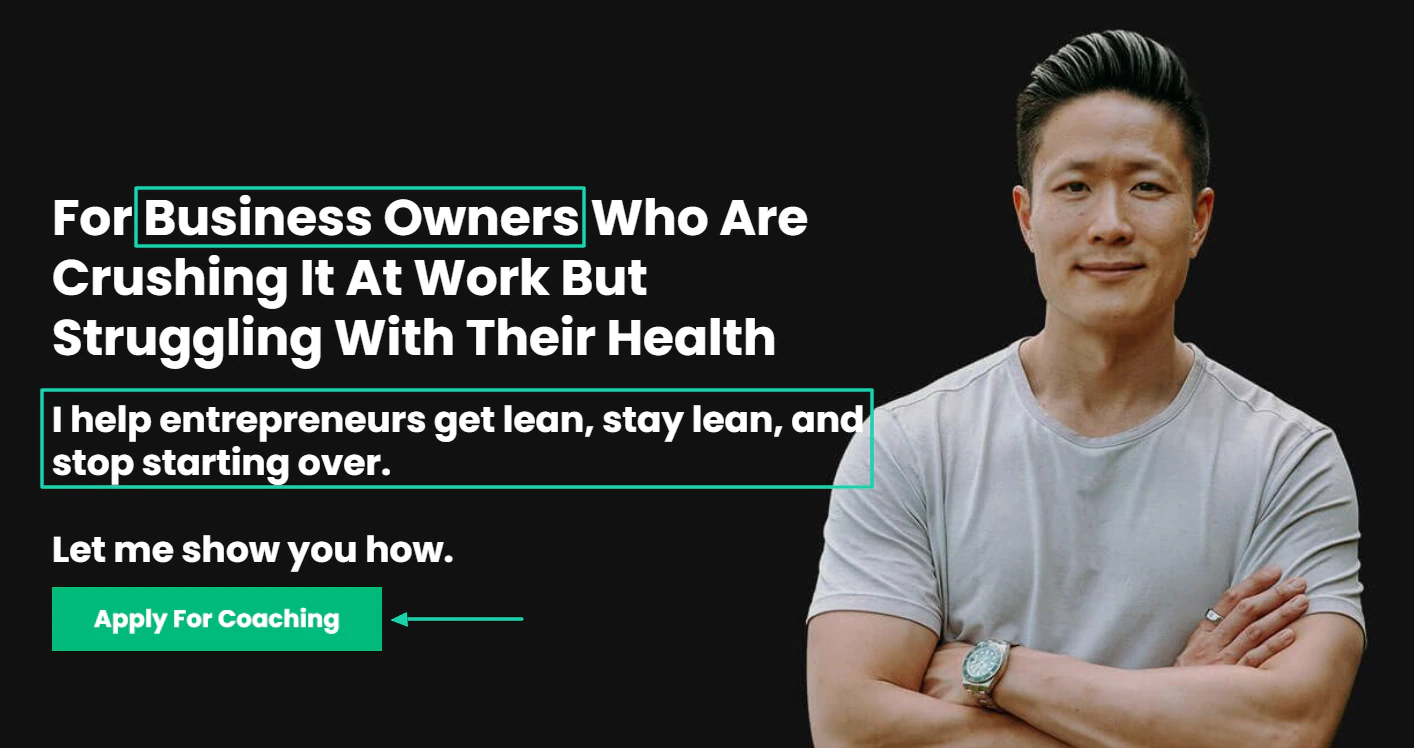
A good example of someone who does this is Dan Go. He offers coaching services only to business owners who are busy with work and struggle to take care of their health properly.
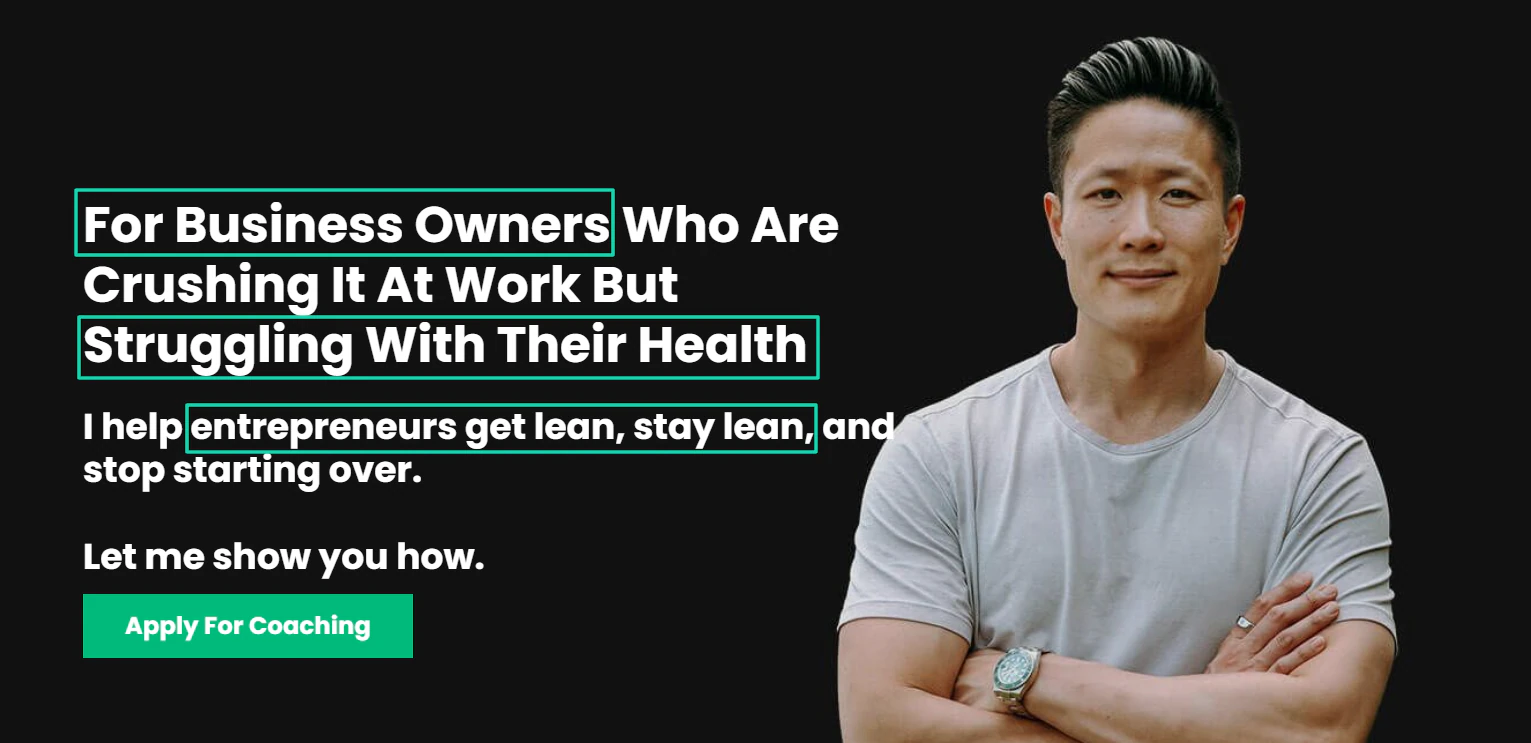
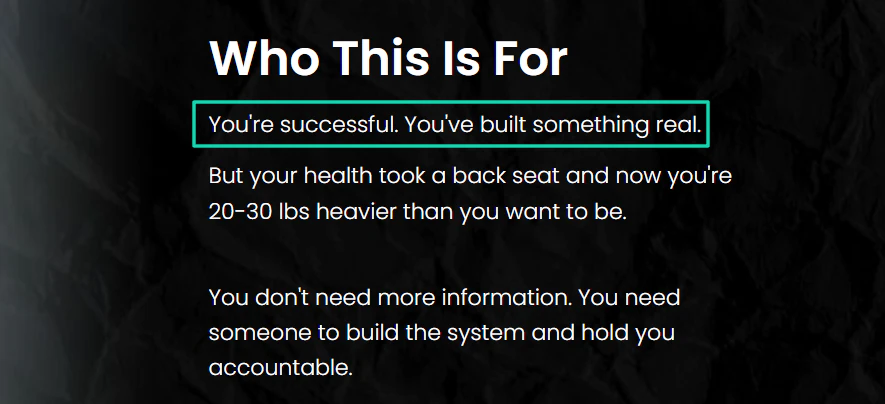
He made it clear that his business focuses on successful people who are 20 to 30 pounds “heavier.”
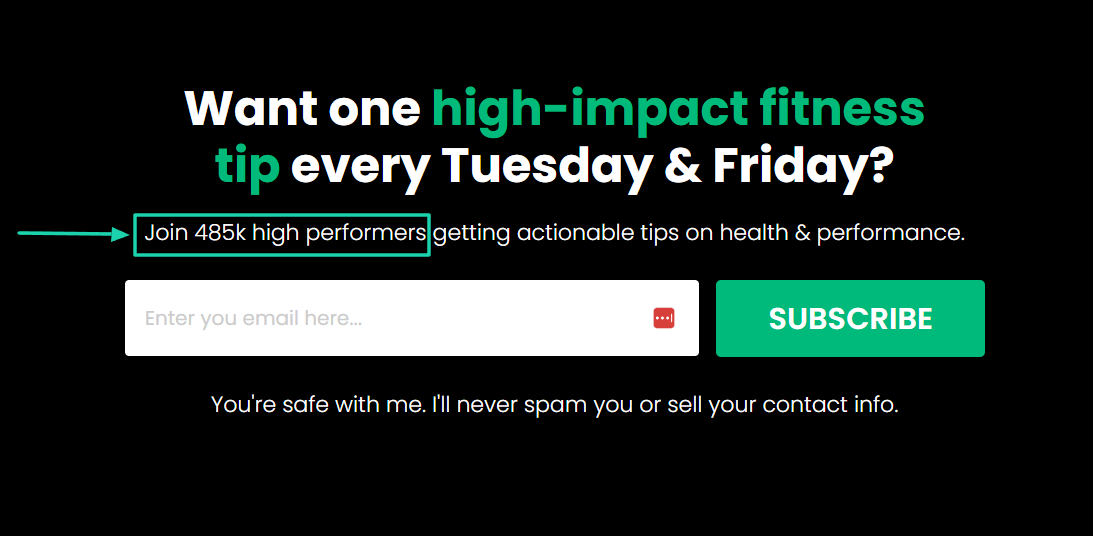
No wonder his newsletter has accumulated about 485,000 customers.
Dan’s success is largely due to his clearly defined target audience and the problem he solved. You should also do the same.
The thing is, your target audience is in a specific niche, like:
- Health and wellness coaching
- Life coaching
- Business and entrepreneurial coaching
- Relationship coaching
- Personal development coaching
- Financial coaching
- Career coaching
I’m sure you’d now like to know how to define who you coach and the problem you solve. That’s easy.
First, think about the tough challenges you overcame in your life: you lost weight, started a profitable business, coped with an illness, raised a child, or saved your marriage when it was on the brink of divorce.
So many people worldwide suffer from the same challenge you had. They are looking for a solution from someone who understands their pain and can truly help. You can be the coach they are looking for.
Your past struggles can become your coaching strengths.
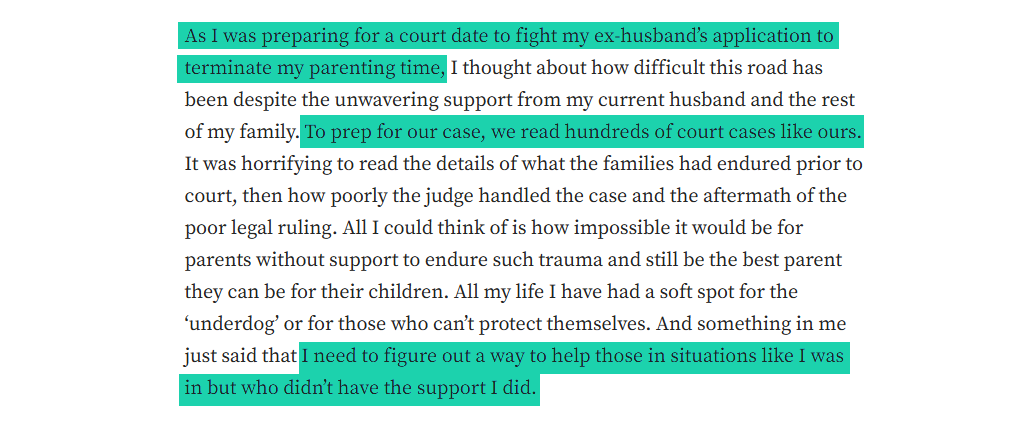
Take Trish Guise. She experienced a 12-year high-conflict divorce, with many court battles. She realized that many others were in the same situation.
So, she founded Divorce & Co-Parent Coaching to help people in situations like hers who lacked the support she had.
Next, look at your skills. Knowing what you’re good at or what people often ask you to help with can be your coaching focus.
In a 2016 interview with Carmine Gallo, the renowned public speaker and business coach Tony Robbins said that public speaking was both a skill and a gift.
After recognising it early, he began practicing it. He has been doing so for over 39 years since that interview.

He knew he was good at it from the beginning and simply followed that path. Tony has impacted 100+ million people.
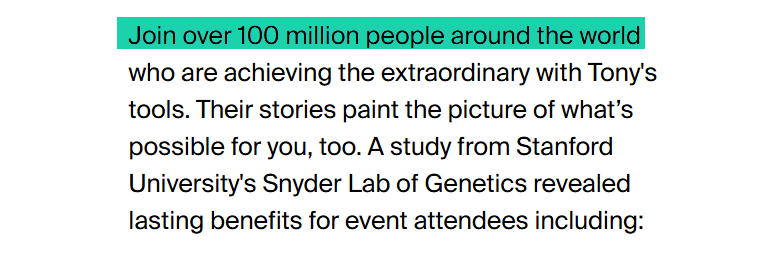
Like Tony, if you know you’re already good at something, why not give it a try?
Your past struggles can become your coaching strengths.
For example, you can help people with issues you have worked through a couple of times.
These are just examples of how you can identify your coaching focus. When you do, you will know both your audience and the specific problem to solve.
This is a simple formula you can use to know who to coach and what problem to solve:
I help [type of person] achieve [result] by solving [problem].
The online fitness and nutrition coach, Justin Barrow, is clear in his LinkedIn bio:
“I help busy men transform their bodies without sacrificing their favorite foods or spending endless hours in the gym.”
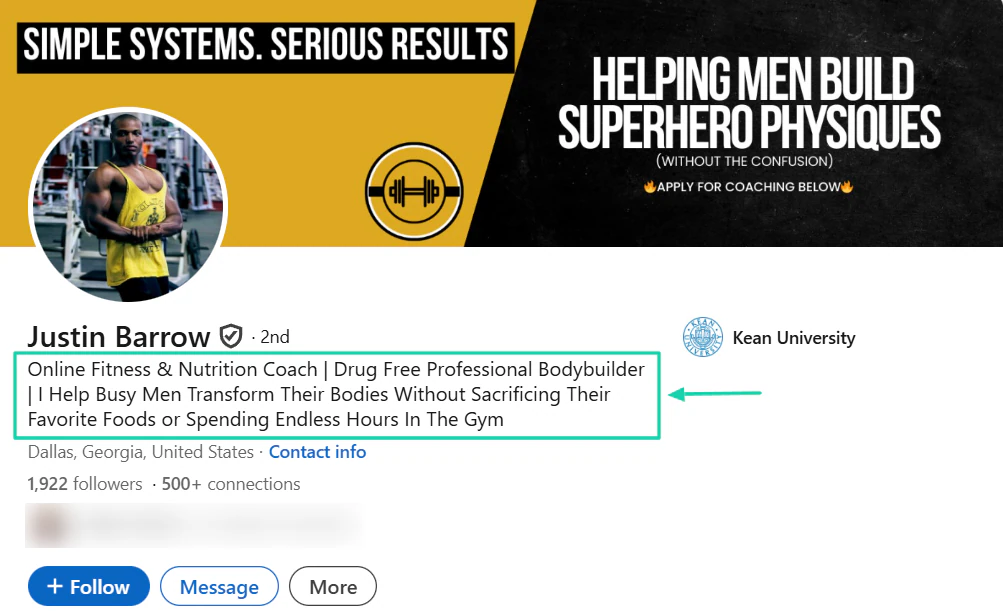
This is how you define your online coaching business. Now, let’s move to the second step.
Step 2: Create a good coaching offer
Creating a good coaching offer after you’ve defined your target audience and the problem you solve is the next step in starting a coaching business.
A good coaching offer is one that people actually want to pay for. And I hope you know people don’t buy “sessions” they rather buy outcomes.
In other words, people want to know exactly what they’ll receive after paying you. They imagine how their life will transform after working with you. For them, it’s not an expense; it’s an investment for a better version of themselves.
They want results like:
- Confidence
- Weight loss
- Better communication
- More money
- Clear direction
- Strong habits
Because of this, the offer you create must focus on the transformation.
This is what I mean. There should be at least three elements in your coaching offer, like a clear result, a clear timeframe, and a clear structure.
There is a difference between “ I coach people” and “I run a 6-week confidence program.” One is vague, while the other is clear and punchy.
The best example here is LloydsPharmacy. They sell nutrition coaching and the “clear” result they offer is weight loss in three months.
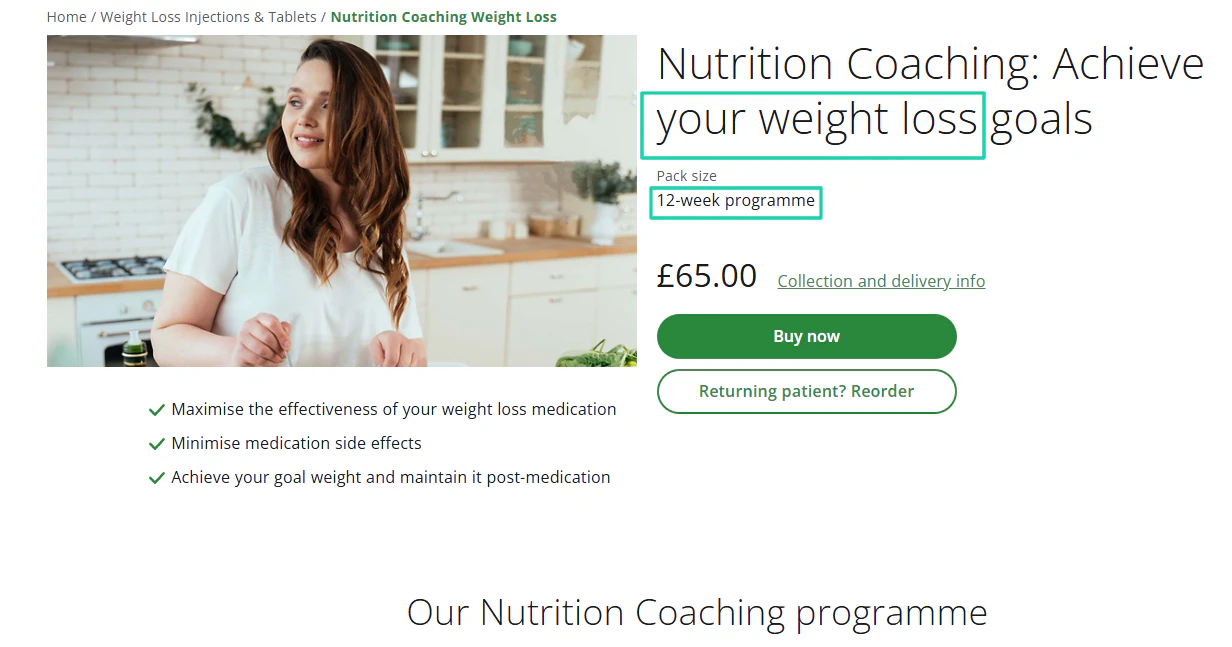
They also provide a clear structure of their nutrition coaching programme. This way, you know exactly what to expect.
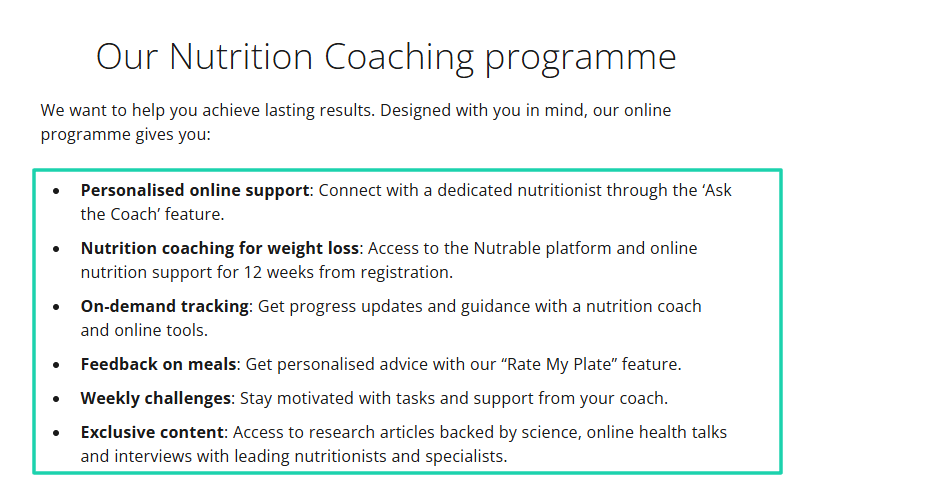
Now that you know what a good offer should include, let’s look at some popular offer types:
- 1:1 coaching offer
- Group coaching
- Packages
- Retainers
A. 1:1 coaching offer
This is probably the best option if you’re just starting your coaching business.
Because you coach one person at a time, you can build confidence and testimonials. You can also learn fast from real customers.
Another thing is that 1:1 coaching helps you better understand real problems. Which means you can quickly customize your approach.
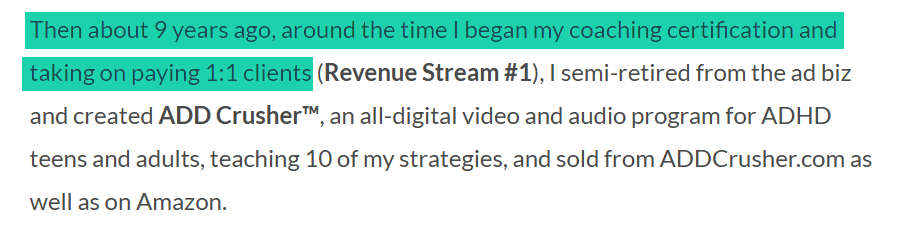
That’s what Alan P. Brown did when he started his coaching business before expanding. He was taking on 1:1 customers.
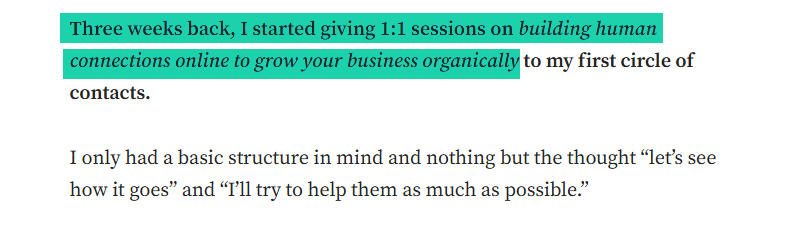
Writer and coach Shruthi Vidhya Sundaram has also said she started with 1:1 coaching.
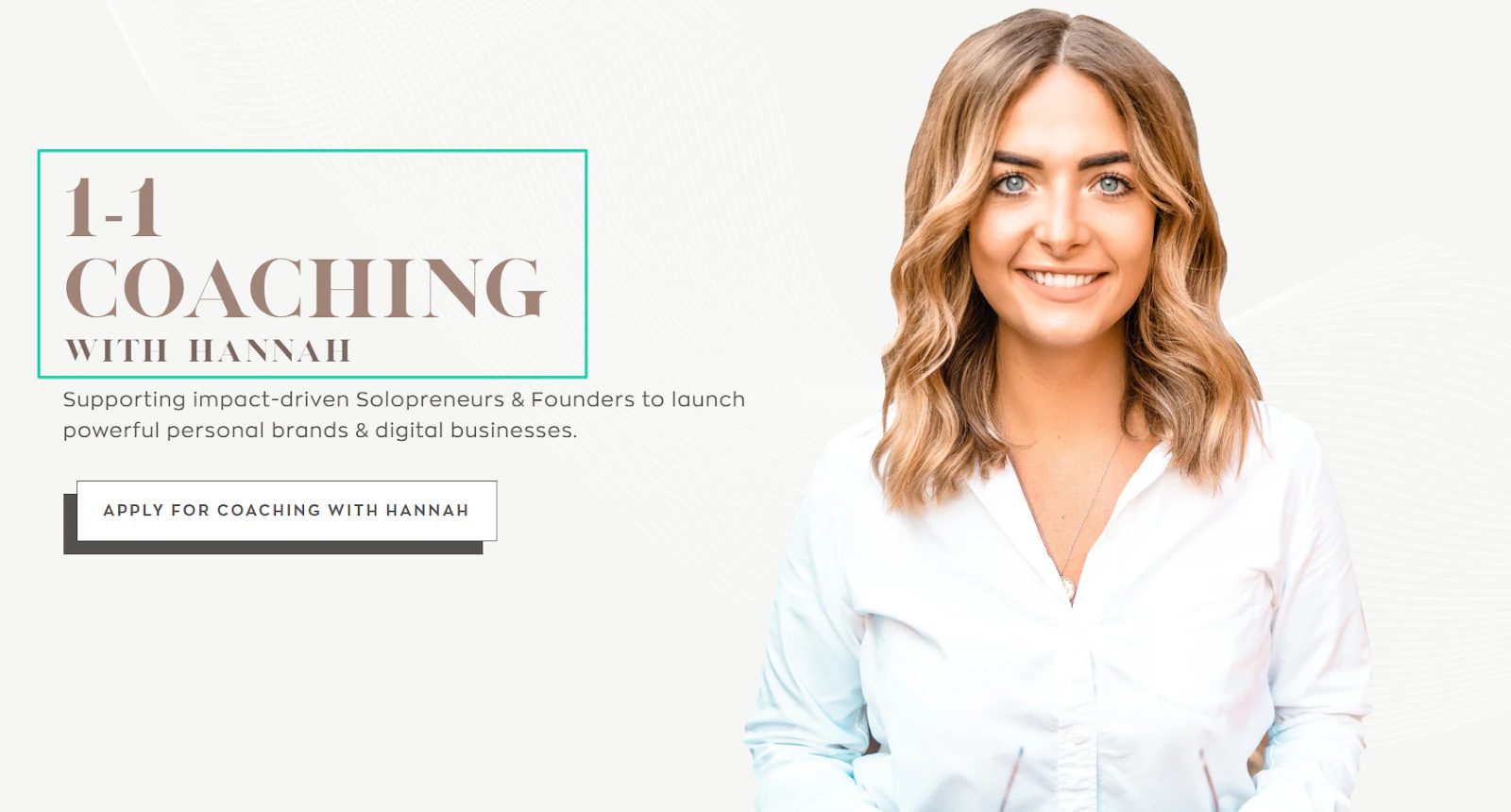
Others, like Hannah Power, are still offering 1:1 coaching.
The point is that 1:1 coaching is easy to get started with. You can use Zoom or Google Meet for video conferencing or make phone calls.
There is also the option to meet in person.
I’m not asking you to offer a one-time 1:1 session like Swoon Learning does. That’s a trial session for students to decide whether to commit to other packages.
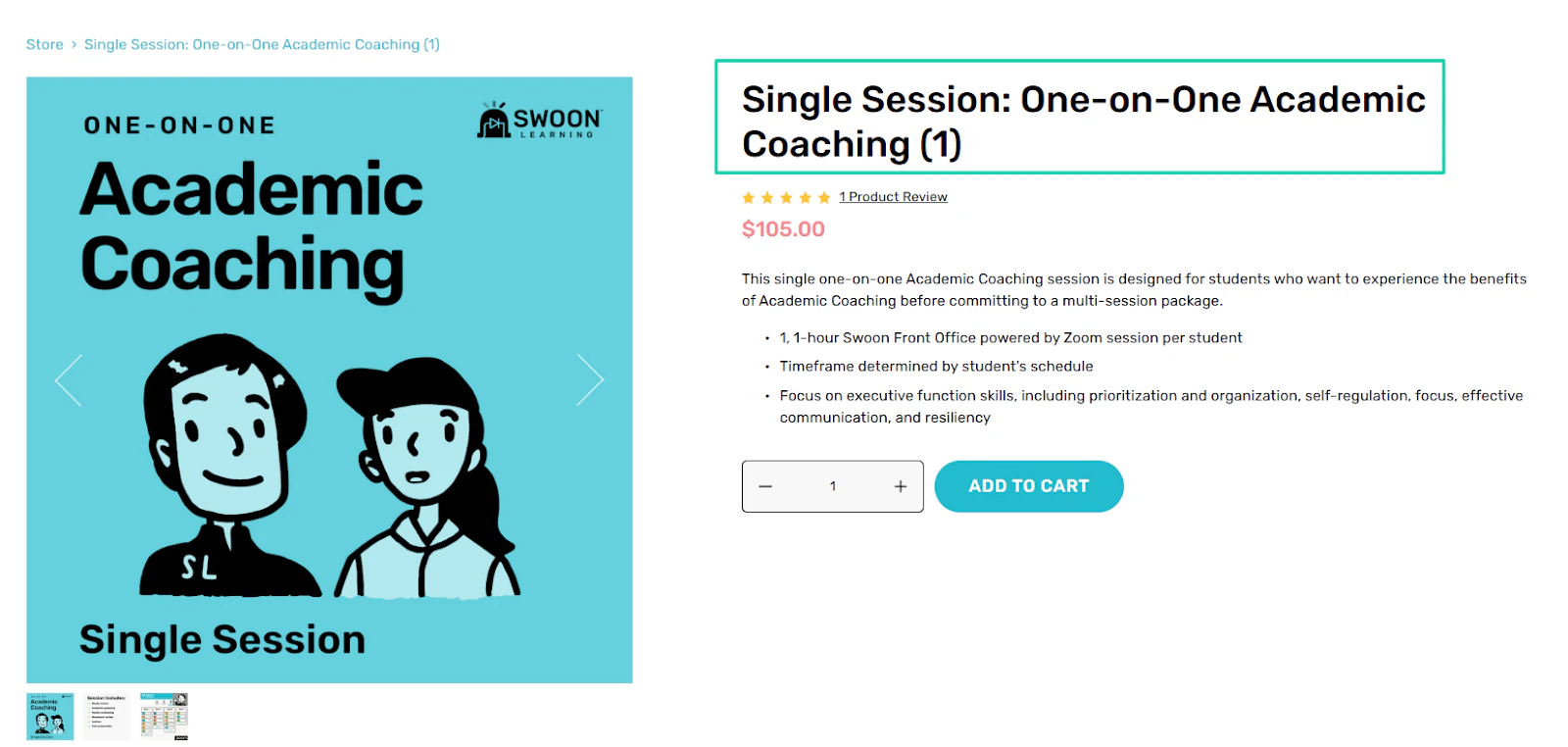
When you’re just starting out, it’s hard to drive real transformation in such a short time, and customers may not see results. So I advise you to hold off on that for now.
It’s best if your 1:1 coaching offers a package of a set number of sessions.
For instance, Become Coaching and Training’s 1:1 coaching program includes 6 sessions.
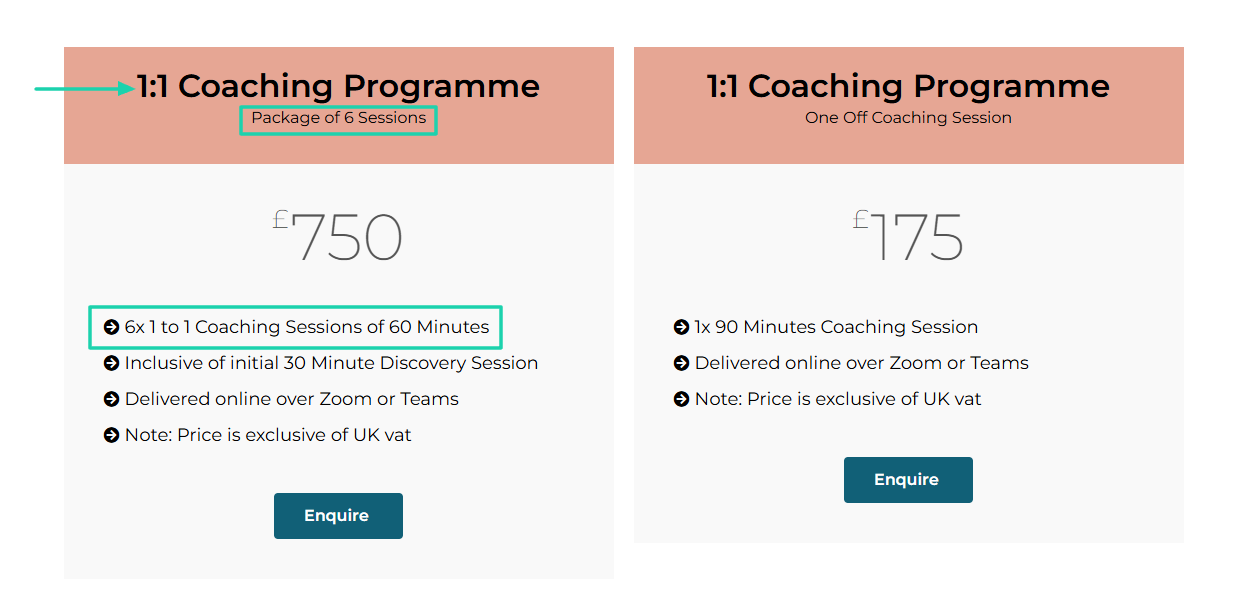
If you ask me how long your 1:1 coaching session should last, I’d recommend 45-60 minutes as a starting point. Anything shorter may feel rushed, and anything longer can feel heavy.
The executive and life coach Nick Harris offers 45 minutes of coaching when you book a phone call with him.
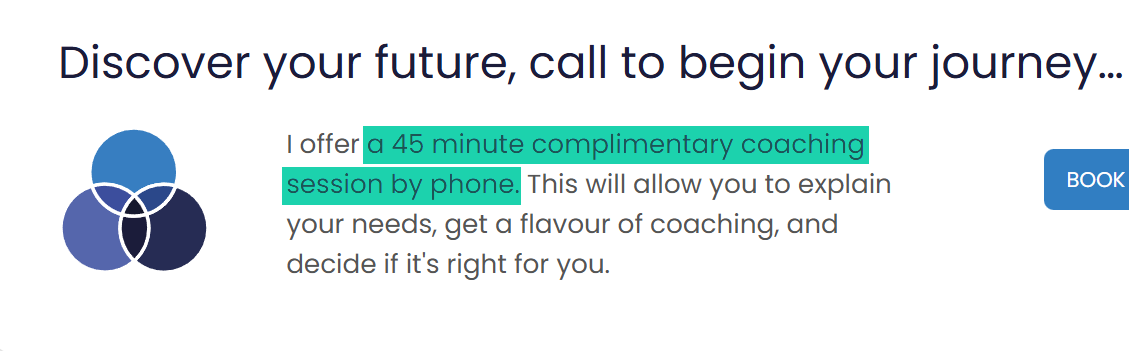
Sometimes the service you offer can affect session duration, but 45 minutes is very reasonable.
B. Group coaching
This is where you coach many people at the same time. You may, for instance, have weekly group calls with 5-15 people.
New coaches shouldn’t start with this. That’s because they need strong structure and great marketing skills.
Besides, group coaching can be difficult to manage, and customers expect proof.
It can bring in good money because you offer coaching to many people at once. The downside is that this may take time if you don’t already have a large customer base.
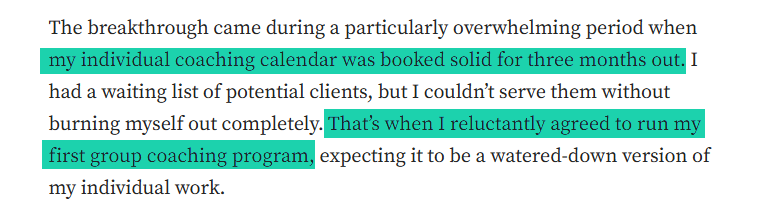
We can see this in the example of Sai Blackbyrn. He started with 1:1 sessions until he realized that his individual coaching calendar was booked for three months out.
He couldn’t attend to all his customers, so he decided to run his first group coaching program.
I also came across a YouTube video featuring Brian Ellwood, a real estate coach who started his coaching business by offering 1:1 sessions. But then he became very busy, and it took him three years to fully transition from 1:1 coaching to group coaching.
You can see that group coaching is a great offer, but not ideal for starters. Coaches who use it often do it out of necessity.
C. Packages
Creating a package means selling a bundle of sessions rather than individual sessions.
This is also a great offer type when starting. That’s because packages create commitment, deliver better results, and make your income more predictable.
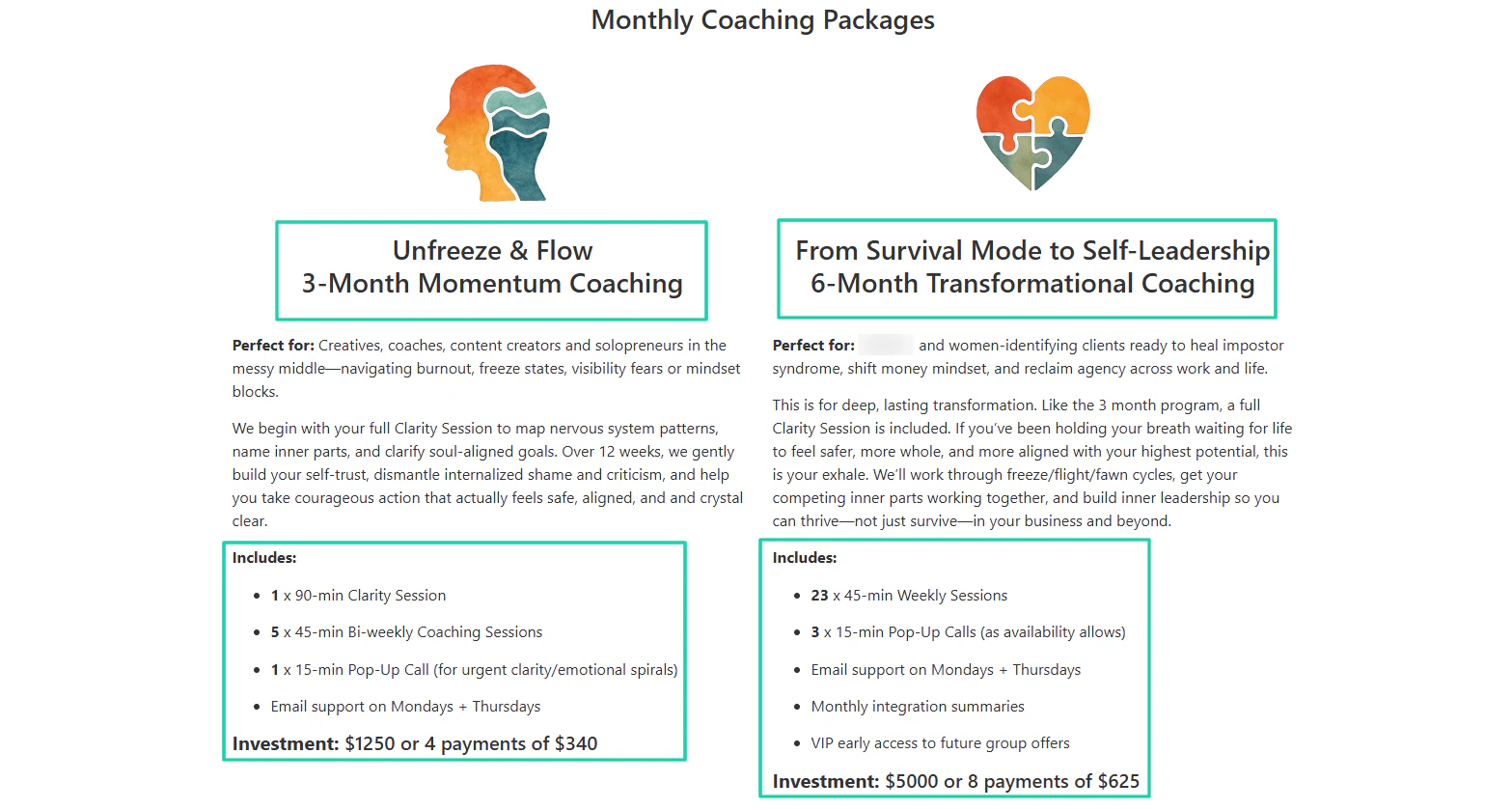
Wendy, a trauma-informed coach, offers monthly packages on her website.
She offers a 3-month momentum coaching, with five 45-minute sessions. She also offers a 6-month transformational coaching with twenty-three 45-minute sessions.
But the truth is, for some customers, committing to a coach they don’t know for 3 - 6 months can feel risky.
So, as a beginner, start with 6-8 coaching sessions over 6 weeks or 2 months. Anything less than that is also reasonable.
Four, five, or six months requires more visibility.
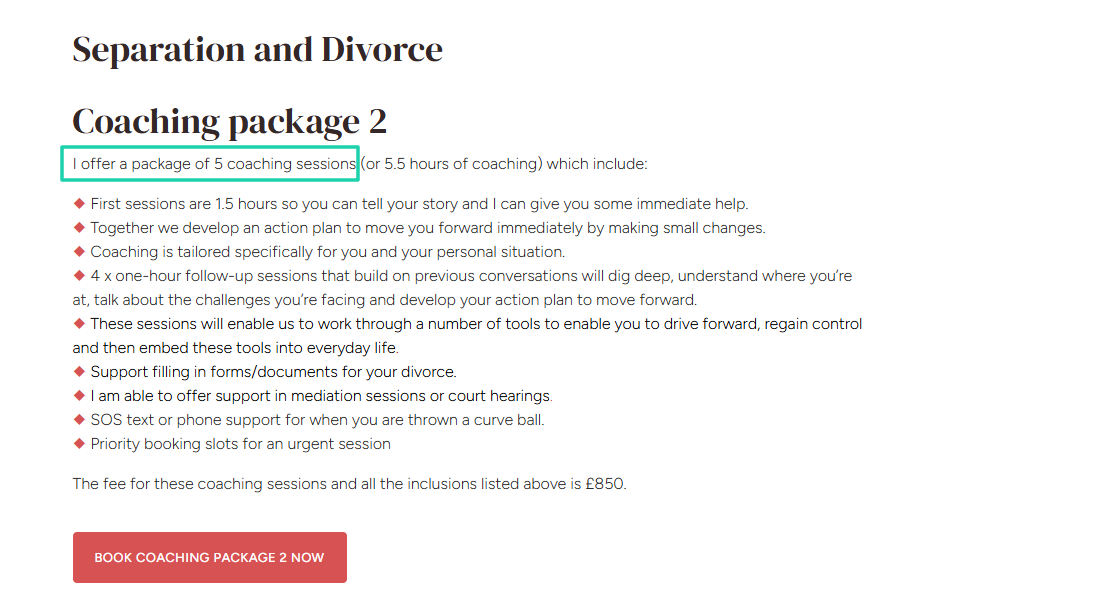
Even the separation and divorce coach Emma Halliwell still offers a package of 3 coaching sessions.
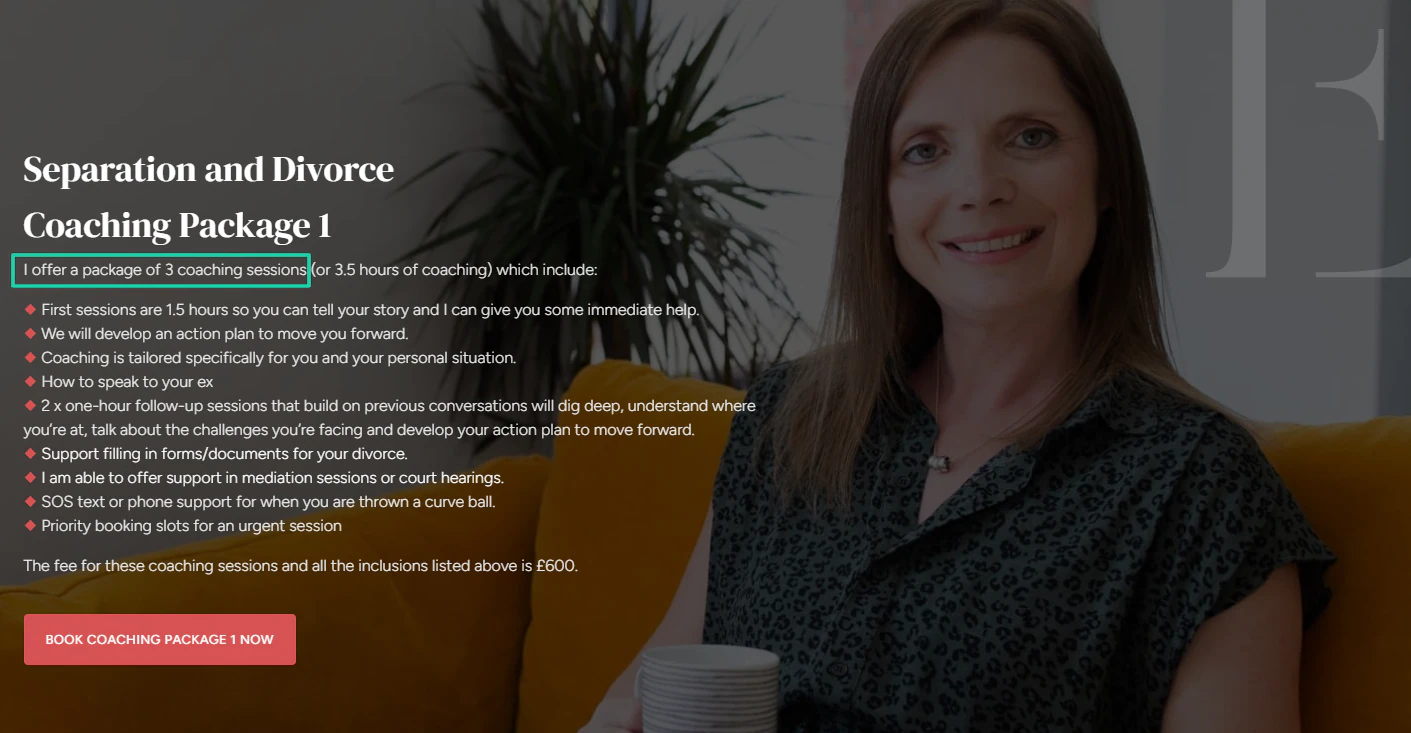
Interestingly, 5 coaching sessions is her highest offer.
So, what do I think of coaching packages? Is it something a new coach should offer?
Absolutely! It helps you establish your business, build credibility, and provide structured results to your customers.
Your program shouldn’t be long, though.
D. Retainers
The retainer coaching model is when customers pay a monthly fee for ongoing access to your coaching services.
Most often, there is even a guarantee of the number of sessions and the monthly support they receive.
While it can be a good offer for coaches, it is not a good starting point for new coaches. They lack the necessary trust and experience to sell ongoing commitments.
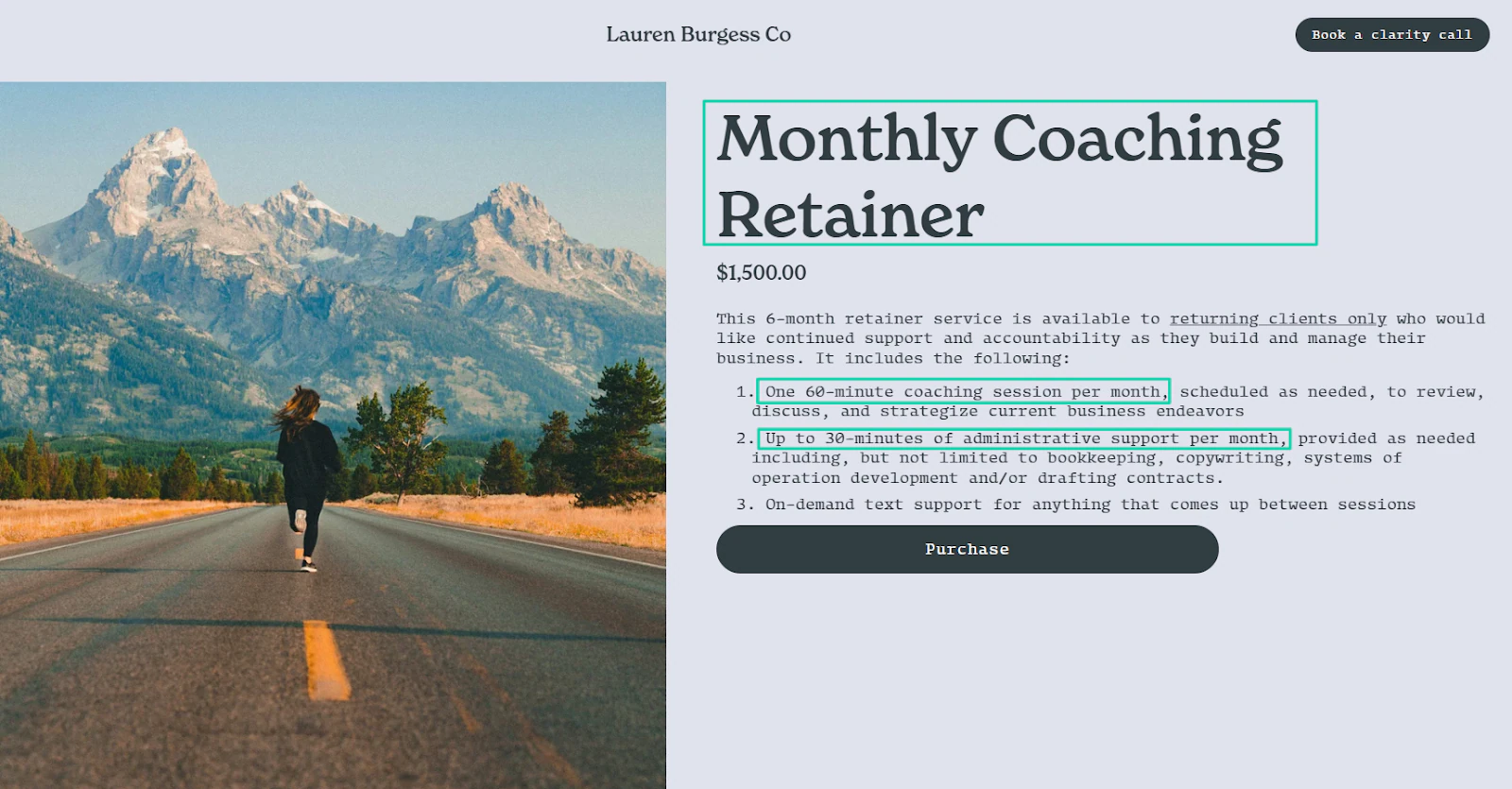
Take Lauren Bougress. She offers a monthly coaching retainer with 60-minute coaching sessions and up to 30 minutes of administrative support.
This 90-day coaching retainer from Love Solutions Coaching offers 50-minute 1:1 coaching sessions per month and email support.
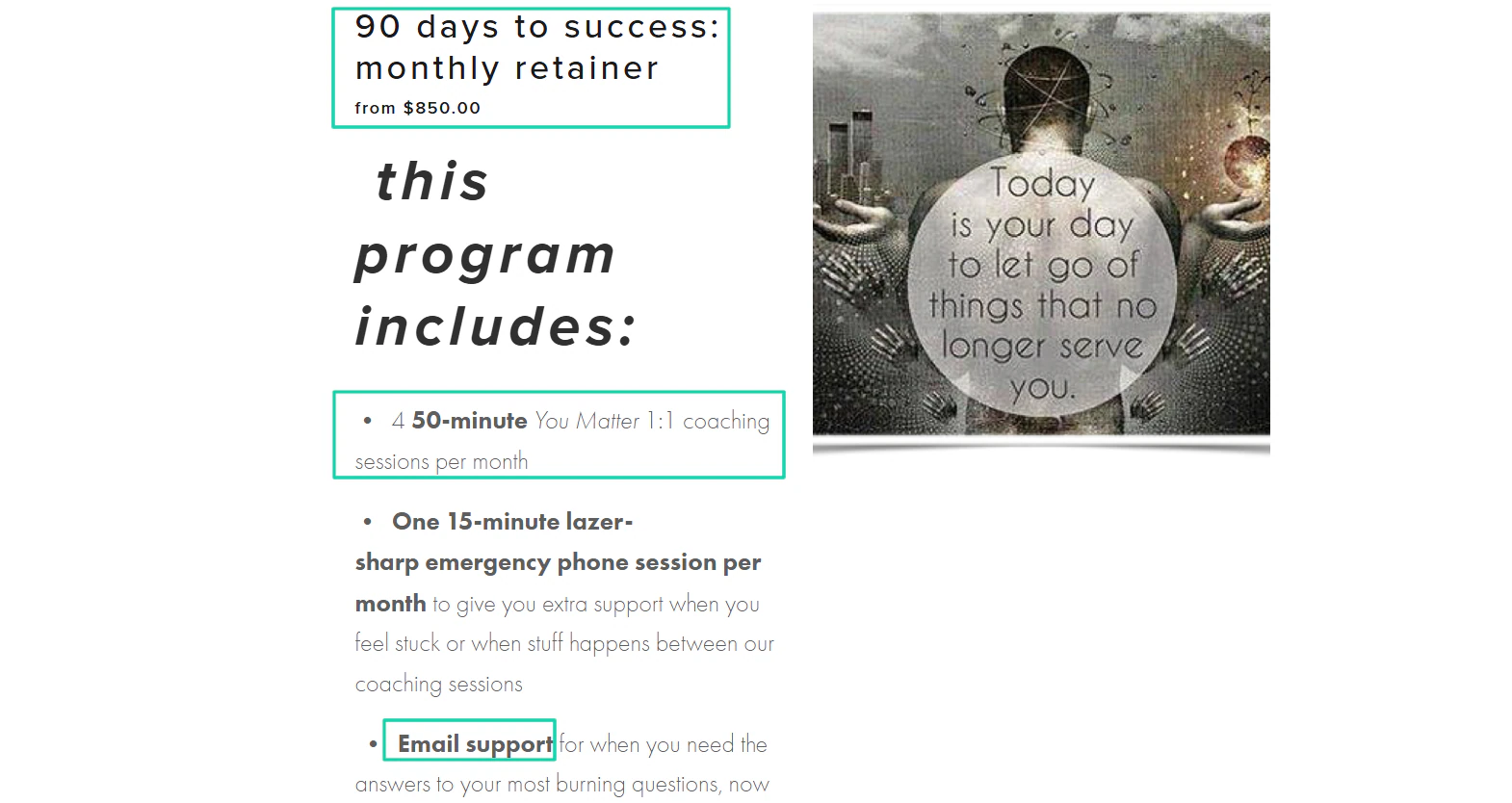
They made it clear that you must commit to at least 3 months to achieve the desired results.
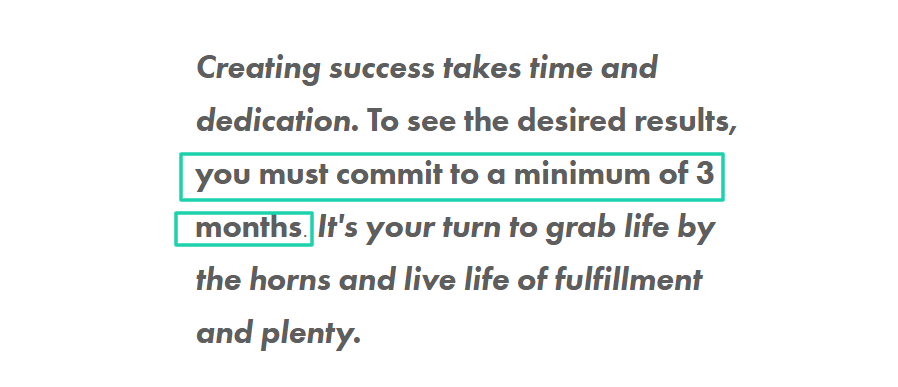
Now tell me, is it the kind of bold claim a new coach can make?
Yes, there is predictable income, but how many people will trust your program? That’s why I don’t recommend it for beginners.
Based on what I’ve shared so far, the best offers for beginners are 1:1 coaching packages.
After you’ve built enough authority and trust, you can now opt for group coaching and retainers.
To give you an idea of what I’m talking about, here’s a table. It shows other coaching offer types, session duration, and reasons it’s ideal or not.
There is still more to know, and if you’re really determined to become a coach, you must read the next step.
Step 3: Set your pricing
You cannot start a coaching business without setting your pricing. As an aspiring coach, you’re tempted to ask yourself questions like:
- Am I charging too much?
- What if people say it’s expensive?
- Who will pay me for this amount?
But pricing your coaching program shouldn’t be confusing. It should rather be the easiest thing to do.
Let me walk you through some practical steps to help you set your pricing.
The first step is to start with a benchmark. Remember, if we’re discussing pricing, it’s because you already know your niche and your coaching offer is ready.
You should now check what other coaches in your niche with similar experience are charging.
Say you want to be a coach focused on wellbeing. Search for “wellbeing coach” on Google or use popular platforms like Fiverr.
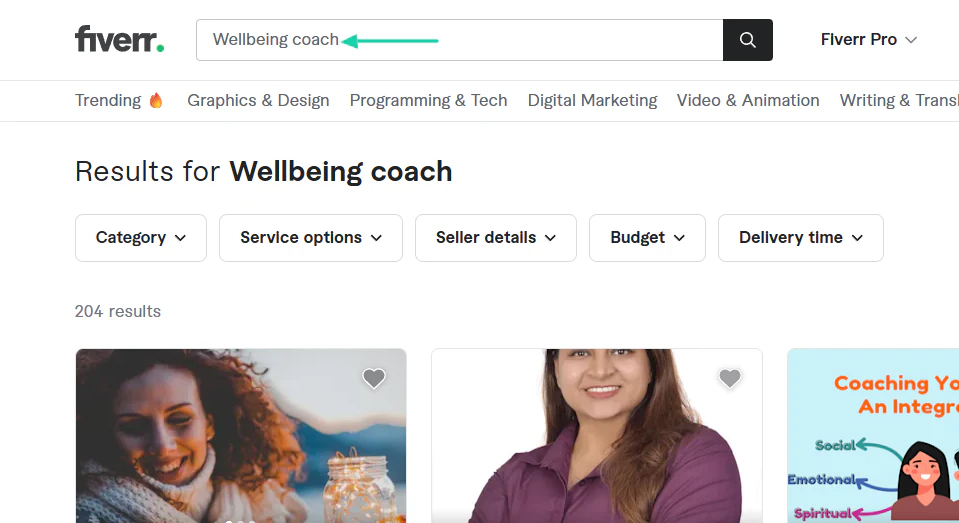
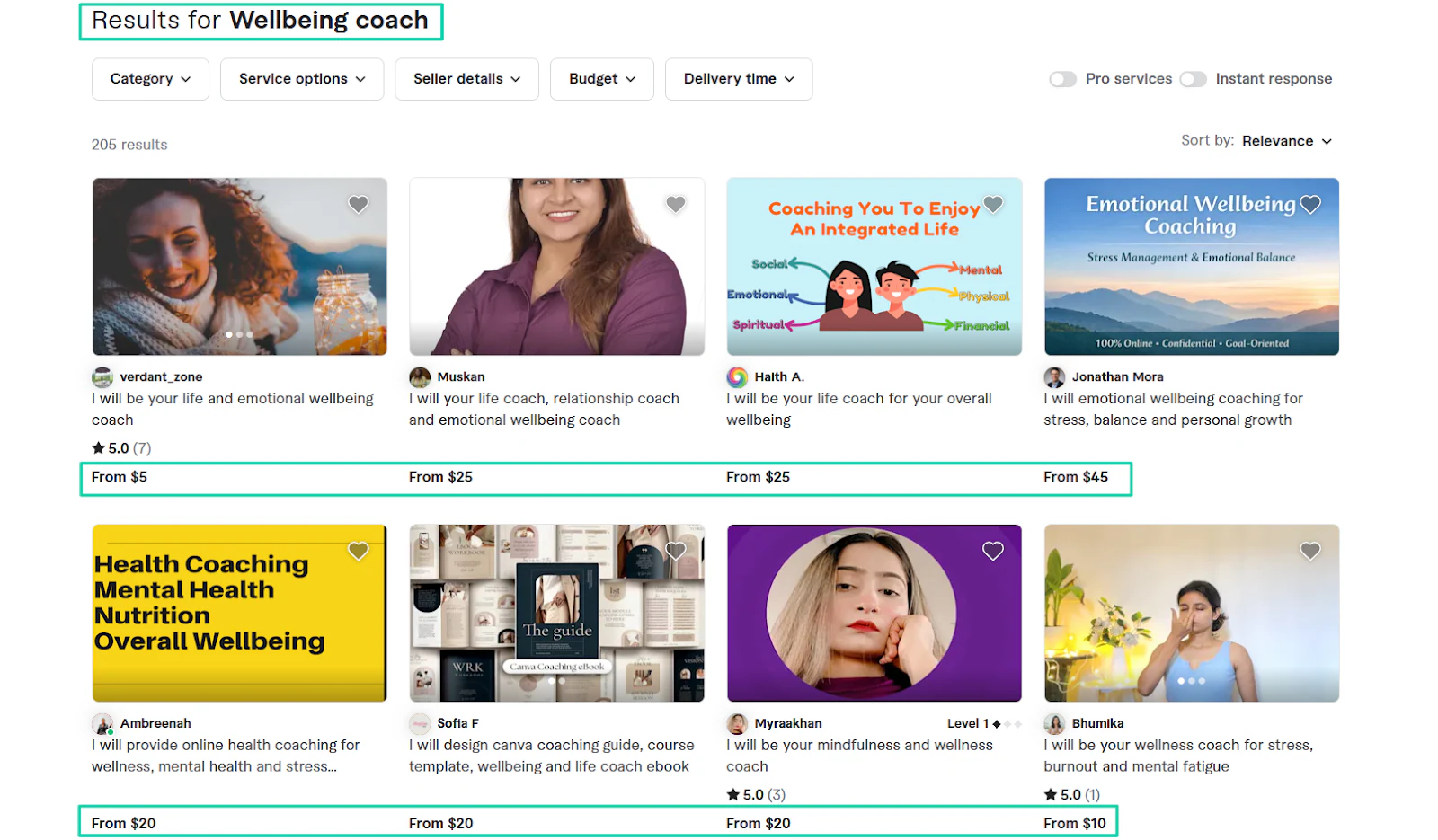
Then, think about a price range based on the results. For example, prices of a wellbeing coach on Fiverr range from $5 to $45.
After that, select one profile to access more details. Let’s choose Coach Muskan. She charges $25 for two 30-minute sessions. But that’s her basic plan.
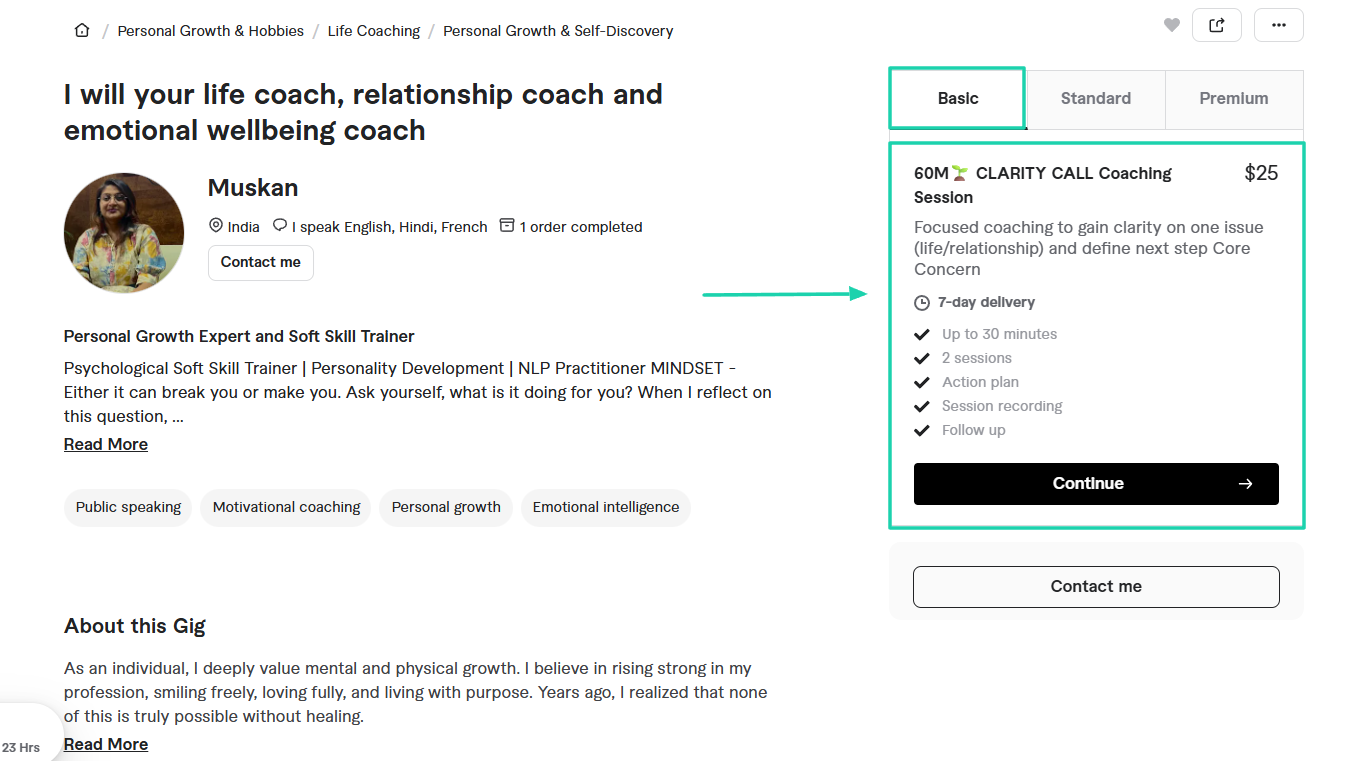
What about her premium plan? She charges $60 for 7 sessions.
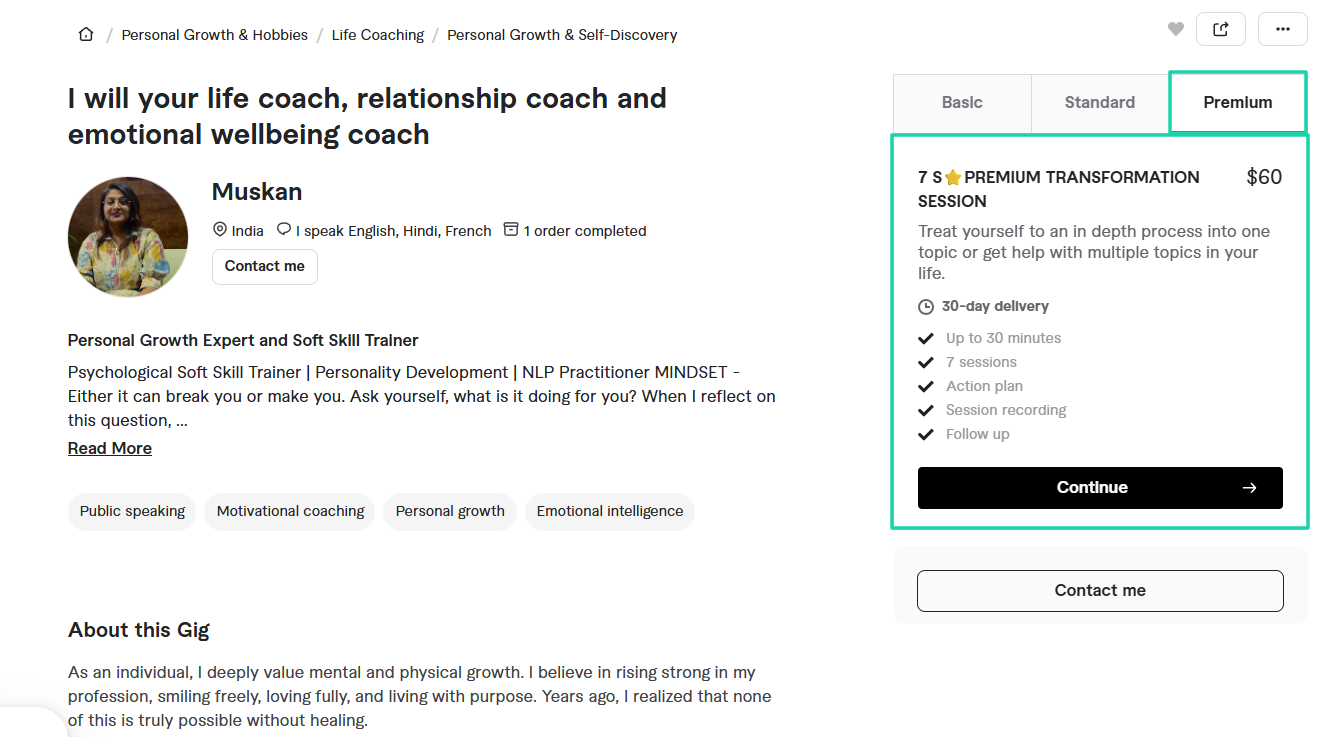
This exercise alone will give you an idea of how much other coaches charge. If you’re a new coach, you can start below the price range.
This means that if most coaches charge $40-$60 for 6-8 sessions, you can charge $30 -$50 for the same number of sessions, or even lower.
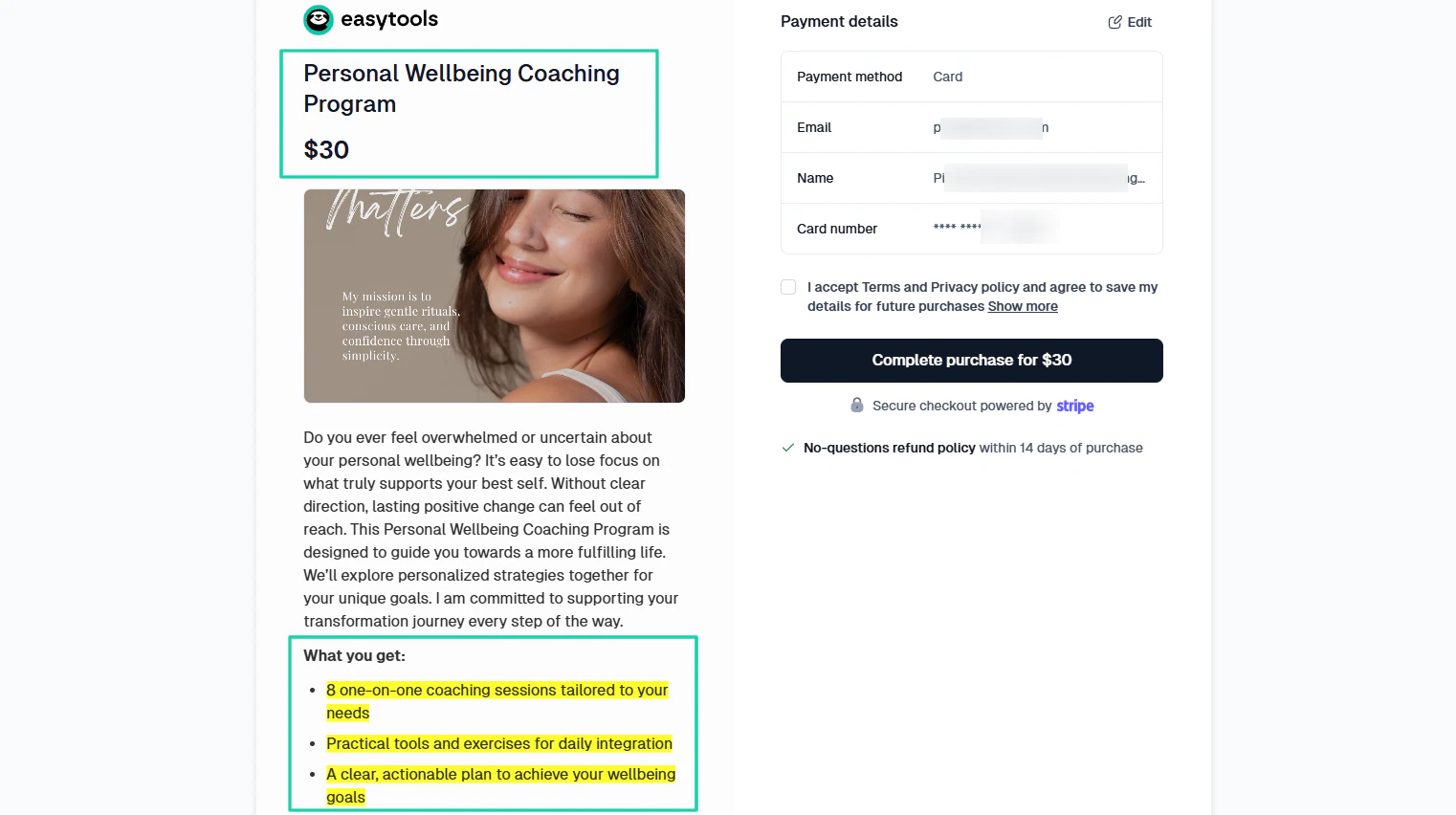
But chances are you are starting an online coaching business to sell medium to high-ticket offers, no low-ticket ones. I’m talking about charging $150 - $5,000 per session, package, or month, depending on your niche and offer.
In that case, consider your target audience’s income.
Ask yourself;
- Can my target audience easily afford $1000?
- Would $500 be a more comfortable fit?
Then, you can test that.
If you already have a community on a social media platform, you can post a message asking whether people would pay for your services.
You could say, “Hey, guys! Would you pay $150 for a 12-week fitness coaching program?”
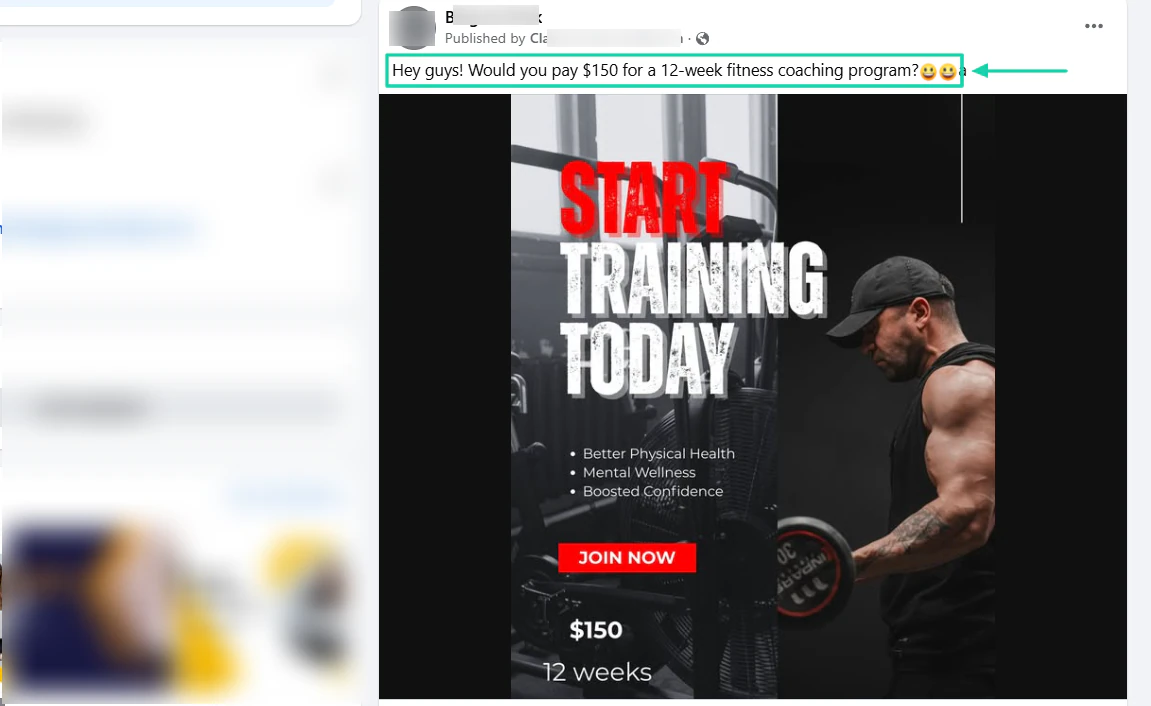
Then, wait for the reactions. That will show what they’re willing to pay.
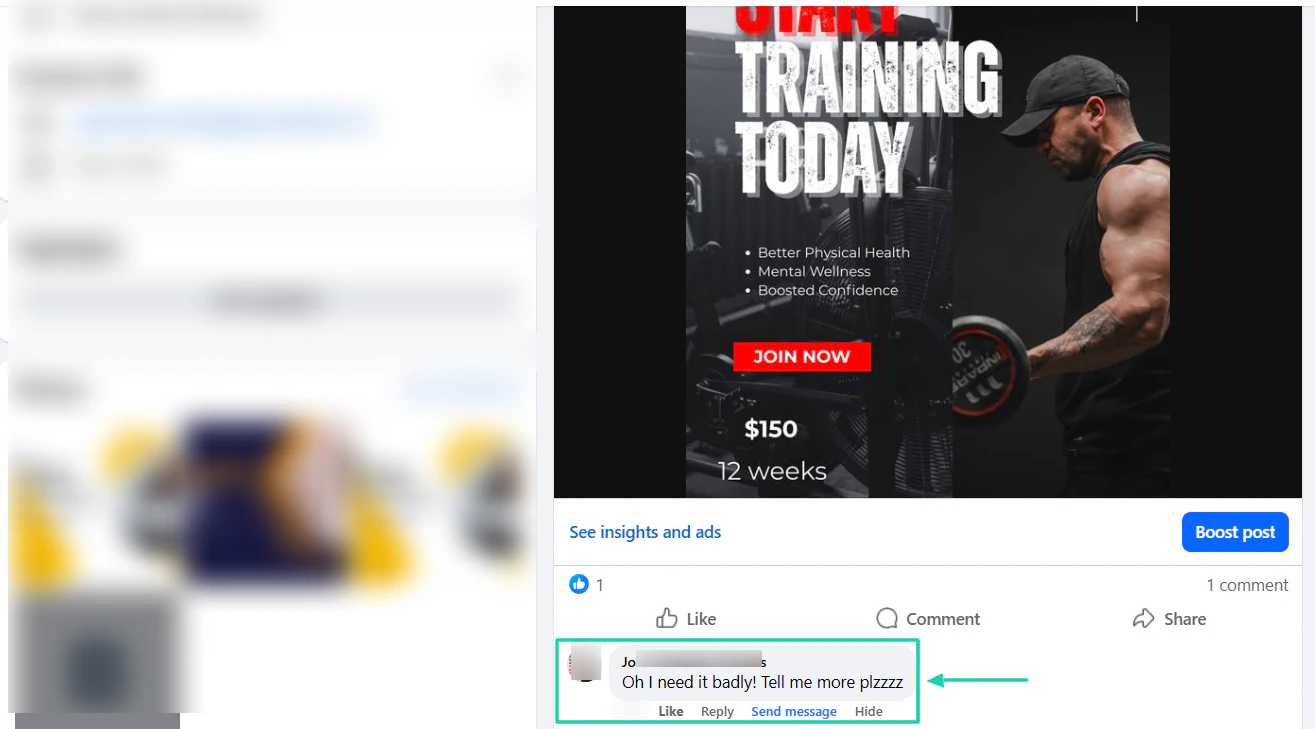
You can also offer your coaching services on a pay-what-you-want basis. You may be surprised to learn that some people will pay more than you expect.
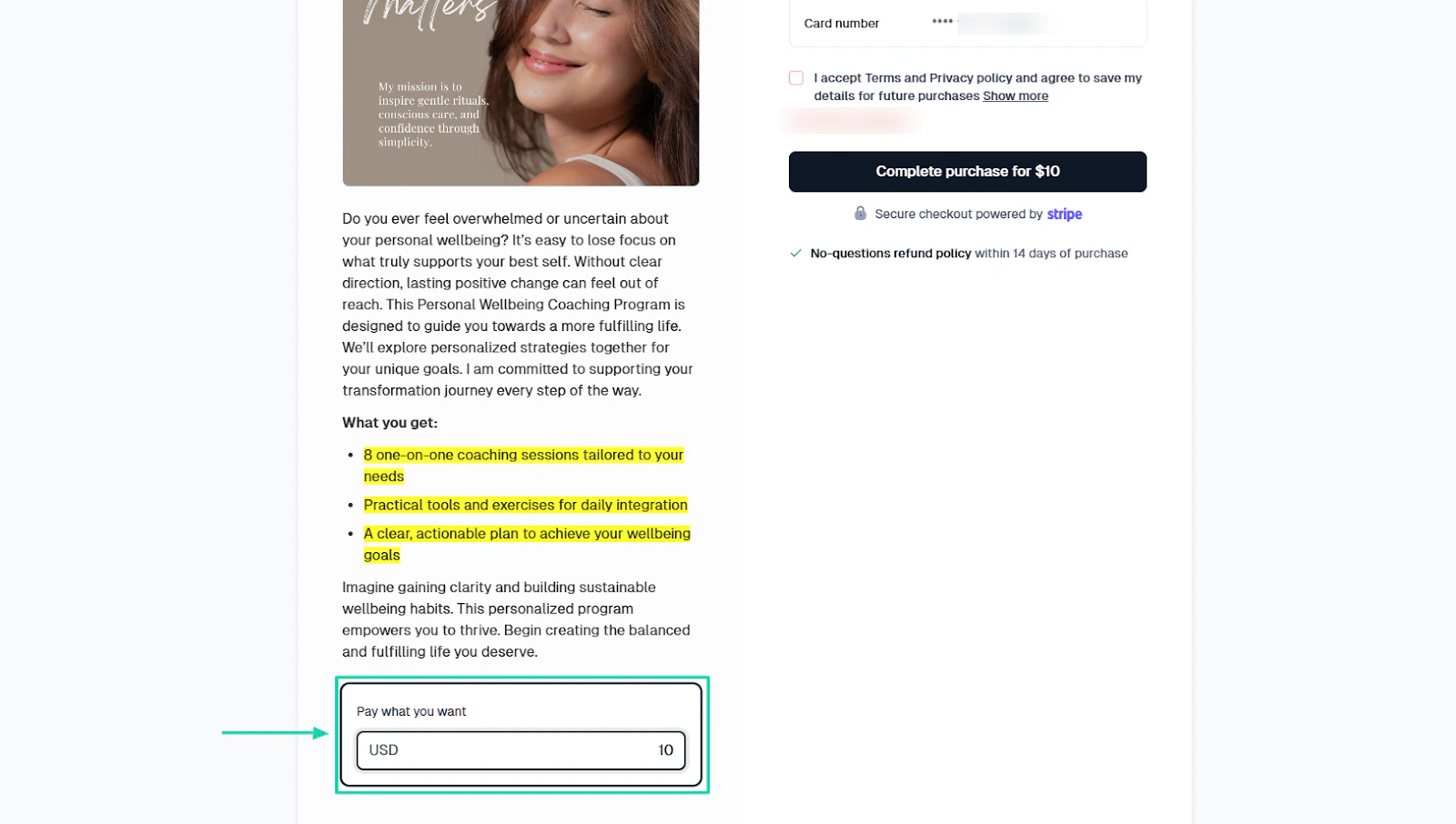
If you’re just starting out, your prices aren’t final. You can always adjust them over time.
But the truth is, some niches will always generate more money than others. For example, a corporate executive coach is likely to charge more than a personal health coach.
Here’s a table to give you an overview of what you can charge according to niche.
Follow the steps I shared, and you can set your pricing in no time. Just remember that there’s no perfect price.
Now that we’ve discussed pricing, let’s look at how to set up the basic foundations.
Step 4: Set up the basic business foundations
Setting your pricing isn’t enough to start your coaching business. You must also set up the basic business foundations.
It’s crucial to build the legal, administrative, and tech setup because it:
- Protects you
- Supports your operations
- Makes your business look professional
Don’t think that because you’re planning to coach online, it’ll be different. No! It’s still a business, whether online or with a physical location.
The first thing to do is to register your coaching business, and there are two options to do so:
1 . Sole proprietorship
This is the easiest setup for beginners. You don’t have any employees, so you’re just a freelancer offering coaching services.
Requires minimal paperwork in most cases. And you’re not considered a separate entity from your business.
2 . Limited liability company (LLC)
You can register your business as an LLC to hire employees or coaches for your services. It is costlier but helps you expand your coaching business.
It also protects your personal assets from business debts and lawsuits, but it entails higher setup costs, paperwork, and compliance requirements.
Below is a YouTube video that explains the difference between a sole proprietorship and an LLC.
The next step is to protect yourself. Doing business with people means you must also be careful in how you handle them.
In your coaching business, you must clearly define your contract, boundaries, and expectations. Below are the details that your coaching agreement should have:
- Scope of services (what you will do and what you won’t)
- Payment terms and schedule
- Cancellation and refund policies
- Confidentiality rules
- Liability disclaimers (coaching is not therapy or medical advice)
- How the coaching relationship ends
These actions protect you and the customer.
You have platforms like Easytools that let you add your terms and conditions and privacy policy links.
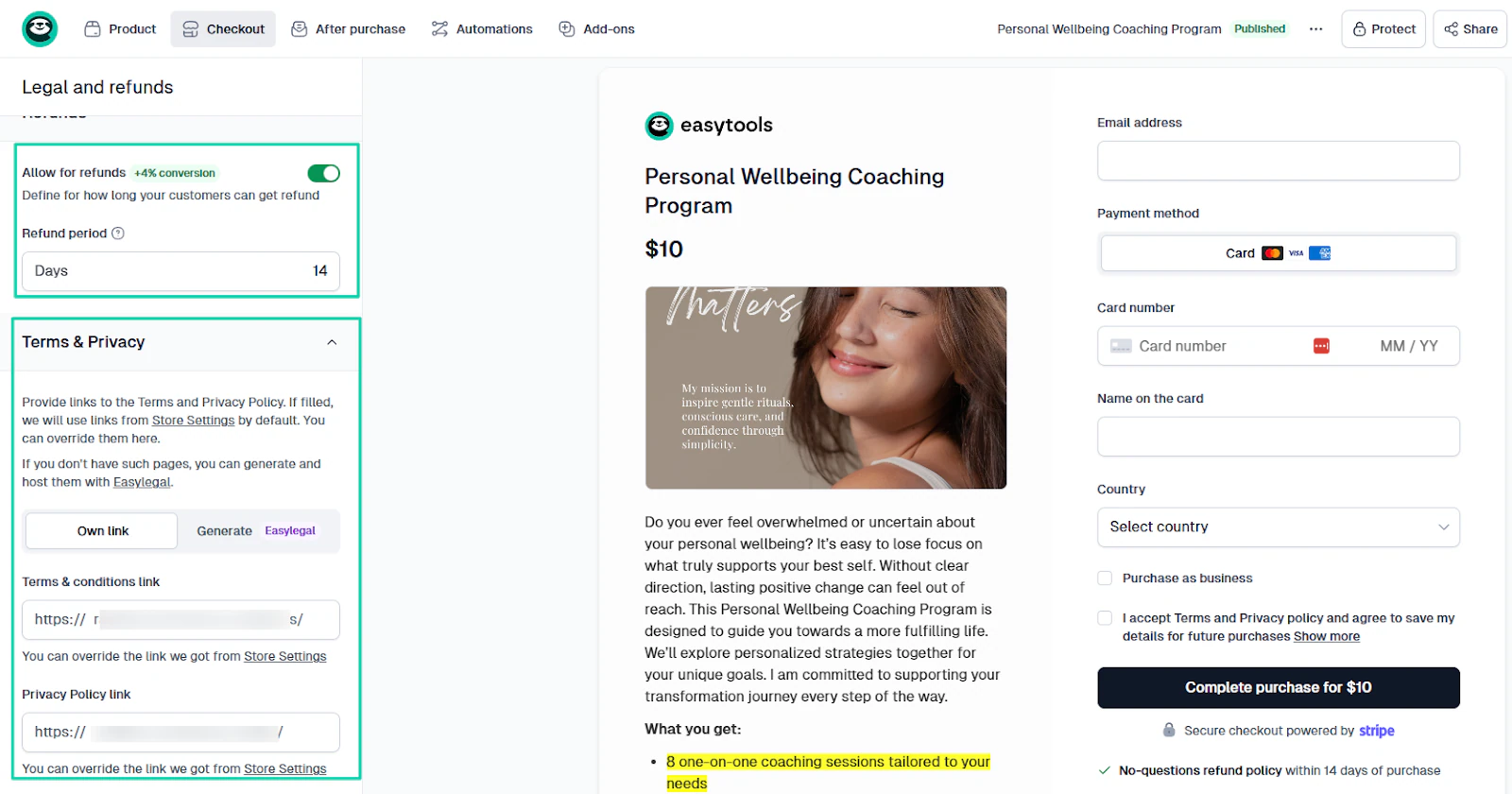
But in case you don’t want to waste time writing all this legal stuff, Easytools can generate it for you in under a minute.
You can watch this video below to see Easylegal in action.
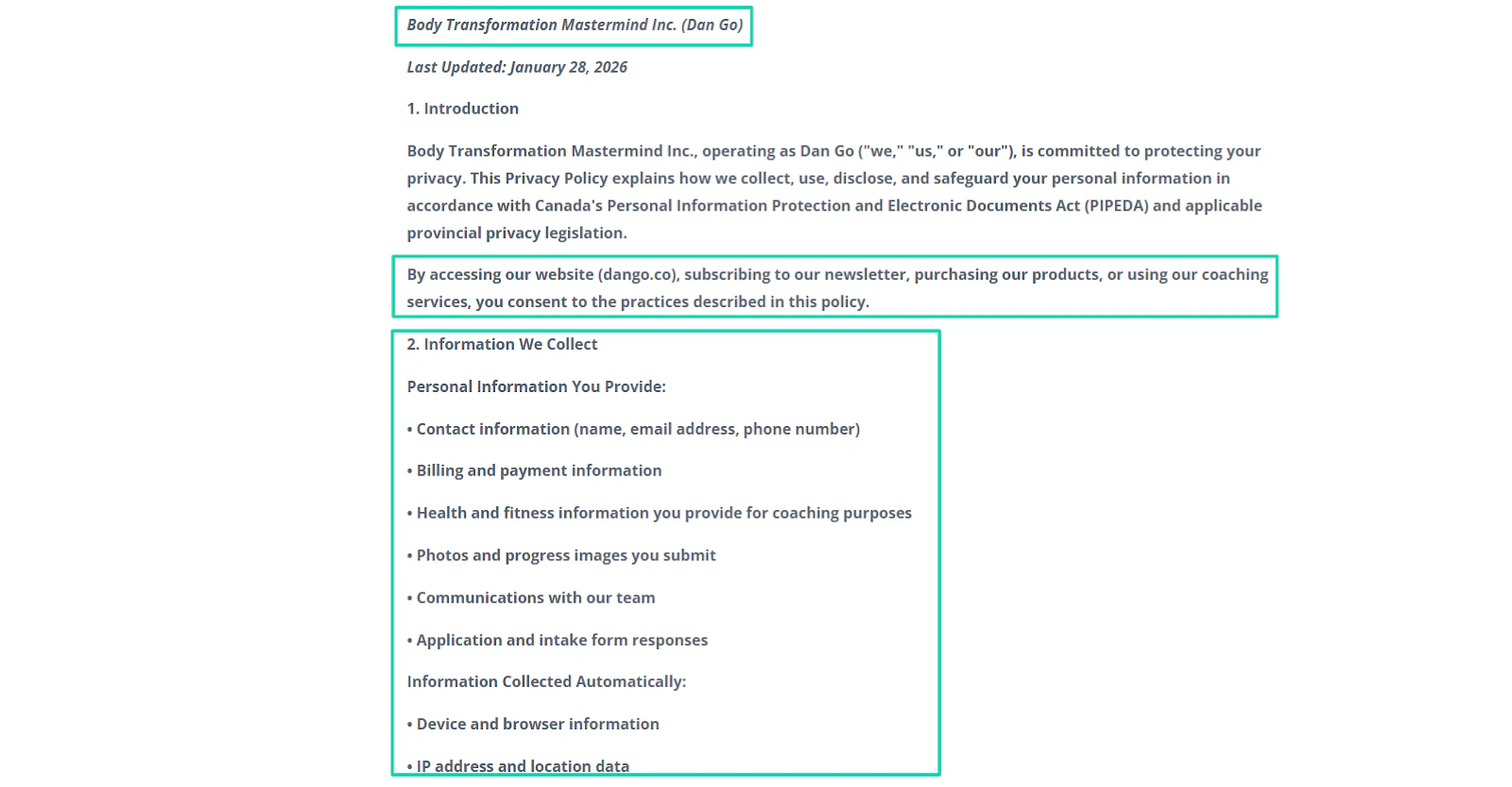
Remember, I talked about Dan Go, the fitness coach, right?
Well, he clearly states that by purchasing or using his coaching services, you consent to the practices described in his policy.
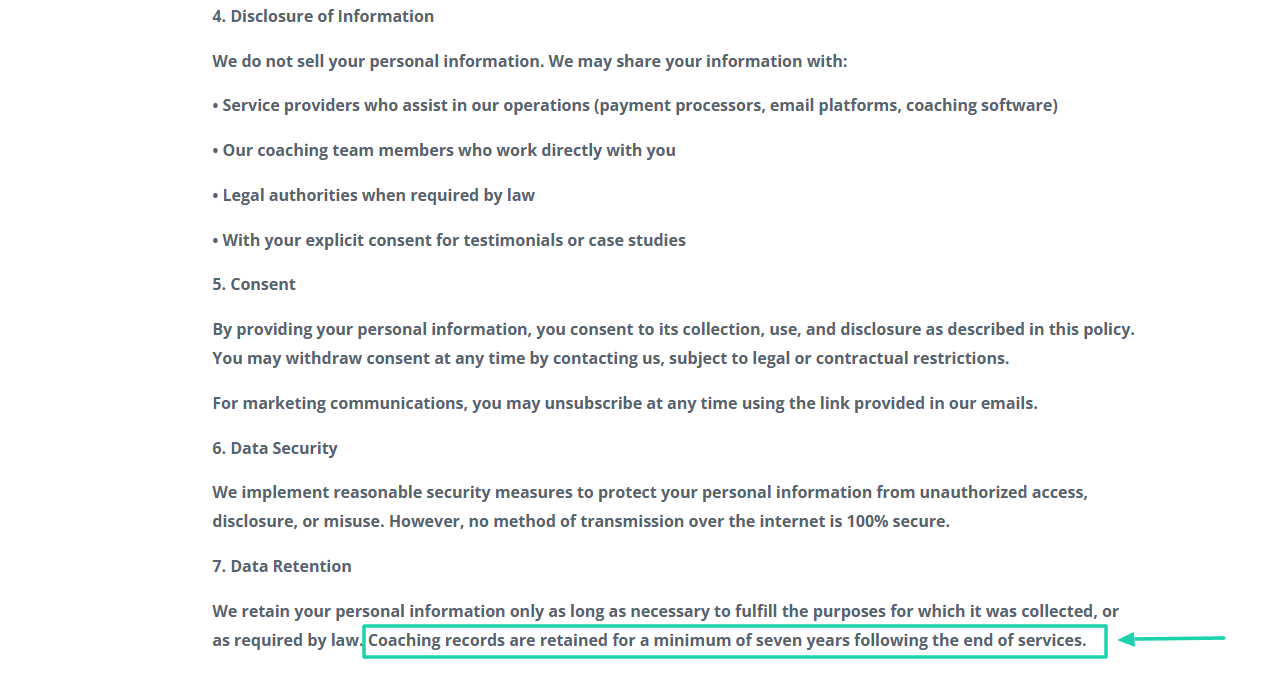
One of his data retention policies is that coaching records are retained for a minimum of seven years after the end of services.
This means that, as long as customers agree to the policy and the law permits it, Dan Go’s coaching records retention is lawful.
So, setting up basic business foundations helps you in the long run.
With these insights, I’m sure you’re ready to launch your coaching business.
Step 5: Launch your coaching business
At this point, you identified who to serve and what problems to solve. You also created and priced your offer and set up the basic legal foundation.
It’s time to launch your online coaching business.
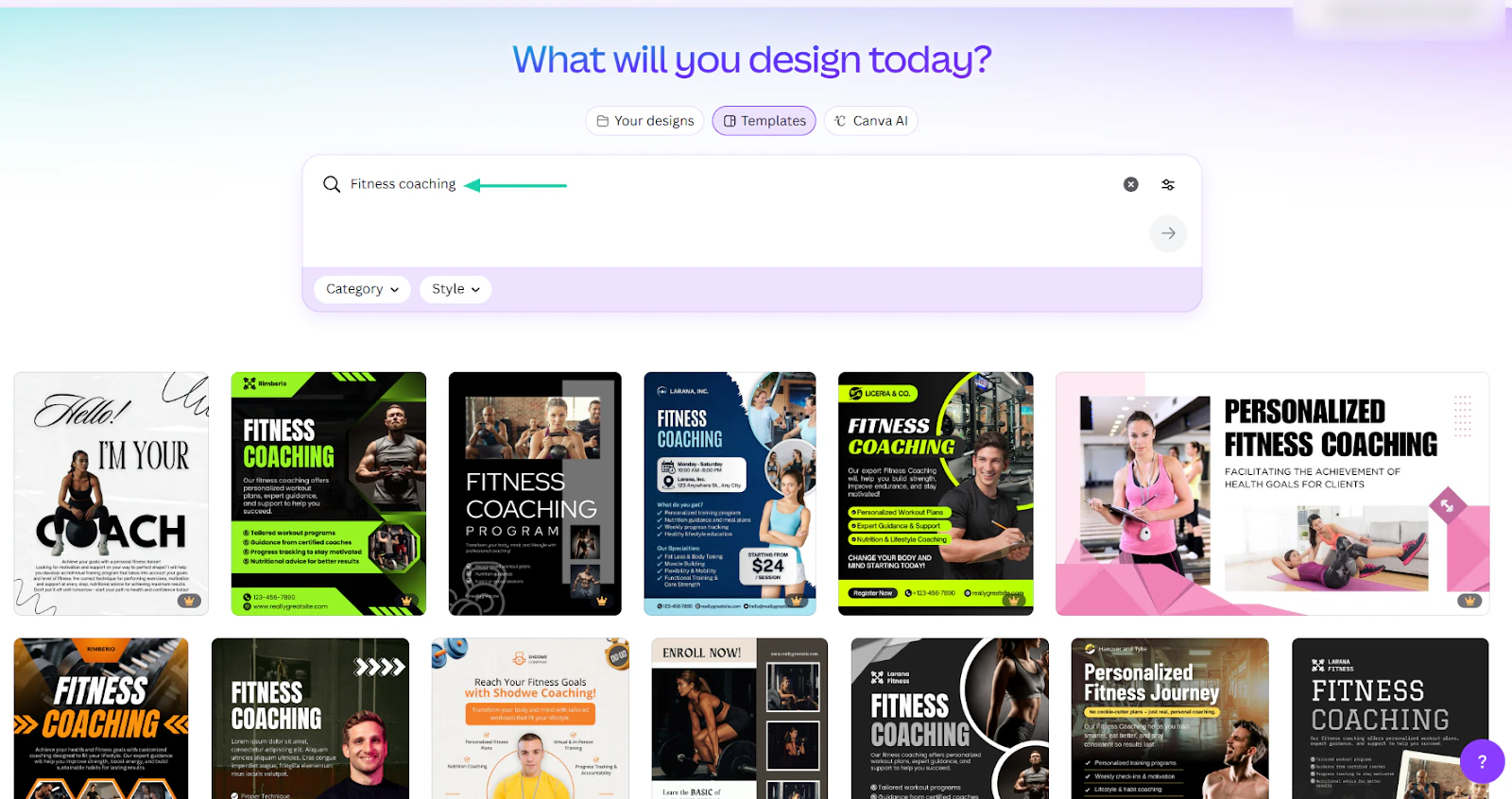
First, you need to work on your graphics. Fortunately, a free tool like Canva can help. There are 1.6M+ ready-made templates to select from.
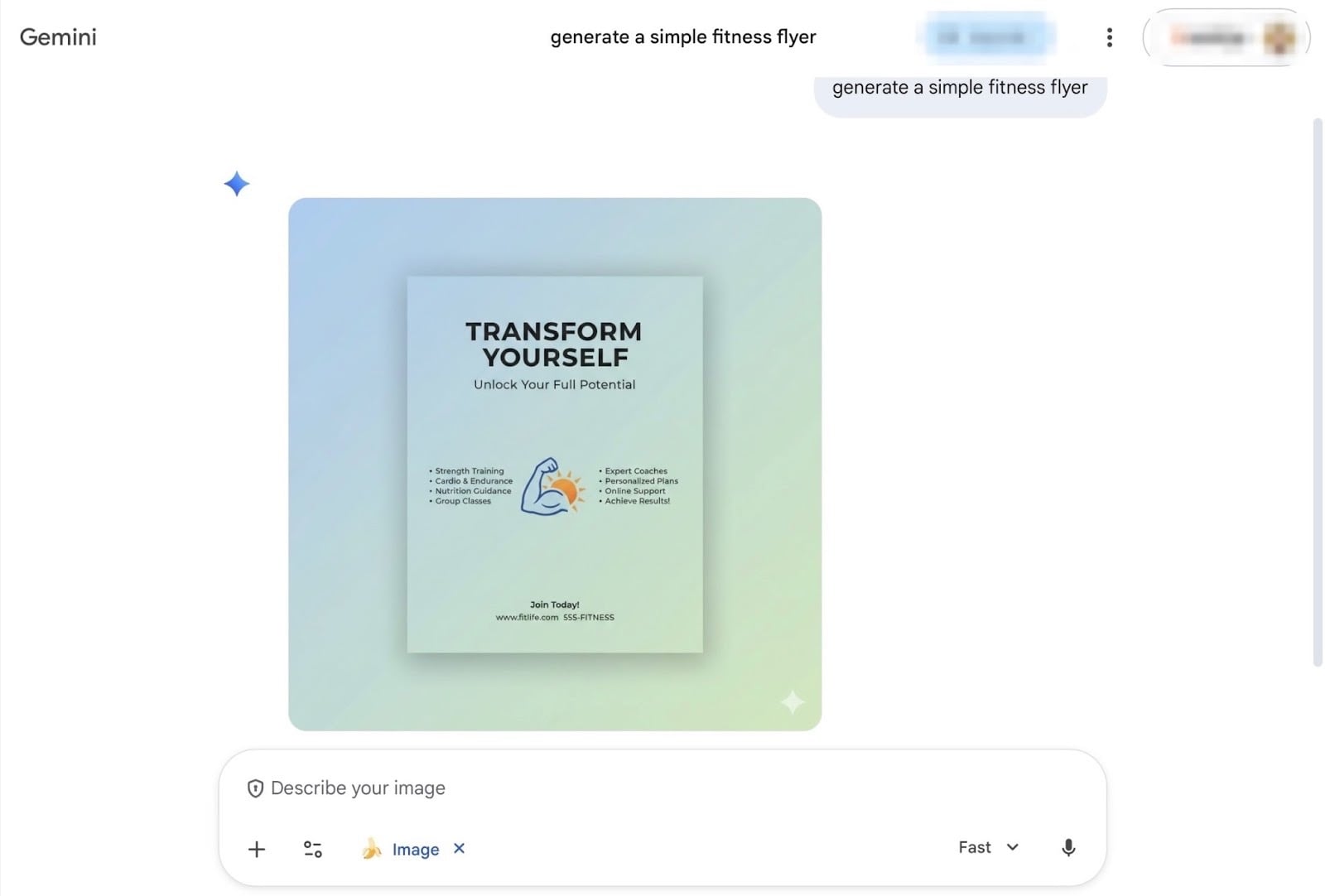
You can also try Nano Banana, an AI image editor used by 50 million+ creators. You can use it to generate images or videos.
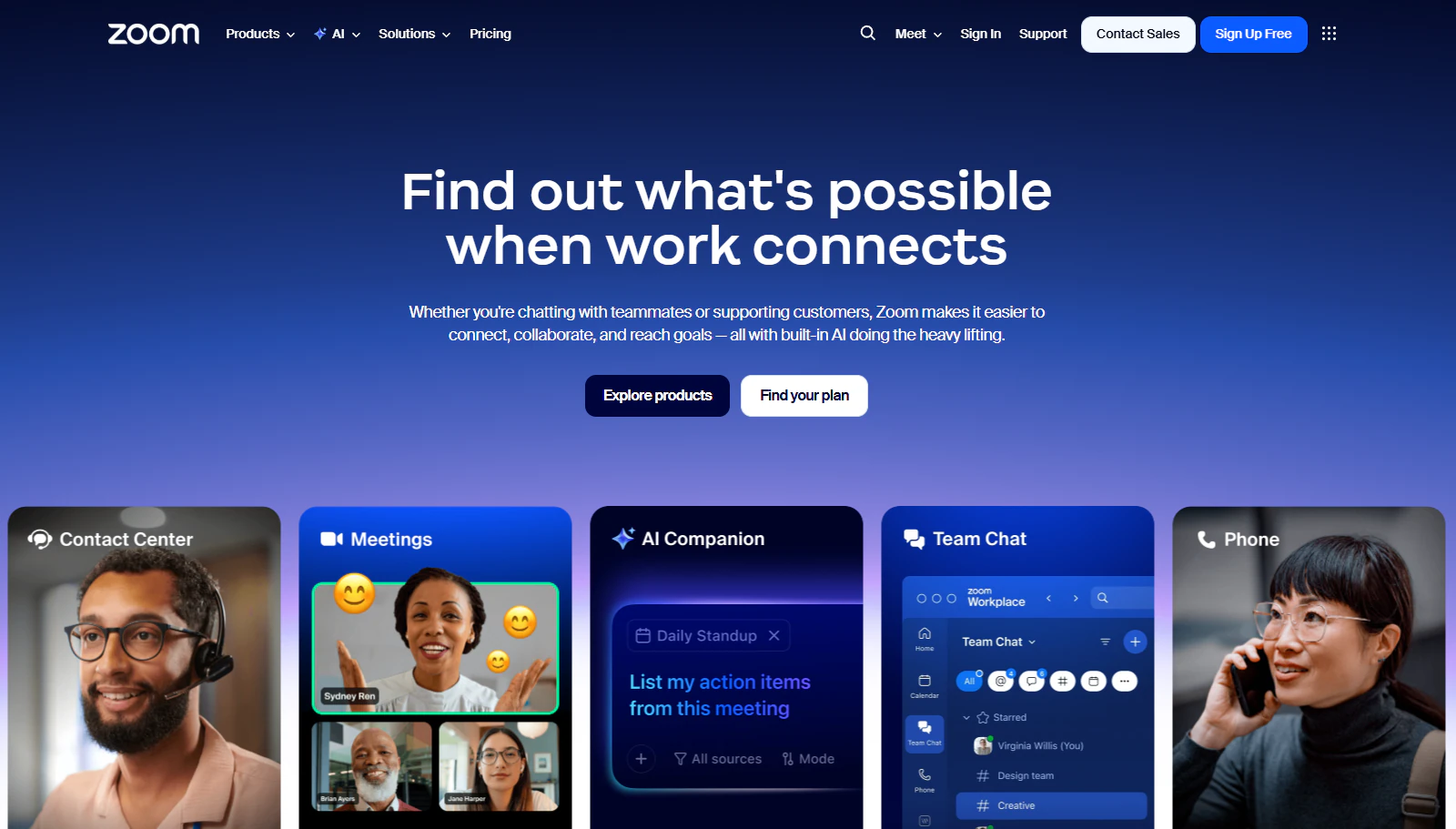
For your 1:1 or group coaching, you can use Zoom. It is a popular video conferencing platform with 300 million daily active users.
Its free time limit is 40 minutes. So, you might consider its paid plans to offer longer sessions.
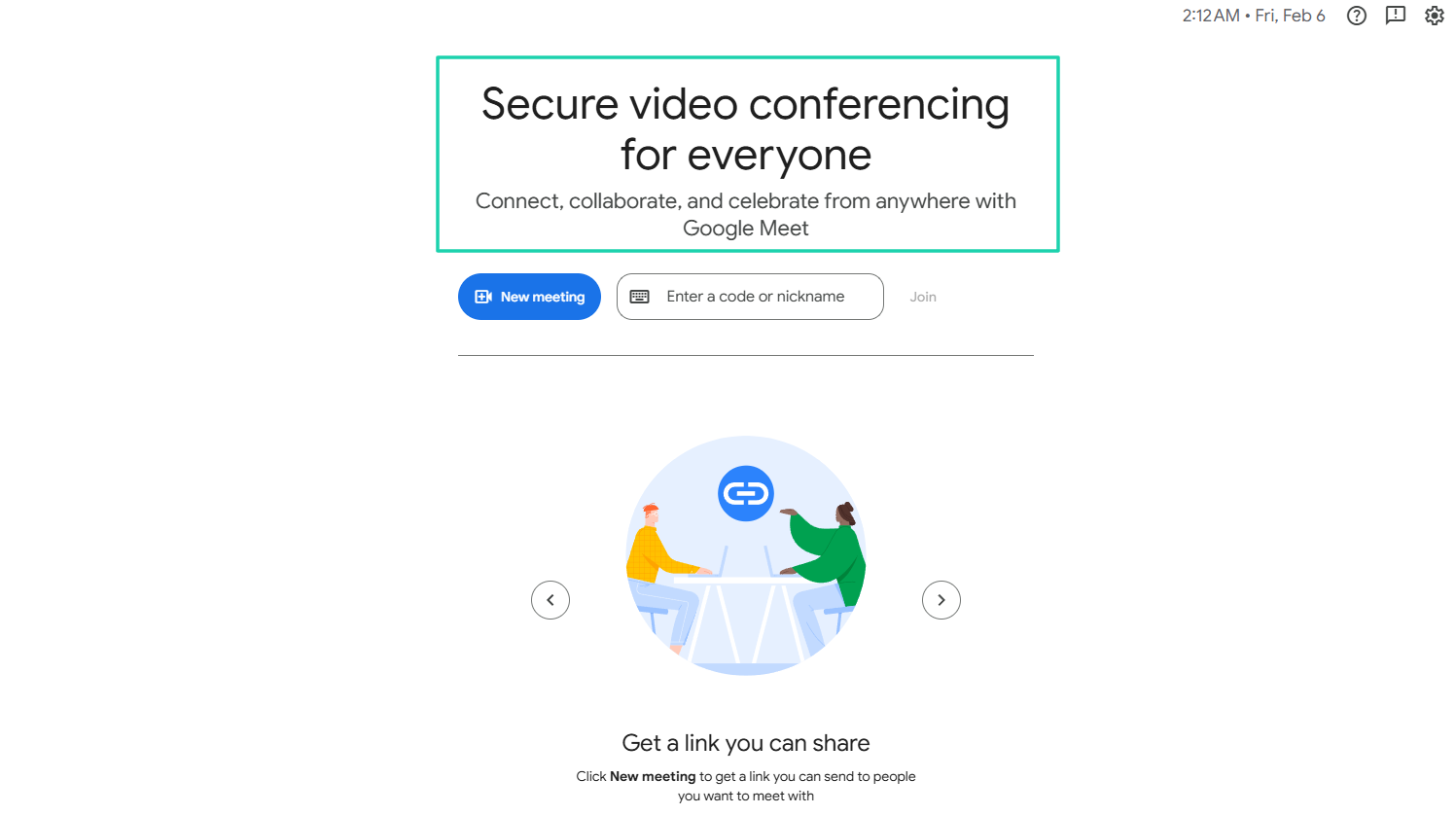
Another option is Google Meet. It offers up to 60 minutes for group meetings and up to 24 hours when hosting 1:1 sessions.
For ongoing coaching, you may need a Facebook group.
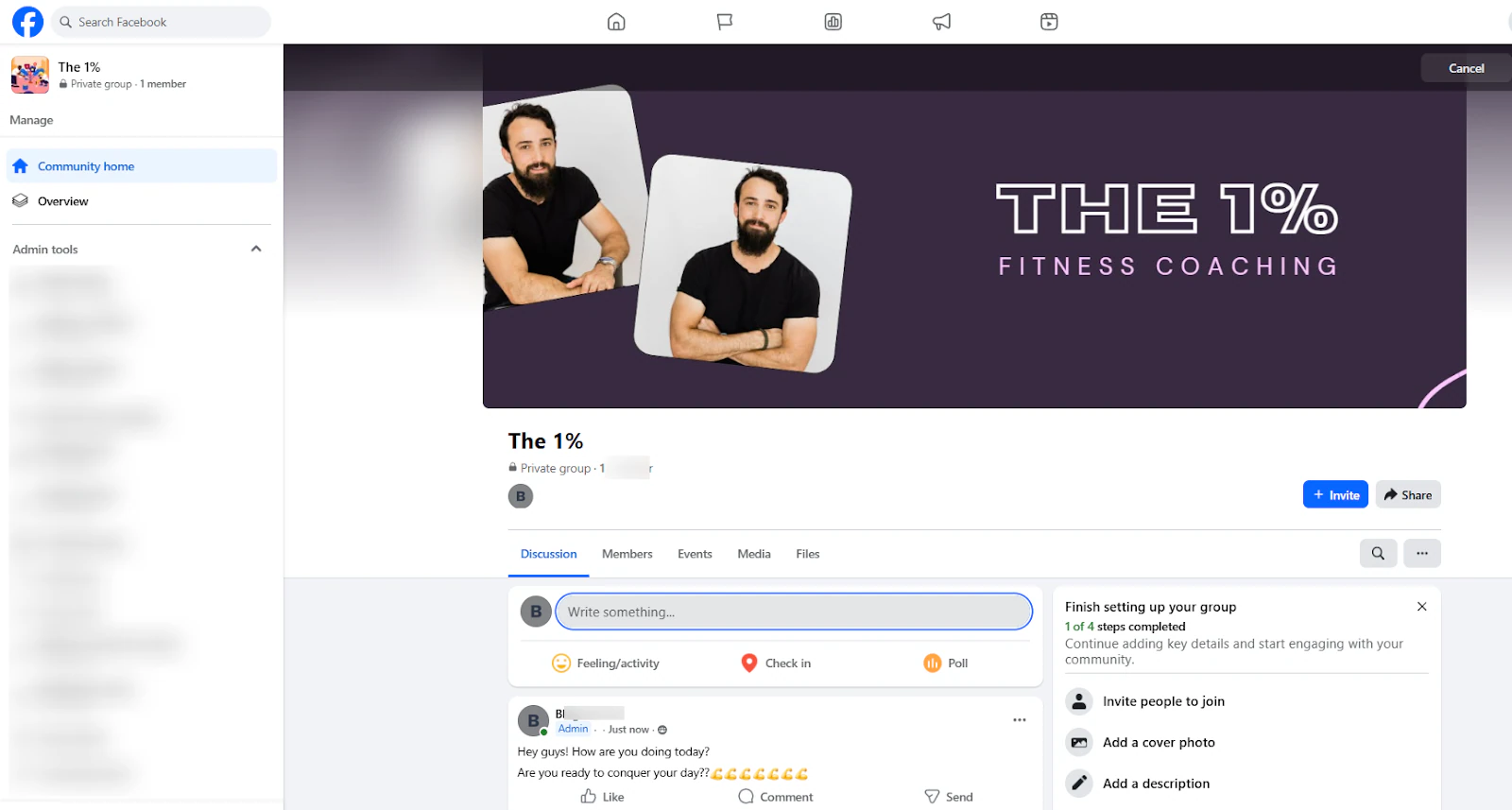
Pro tip: If you already have a personal Facebook page, you can use it to attract customers and direct them to your Facebook group.
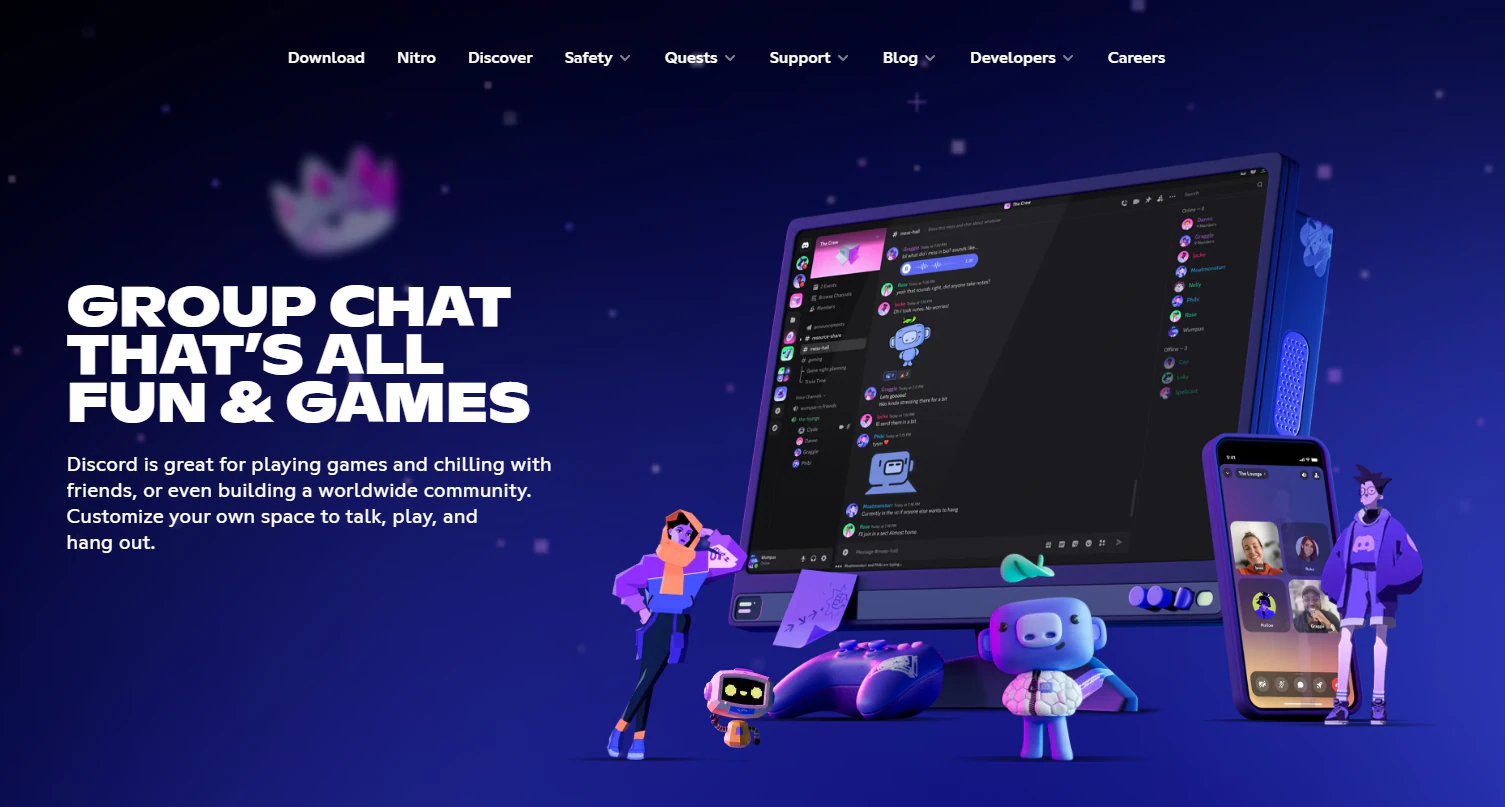
Discord is a popular alternative to Facebook groups if you want a more premium feel.
To monetize your coaching, you need a top online coaching platform, like Easytools, for example. You can use it to create a website or landing page for your coaching business, sell packages and sessions, and send emails to your customers.
Let’s see how to create a landing page for your coaching business in a few steps.
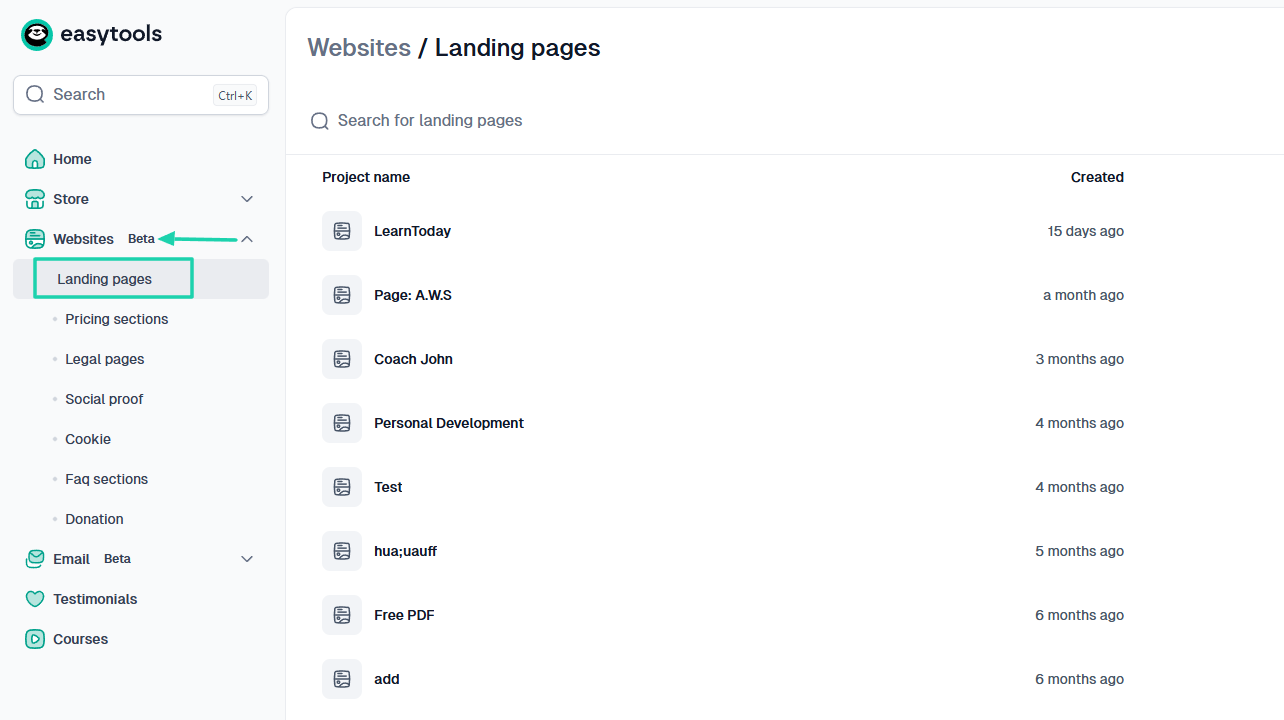
After signing up, click “Websites” in the sidebar and select “Landing pages.”
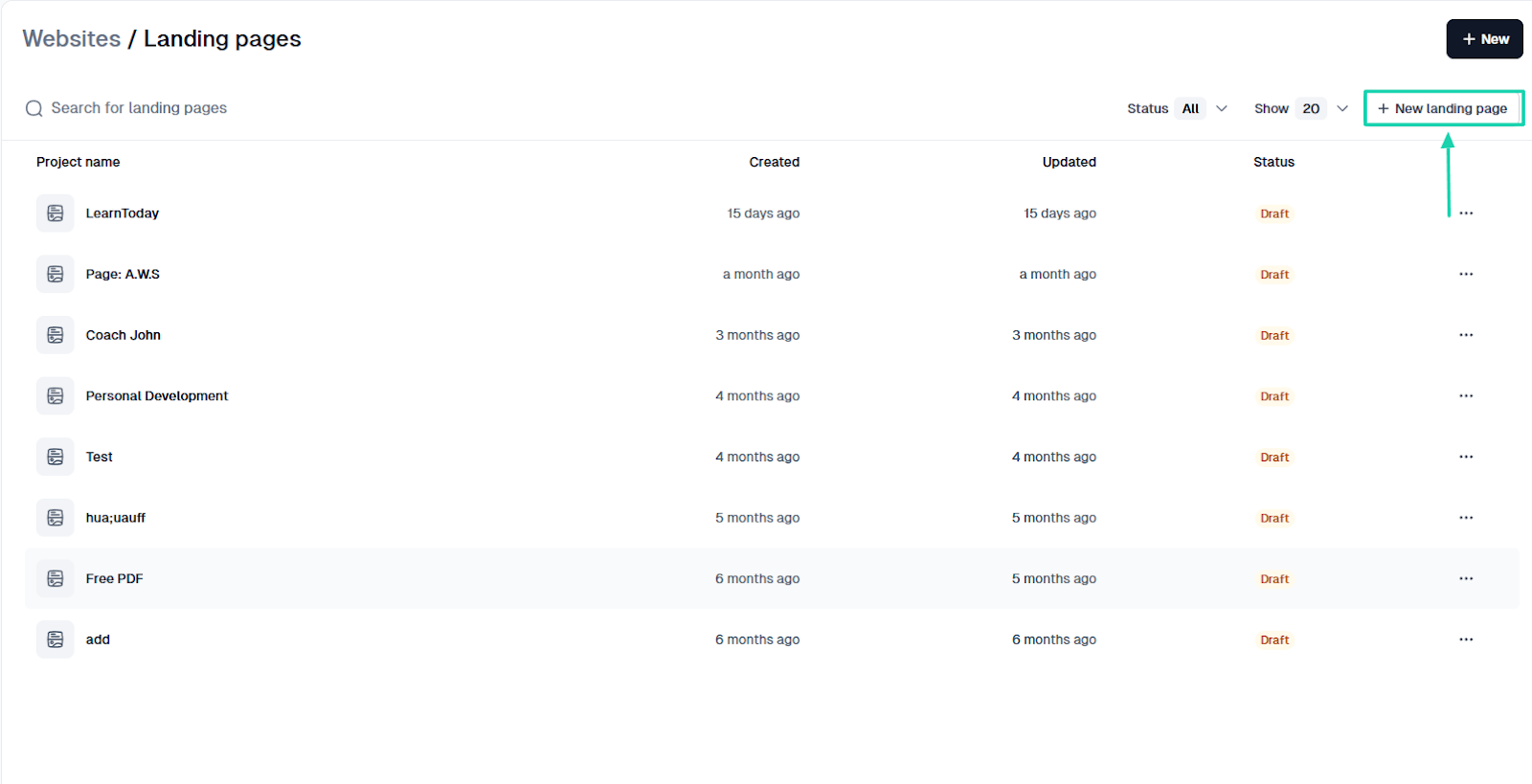
Next, click “+ New landing page” on the top right corner of the window.
Then add the name of your landing page.
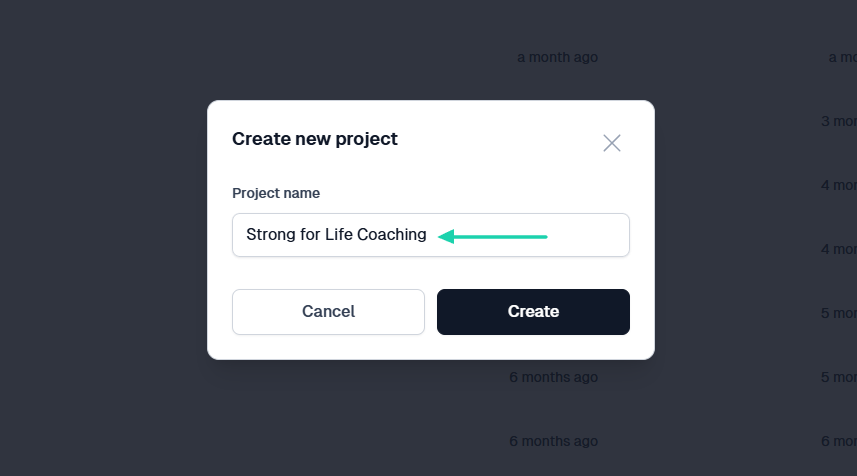
Now, let’s assume it’s your first time using Easytools and you don’t have any other products.
So, start without a product, then enter the description of the website you want to create in the text box.
Then you choose your preferred palette and let Easytools generate everything for you.
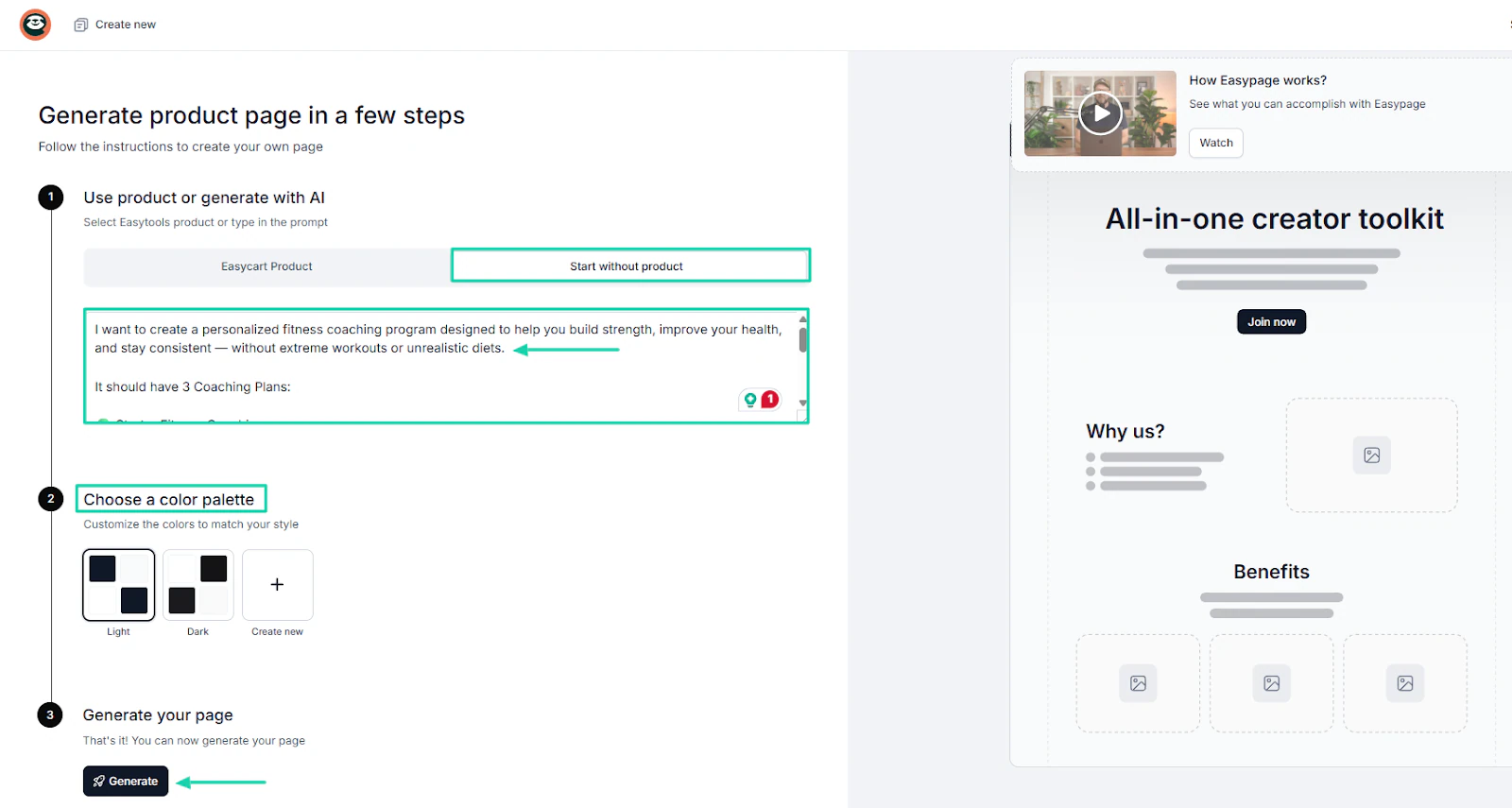
In less than 2 minutes, your website will be ready!
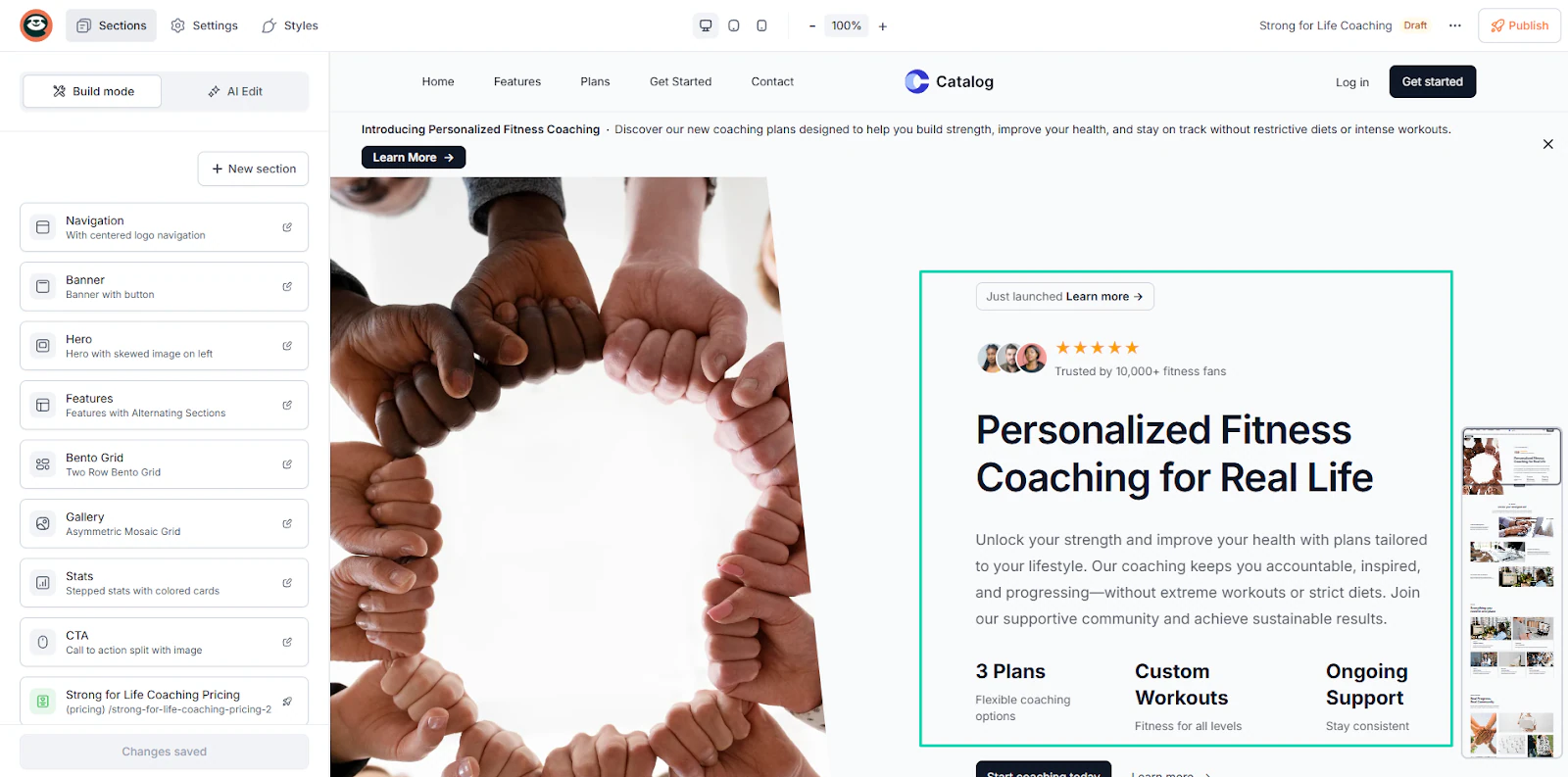
You can also adjust coaching pricing plans, allowing website visitors to choose the plan that works best for them.
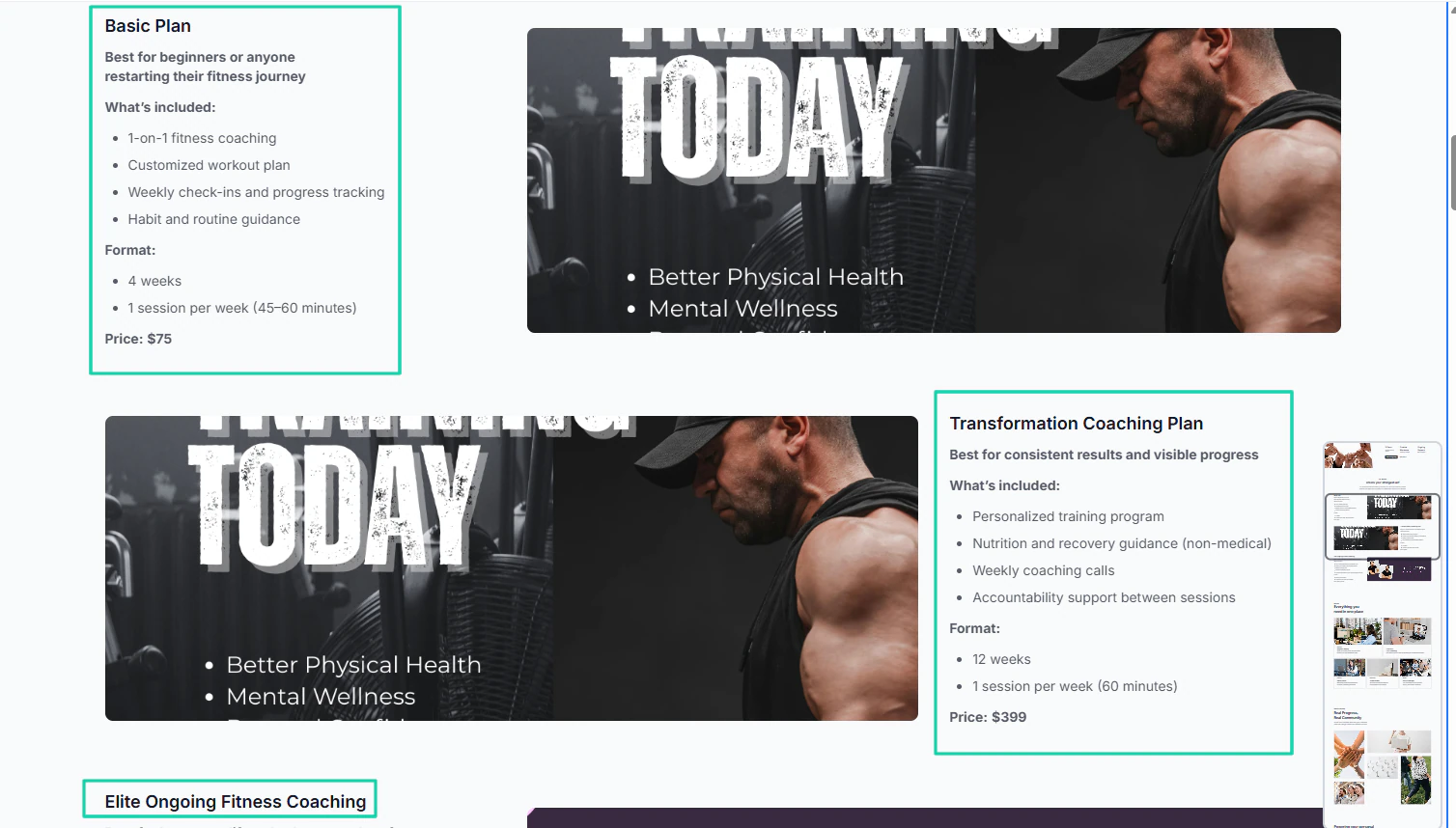
You can even edit text, add testimonials, sections, images, CTA buttons, and much more. Once you’re satisfied, hit the “Publish” button.
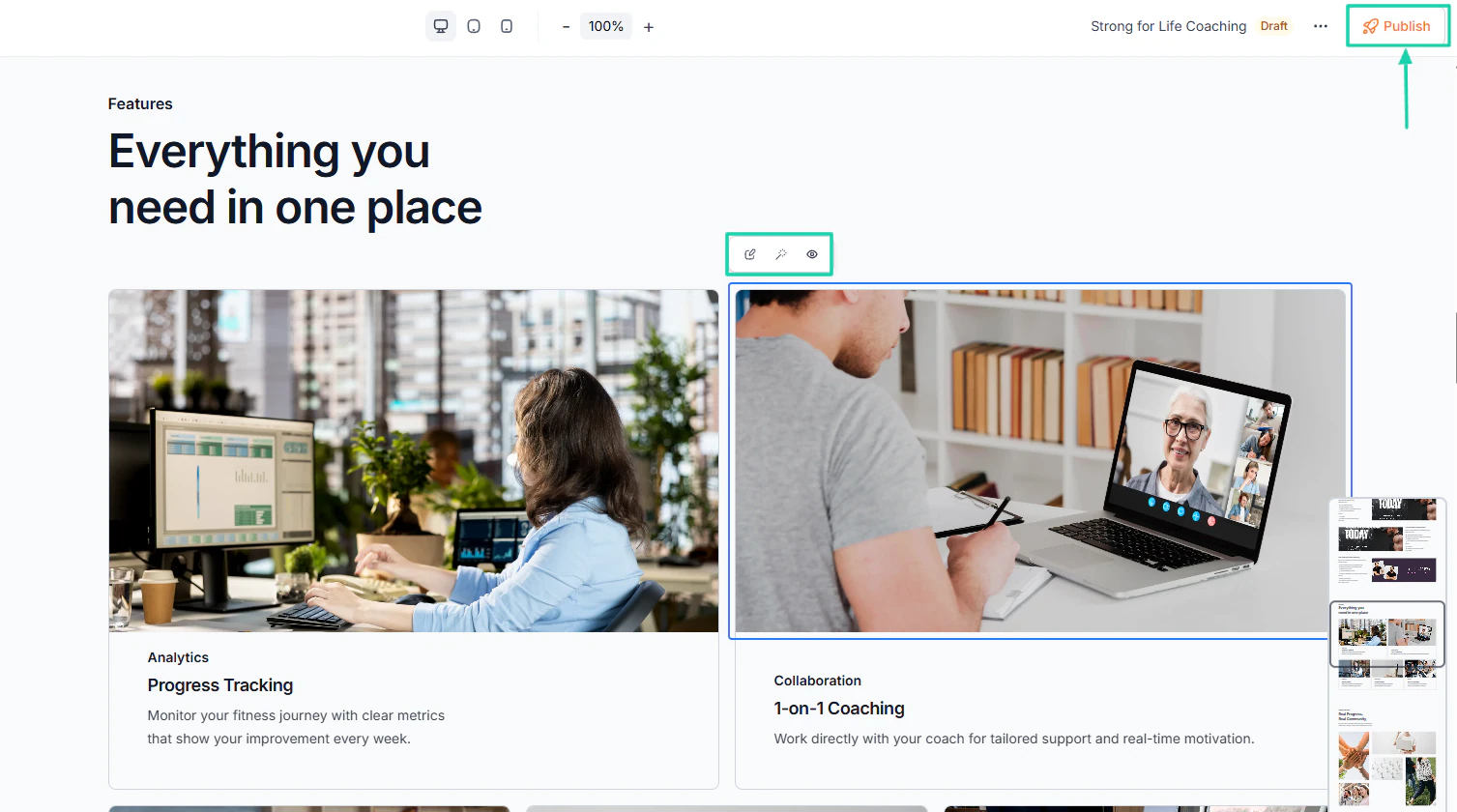
If you prefer video tutorials, watch the one below. It shows you how to create your landing page on Easytools.
{{cta-banner-1}}
If you’re still reading this article, it’s clear you have everything it takes to start a coaching business.
But the final step is to market your offer and get your first customers.
Step 6: Market and get your first customers
Last but not least, market your online coaching business.
The truth is, you can create the best coaching offer in the world and launch the business, but it’s only valuable if potential customers find it.
And there are many cost-free ways to market your coaching business and get customers.
1 . Start with your network
It doesn’t cost you anything to start with the people you already know. They can become your first customers.
This is the easiest approach.
Tell your friends, family, and professional contacts what you’re doing. Your first customer might be one of them.
You can also share your coaching offer on your personal social profiles. I’m sure you have accumulated a pretty long list of contacts.
A gentle message won’t hurt.
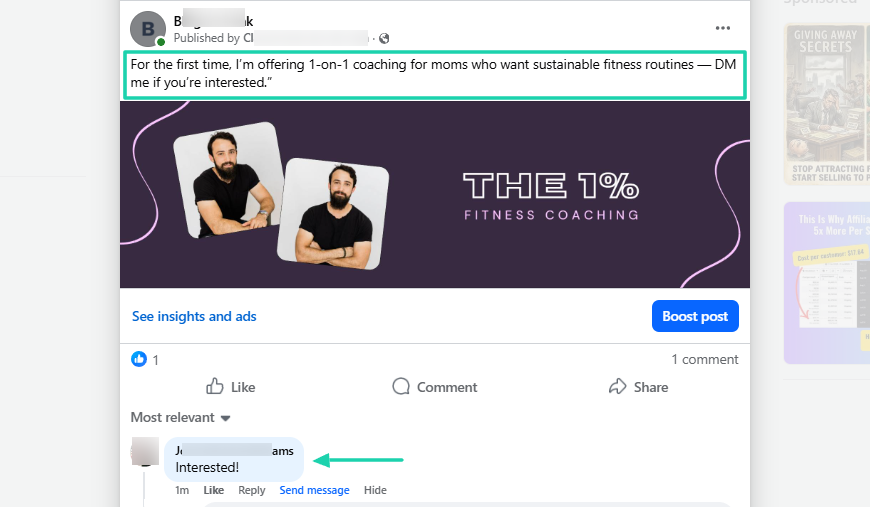
This is how you can frame it: “For the first time, I’m offering 1-on-1 coaching for moms who want sustainable fitness routines; DM me if you’re interested.”
2 . Share useful and free content
This is a strategy many use to get customers. For instance, if you’re a communicator coach, you can post short educational posts on LinkedIn, TikTok, or Instagram.
It can be tips, mini workouts, or motivation.
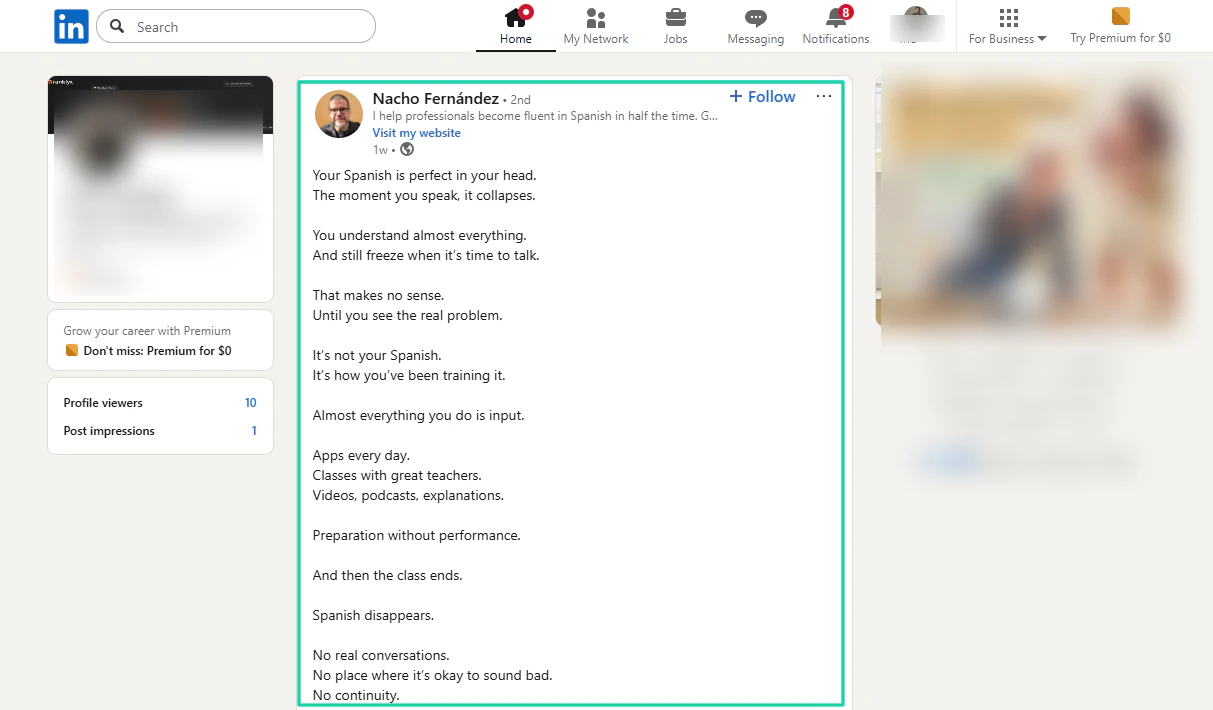
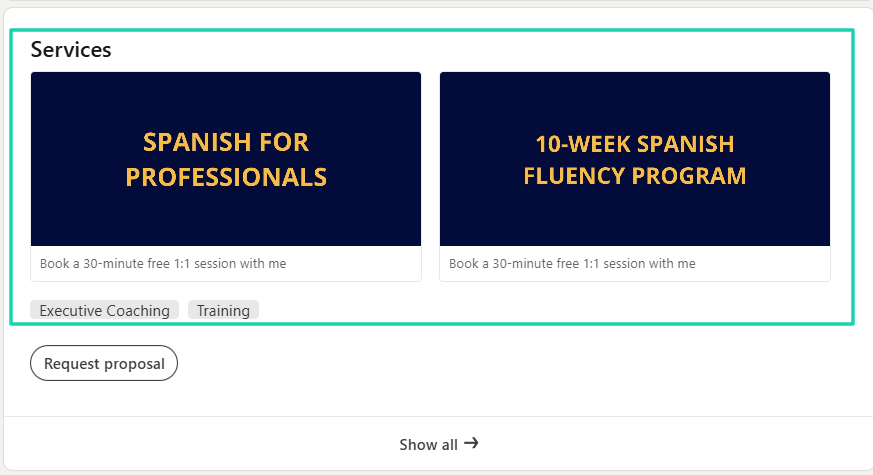
An example is Nacho Fernández, a Spanish coach who posts tips on LinkedIn to improve Spanish skills.
He even shares great visuals to engage his audience.
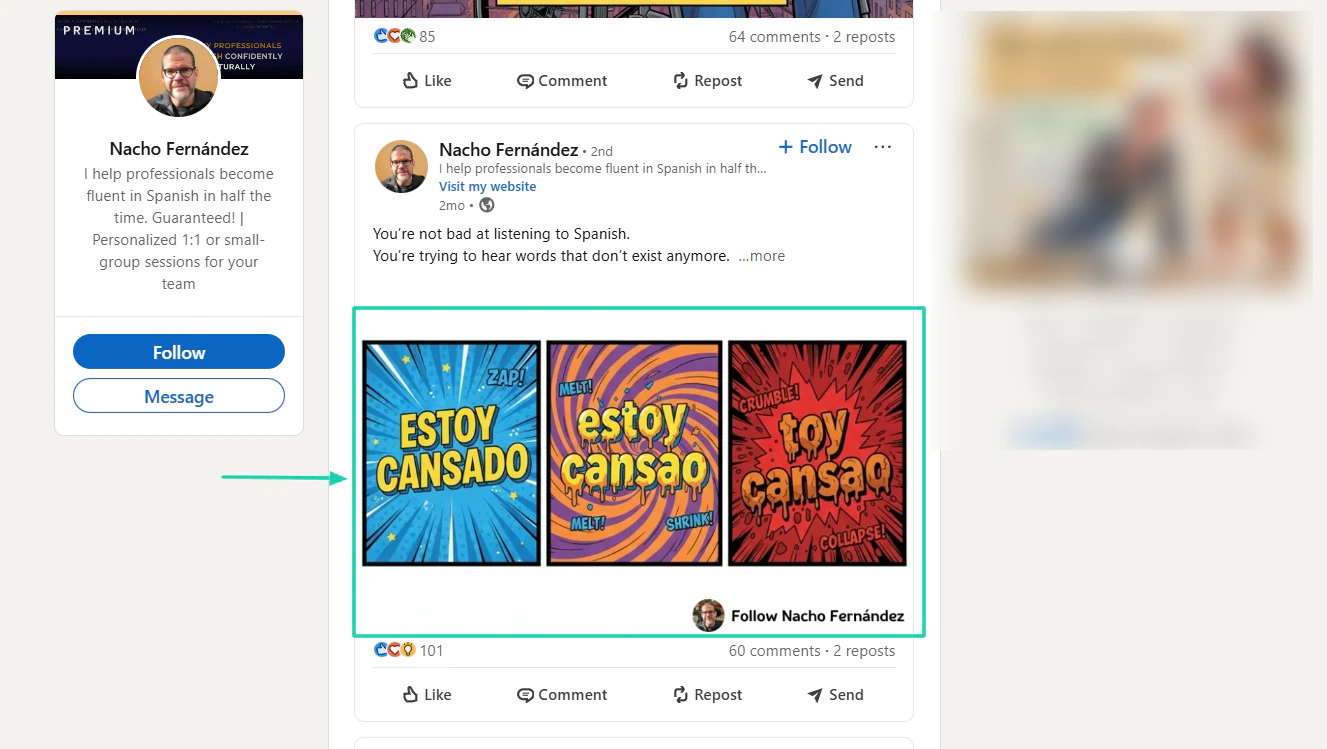
And he still finds a way to market his coaching services. This way, readers who are interested after reading some of his content can request his services directly.
3 . Email marketing
When people don’t know you, it’s difficult to make a first purchase. Many will require you to follow up with them.
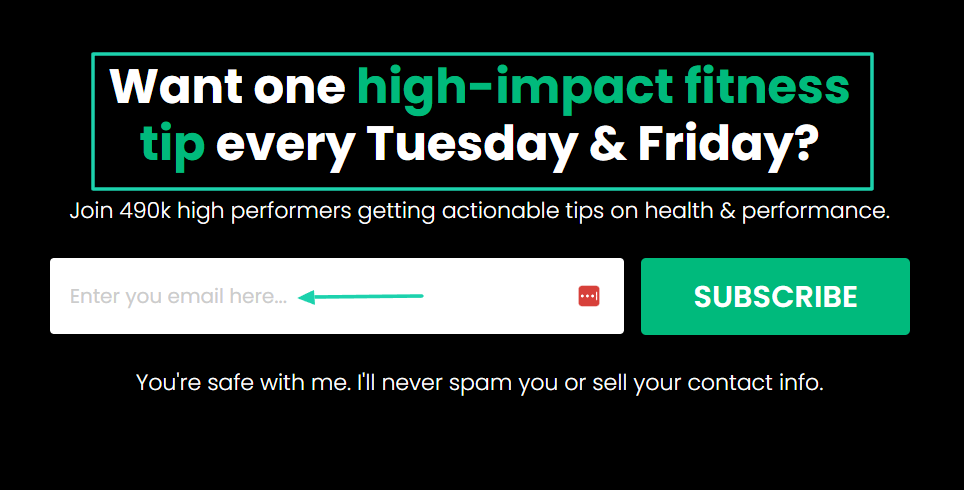
One thing you can do is create a lead magnet. You offer a free resource, like a PDF, to potential customers in exchange for their email address and, sometimes, their name.
That’s what Dan Go does. He asks for your email address in exchange for fitness tips every Tuesday and Friday.
4 . Partnership and collaboration
You can reach out to people who already serve your ideal audience and partner with them.
Let’s say you’re a fitness coach. Nutritionists, yoga instructors, and wellness influencers can be potential partners. For example, you can partner with a local yoga instructor to co-host a free workshop.
You will both have the opportunity to promote your event, which is double exposure.
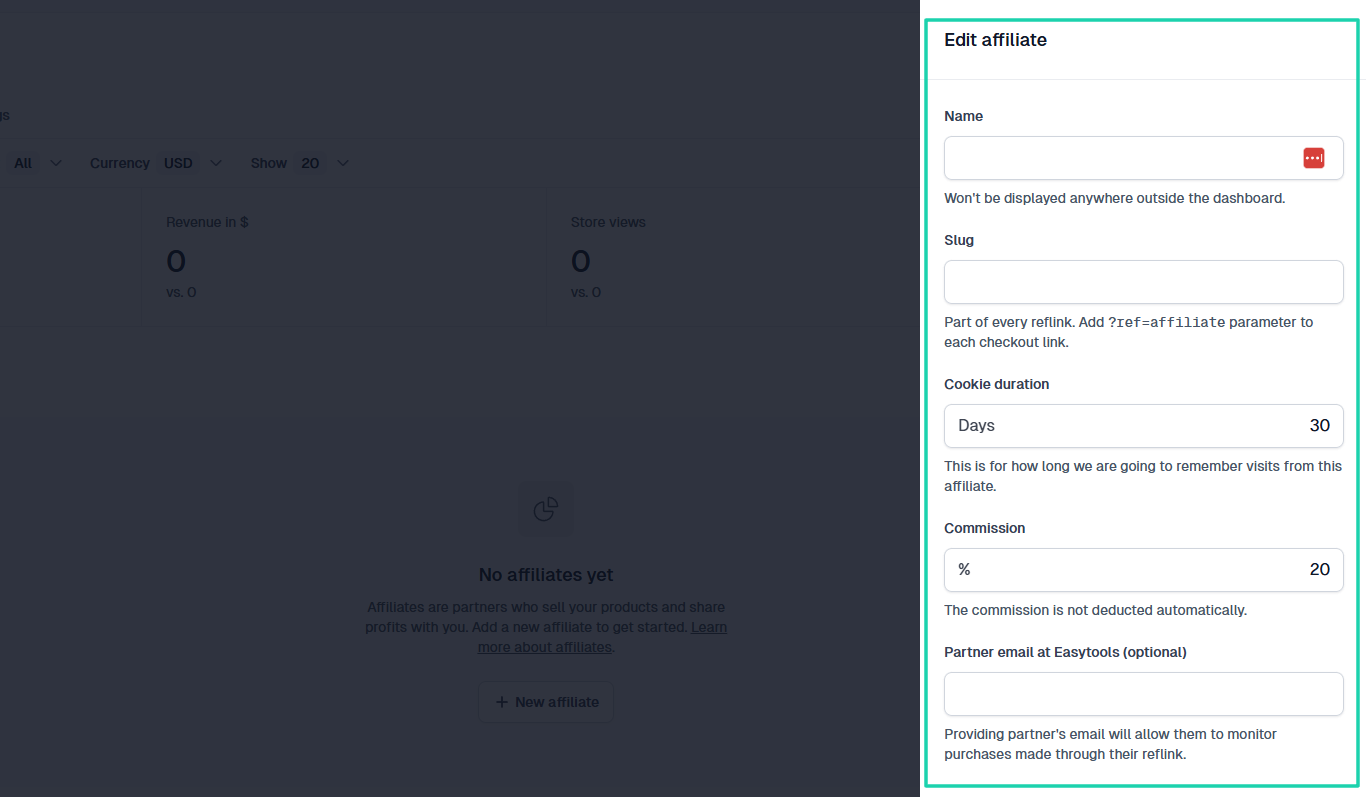
But in case you’re using a platform that lets you create affiliate programs, you should seize that opportunity. As I said earlier, nobody really knows you.
The affiliate program allows others to promote your coaching business and earn a commission.
5 . Testimonials and social proof
I will end with this.
Collecting and displaying testimonials is an effective way to attract new customers.
According to a Gartner study, about 90% of buyers are influenced by social proof when comparing products.

The moment you have even one customer, you must do your best to request testimonials. That alone can bring in a lot more customers.
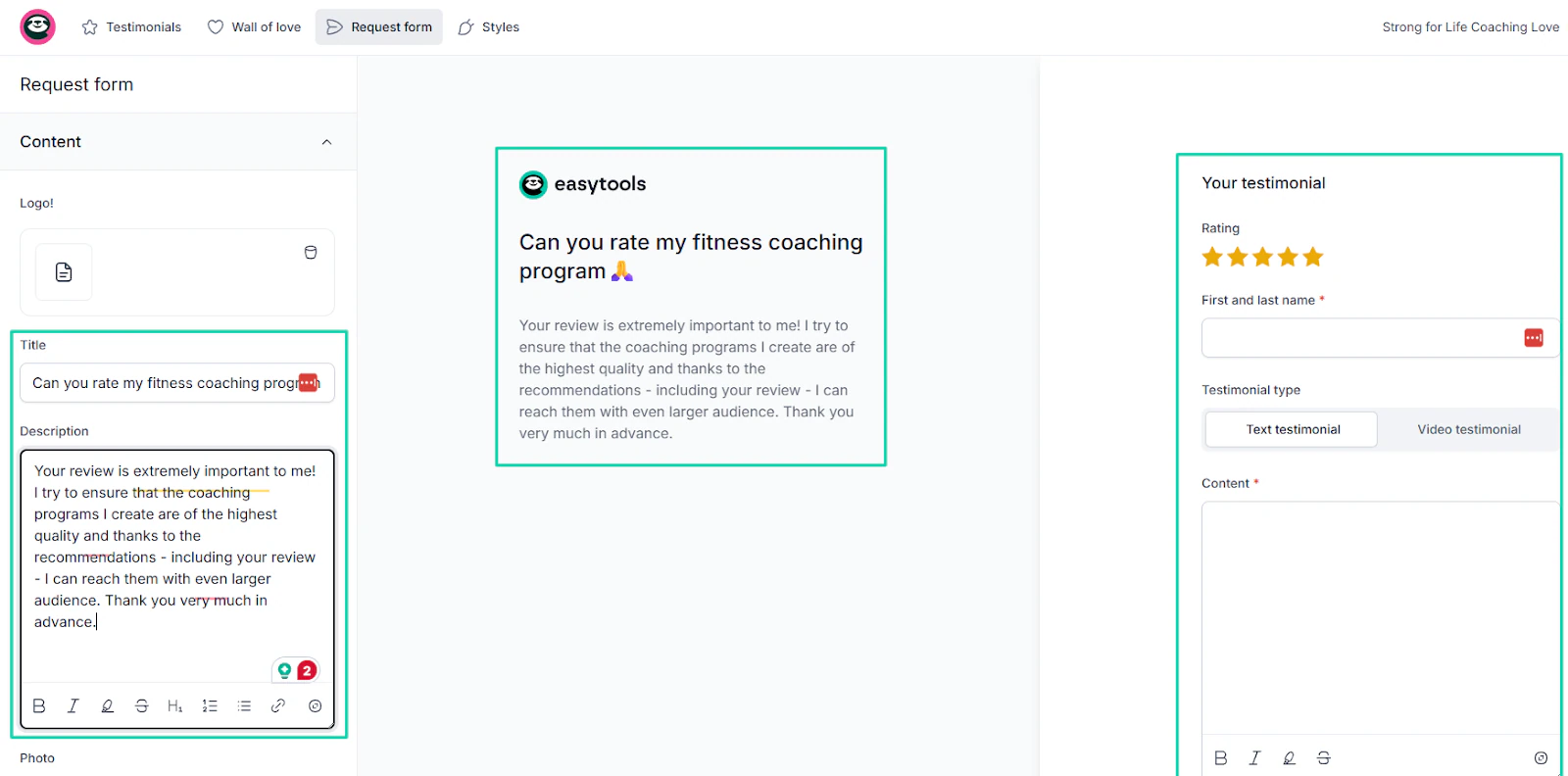
You can use those testimonials on your website, social media, or email campaigns. It builds trust and encourages people to embrace your coaching program.
It’s only after you’ve done all these that you can think of paid ads.
Now that you know what to do, I wouldn’t want you to repeat the mistakes many new coaches make. That’s why I added the following section.
Keep reading, you’re halfway there.
Common mistakes new coaches make
New coaches usually fall into the trap of making a few common mistakes:
- Trying to help everyone
- Not validating the idea before launching their coaching business
- Underpricing their services
- Ignoring real marketing strategies
Those are the mistakes you can avoid if you keep reading.
1. Trying to help everyone
Trying to help everyone when starting a coaching business is a common mistake new coaches make. They mistakenly assume that coaching everyone will result in more customers.
Big mistake.
When you position your coaching services too broadly, hoping to attract more customers, you’re already shooting yourself in the foot.
Here’s the reality. A message that tries to resonate with everyone will resonate with no one.
I’m not even making this up.
Business coach, Joanna Lott, also experienced it.
When she started her coaching business, she tried to help as many people as possible. This made it difficult for her to get customers.

To avoid making such a mistake, you must niche down.
In other words, you must have a specific group, a recurring problem, and a defined transformation. These three elements are what I call the art of niching.
Dr Camille, for instance, offers coaching services only to busy mums who want to reclaim their joy at home and/or at work.
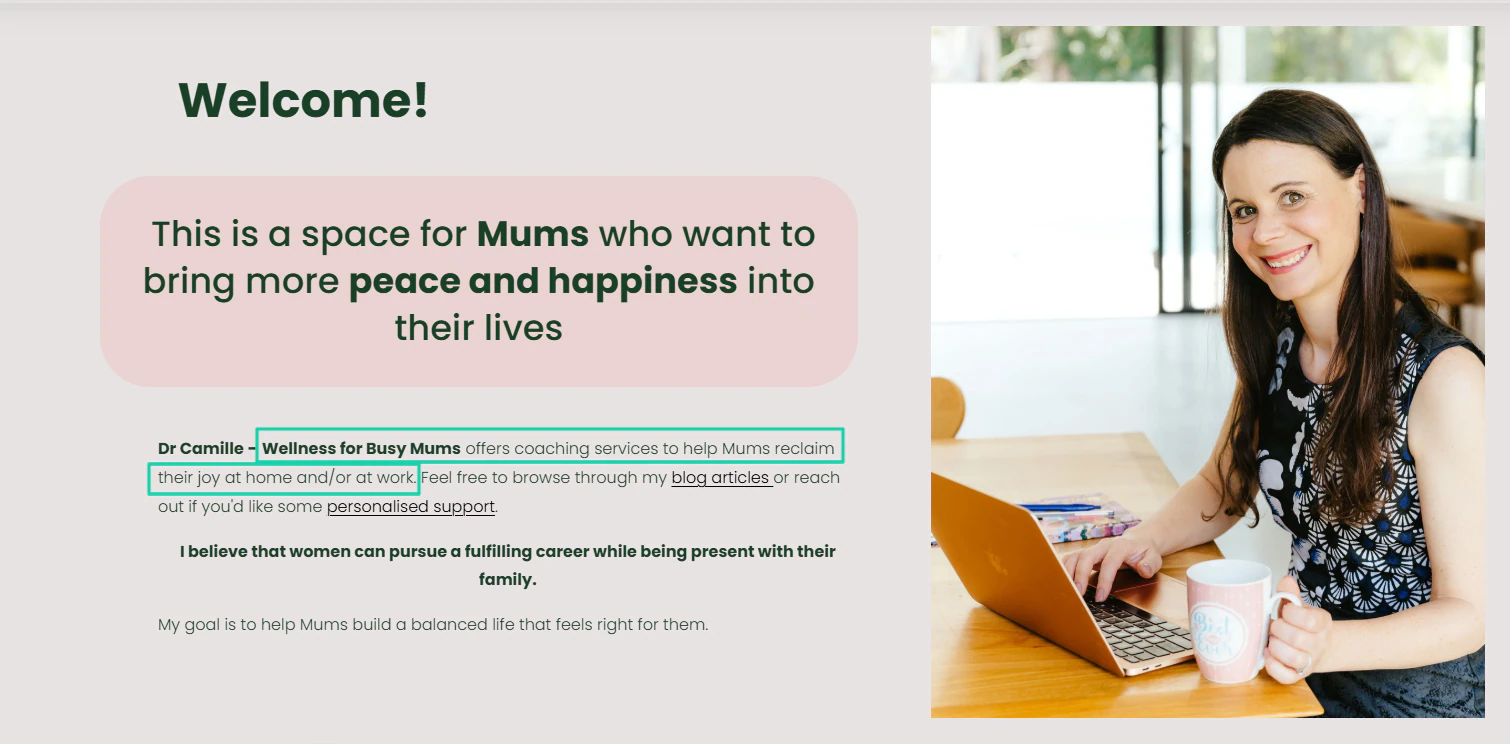
Her coaching services are not available to men, entrepreneurs, children, women, or divorced individuals. To be qualified, you need to be a mum.
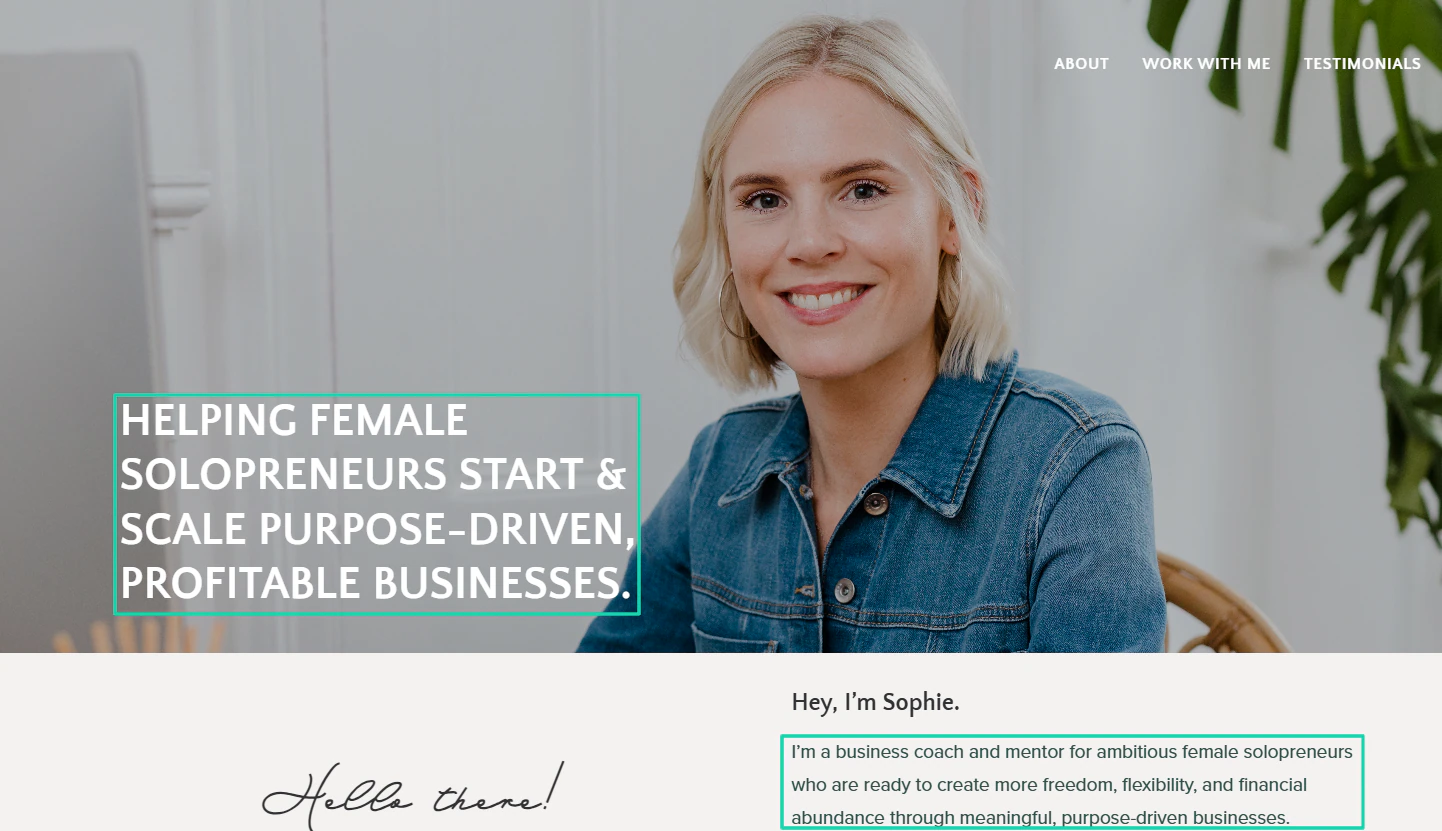
There is also the business coach, Sophie Clyde-Smith, whose focus is on female solopreneurs who want to start and scale profitable businesses.
I’m tempted to bring Dan Go back into this conversation because he truly understands the value of niching down. As a fitness coach, he doesn’t coach everyone.
That’s why people even apply for coaching with him. He wants to make sure you’re a successful business owner struggling with your health.
His LinkedIn profile attracts almost half a million followers.
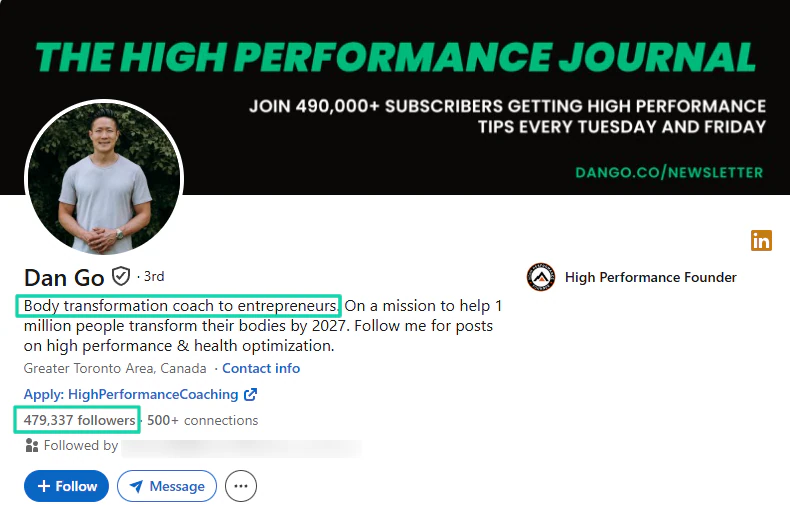
He has a clear niche, and so should you. Not finding your niche is problematic.
A niche can still be broad, but within it, there are specific areas and target audiences you need to understand.
For example, dating and relationship coaching is a niche. Stopping there might not always get you the attention you need from potential customers.
Here are some of the specific areas we can find within dating and relationship coaching:
- Online dating coaching
- Dating confidence coaching
- Dating mindset coaching
- Dating after divorce coaching
- Dating for busy professionals
- Marriage coaching
- Long-term relationship coaching
- Relationship communication coaching
- Conflict resolution coaching for couples
- Dating after divorce or breakup
- Relationship coaching for newlyweds
- Codependency recovery coaching
- Self-worth and confidence coaching for dating
- Dating coaching for professionals
- Relationship coaching for entrepreneurs
- Dating coaching for creatives
I can go on, but my point is that you need to be more specific.
Selling yourself as a dating and relationship coach doesn’t really mean much.
Do you mean you can help people with online dating? What about those who want to start a new relationship after their divorce?
You want to be specific, like:
“I help recently divorced professionals rebuild confidence and date again without repeating past relationship patterns.”
A statement like this means you’re really targeting a specific group of people, and that’s the way to go.
I came across Brad and Morgan Robinson, founders of Healing Broken Trust. They are relationship coaches, but only for couples seeking to rebuild their marriage.
They are experts at helping people who’ve experienced infidelity or betrayal and still want to save their marriage.

As a new coach, don’t think that narrowing your niche will lose you customers.
It’s actually the opposite because you don’t lose customers, but you gain the right ones.
Niche down to attract customers faster. That happens because it resonates more deeply with people who are ready to buy.
Now, let’s discuss other mistakes.
2. Not validating the idea before launching their coaching business
New coaches don’t validate the idea before launching or starting their coaching business.
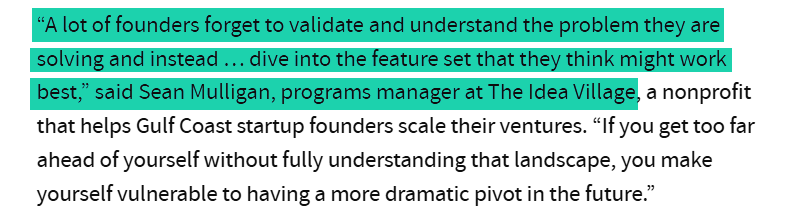
Sean Mulligan, programs manager at The Idea Village, said: “A lot of founders forget to validate and understand the problem they are solving and instead … dive into the feature set that they think might work best.”
This is the same issue new coaches have. They forget to validate the problem they are trying to solve. To them, if they build their coaching program, customers will definitely come.
Some even believe that their idea is already good, so there is no need for validation.
But testing the idea helps you gather feedback and determine whether you can move forward with it.
So, before you fully commit to building your coaching program, you need to validate it. I’ll share a few ways to do so.
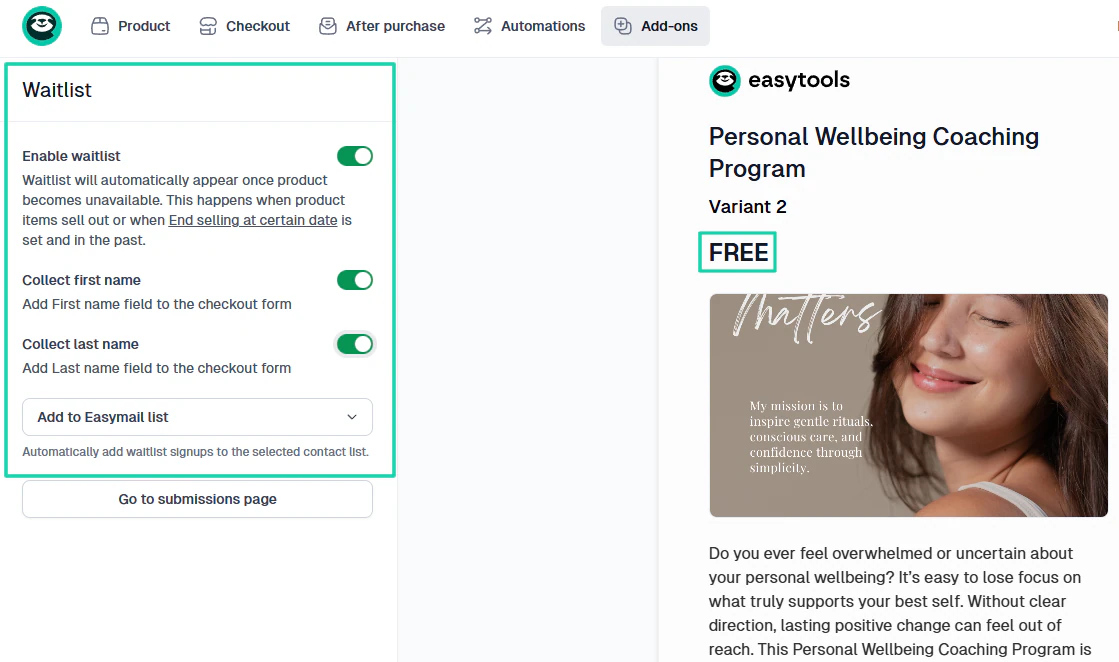
1 . Launch a waitlist
This is one of the best ways you can test your idea before launching it. You build a waitlist to create excitement for your upcoming coaching program and allow people to register.
In doing so, you can capture emails and gather information from the people who are really interested in your coaching program.
There are many platforms, like Easytools, that can help with that.
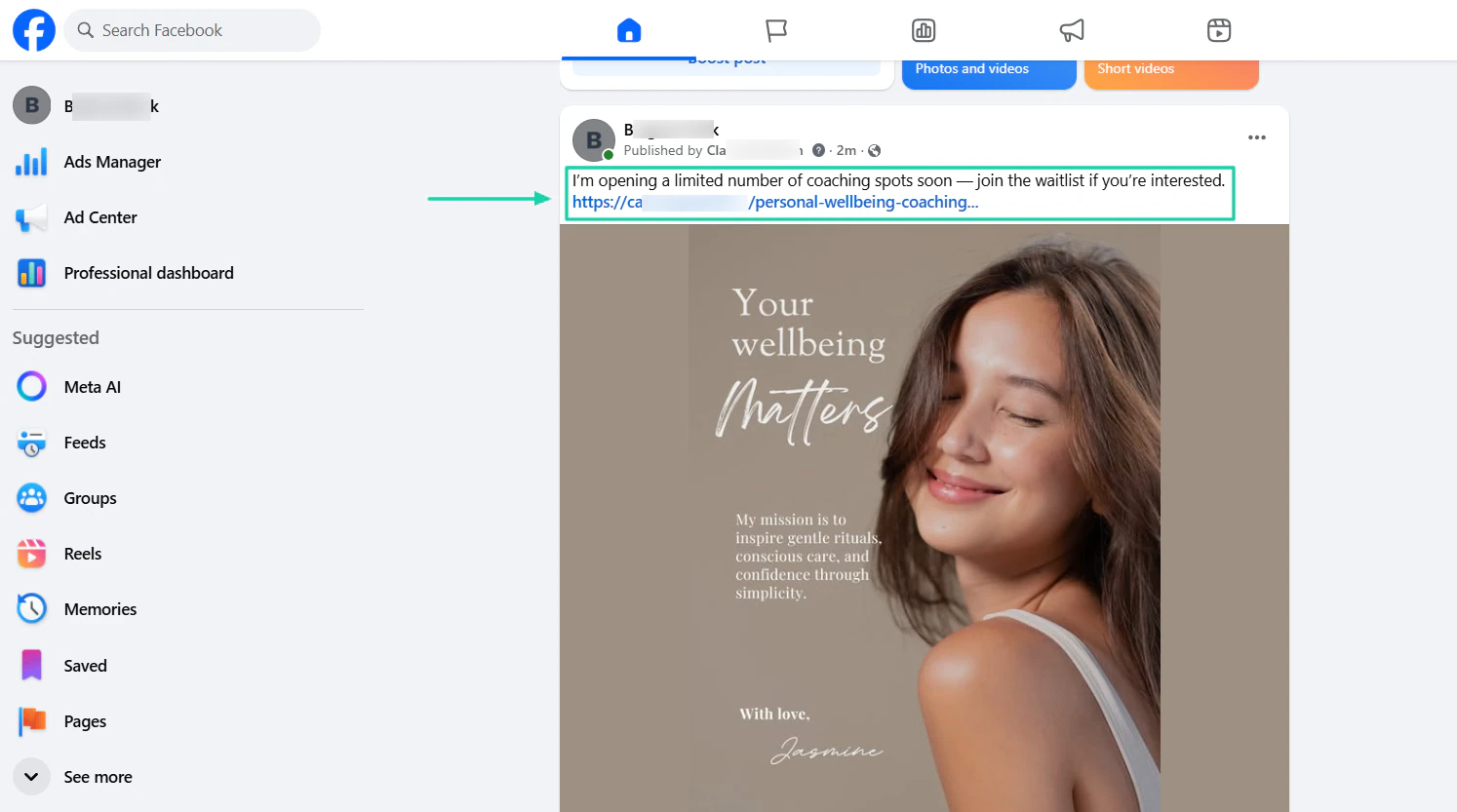
Then you drop a simple message on your social media or groups with the link to your waitlist.
For example, “I’m opening a limited number of coaching spots soon. Join the waitlist if you’re interested.[Link]”
If people register, it means they want it.
2 . Offer your coaching program for free in exchange for feedback and testimonials
Another way to test your idea is to offer the full program for free in exchange for testimonials and feedback. I suggest doing so with 6-10 people.
You basically offer people your coaching services in exchange for feedback. Many would love it since it’s free.
Some tools allow you to even collect testimonials in both text and video.
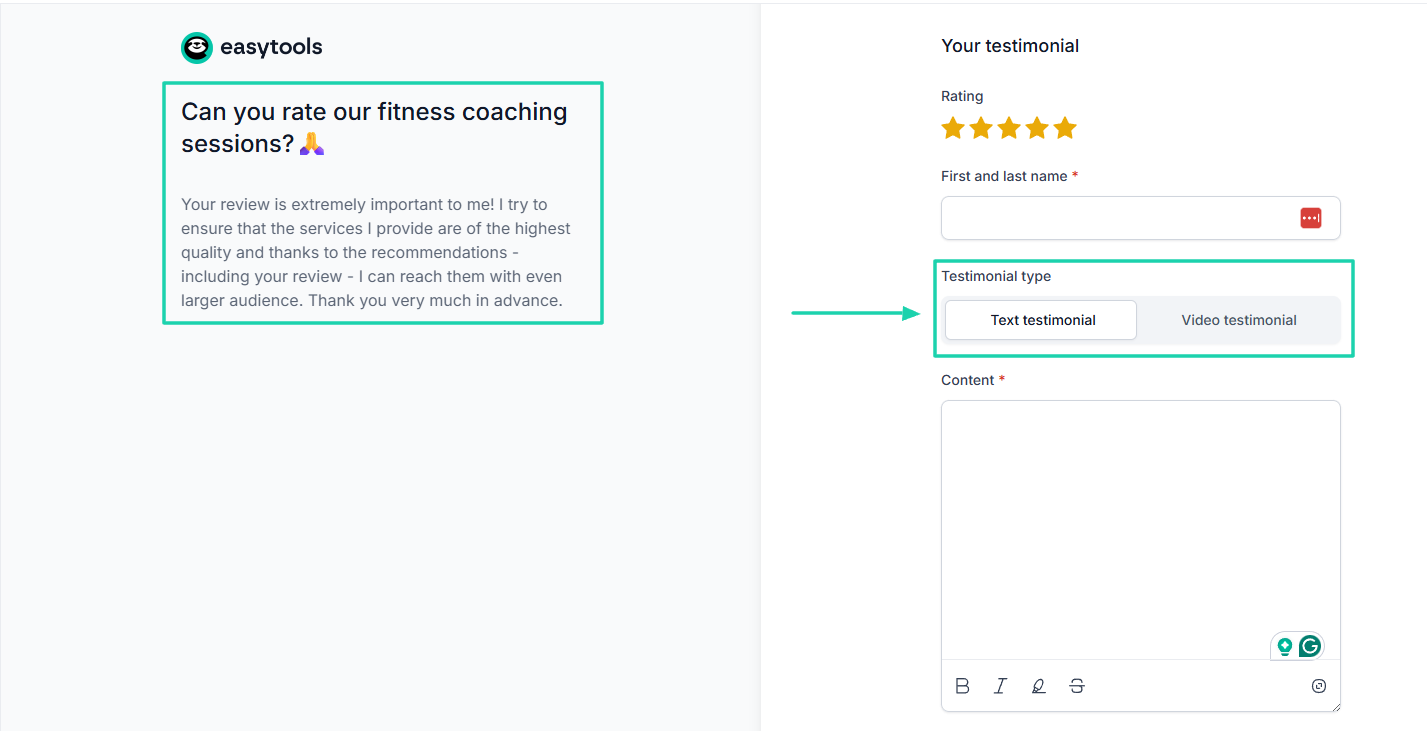
The video below shows how it works on Easytools
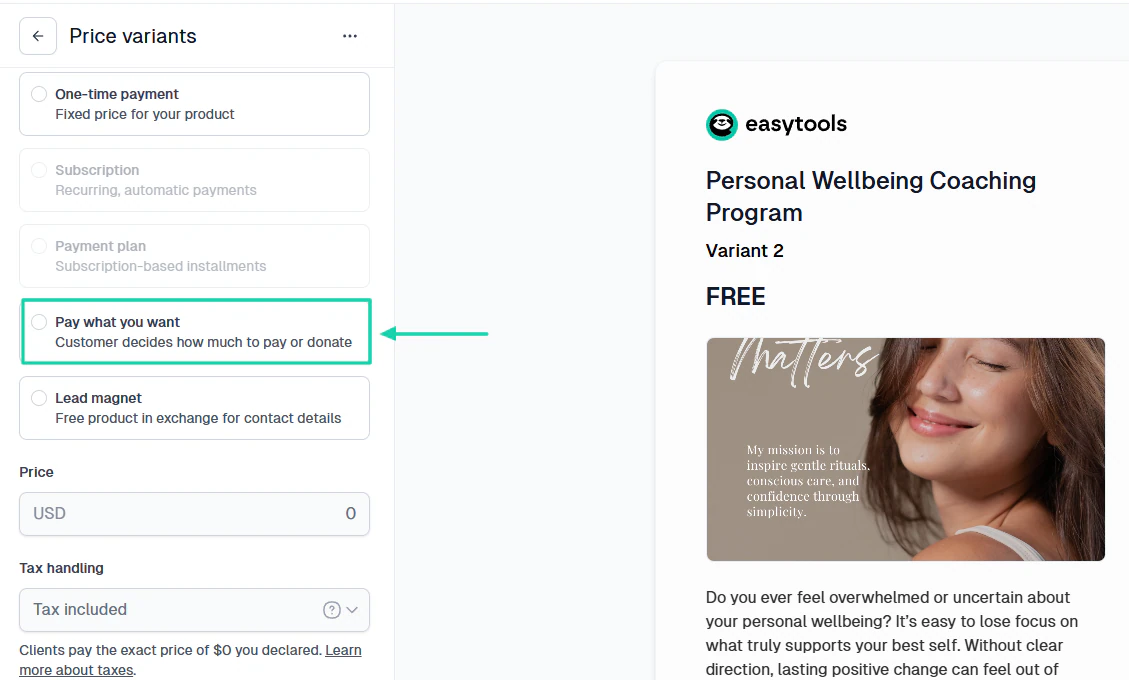
3 . Use the Pay-what-you-want model
You can use the pay-what-you-want model to help you validate your idea.
Offer your coaching services to prospective customers at no cost. They pay what they want.
It works like donations. You do it for a while and see whether people are willing to offer a small contribution in exchange for your coaching services.
There are, without a doubt, many other ways to validate your idea before you launch your coaching business.
But the ones I shared already give you a clear idea of how to test yours.
3. Underpricing their services
Underpricing your services is also a common mistake to make when starting a coaching business.
Why do you automatically assume people won’t pay more?
The truth is, people will pay for what they want. All you have to do is set the right price for your work.
Two life coaches, the Macklin Twins, shared a YouTube short explaining they didn’t know what to charge when they started coaching.
They underpriced because they believed cheaper meant more customers, but later realized it was a big mistake.
This is probably what you also think. You don’t want to lose customers, but you mistakenly believe that lowering prices will attract more people.
But that’s simply not true. In most markets, higher prices signal higher value.
One of the best ways to avoid underpricing is to look at what others charge for the same service.
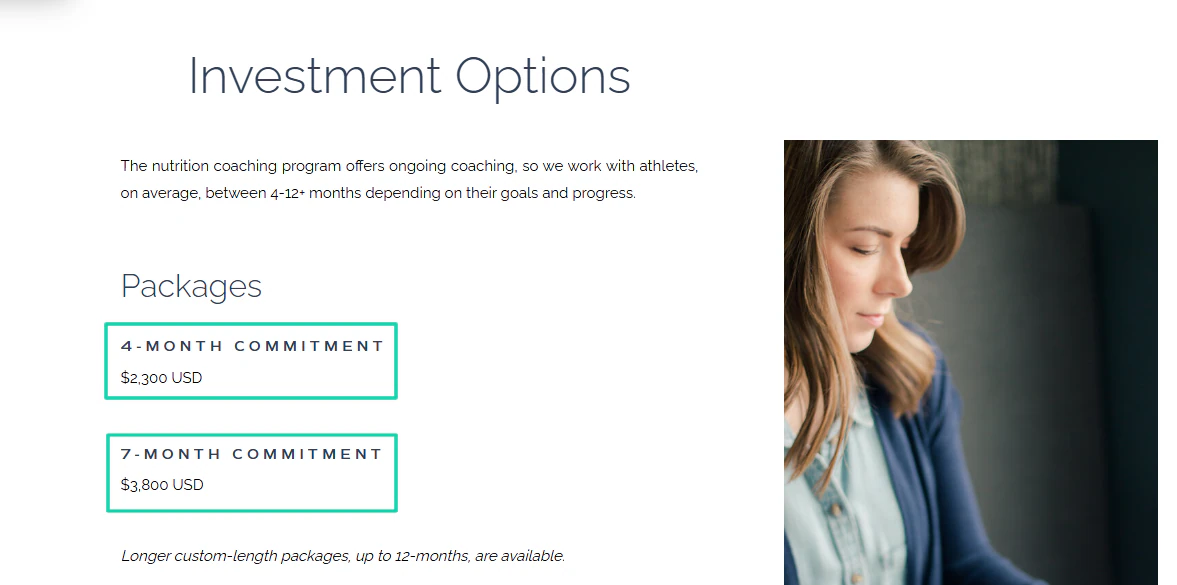
If I were a nutrition coach, I would check what other nutritionists charge. Alex Larson, for instance, is a nutrition coach who charges $2,300 for a 4-month commitment and $3,800 for a 7-month commitment.
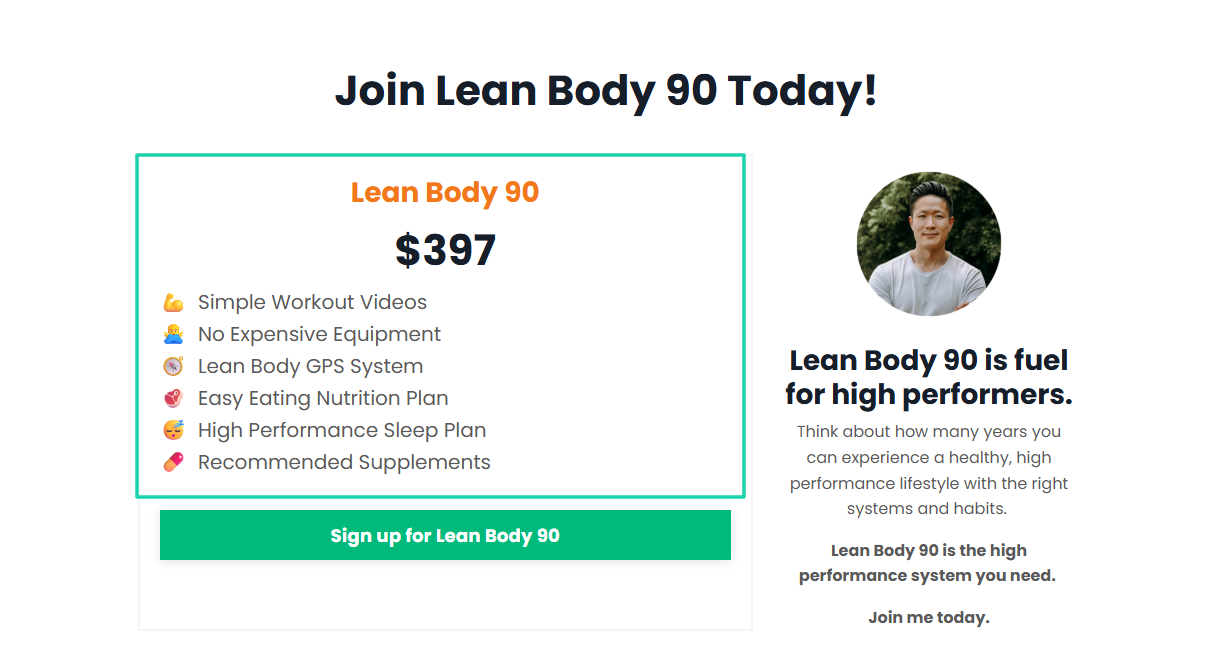
A fitness coach would do the same. Dan Go charges $397 for 90 days.
If I offer the same services, I might charge in the same range but at a lower price because I’m new.
If they charge $500-$600/month, you can charge $350-$400/month for the same services. And if they charge around $1,500/month, you should do $1,000/month.
Remember that your price must match the value your customers receive.
It’s about the transformation they experience. So focus on that, and you will be able to charge what you’re worth.
Let’s look at these two examples from Dan Go testimonials.
The first one is Mark Manson, a New York Times (NYT) bestselling author.
He admits that Dan Go helped him with nutrition and exercise. And that positively impacted his day-to-day decisions.
Then you have Mark Fieldman, the CEO of Game Show Network. He was depressed at one point, but Dan Go helped him transform his mindset and physique.
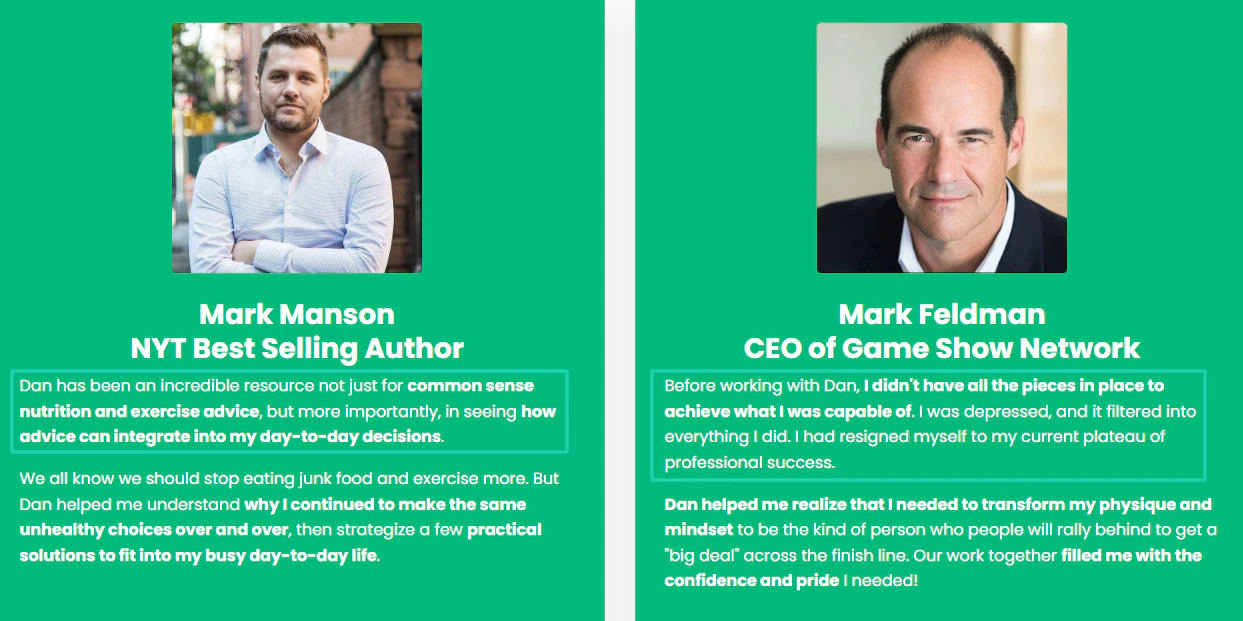
Do you think that with these two testimonials, Dan Go would underprice? Absolutely not!
The reason is the impact and transformation. This is what I want you to focus on to avoid that trap.
Keep in mind that this is what people really pay for.
Pro tip: Sometimes raising your prices is not about adding more to your offer. It’s about changing who you sell to.
Now, let’s discuss one more mistake.
4. Ignoring real marketing strategies
The last common mistake beginners make when starting a coaching business is ignoring effective marketing strategies.
New coaches often believe that once they have a great coaching offer, customers will run after them. So, they sit, relax, post whenever they want, and hope things will happen on their own.
The online market is so competitive that if you don’t use marketing strategies, you’re likely to be invisible.
Customers hardly buy from people they don’t know. In other words, if you want them to become your customers, you must increase your visibility.
Although Dan Go is already a successful fitness coach, he continues to post helpful content.
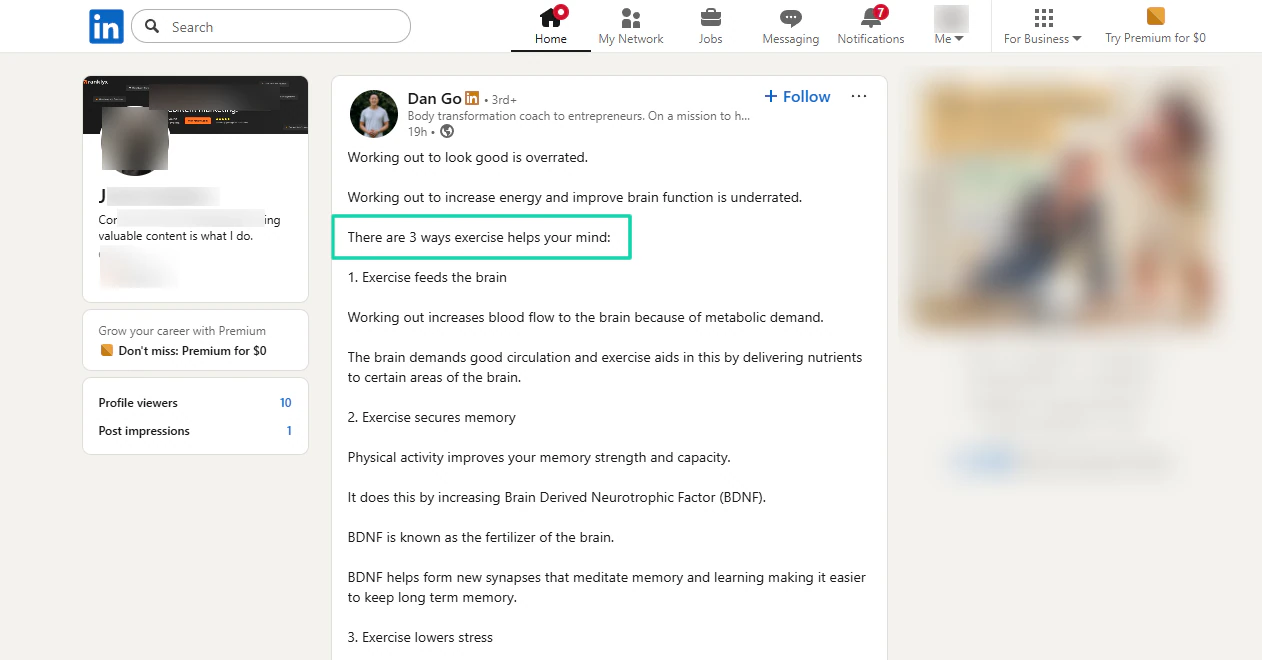
He also posts videos that educate viewers on niche topics like training, sports, the gym, nutrition, and more.
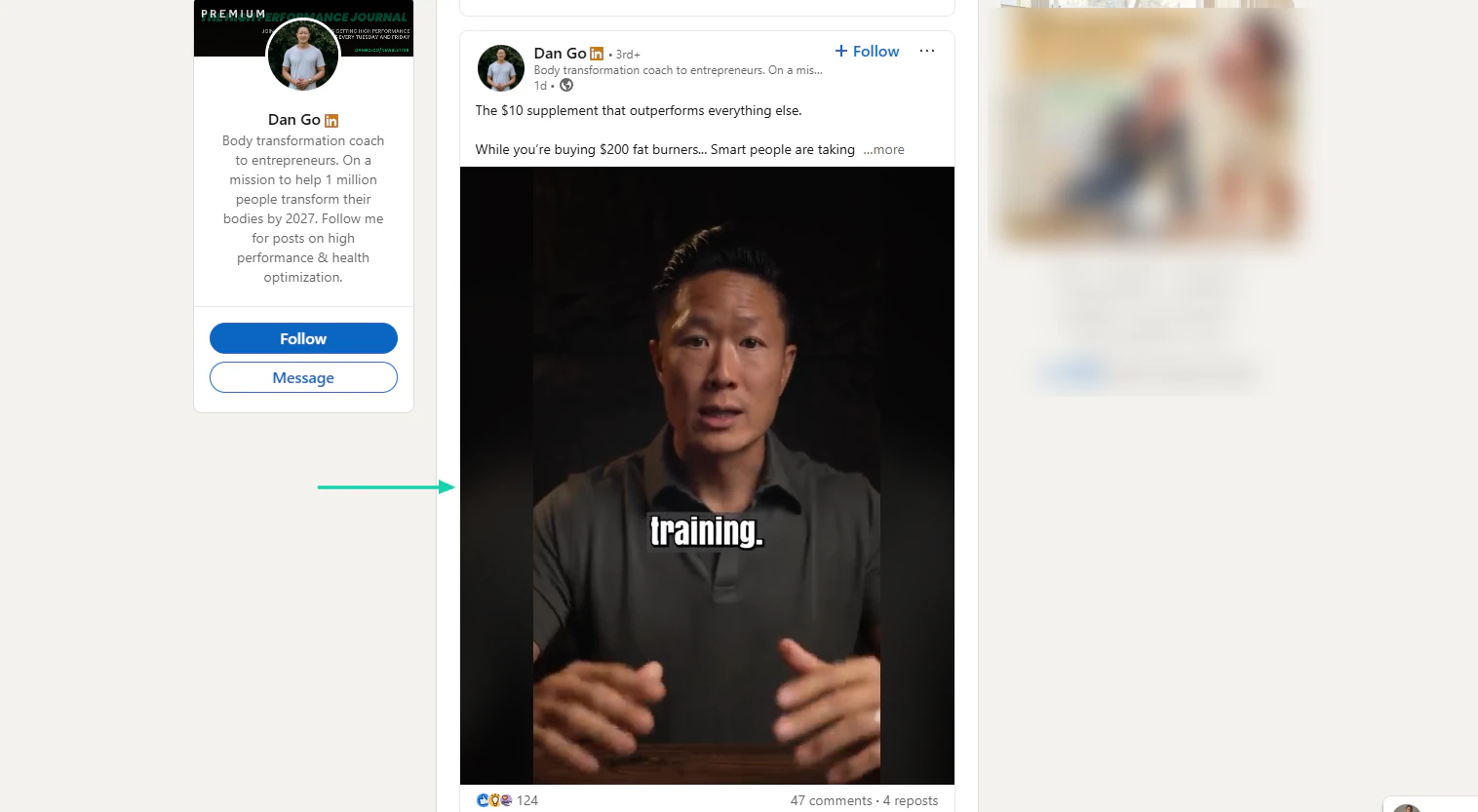
This is consistent, value-driven content.
When you do that, your community sees you as an expert. And potential customers who don’t know you can discover you.
If Dan still does that at his level, why shouldn’t you?
Another marketing strategy that new coaches often overlook is building their email lists. This mistake is really costly, so you should avoid it.
You should start collecting emails from day one. This helps you maintain regular contact with potential customers, share exclusive insights, cross-sell, and strategically pitch your offers.
Joanna, a business coach, understood this from the beginning of her coaching career. She started building her email list, and it has significantly impacted her business.

And she hasn’t stopped. She still creates lead magnets.
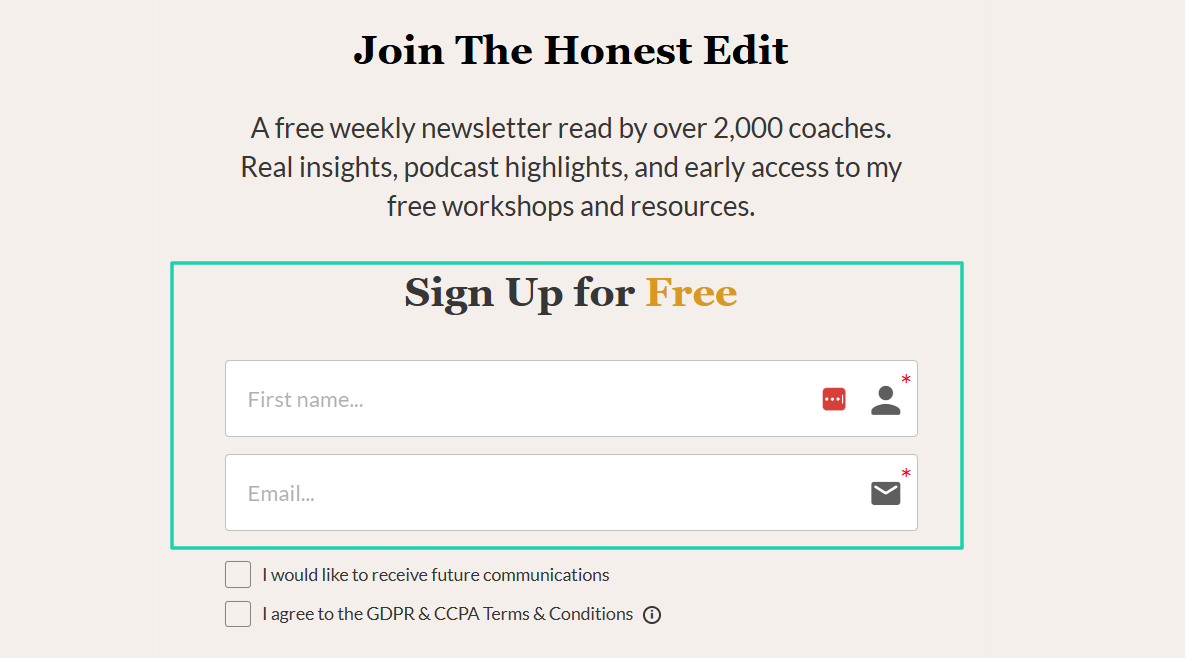
As a new coach, you shouldn’t neglect the power of hosting free workshops, webinars, or coaching services.
When you start coaching for free, you’re likely to convert some volunteers into paying customers. This is what the business coach Michael Knouse did.
When he started, he sent emails to everyone he knew, offering to coach them for free.

After a few months, he realized he had coached 68 people for free, and 12 of them became paying customers.

It all started with offering free services, and in his second year, he generated nearly $170,000 as a coach.

To give you an overview of everything. I’ve added a table that lists common mistakes and how to avoid them.
Start a profitable coaching business online
Starting a coaching business is not difficult. You should define who you coach and the problem you solve, create a good coaching offer, and set your pricing.
Then you set up the basic business foundations, launch your coaching business, and market it to get your first customers.
We also saw that new coaches were prone to common mistakes, like helping everyone or failing to validate business ideas before launching. They may also underprice their services and ignore proven marketing strategies.
Then, I offered tips to help you avoid making those mistakes.
Now there is no excuse! You can properly start your coaching business.