Selling online
15 min readHow to sell fitness programs online in 5 simple, practical steps (An easy guide)
Learn how to sell fitness programs online with a simple 5-step strategy, including pricing, platforms, and promotion tips to grow your fitness business.
- Written by
- Greg Rog
- Reviewed by
- Marta Jagosz
- Updated on
- April 28, 2026
- Published on
- April 17, 2026
People want to look and feel their best. If you can help them tick that box, consider selling fitness programs online.
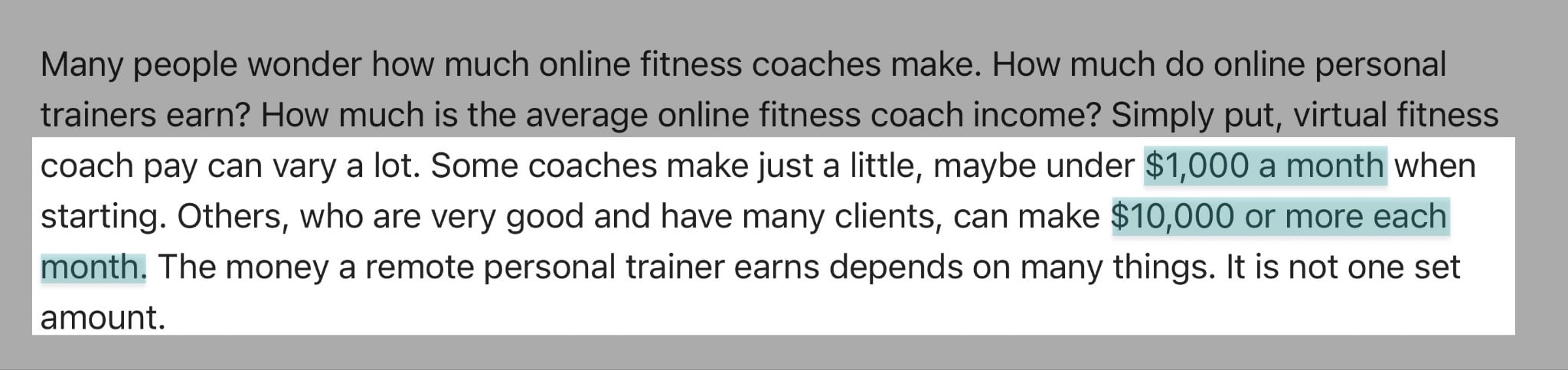
Many wellness coaches who sell fitness programs online typically make between $1,000 and $10,000+ per month. With the right approach, that could be you.
The right approach matters because the biggest challenge can be getting a clear, step-by-step guide to get you started and going.
In this article, I’ll walk you through five simple steps to confidently sell your fitness program online.
All you have to do is keep reading.
TL;DR
-
To sell fitness programs online, you should
-
1. Identify your fitness niche
-
2. Create and package your fitness program offer
-
3. Price it strategically
-
4. Choose a platform to sell your fitness program
-
5. Promote your fitness program online
-
Some examples of fitness programs you can sell are
-
1. Strength training programs
-
2. Postpartum fitness programs
-
3. Weight-loss programs
-
4. Home workouts
-
5. Senior fitness programs
-
Typically, the price of fitness programs ranges from $10 to $1,000+, depending on
-
1. The level of support you provide
-
2. The fitness niche and target audience
-
3. The transformation you promise
-
4. The market rate
How to sell fitness programs online
To successfully sell fitness programs online, you should:
- Identify your fitness niche
- Create and package your offer
- Strategically price your fitness program
- Choose a platform to sell your program
- Promote it online
Now, let’s go through each step in detail.
Step 1. Identify your fitness niche
The first step in selling fitness programs online is to identify a niche. This will help you focus on a group and a solution you understand well, rather than trying to help everyone.
A few fitness niches some coaches specialize in are:
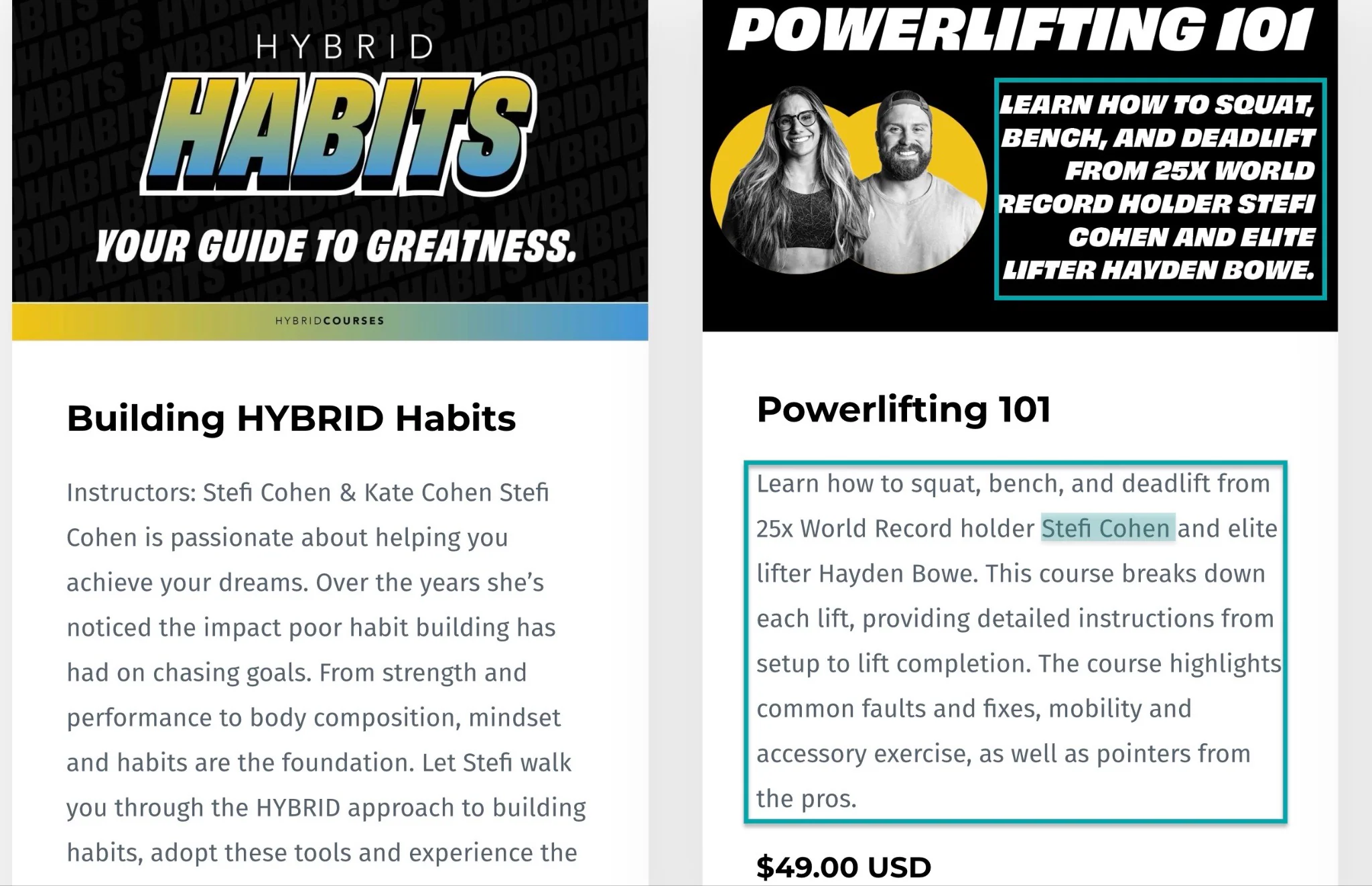
Strength training for people who want to build muscles and increase strength. A well-known example of a coach selling fitness programs online in this niche is Stefi Cohen.
She co-founded Hybrid Performance Method. Through this platform, she sells strength training programs, courses, and coaching
Postpartum fitness for new mothers recovering after childbirth. Lindsey Bomgren made $205,000 in 2023 by selling fitness programs online.
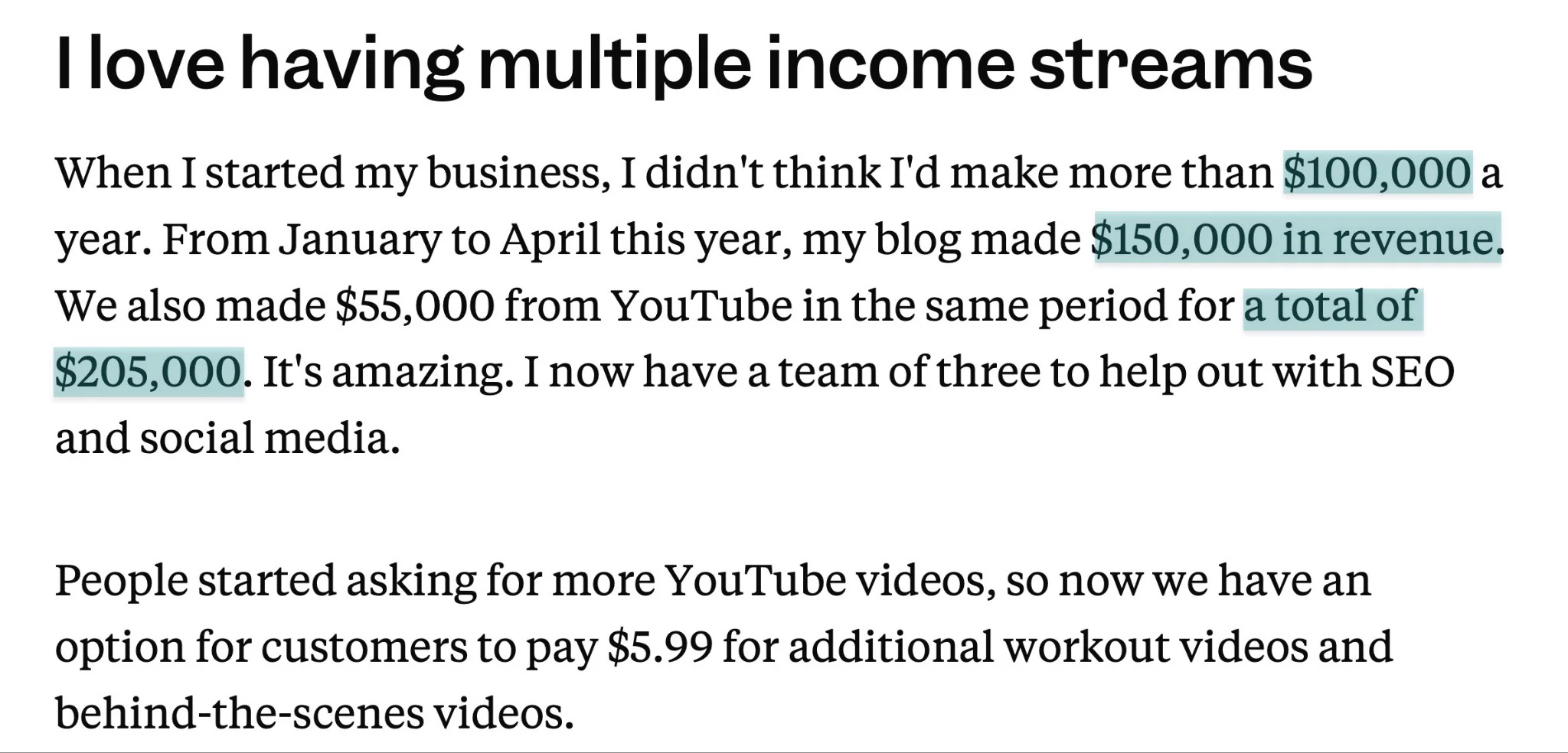
She says she stuck to prenatal, postpartum, and strength training because they perform very well.
Weight-loss programs for busy professionals and people targeting specific fitness outcomes. Kayla Itsines is a household name in the weight-loss and home-workout niches.
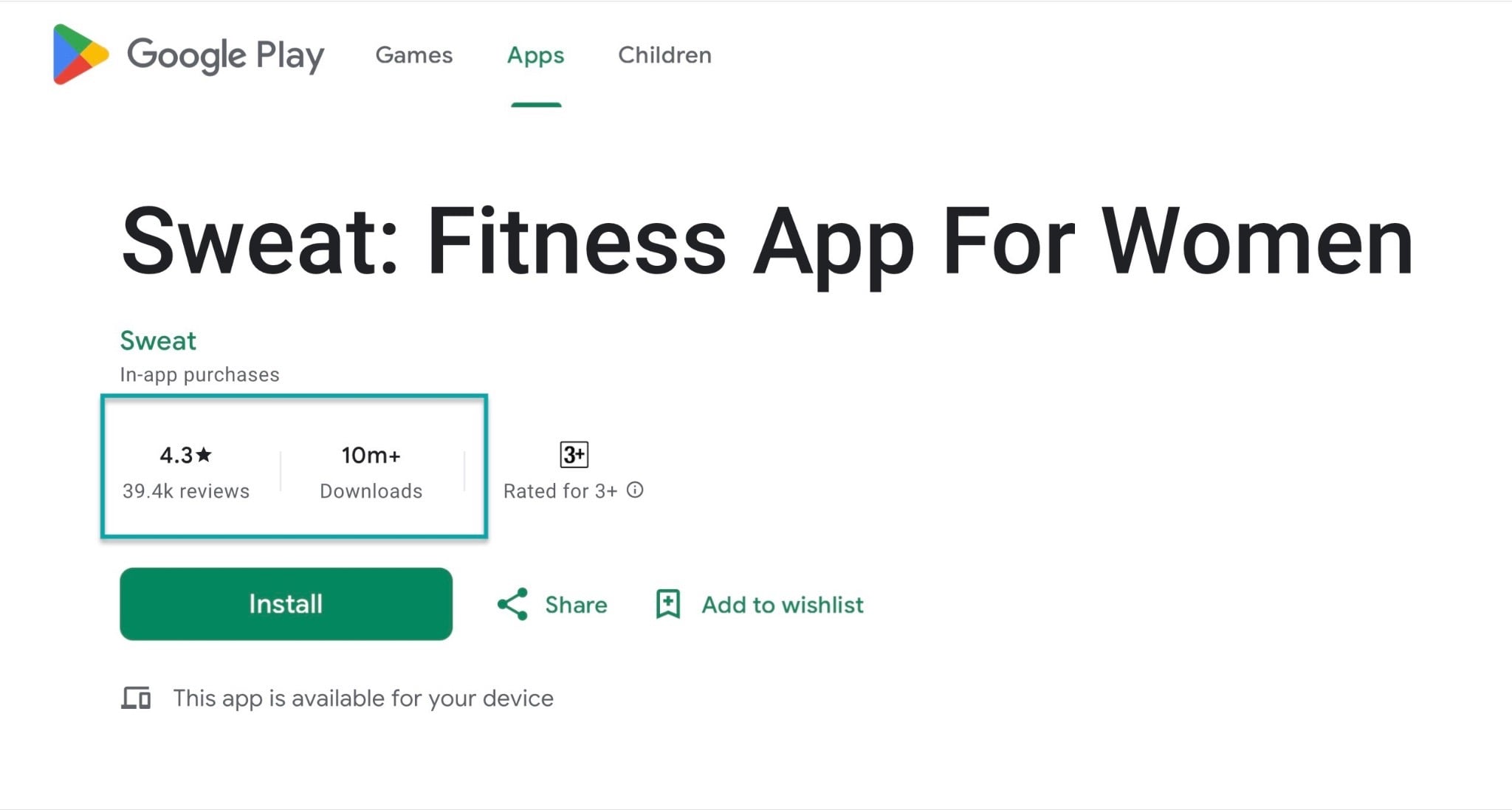
She launched an e-book/fitness program, Bikini Body Guide (BBG). BBG later transitioned into the Sweat app.
The app has 10M+ downloads on the Google Play Store to date.
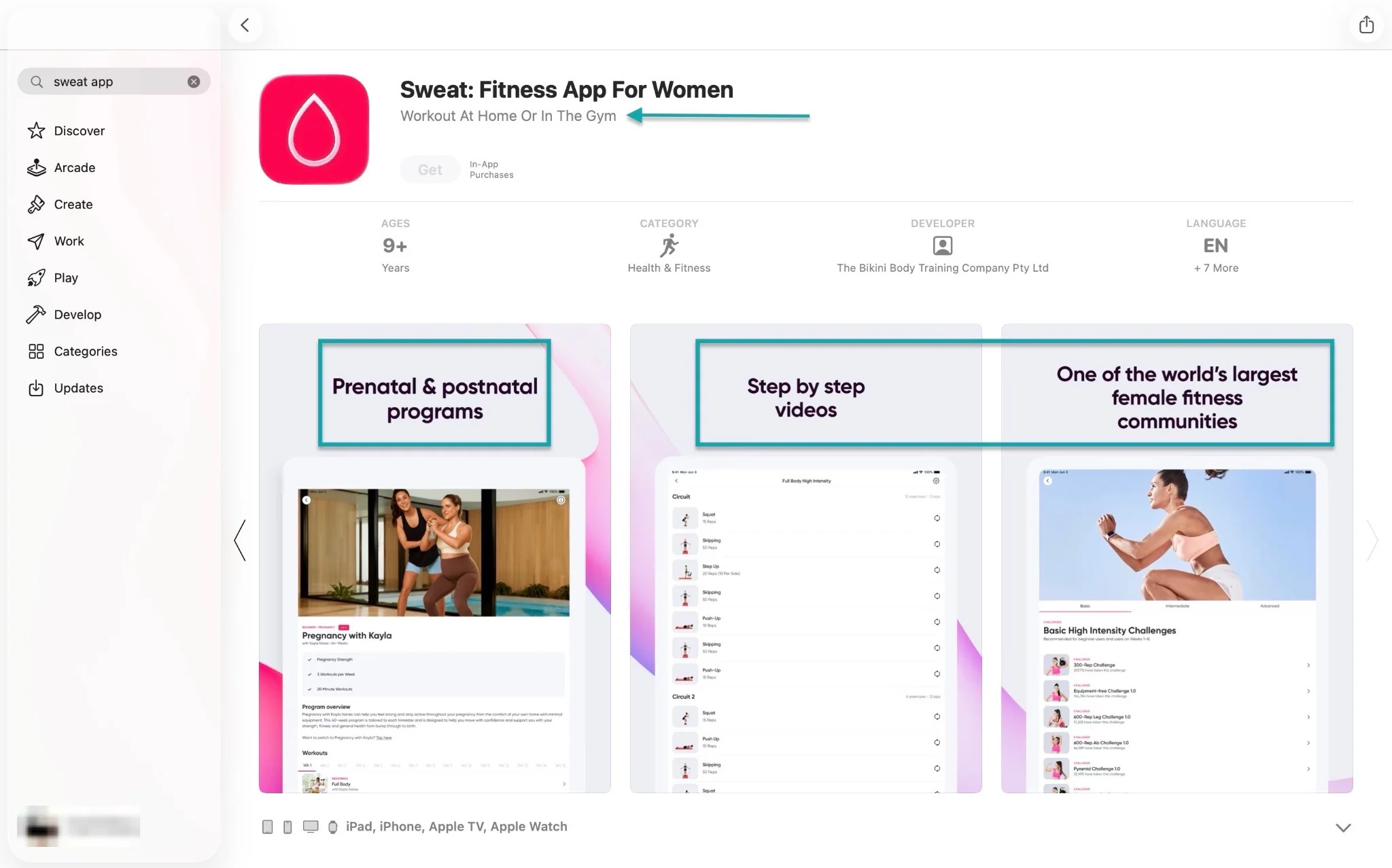
And on the Apple Store, the target audience is very precise. It’s clear that it’s for women who work out at home or at the gym, plus some extra details.
Home workouts for people who prefer exercising at home. These can be downloadable guides, subscriptions, workout classes, apps, and video libraries.
We’ve already seen from Kayla’s story that the home workout niche is actually in high demand.
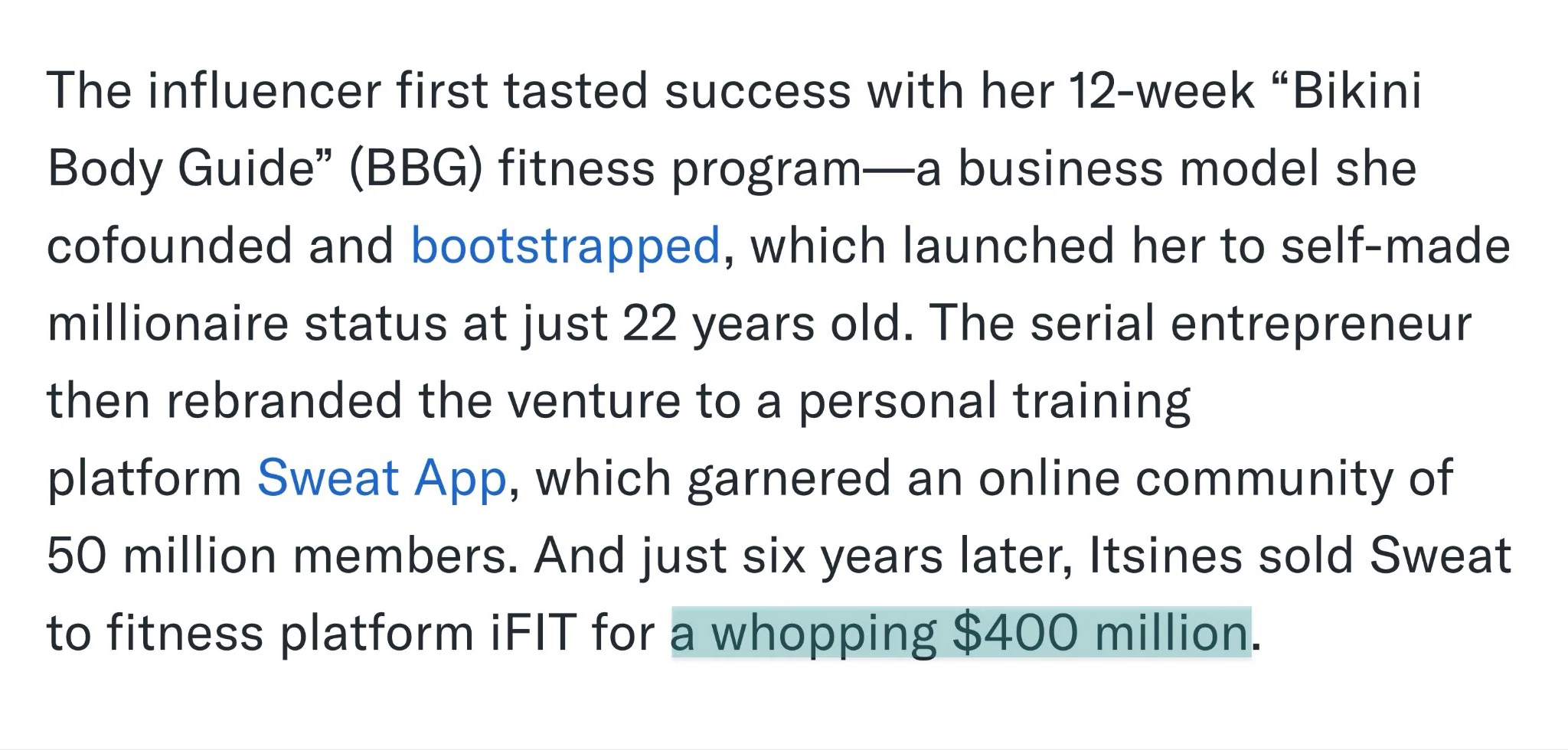
The Sweat app is excellent for home workouts, after all. And she recently sold it for $400M.
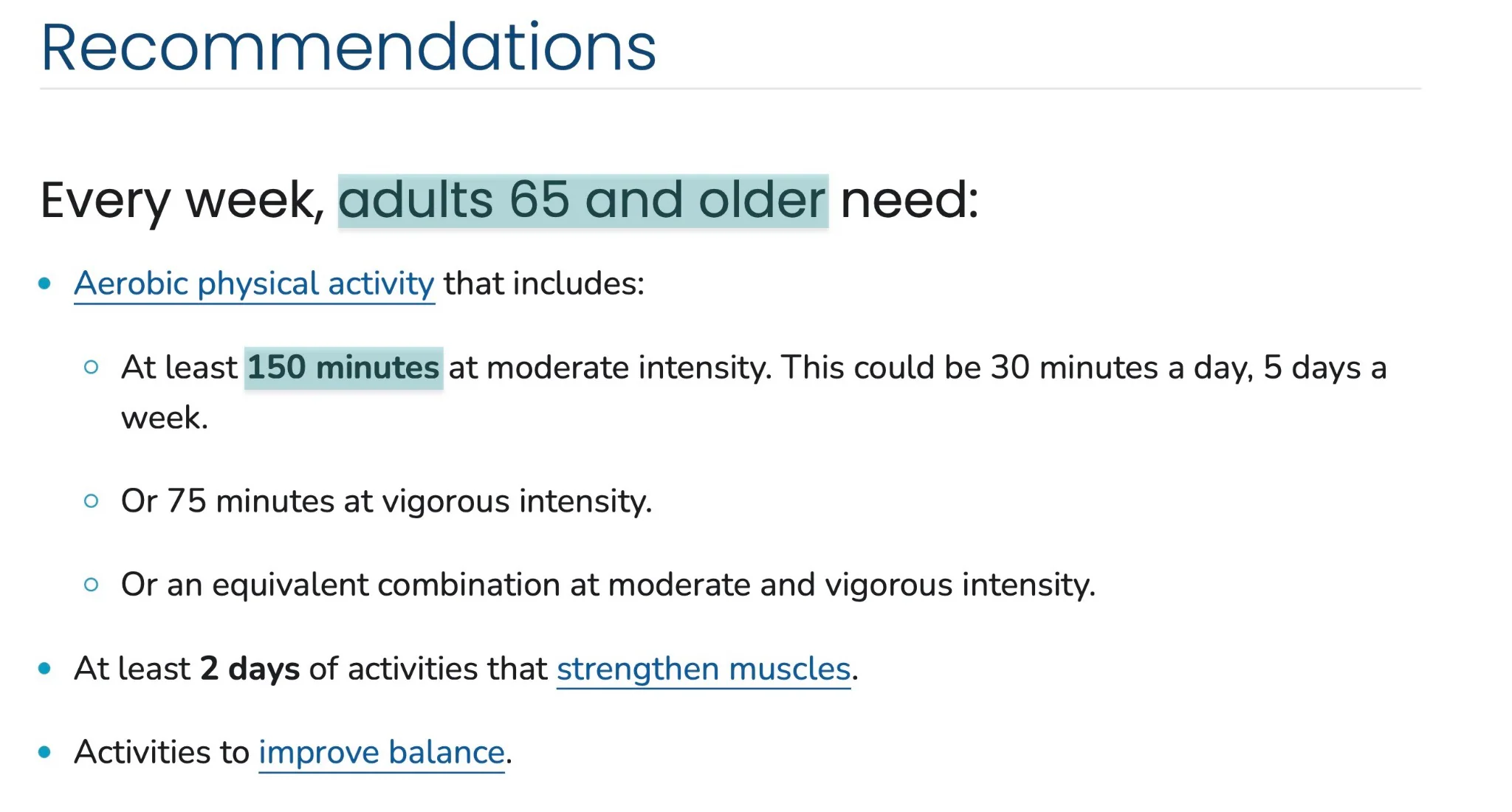
Senior fitness programs for older adults aged 65+ who want to stay active and healthy. Centers for Disease Control and Prevention (CDC) recommends at least 150 minutes of aerobic physical activity for adults in this age bracket.
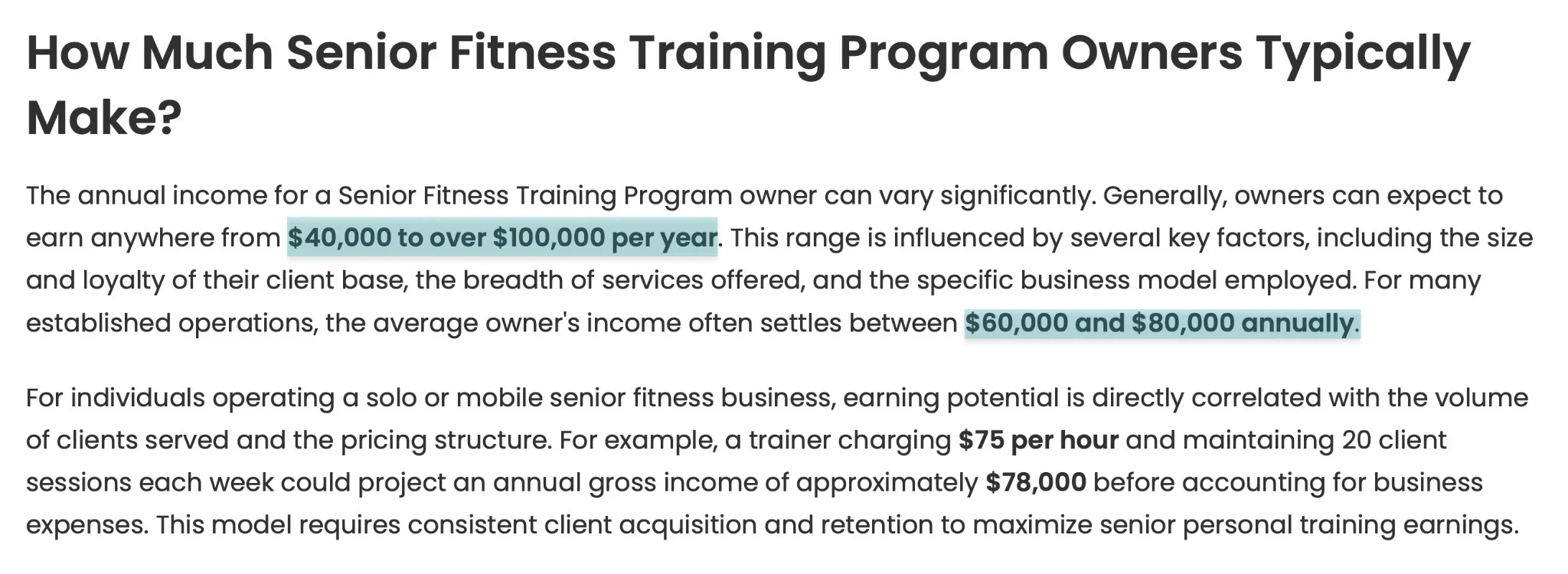
So you can help by selling fitness programs in this niche. You can expect to make an average income of about $60,000 and $80,000+.
Picking a niche is one of the reasons behind successfully selling fitness programs online. Because identifying a niche helps you:
-
Create fitness programs that solve real problems people are actually facing and are willing to pay for. Just like Kayla Itsines and Lindsey Bomgren did for pregnant women, nursing mothers, and beginning fitness enthusiasts.
-
Target the right audience. Kayla and Lindsey, for example, created programs mostly for women.
-
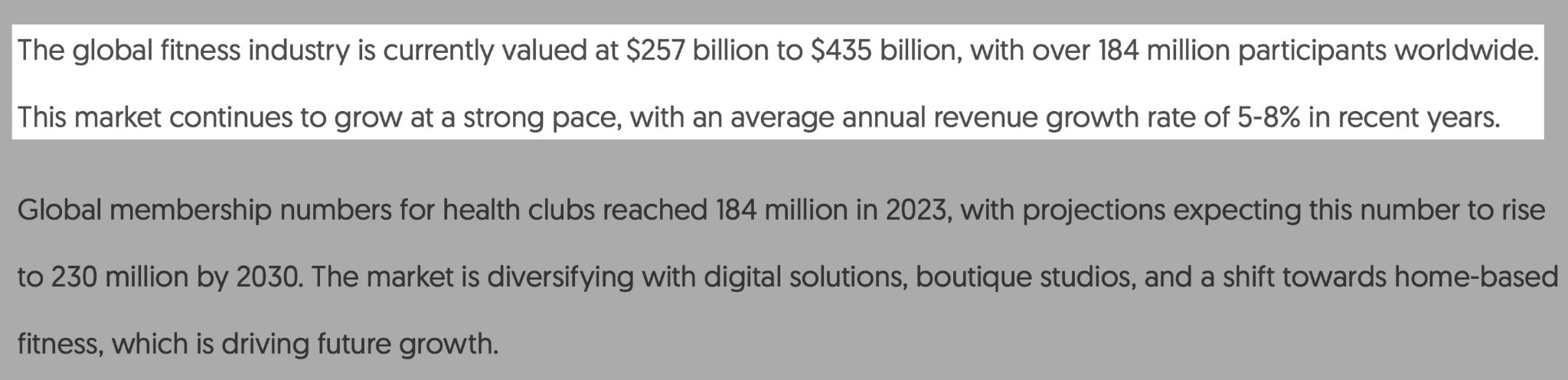
Stand out in a crowded fitness market because there are millions of fitness programs out there. After all, it’s an industry worth $257B to $435B with 180M fitness professionals globally.
Here’s a table to help you know who and which challenges you can target for each niche:
| Fitness niche | Who to target | Challenges you can help solve |
|---|---|---|
| Strength training | Beginners who want to build muscle, gym-goers stuck at a plateau, and people transitioning from cardio to resistance training | Lack of muscle growth Poor lifting technique Inconsistent training plans Confusion about progressive overload Slow strength gains |
| Postpartum fitness | New mothers recovering from pregnancy who want to rebuild strength and regain fitness safely | Weak core muscles Pelvic floor recovery Low energy levels Lack of safe post-pregnancy workouts Difficulty balancing fitness with childcare |
| Weight-loss programs | Busy professionals, remote workers, and people trying to lose fat but struggling with consistency | Lack of time for long workouts Poor nutrition habits Inconsistent routines Difficulty staying accountable Frustration from slow results |
| Home workouts | People who prefer exercising at home, beginners intimidated by gyms, and people with limited time or equipment | No access to gyms Lack of workout structure Boredom with workouts Limited equipment Difficulty staying motivated at home |
| Senior fitness programs | Adults aged 65+, retirees, and older adults who want to maintain mobility and independence | Reduced mobility Poor balance Joint pain Loss of muscle mass Risk of falls Maintaining overall health and independence |
Step 2. Create and package your fitness program offer
The second step to sell fitness programs online is to create and package your offer. You’ve chosen a niche, now you have to build a program people will actually buy.
Your offer simply comes down to the program you’ll sell and the value people will get from it.
For this step, you should consider:
- The results your customers want
- The structure of your program
- How your program will be delivered (live, recorded program, etc.)
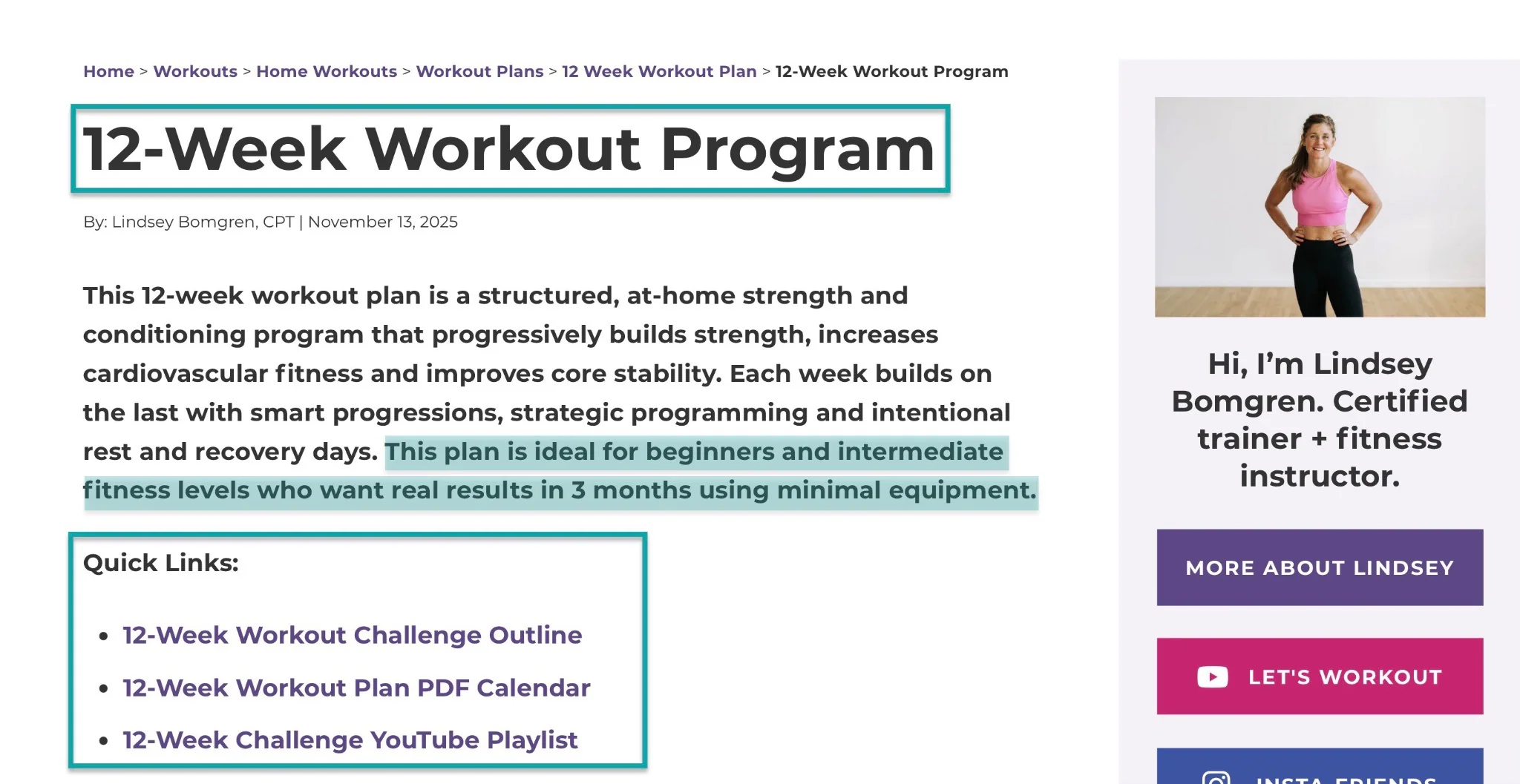
Here’s how Lindsay Bomgren does it. On her website, she sells a “12-week Workout Program.” In her offer, she adds who the program is for: beginners and intermediate fitness levels.
She mentions they can see “real” results in 3 months using very little equipment. The program is delivered via links to a workout challenge outline, a PDF calendar, and a YouTube playlist.
Say you’re in the postpartum niche, you could create a program called “8-Week Core Recovery Program for New Mothers.”
In one title, you have named:
- Who the program is for: New mothers
- How long it’s for: 8 weeks
- The results they’ll get: Core recovery
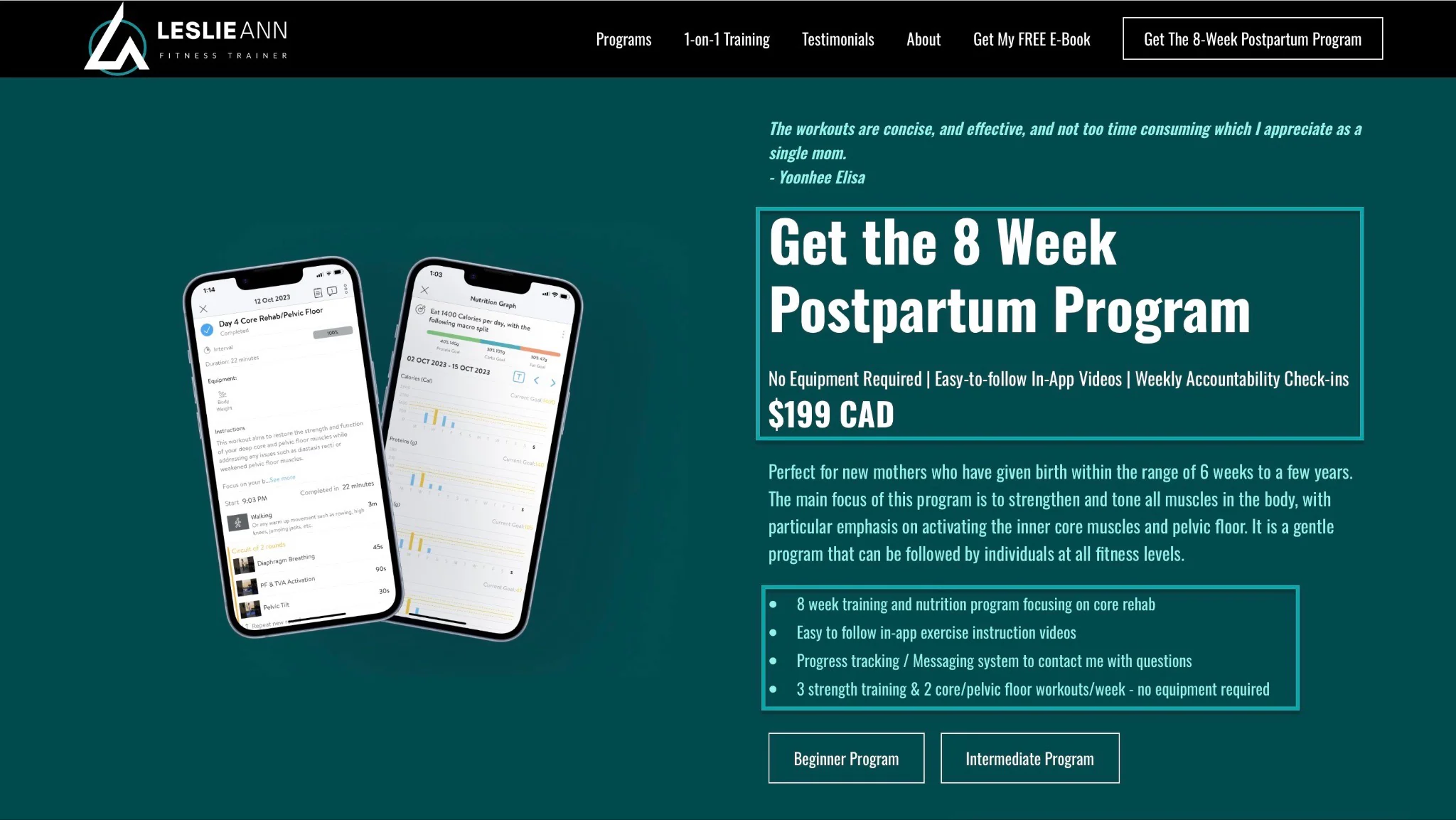
Leslie Ann makes all of this clear in her “8-Week Postpartum Program,” going for CAD $199 (approximately US$144). It’s delivered via a mobile app.
On her offer page, she even adds that there are
- no equipment required
- easy-to-follow videos
- weekly accountability check-ins
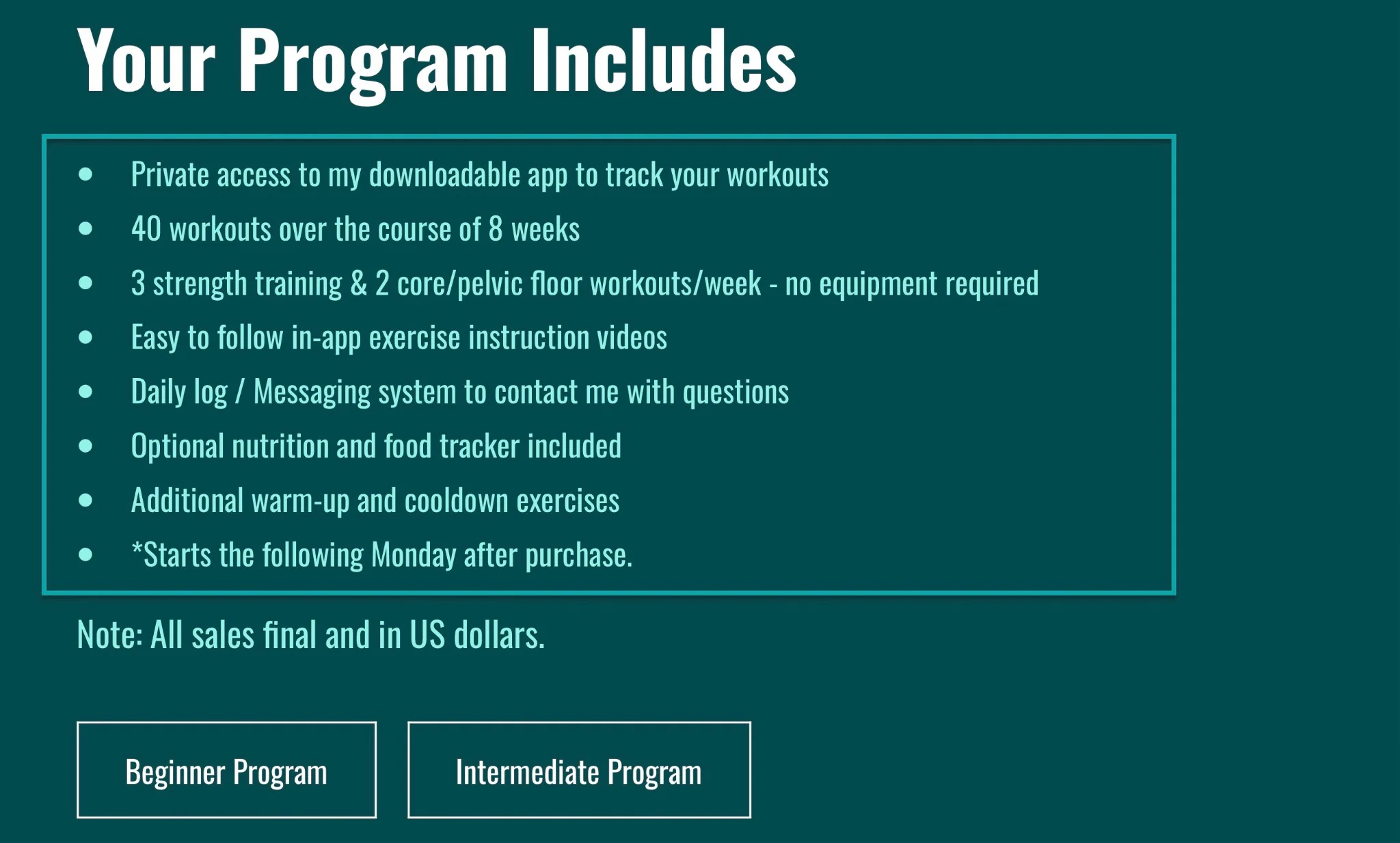
Leslie even adds more details to her package. To give her potential customers the complete idea of what she has to offer.
You could do the same thing. Apart from deciding on the delivery methods, your package could be:
- Workout routines
- Weekly training plans
- Video demonstrations
- Nutrition tips
- Progress tracking
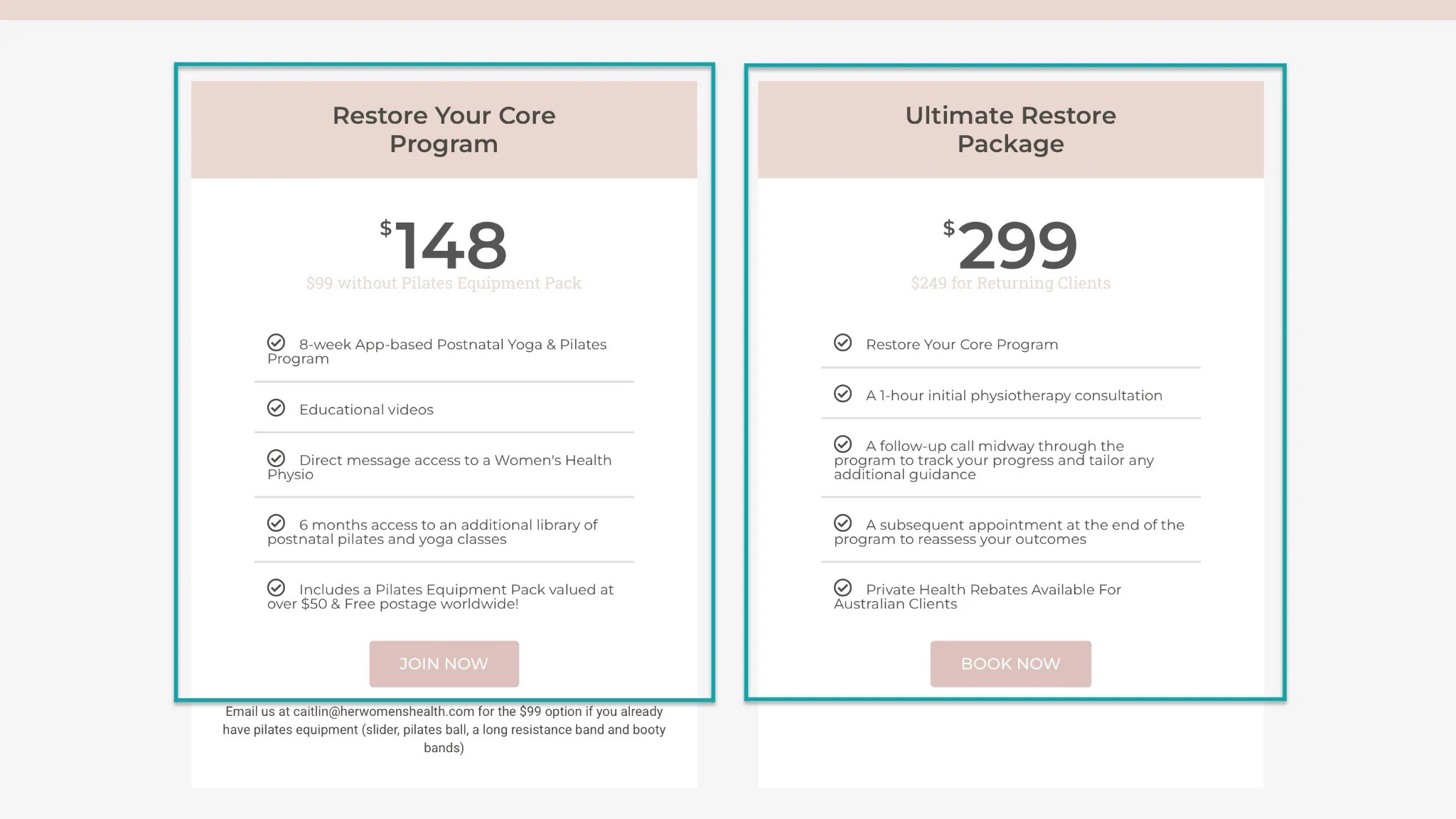
Just like you can see on the landing page of Caitlin’s postpartum fitness program for new mothers. It’s going for $148 and $299, depending on the package.
The key is to package your offer into a clear, structured fitness program customers can understand and buy.
Here’s a table to help you understand how most fitness coaches package their programs. You’ll see the program type, what it includes, and why that package works.
| Fitness niche | Who to target | Challenges you can help solve |
|---|---|---|
| Strength training | Beginners who want to build muscle, gym-goers stuck at a plateau, and people transitioning from cardio to resistance training | Lack of muscle growth Poor lifting technique Inconsistent training plans Confusion about progressive overload Slow strength gains |
| Postpartum fitness | New mothers recovering from pregnancy who want to rebuild strength and regain fitness safely | Weak core muscles Pelvic floor recovery Low energy levels Lack of safe post-pregnancy workouts Difficulty balancing fitness with childcare |
| Weight-loss programs | Busy professionals, remote workers, and people trying to lose fat but struggling with consistency | Lack of time for long workouts Poor nutrition habits Inconsistent routines Difficulty staying accountable Frustration from slow results |
| Home workouts | People who prefer exercising at home, beginners intimidated by gyms, and people with limited time or equipment | No access to gyms Lack of workout structure Boredom with workouts Limited equipment Difficulty staying motivated at home |
| Senior fitness programs | Adults aged 65+, retirees, and older adults who want to maintain mobility and independence | Reduced mobility Poor balance Joint pain Loss of muscle mass Risk of falls Maintaining overall health and independence |
As you can see from the examples above, most fitness coaches combine these program types. They do this to make their programs more valuable and worth the price tag.
And talking about pricing, that’s what we talk about next.
Step 3. Price your fitness program strategically
The third step to sell your fitness programs online is to price them strategically. You can price your fitness programs between $10 and $1,000+, depending on:
- The level of support you provide
- The fitness niche and the people you sell to (target audience)
- The transformation you promise
- How much your competitors charge
Pricing too low may let potential customers assume your fitness isn’t valuable. If you price it too high, customers may hesitate to buy because they can get the same offer for less.
Strategic pricing means finding a price that balances the value of your program. And regardless of the price, the program stays attractive to your customers.
1. The level of support you provide
First, let’s look at the common pricing models for online fitness programs.
1-on-1 coaching programs like this fitness program on Nerd Fitness Coaching can cost $297 per month.
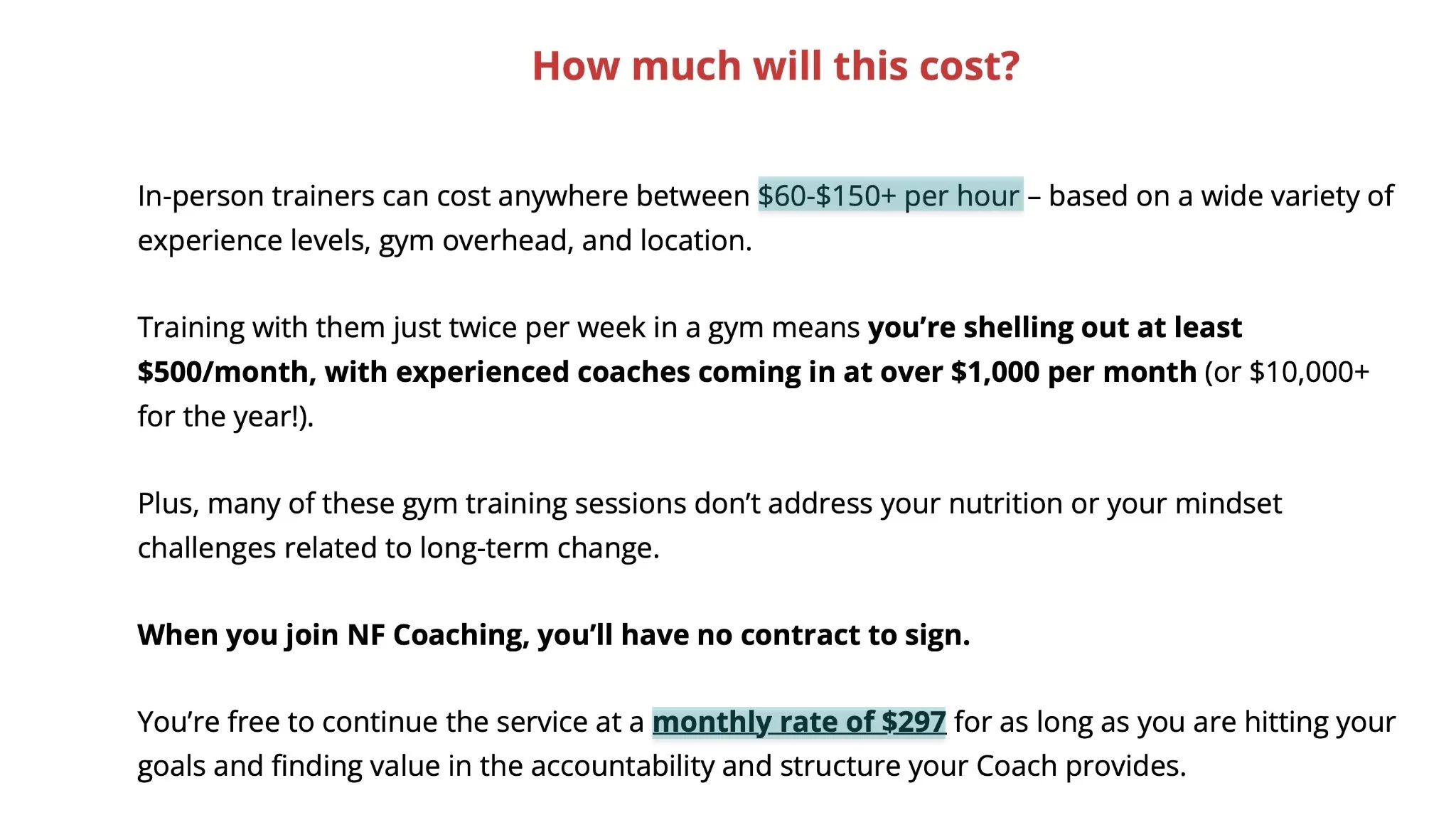
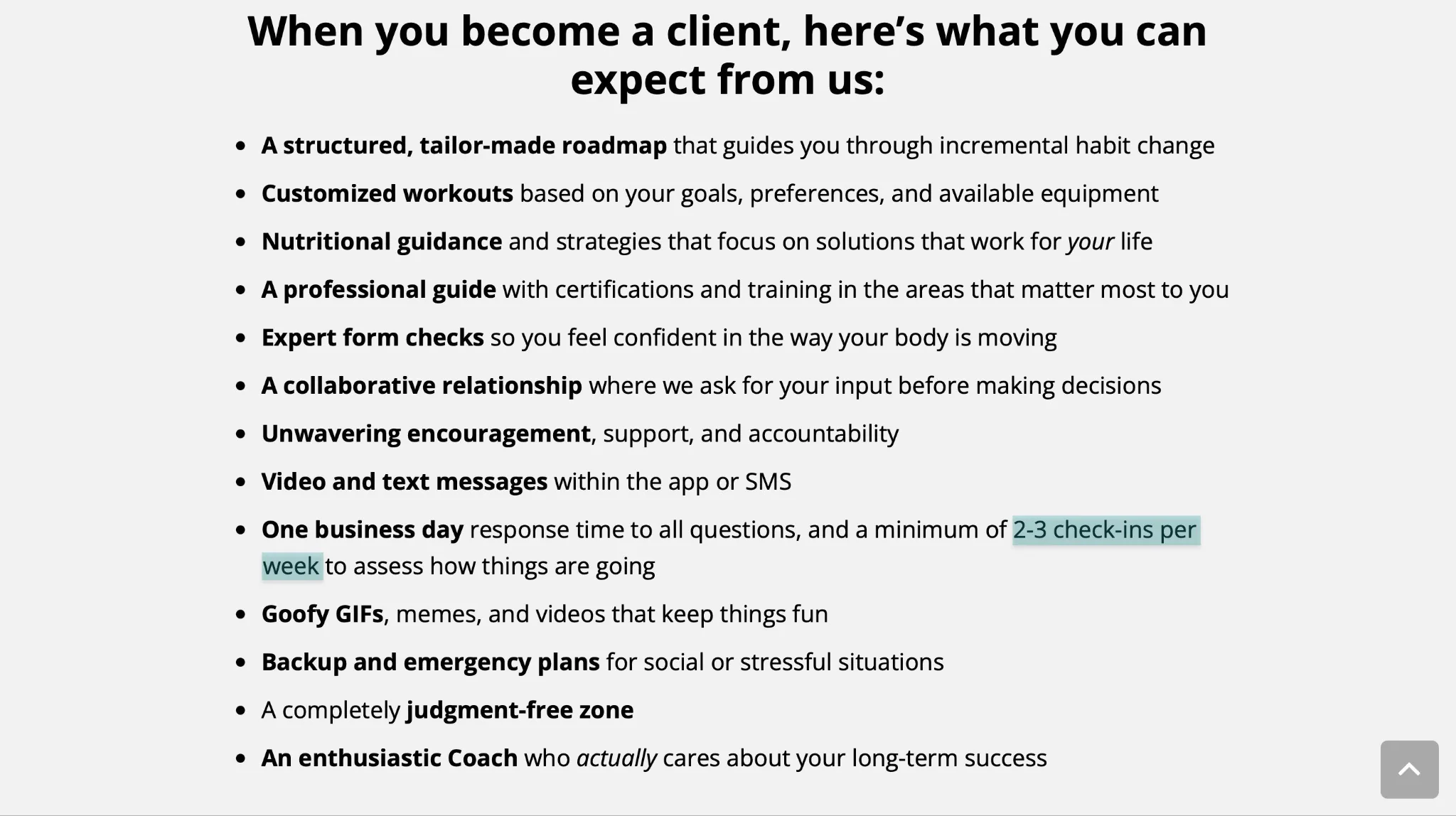
The reason is that fitness coaches provide lots of support. That could be in-person coaching, feedback, community access, 2-3 check-ins per week, and more.
So if you’re going to do 1-on-1 coaching programs, anything below $100 is stretching yourself far too thin.
But you could sell downloadable workout plans from $20 to $100.
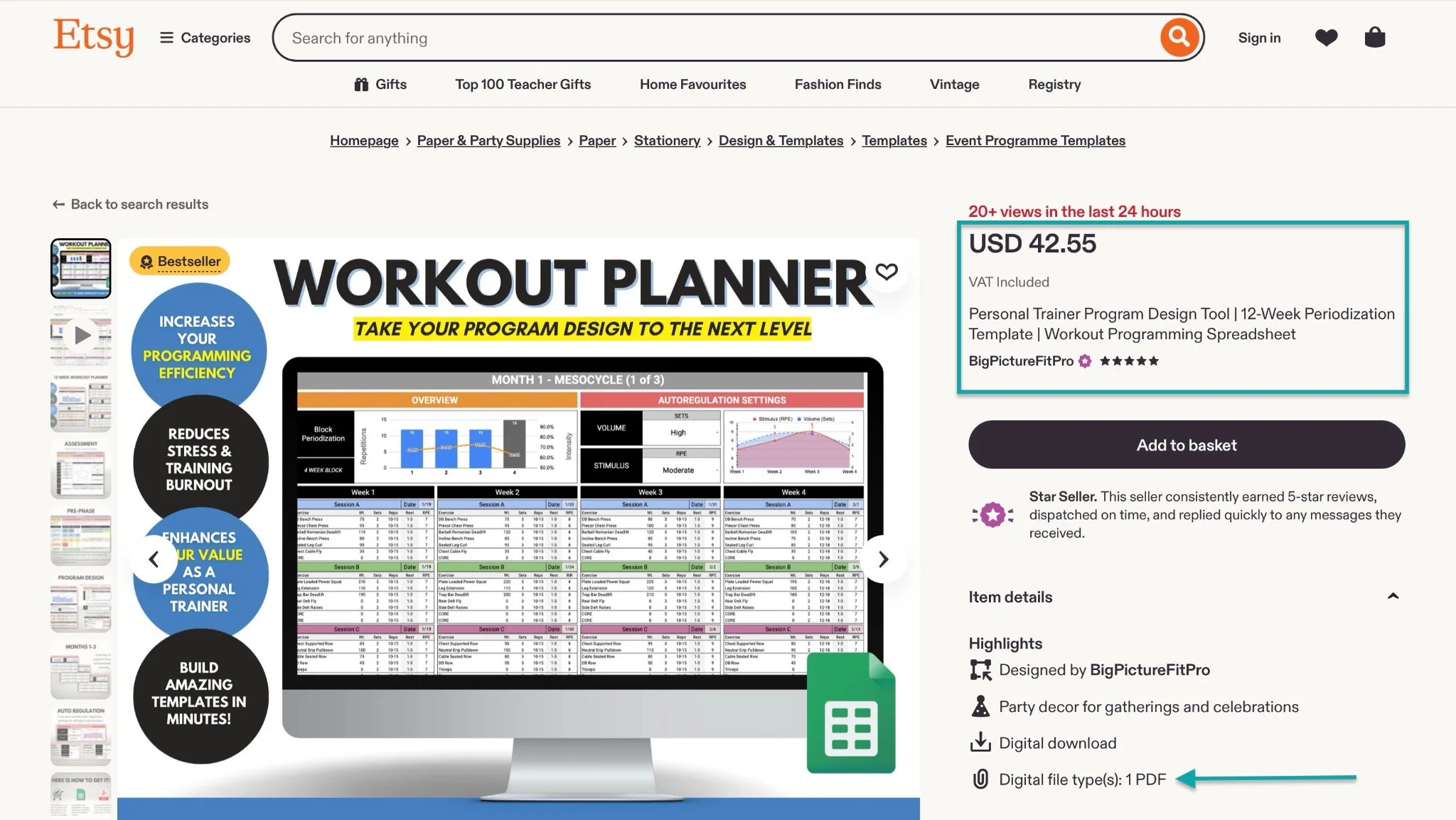
It’s good for beginning fitness coaches. Especially those who don’t want to invest heavily at the start.
The support here isn’t much. After all, you’ve already created the PDF. There isn’t any further manual input from you once it’s available for download.
2. The fitness niche and the people you sell to
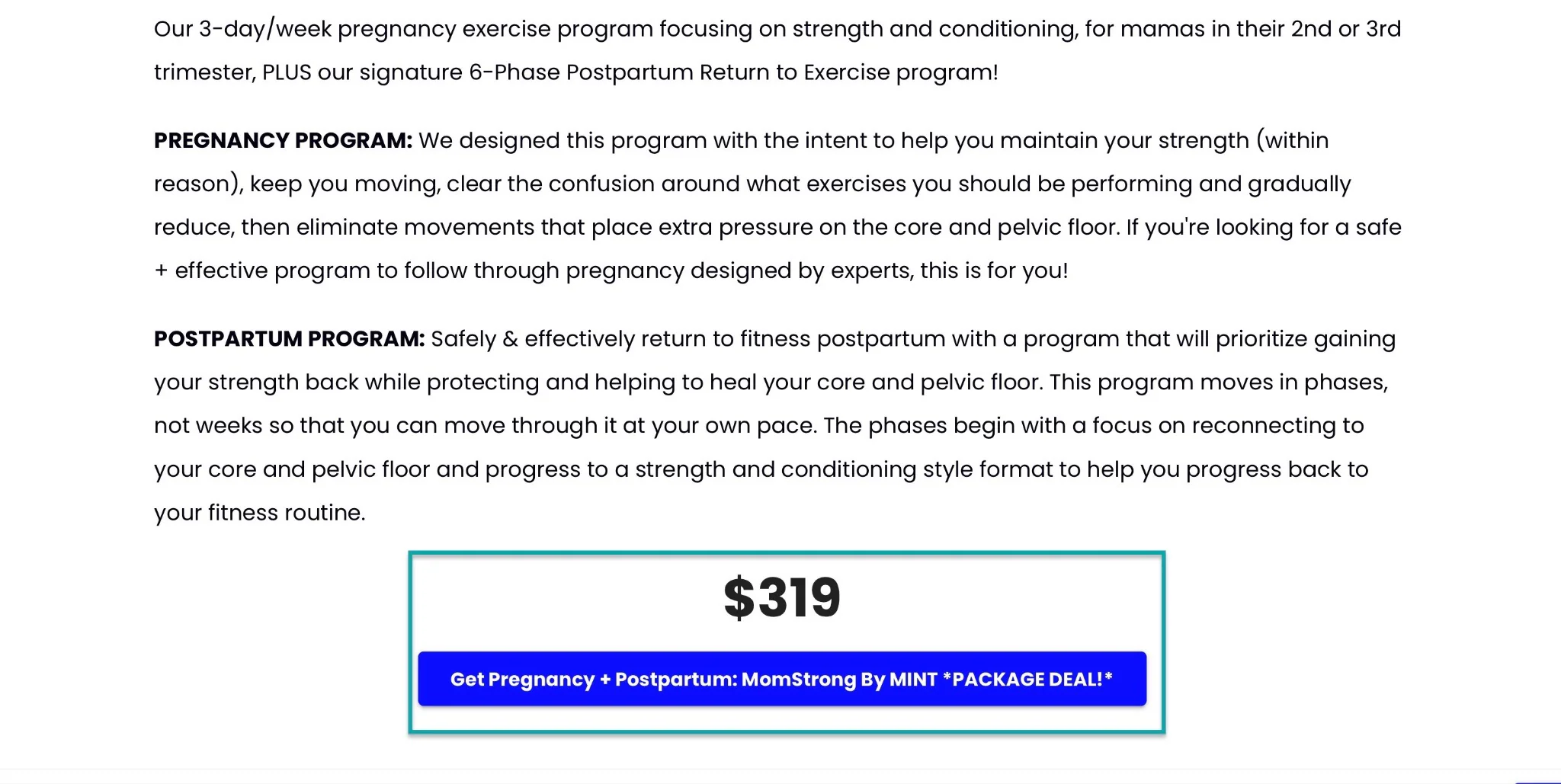
Specialized niches like postpartum can often command higher prices. For example, postpartum fitness programs on TrainHeroic range from $15 to $319.
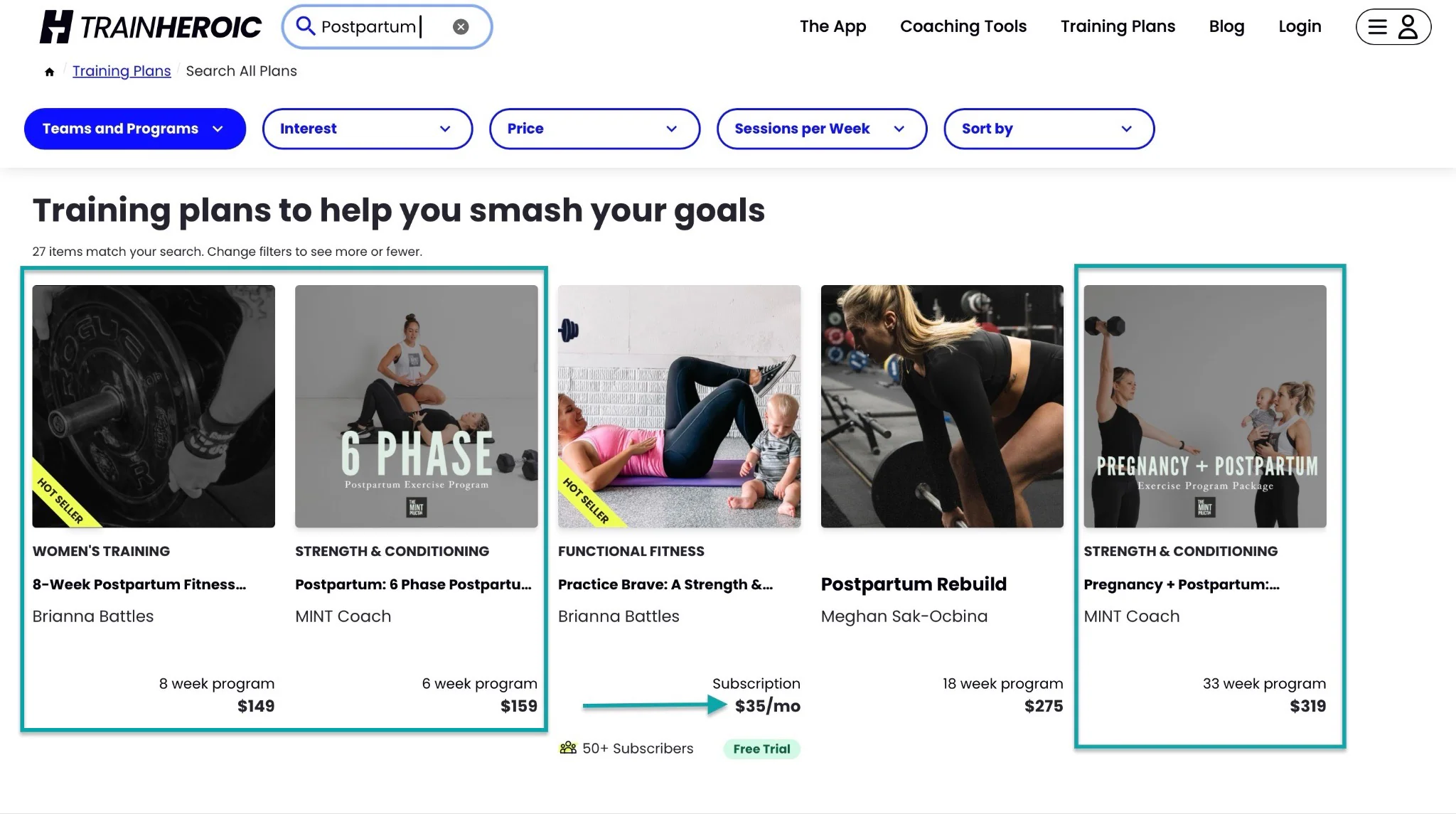
Fitness programs that run for several weeks or months typically charge a higher one-time price. Like this one by Cara Forrester that charges $319.
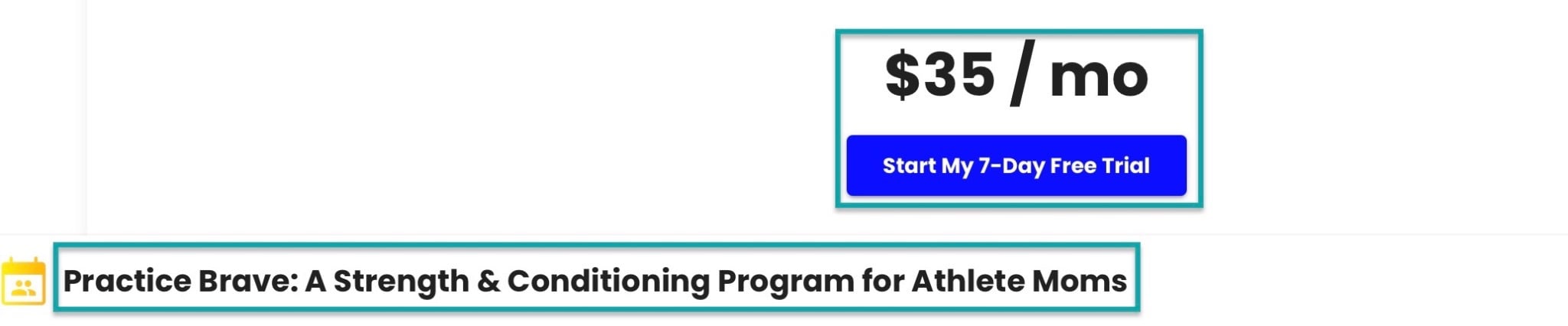
Subscription-based programs charge a lower monthly fee but make recurring revenue over time. An example is Brianna Battles’ “Practice Brave: A Strength & Conditioning Program for Athlete Moms.”
It’s $35 per month.
3. The transformation you promise
If you’re a popular coach with lots of positive testimonials and social proof, you can charge more.
A beginning fitness coach can also promise a certain transformation. Or have a solution that works.
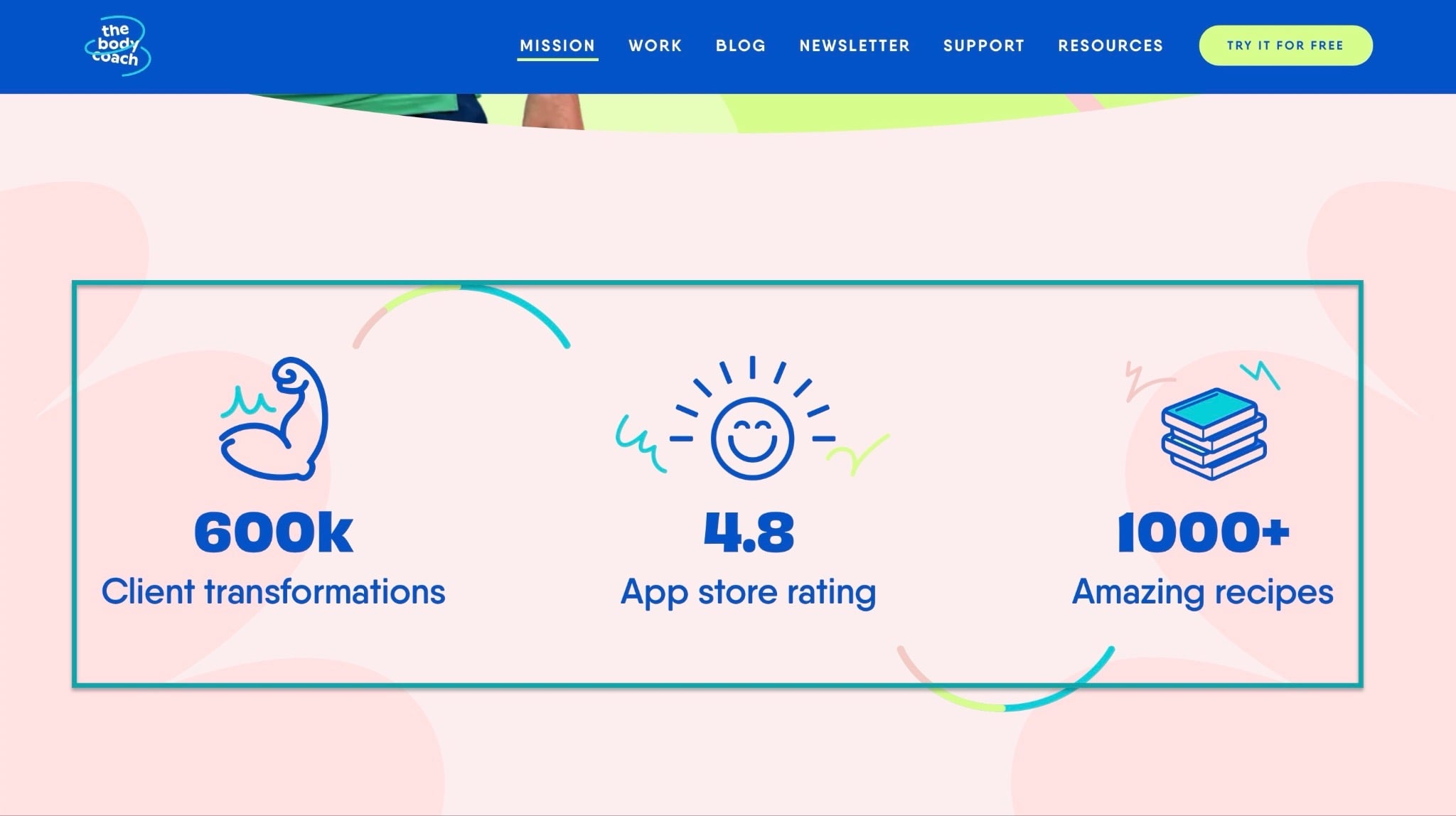
Take fitness coach, creator, and author Joseph Trevor Wicks, AKA Joe Wicks. He’s popular for “the 90-Day Plan” and The Body Coach app.
Joe helped busy professionals with weight loss and nutrition (with 1,000+ recipes). His app has a 4.8 rating and has helped 600,000+ customers.
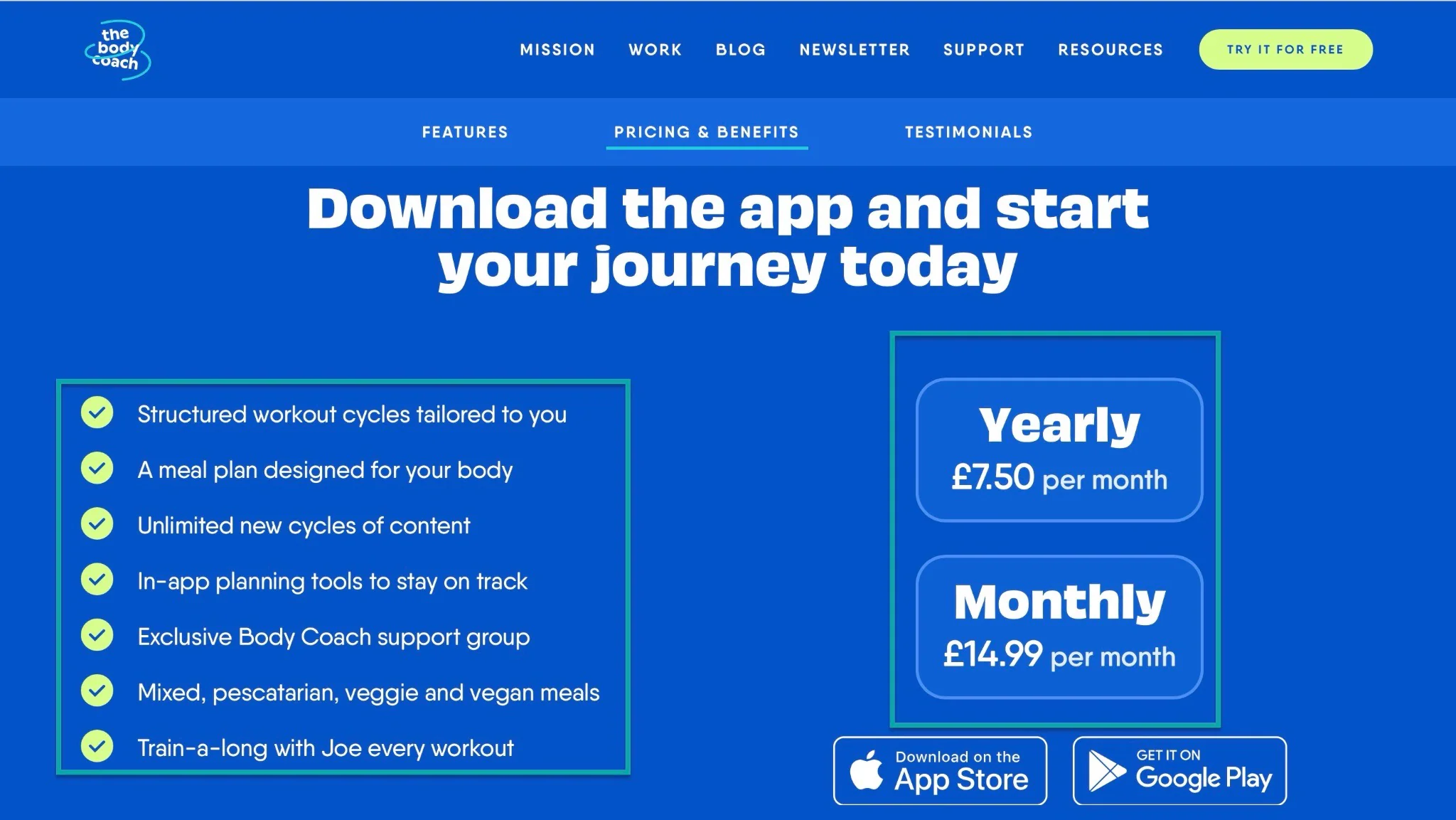
Customers pay £14.99 ( approximately $20.17) per month to access the app.
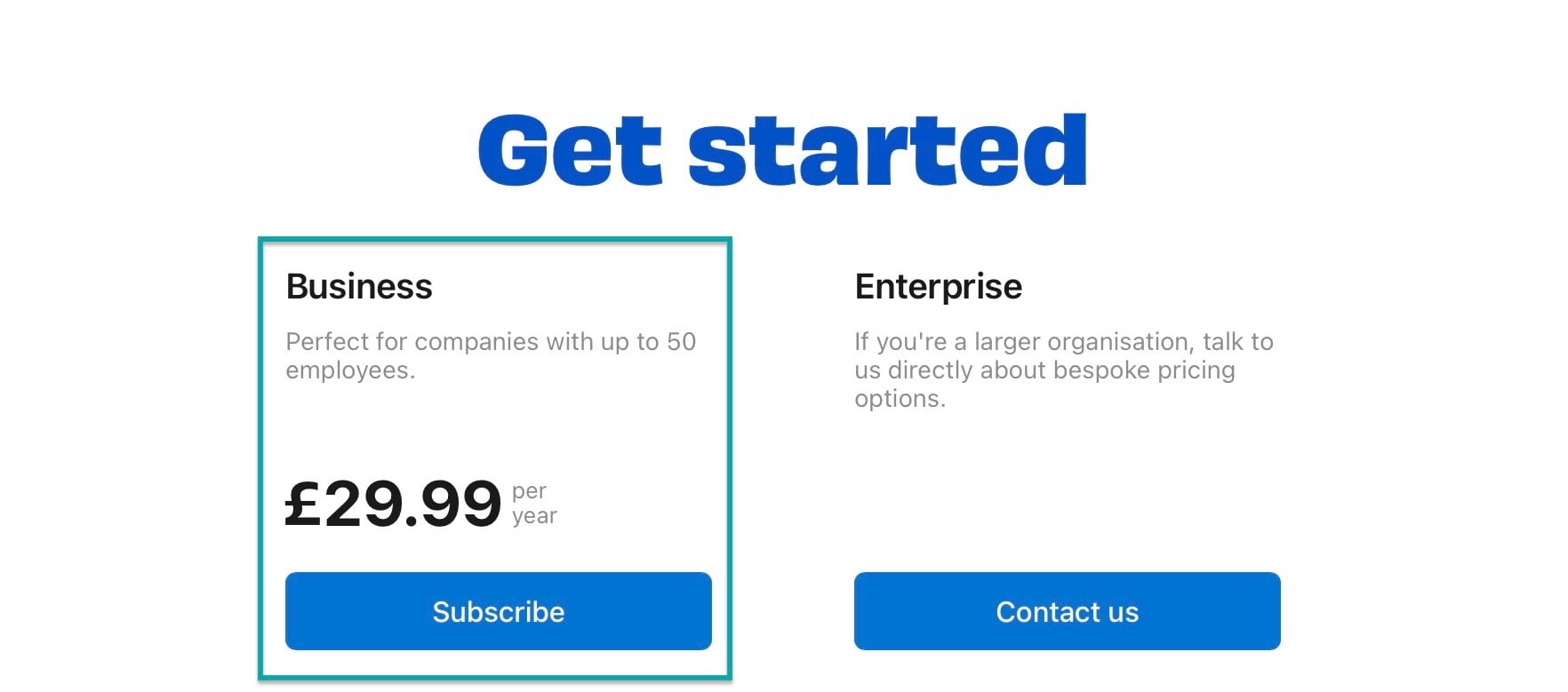
He also has paid plans for businesses. The Business plan, for example, costs £29.99 ( approximately $40.35) per year for a maximum of 50 employees.
Joe can charge as much because not only does he promise transformation, but he has customers who have had those results.
4. How much your competitors charge
And finally, you can sometimes price a program based on what your competitors charge.
You may not get people to sign up for your program if you charge a rate above the market for similar programs.
Here’s a table to help you with that. I have included the common pricing models, the typical price range, and the situations in which they work.
| Pricing model | Typical price range | When it works best |
|---|---|---|
| Downloadable workout plans (PDF guides) | $20 – $100 | Good for beginners building their first digital fitness products |
| Structured programs (8–12 week plans) | $50 – $200 | Works well for niche programs like weight loss or strength training |
| Monthly membership programs | $15 – $60 per month | Ideal for workout libraries, communities, and ongoing coaching |
| Group coaching programs | $100 – $500 per program | Great for coaches who want to help multiple customers at once |
| 1-on-1 coaching programs | $200 – $1,000+ per month | Best for premium personalized coaching |
That should give you a fair idea of how much you should charge even before you consider added value, niche, and transformation.
Now, I’m sure the question on your mind is where or what platform to sell fitness programs online. I’ll talk about that in the next step.
Step 4. Choose a platform to sell your fitness program
The fourth step in selling fitness programs online is choosing a platform. There are loads of them, but the right one will be an all-in-one solution to help you effectively sell and market your fitness program.
So, naturally, the right platform will:
- Maximize your earnings by helping you sell to more customers
- Allow you to create a storefront and a landing page
- Will integrate with your community platform
- Help you meet other like-minded fitness coaches and creators
Here’s what I mean.
1. Maximize your earnings by helping you sell to more customers
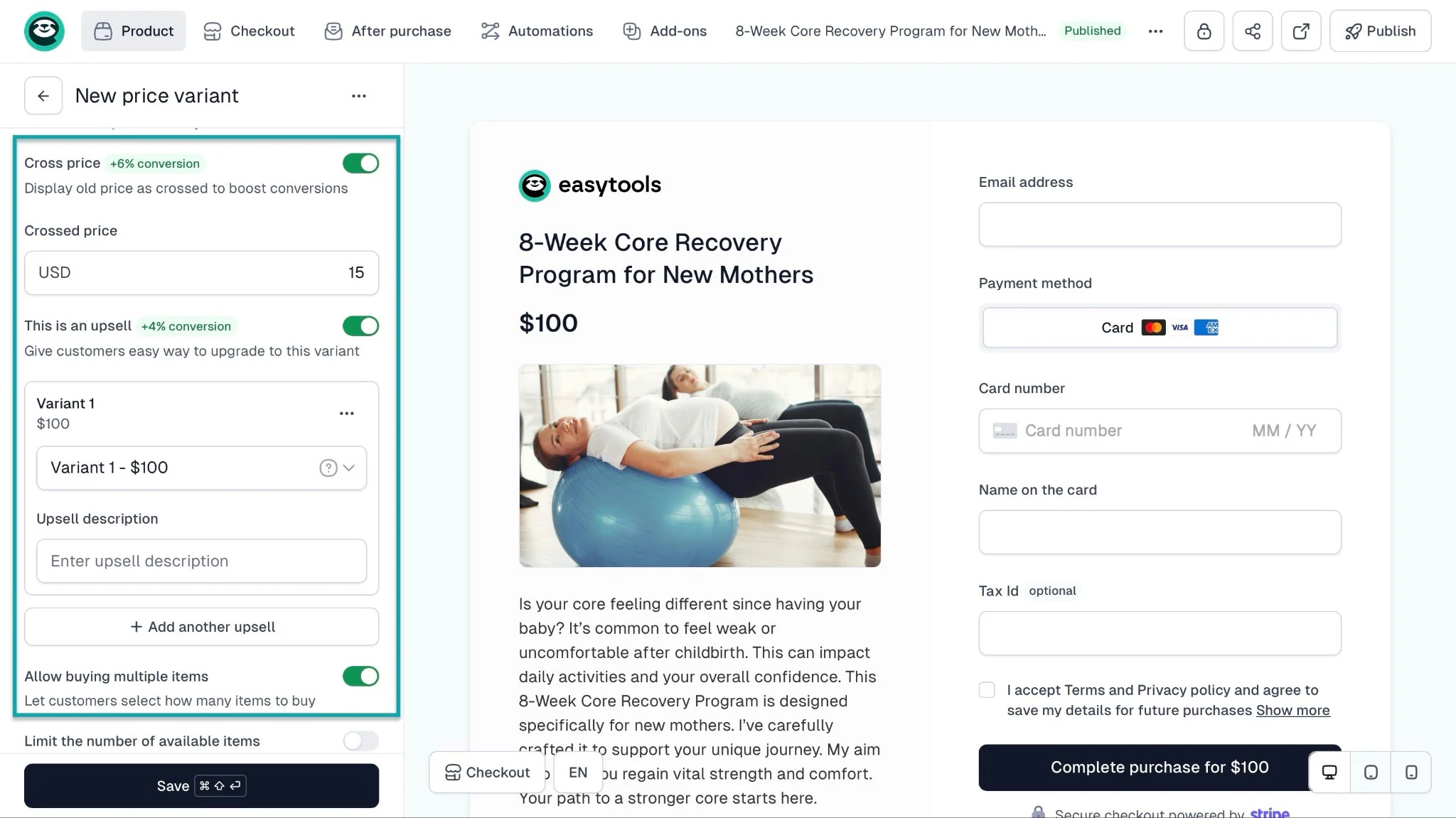
With the right platform, you can use a conversion-focused checkout to sell more. For example, on Easytools, you can create a checkout for your fitness program.
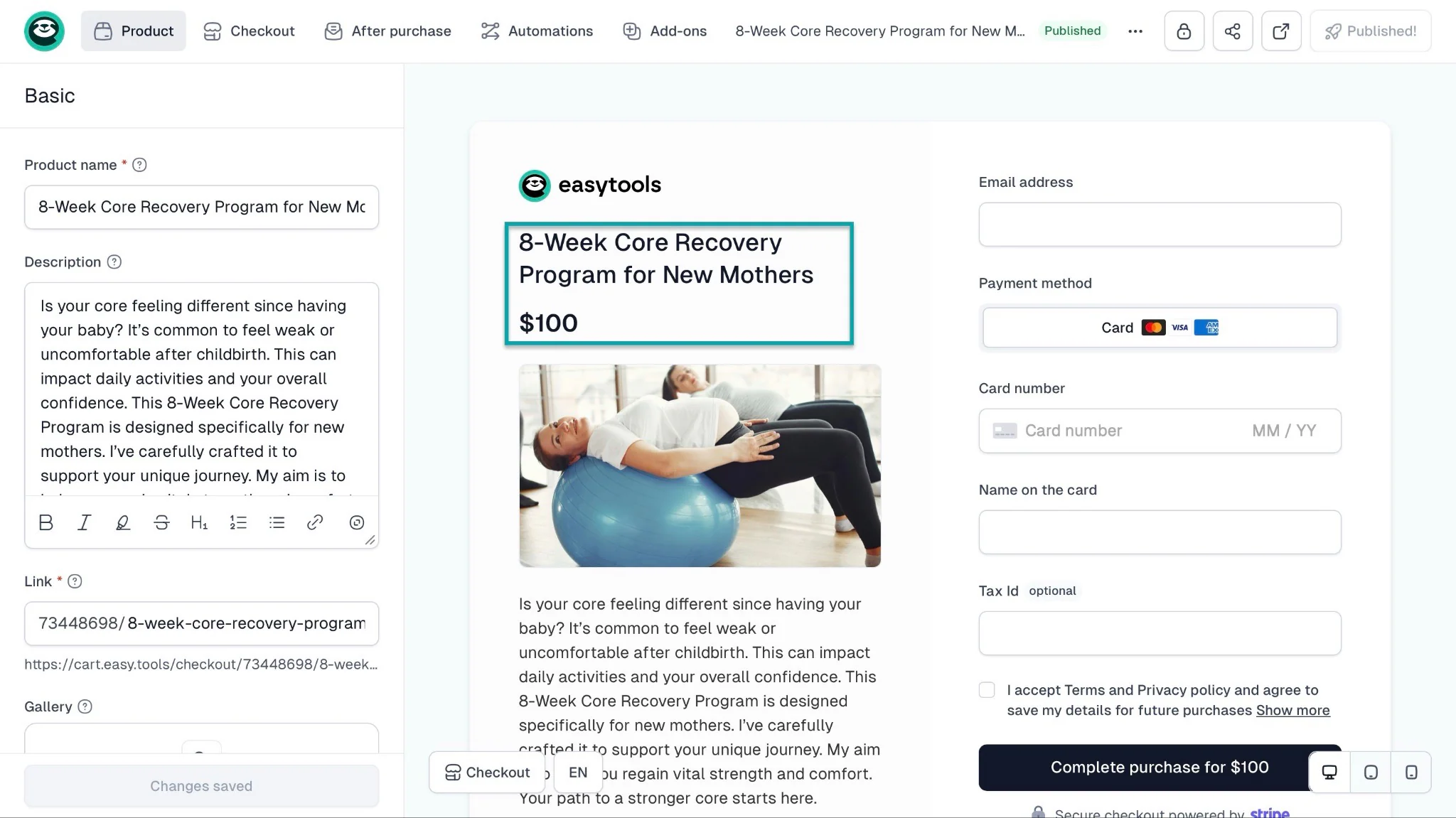
To sell more, you can add a new price variant. That could be a subscription-based or a payment plan variant.
If it were an 8-week fitness program priced at $100 for a one-time payment, you could now sell it for $12.50 per week or $50 per month
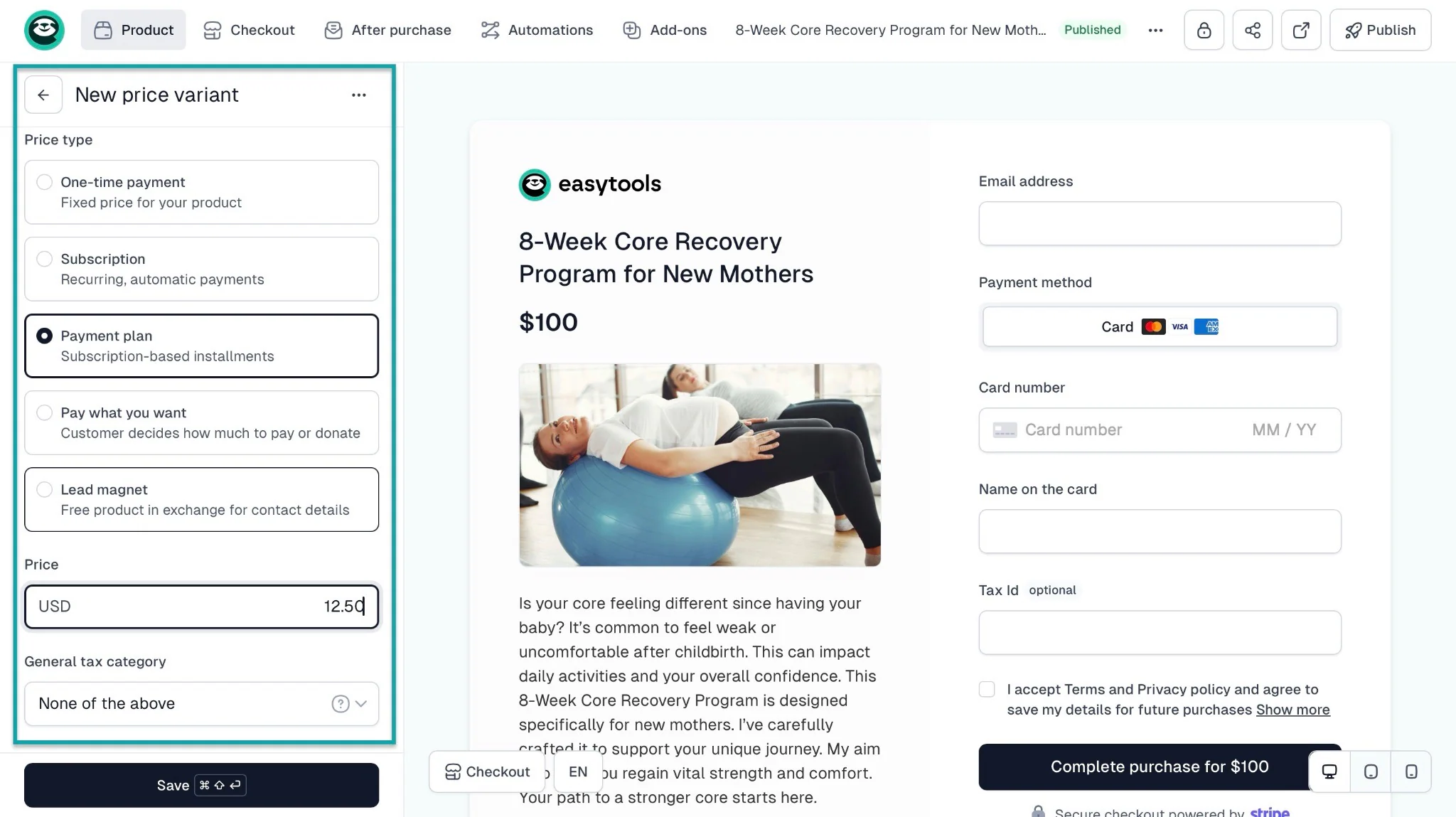
It’s certainly a way to maximize your earnings, since now potential customers who didn’t want to pay up front can access your program.
Apart from price variants, you can use cross-sells, trial versions, and upsells to sell more. Easytools offers these options directly in the checkout process.
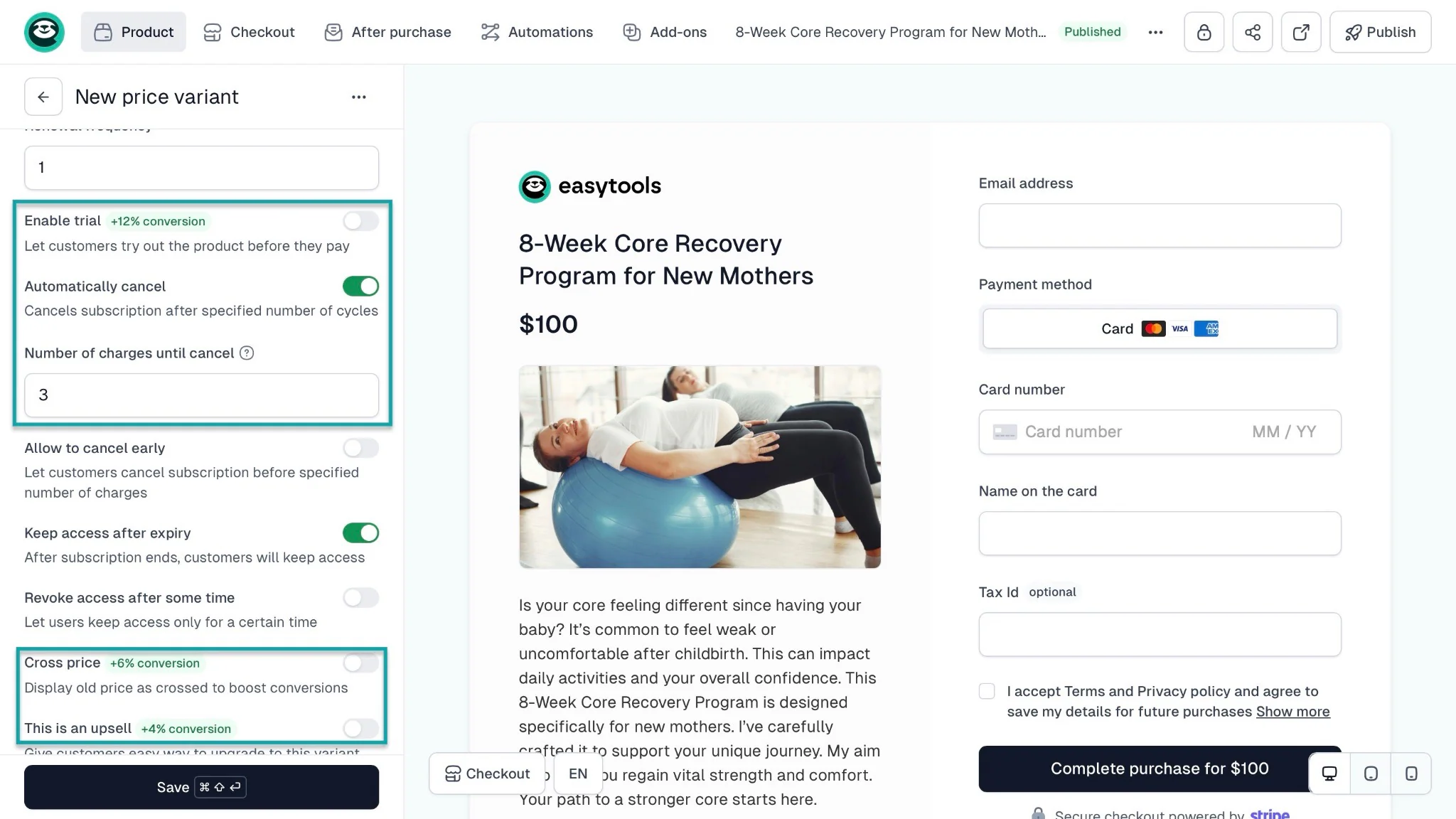
Just by enabling the cross-sell option, your product’s conversion rate increases by 6%. You can then add the first variant as an upsell.
That increases your program’s conversion rate by 4%. That’s a 10% conversion rate without moving an inch.
2. Allow you to create a storefront and a landing page
The platform you choose to sell fitness programs online should also allow you to create a storefront and a landing page.
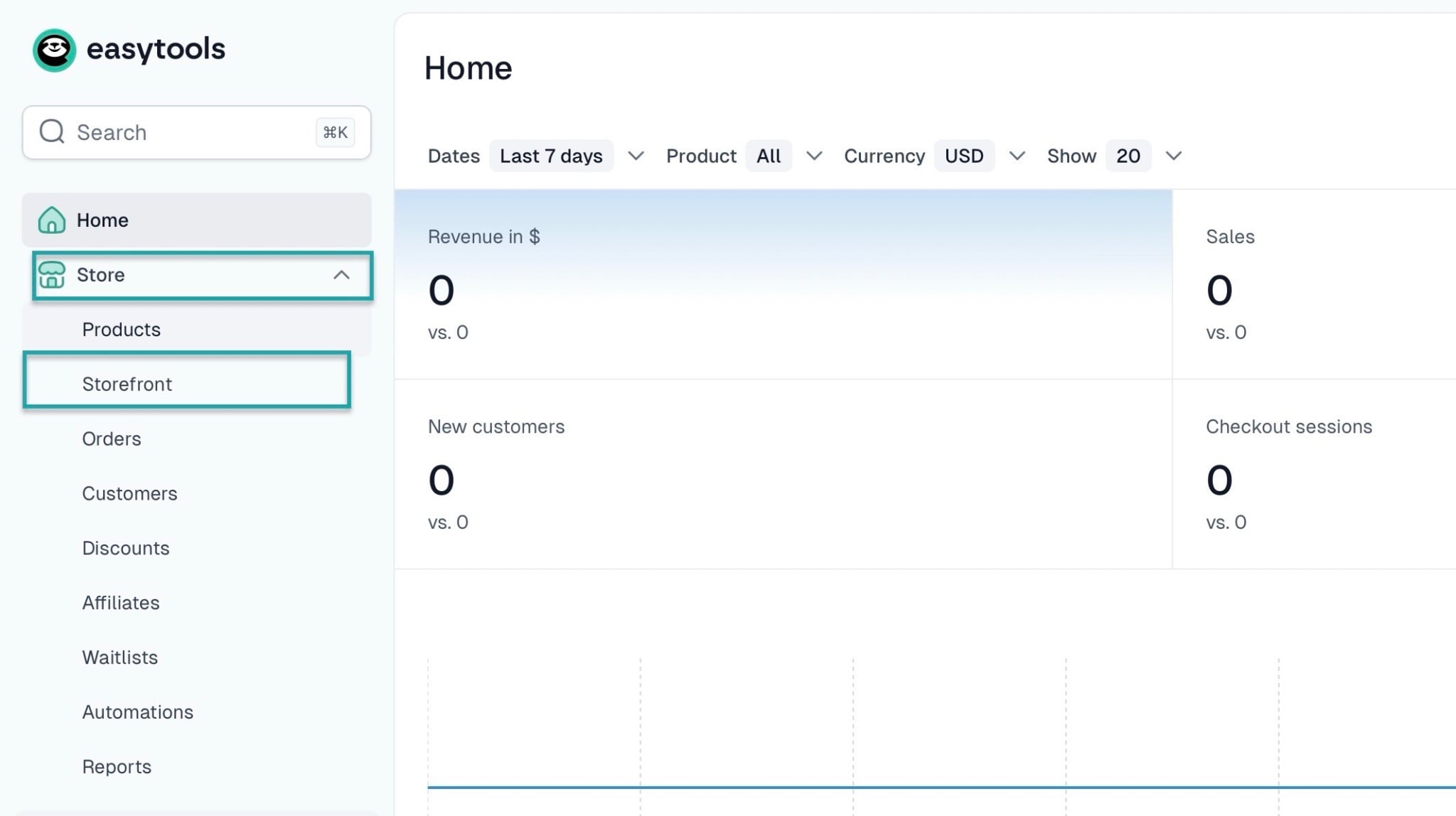
On Easytools, you can create a storefront in a few steps to showcase your fitness programs. First, click “Store” in the sidebar and select “Storefront” right from the homepage.
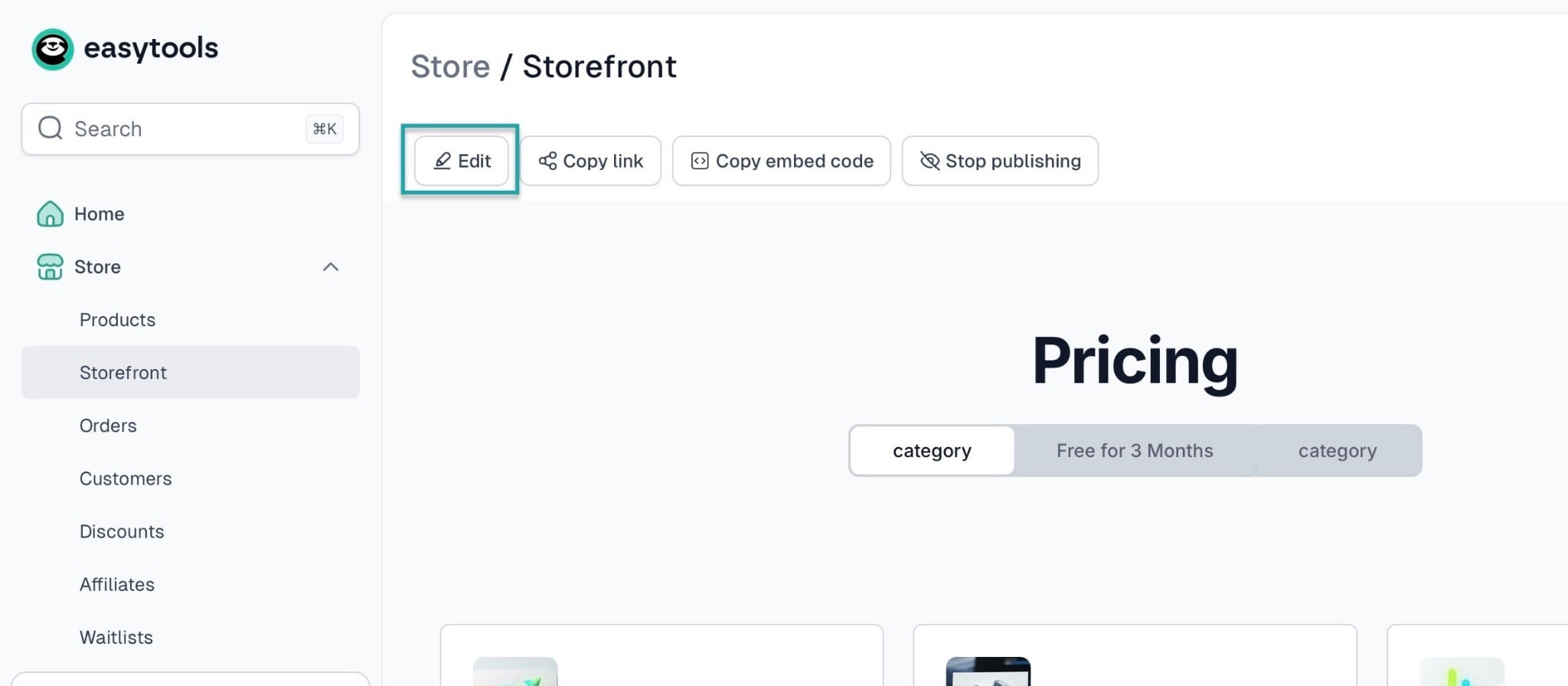
In the new window, select “Edit” at the top left corner.
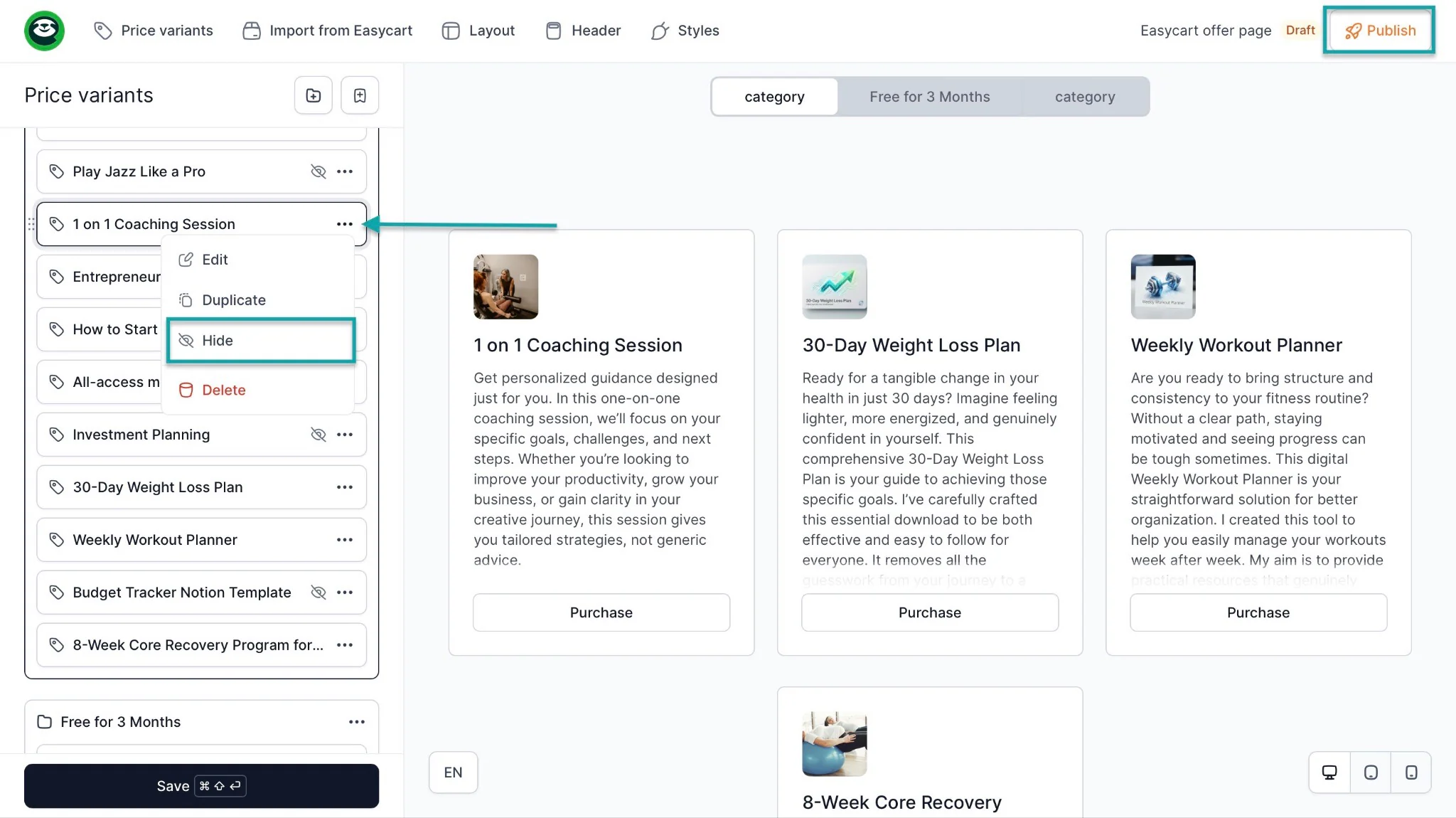
In the edit window, click the meatball menu (…) and select hide to display your best programs on the storefront. After that, hit “Save” at the bottom left of the window.
Once you’ve done that, click “Publish” at the top right corner of the window.
In the storefront feature window, click “Preview” at the top right corner.
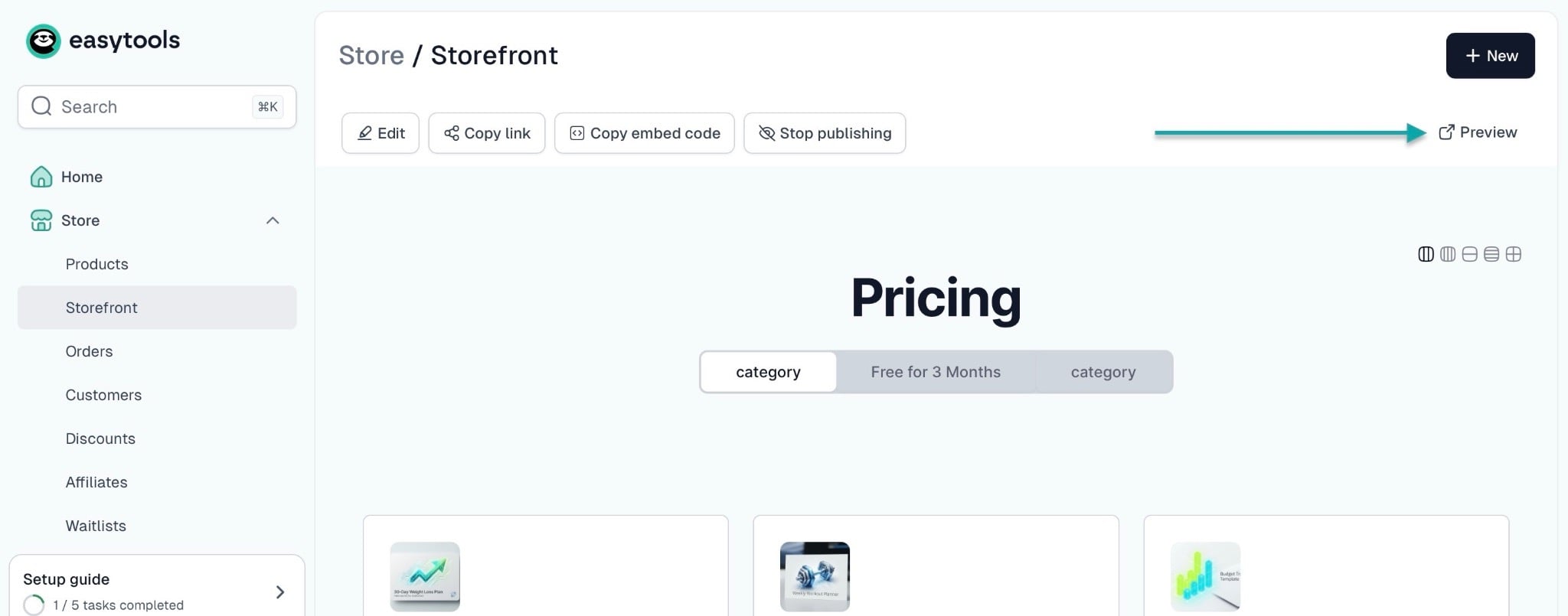
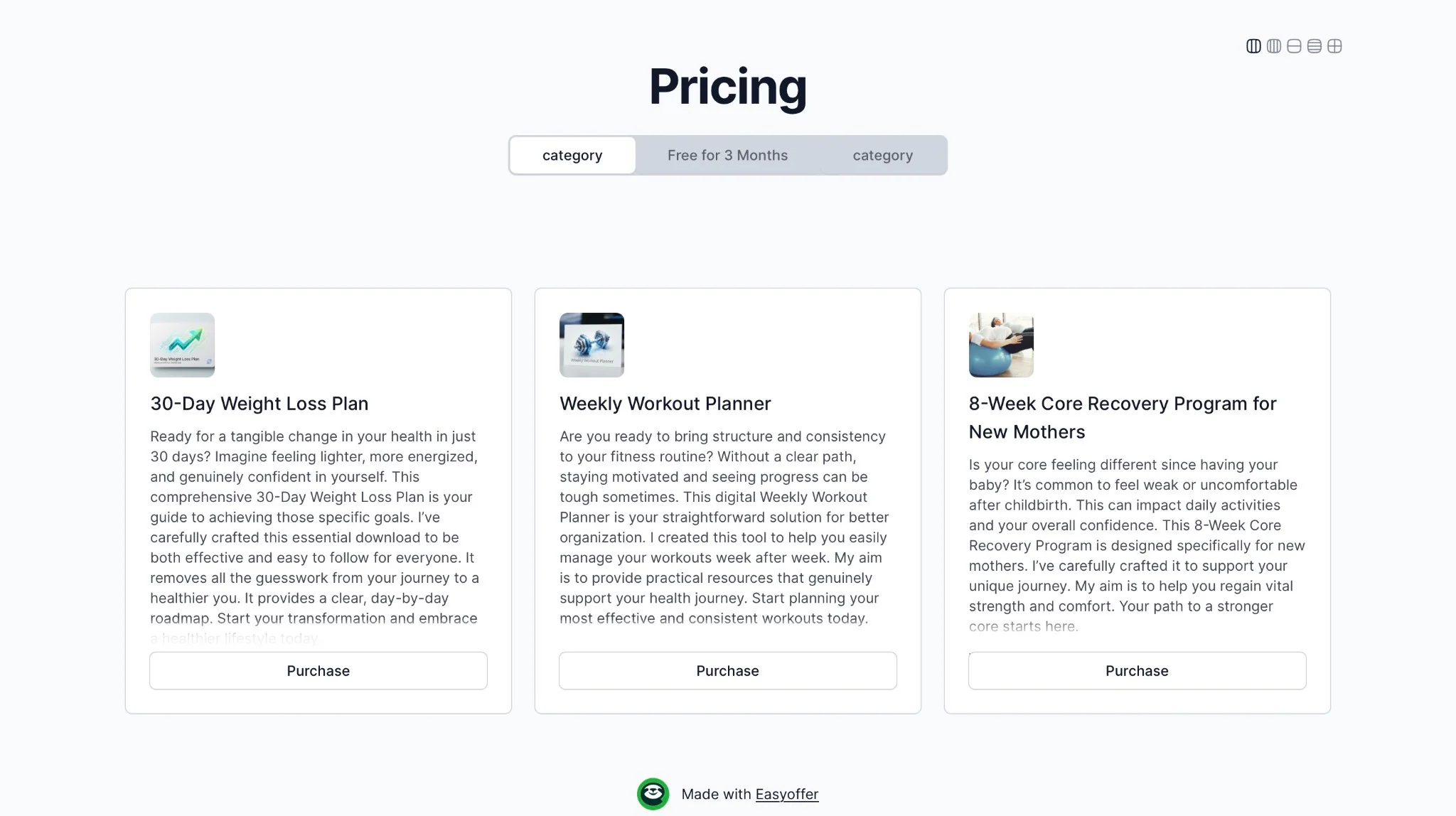
Your storefront is now ready, and customers can buy from you in a few clicks.
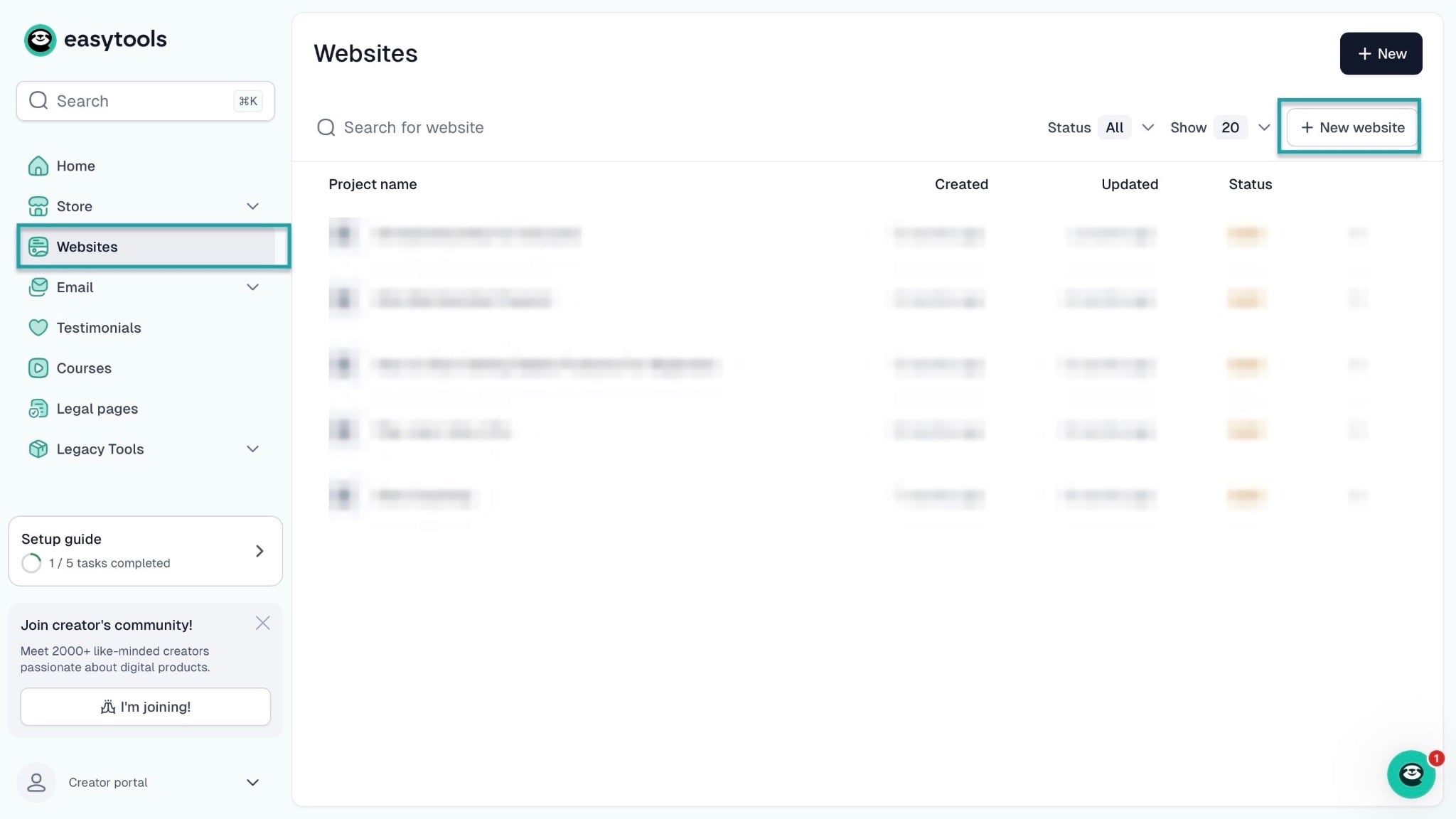
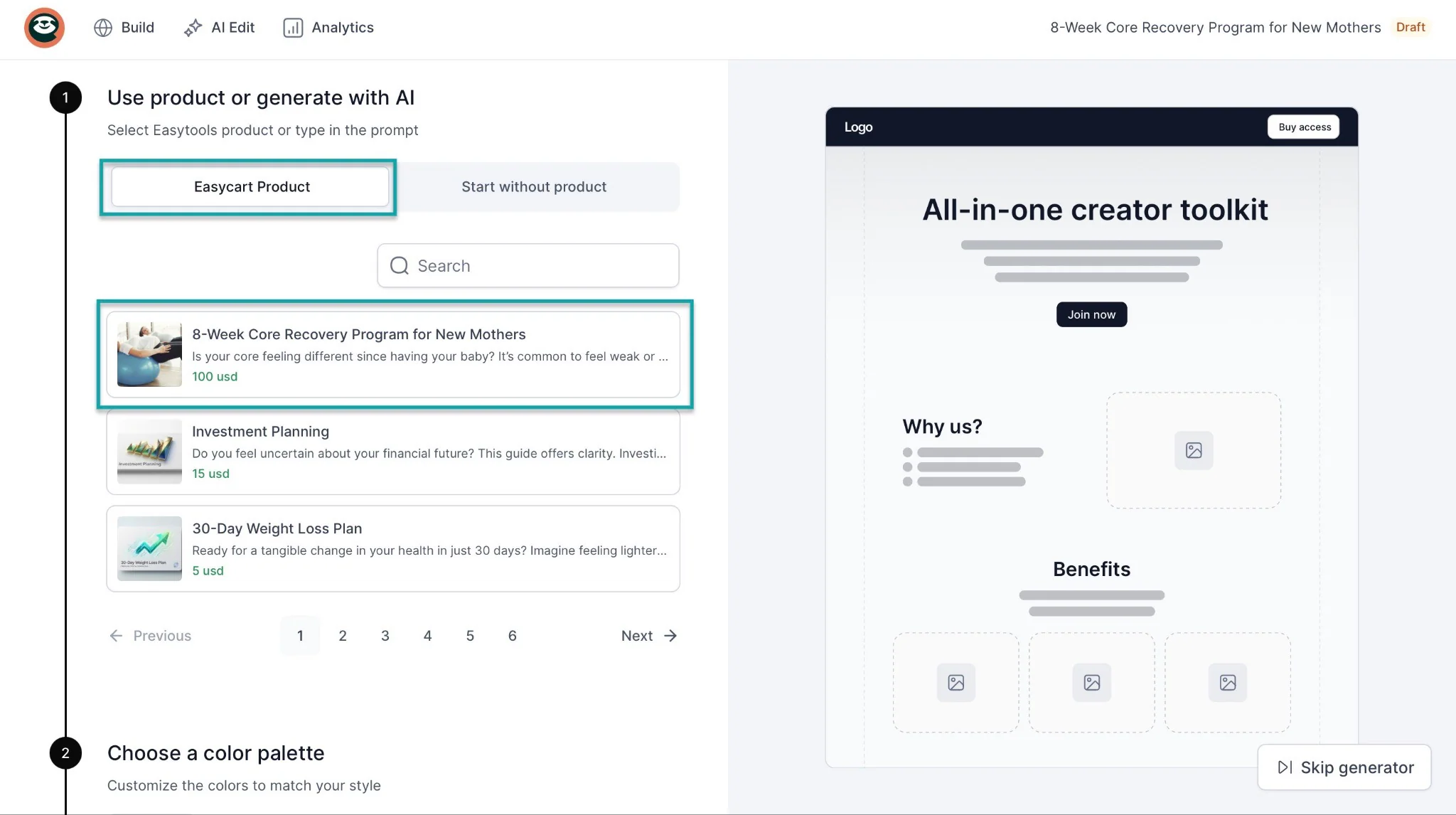
For a landing page, start by clicking “Website” in the sidebar. After that, click “+ New website.”
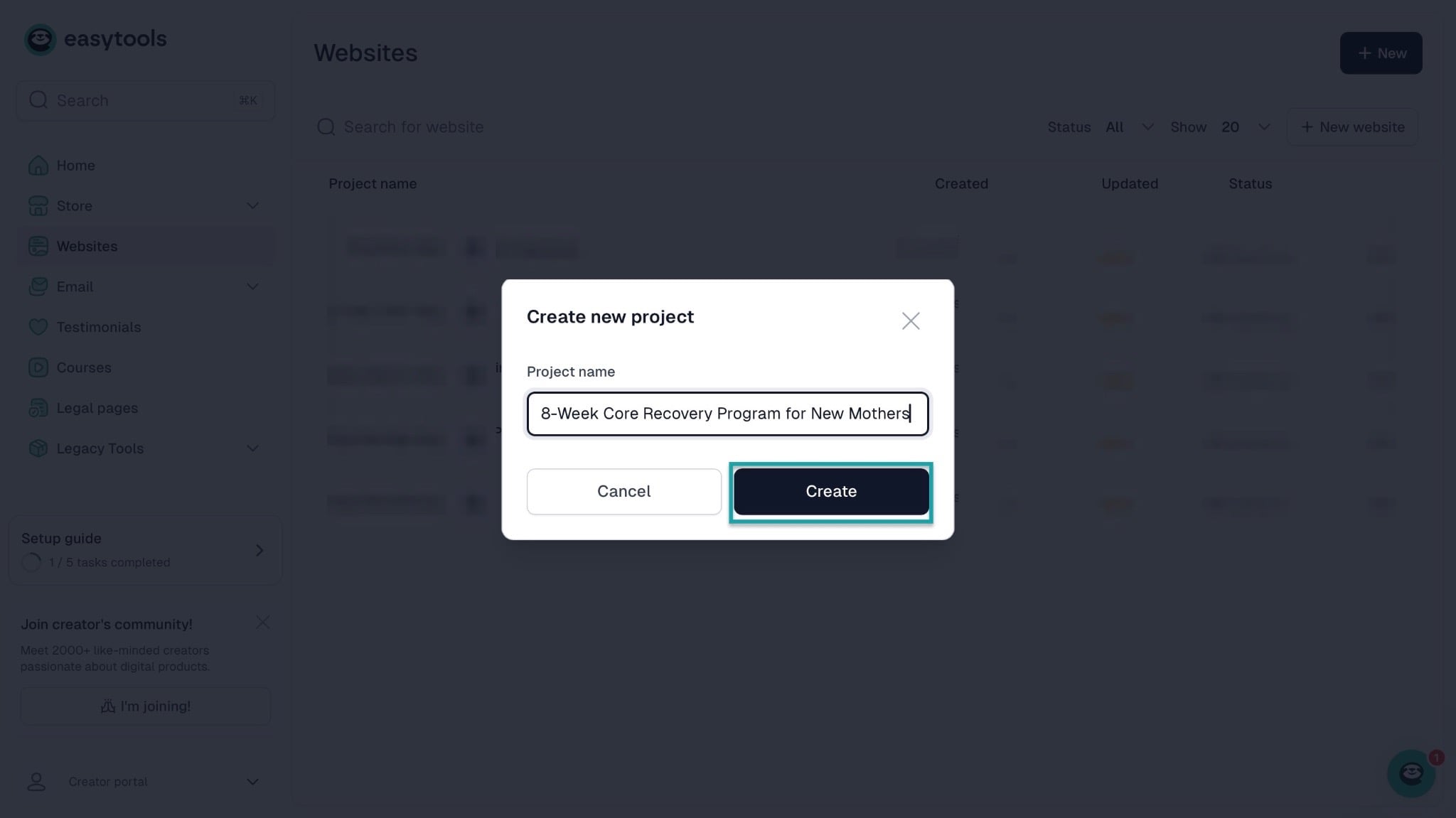
In the pop-up window, enter the project/ website name and click “Create.”
We’ve already created the checkout for the fitness program, so select “Easycart product” and click “8-Week Core Recovery Program for New Mothers.”
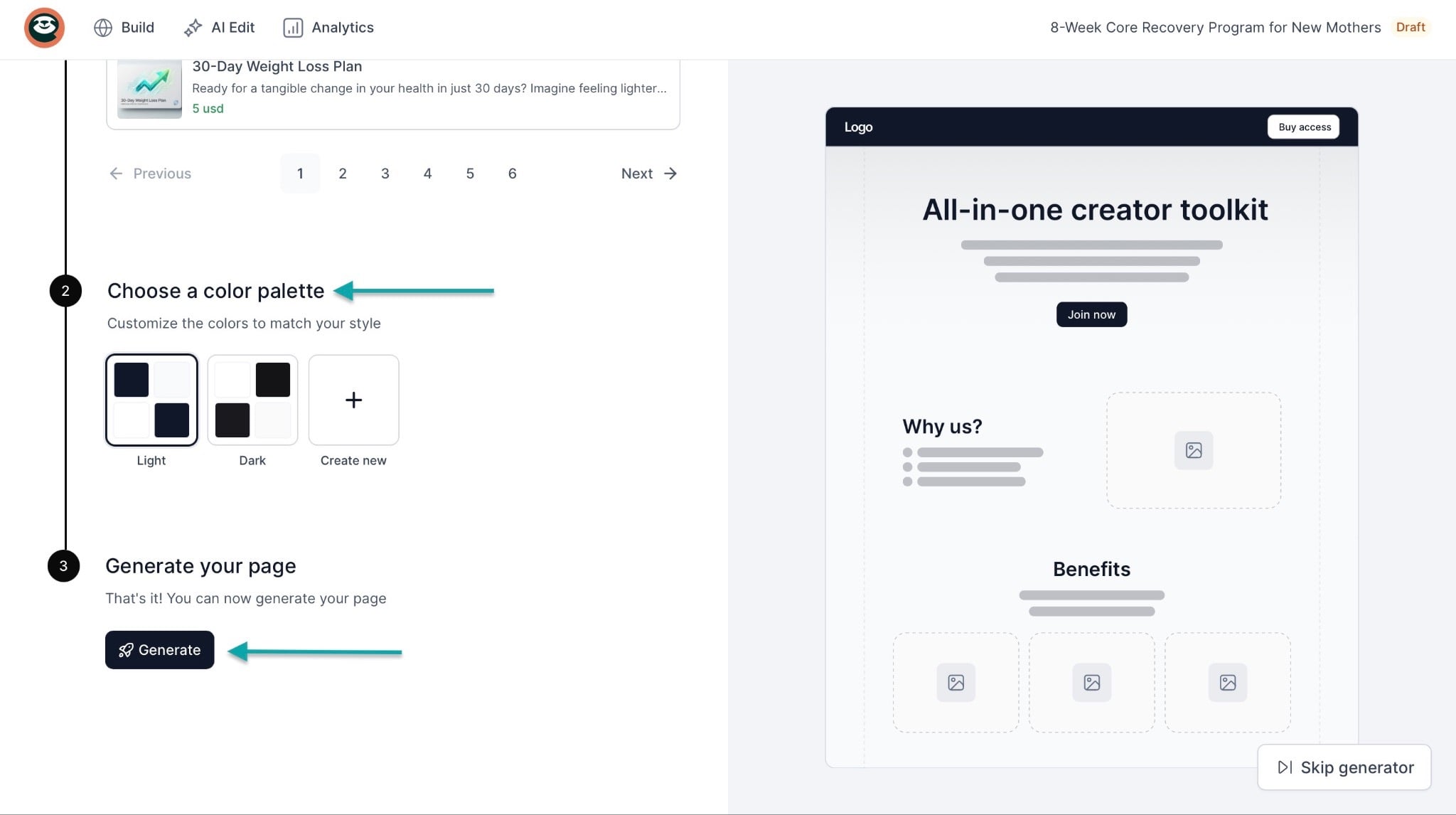
Now, scroll further down, pick a color palette, and hit “Generate.”
AI will generate the landing page in less than a minute.
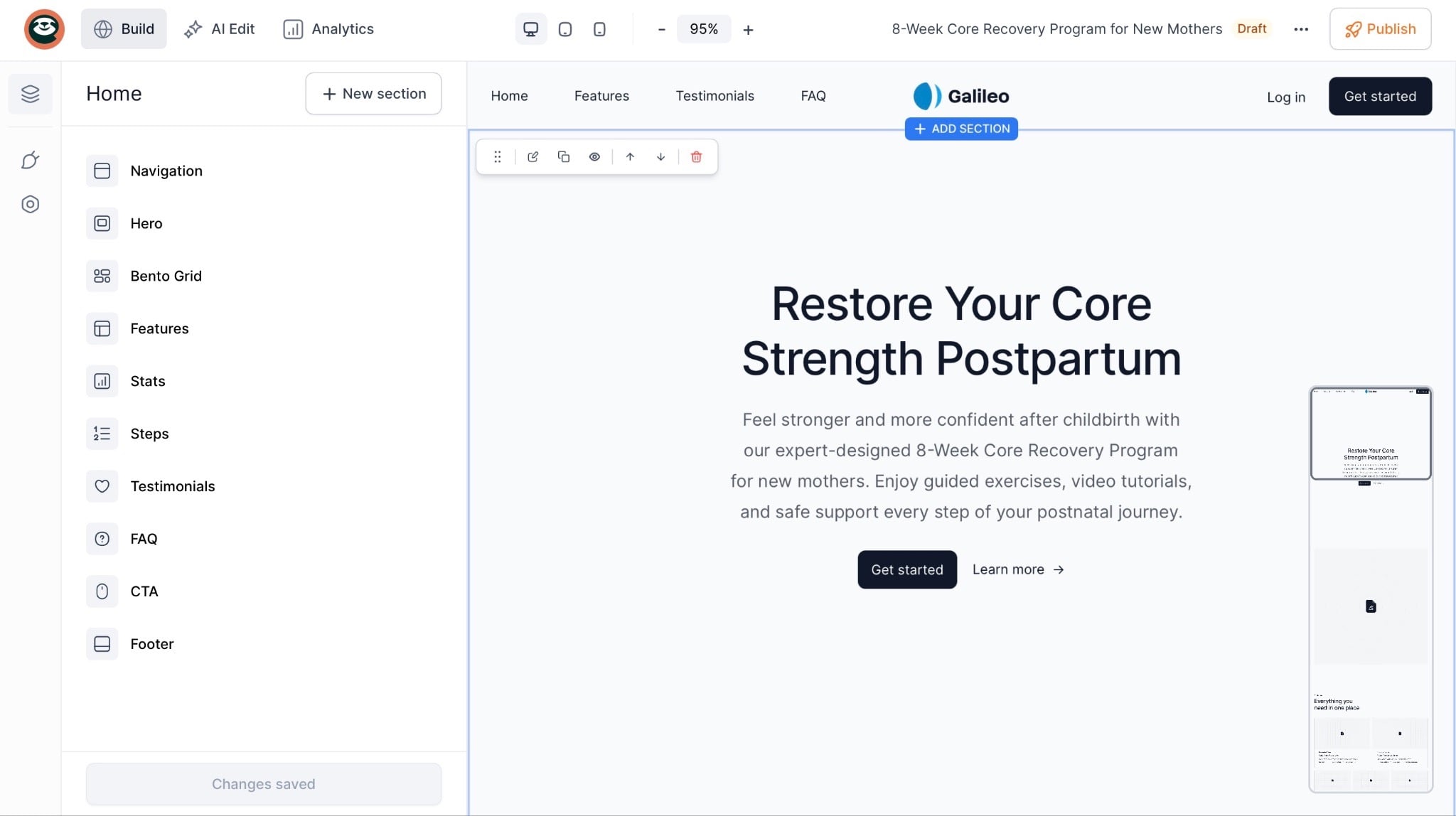
You then add more edits as you want.
3. Will integrate with your community platform
As a fitness coach, you’ll probably build an online community if you don’t already have one. The right platform to sell fitness programs online will integrate the community-hosting tools you already use.
Easytools, for example, integrates with Discord and Circle.
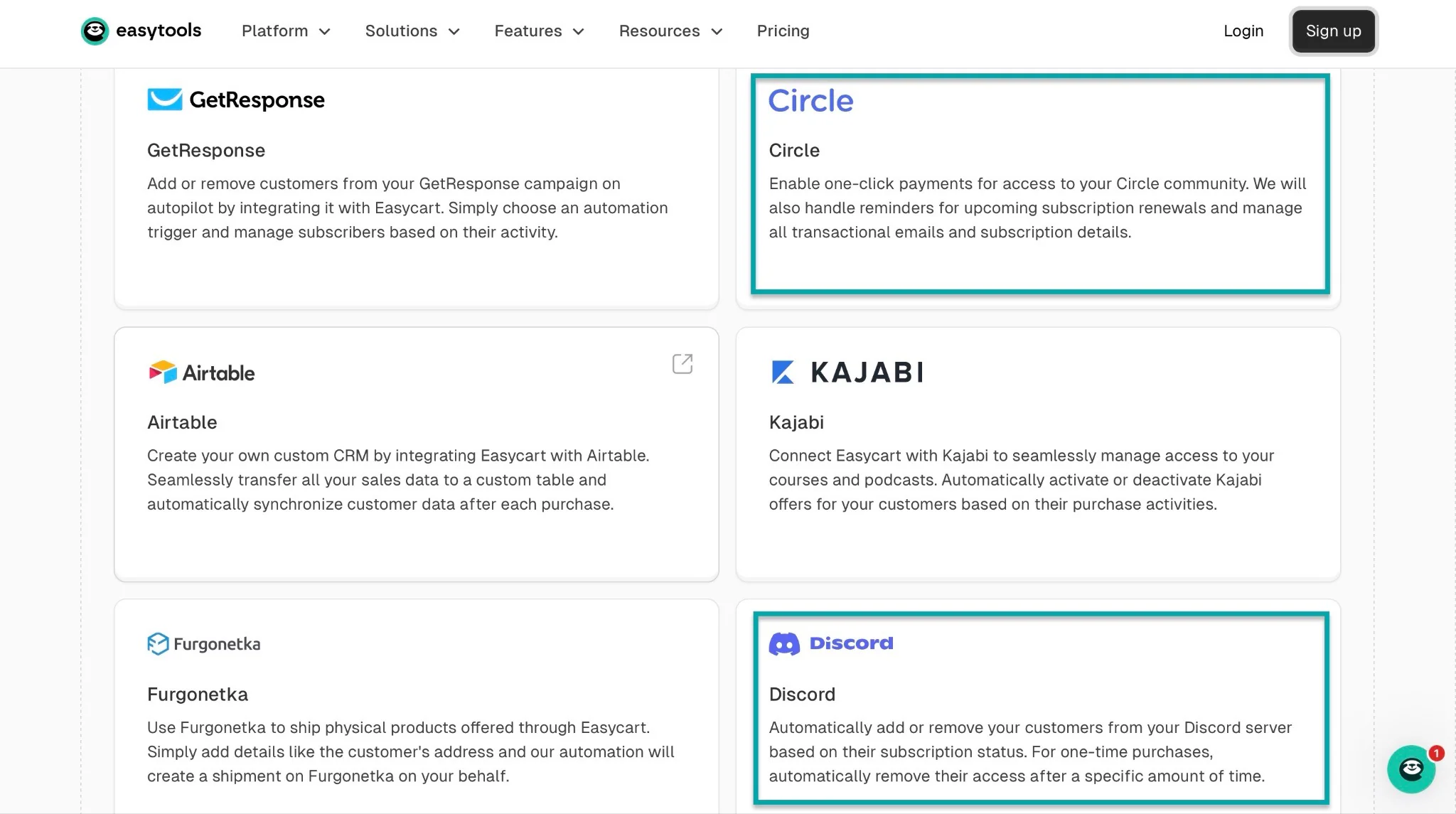
Through automations, you can also manage your members’ access to your fitness program.
4. Help you meet other like-minded fitness coaches and digital product creators
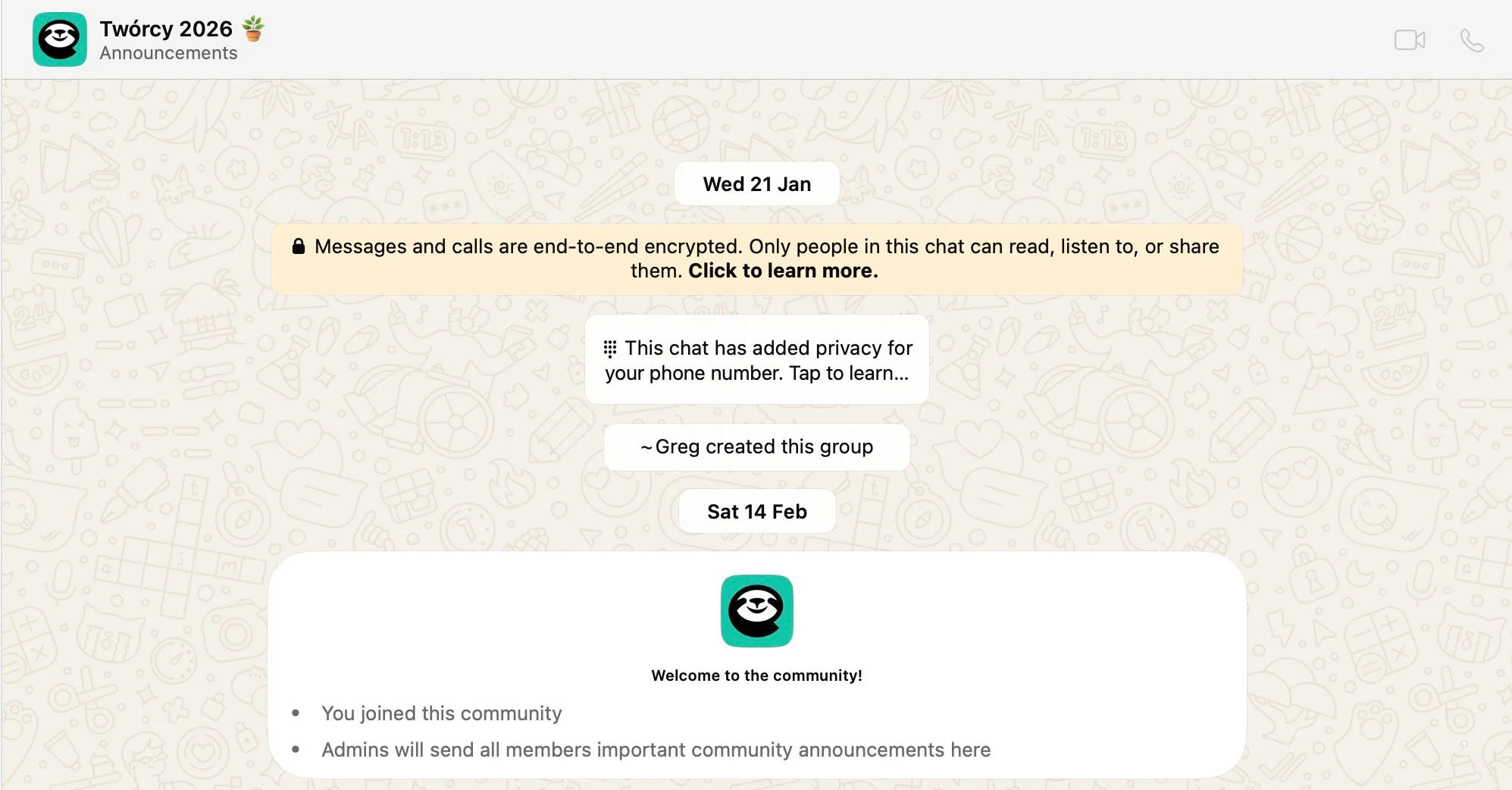
Finally, the right platform will help you meet like-minded coaches and creators. For example, Easytools has a thriving WhatsApp community for creators who sell on the platform.
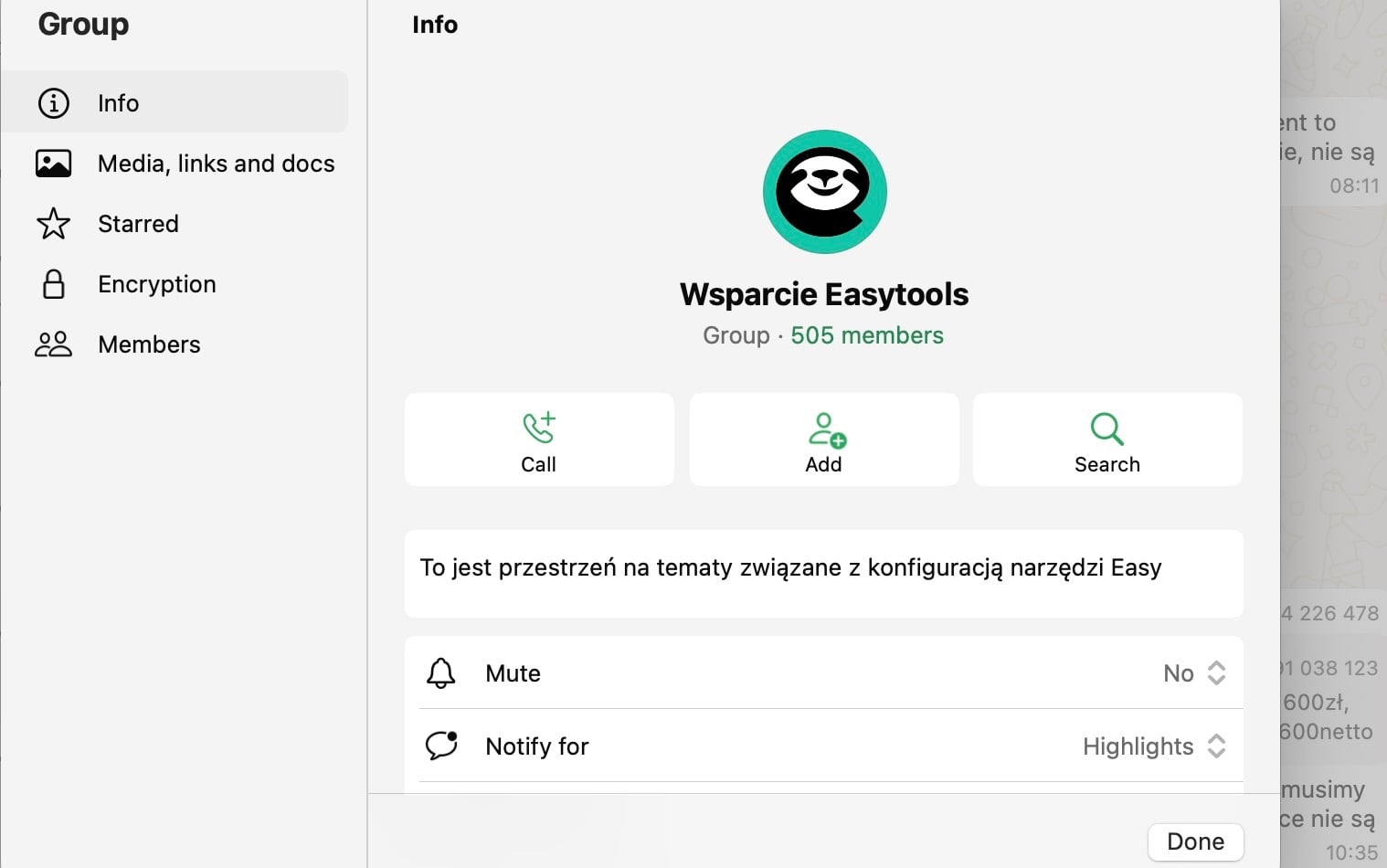
For creators.
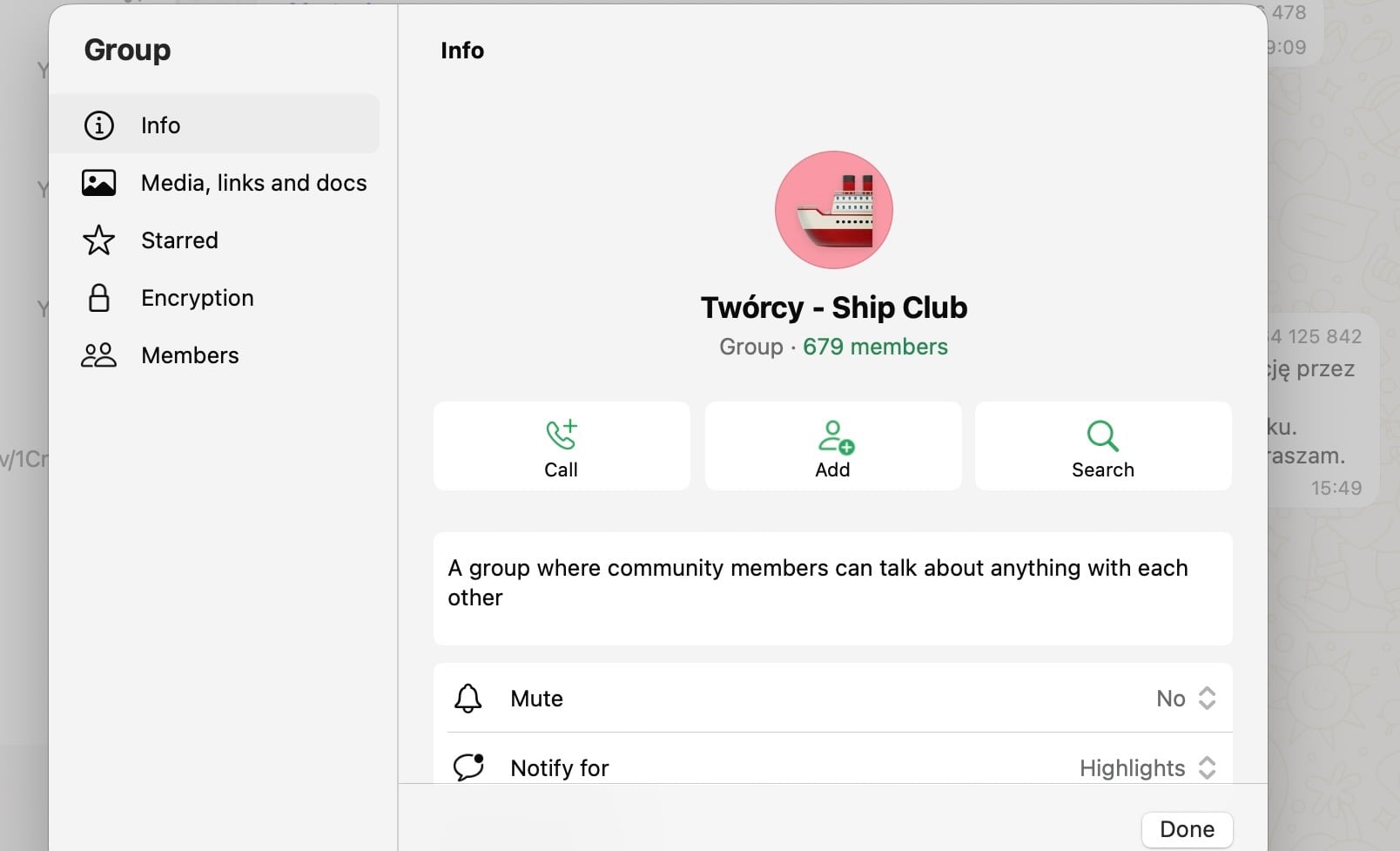
For general platform announcements.
And for when you have an offer and seek help.
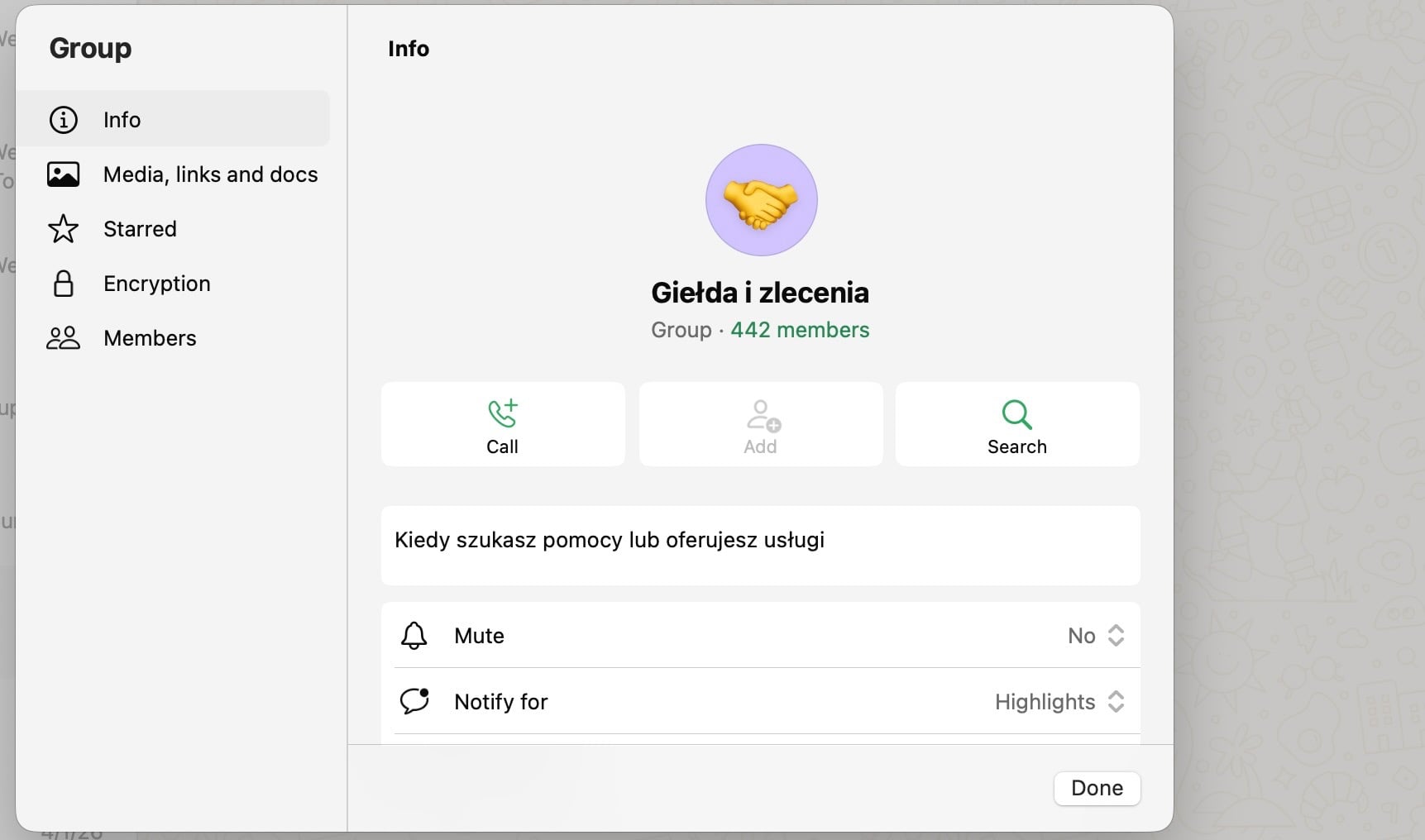
This means, apart from meeting other creators, you get prompt support when you need it. Also, you’re always in the know about platform changes.
On top of all this, Easytools also has a Skool community with 10,000+ members that helps creators maximize their earnings or make their first sale.
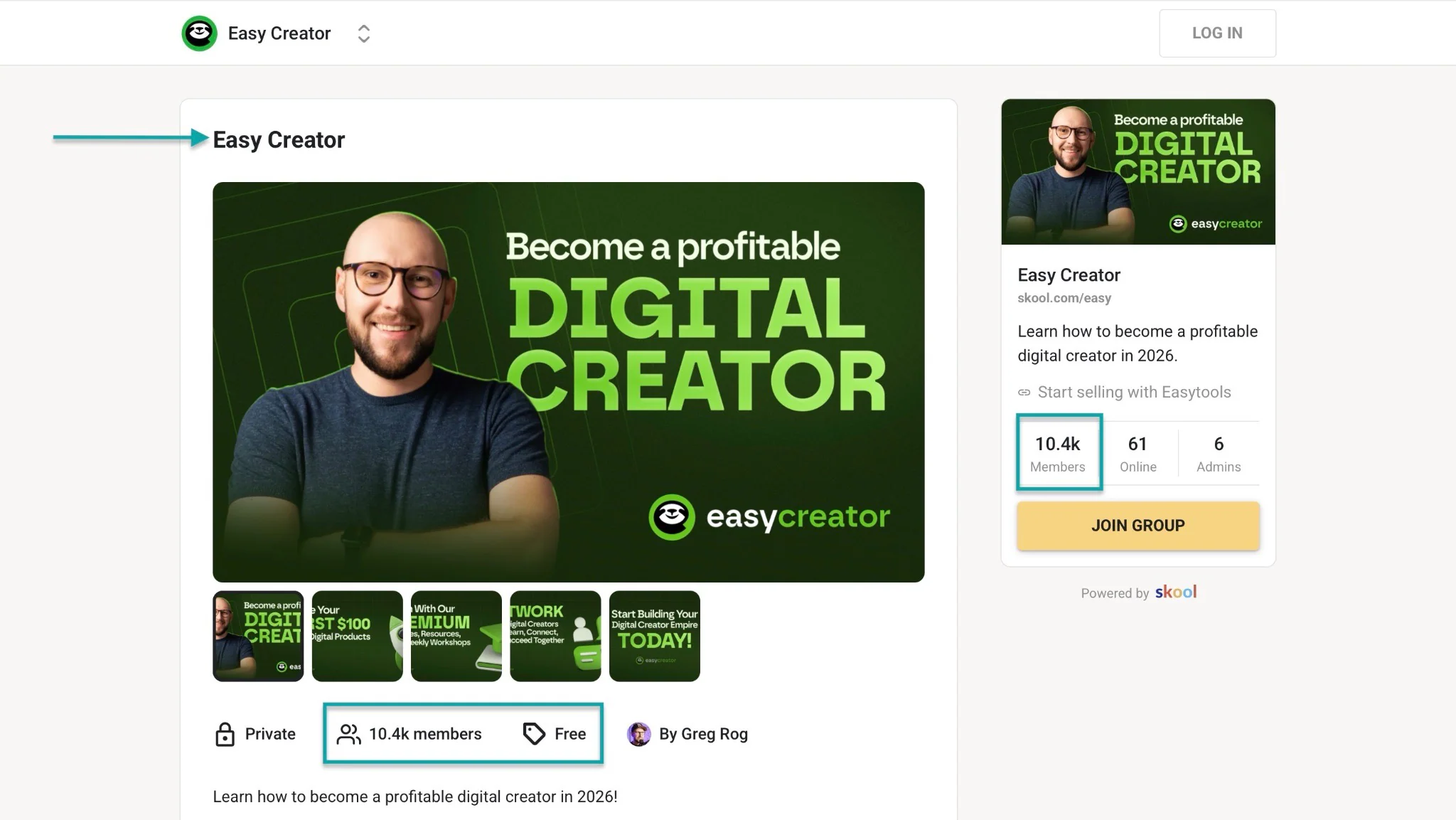
Watch this to learn how you can sell on Easytools.
Now that you know what to look for to choose the right platform, let’s talk about how to promote your program.
{{cta-banner-1}}
Step 5. Promote your fitness program online
This final step is crucial to selling fitness programs online. After all, without promotion, even your customers won’t know you have a program on sale.
Successful coaches build an audience to sell fitness programs online. Also, they consistently share valuable content with them.
Joe Wicks, for example, is known for his prolific Instagram posting, especially when he started. And that has brought him huge audiences across social media platforms.
On Instagram, he has 4.7M+ followers and has created 12,681 posts.

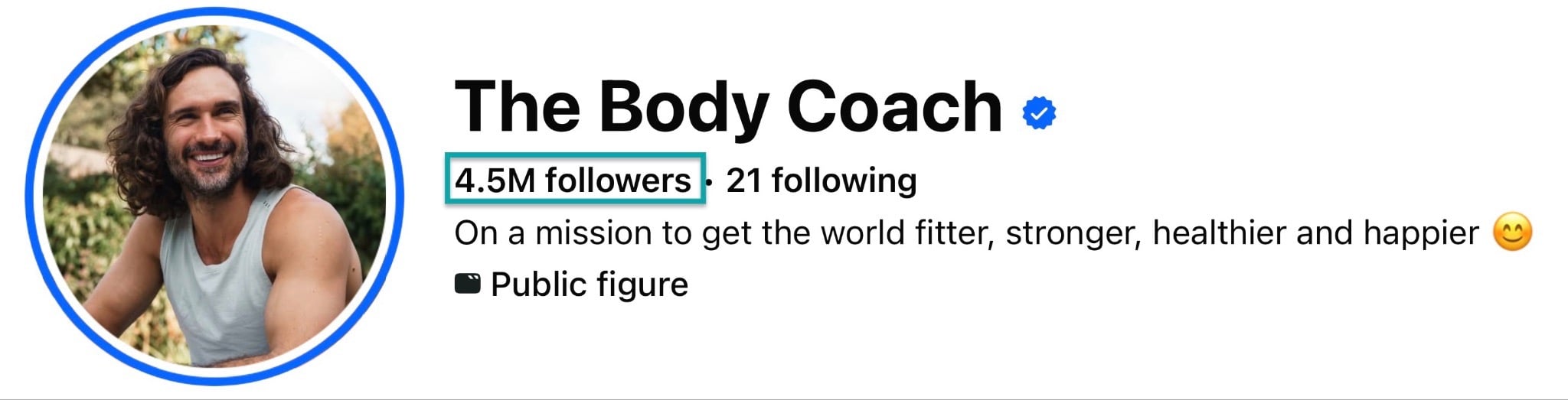
On Facebook, he has 4.5M+ followers.
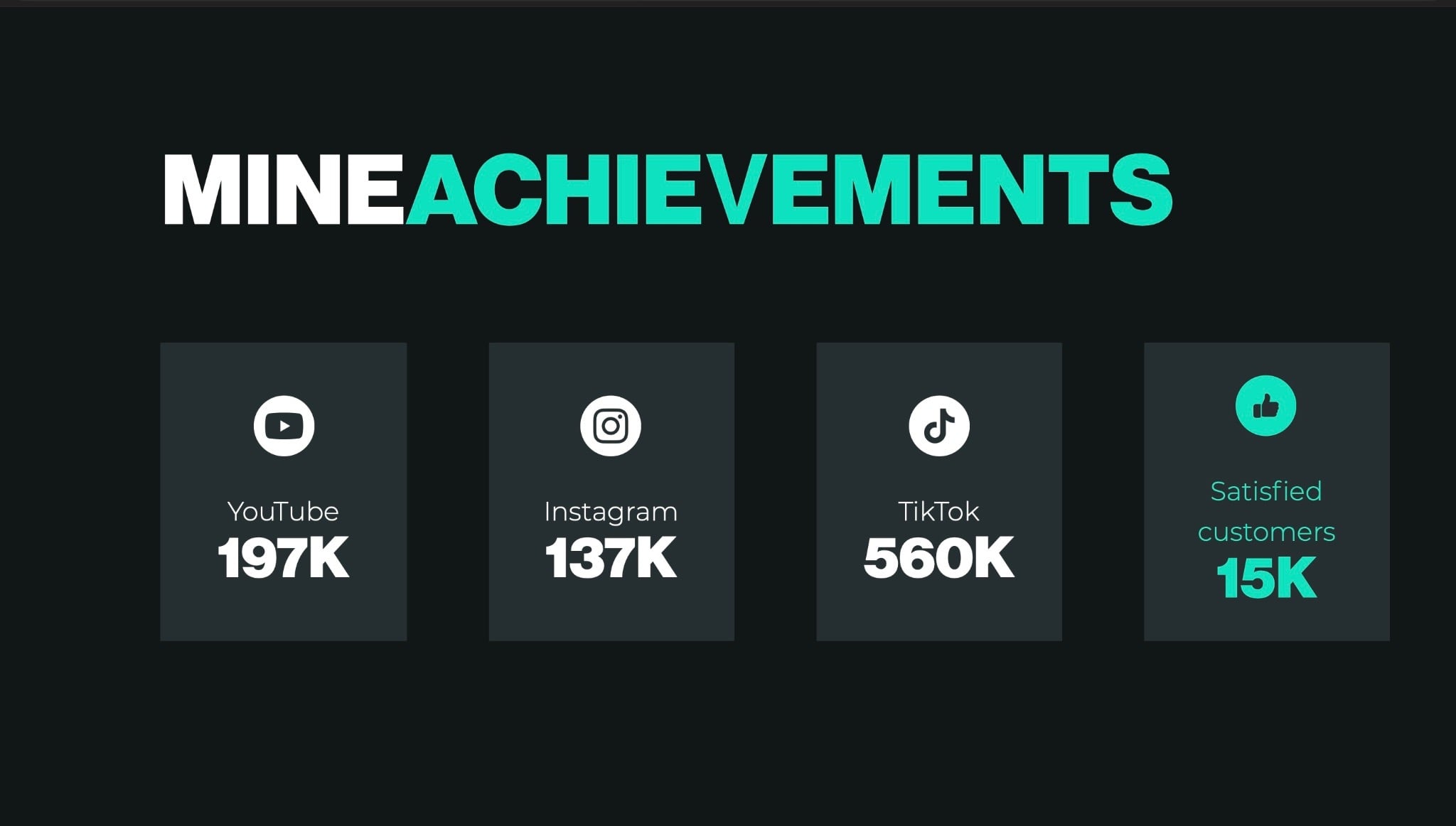
Our customer and fitness coach, Piotr Szmexy Tomaszewski, also has a large social media following. He has 197,000 subscribers on YouTube. 137,000 followers on Instagram. On TikTok, 570,000.
So a cumulative social media of about 900,000+.
And he shares that he has over 15,000 satisfied customers, too. Clearly, that’s a good promotion tactic.
You could build an audience/following like that using social media.
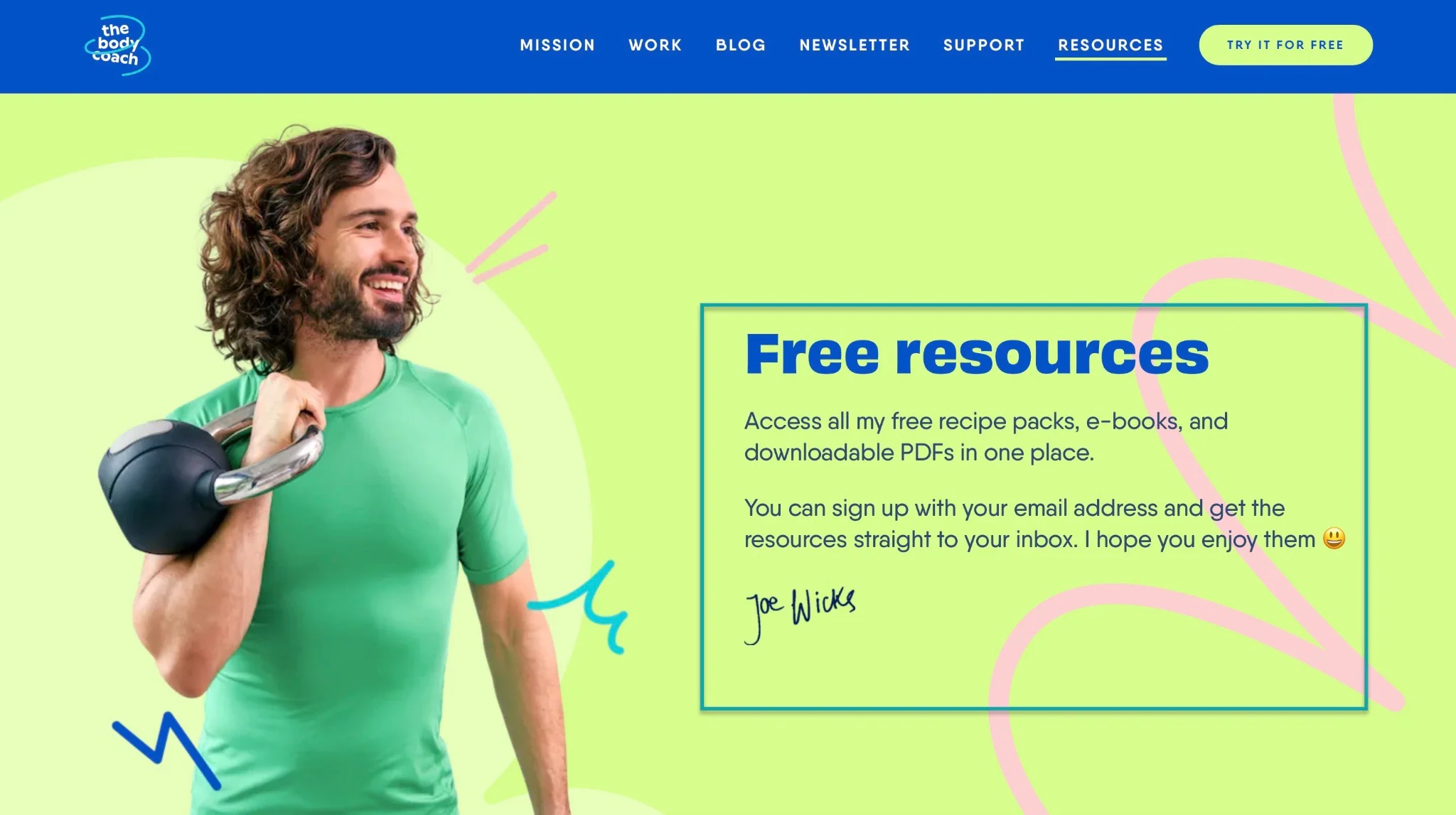
Now, another thing is that Joe Wicks is very generous with resources. On his website, he has a whole window dedicated to downloadable free resources.
He uses it as a lead magnet, so he asks people to sign up with their emails to access the free stuff. That way, he can build an email newsletter for a marketing campaign.
You could do the same thing with Easytools’ email feature. Remember Piotr, our customer? He has a similar thing on his website.
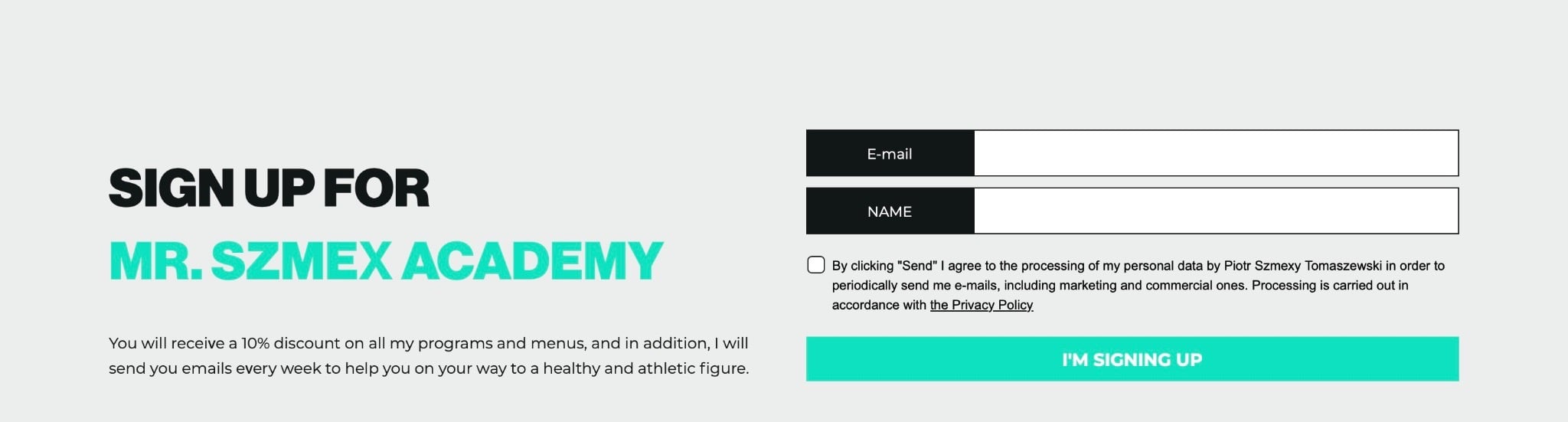
I’ll show you how you can create one for your landing page. But before you start, you need to have an audience. It could be on Facebook, Instagram, Discord, or Circle.
Let’s assume you’ve already created a landing page for your fitness program. Just like we did in step four.
Now that’s out of the way, select the “Websites” in the sidebar and choose the landing page you created for the fitness program.
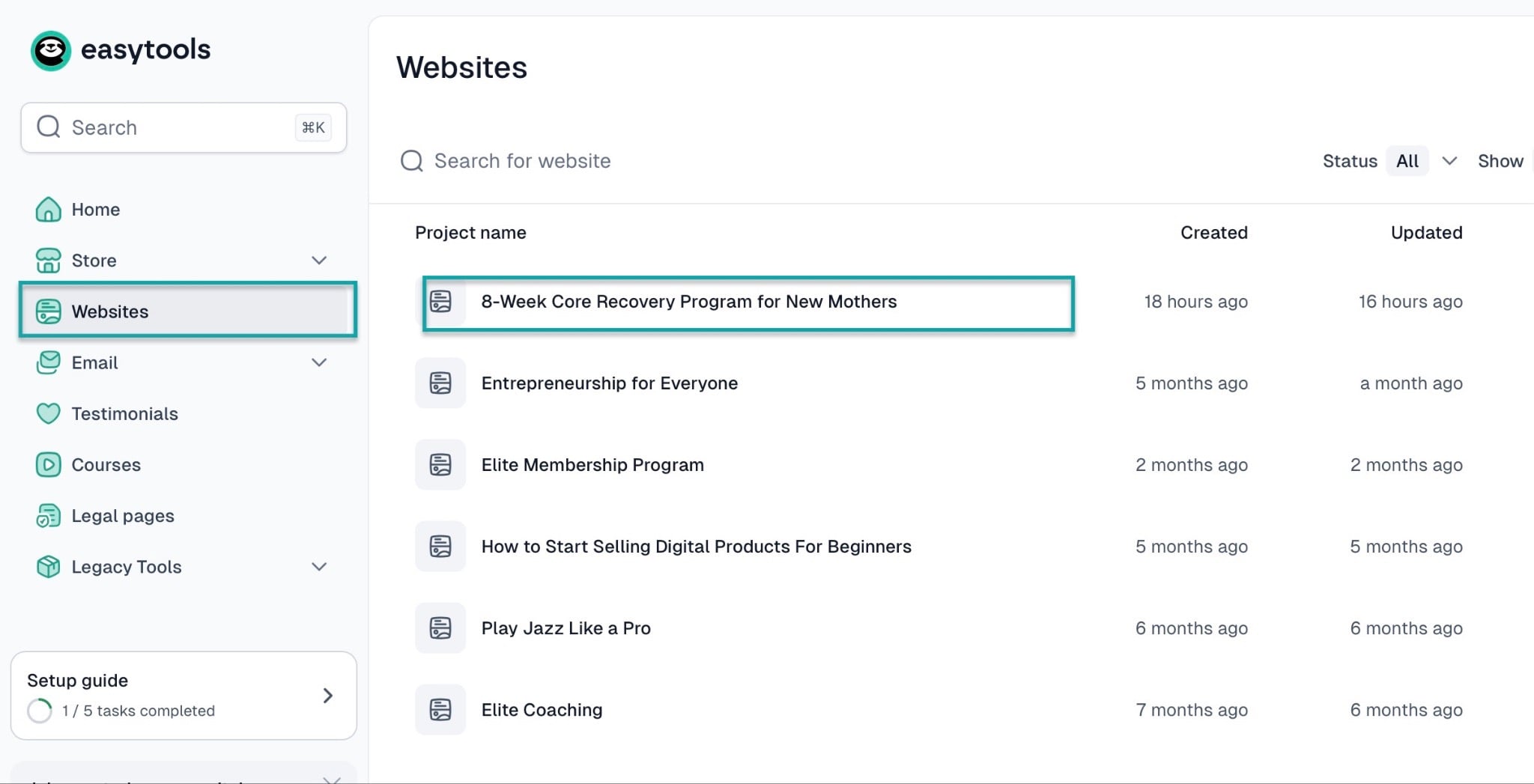
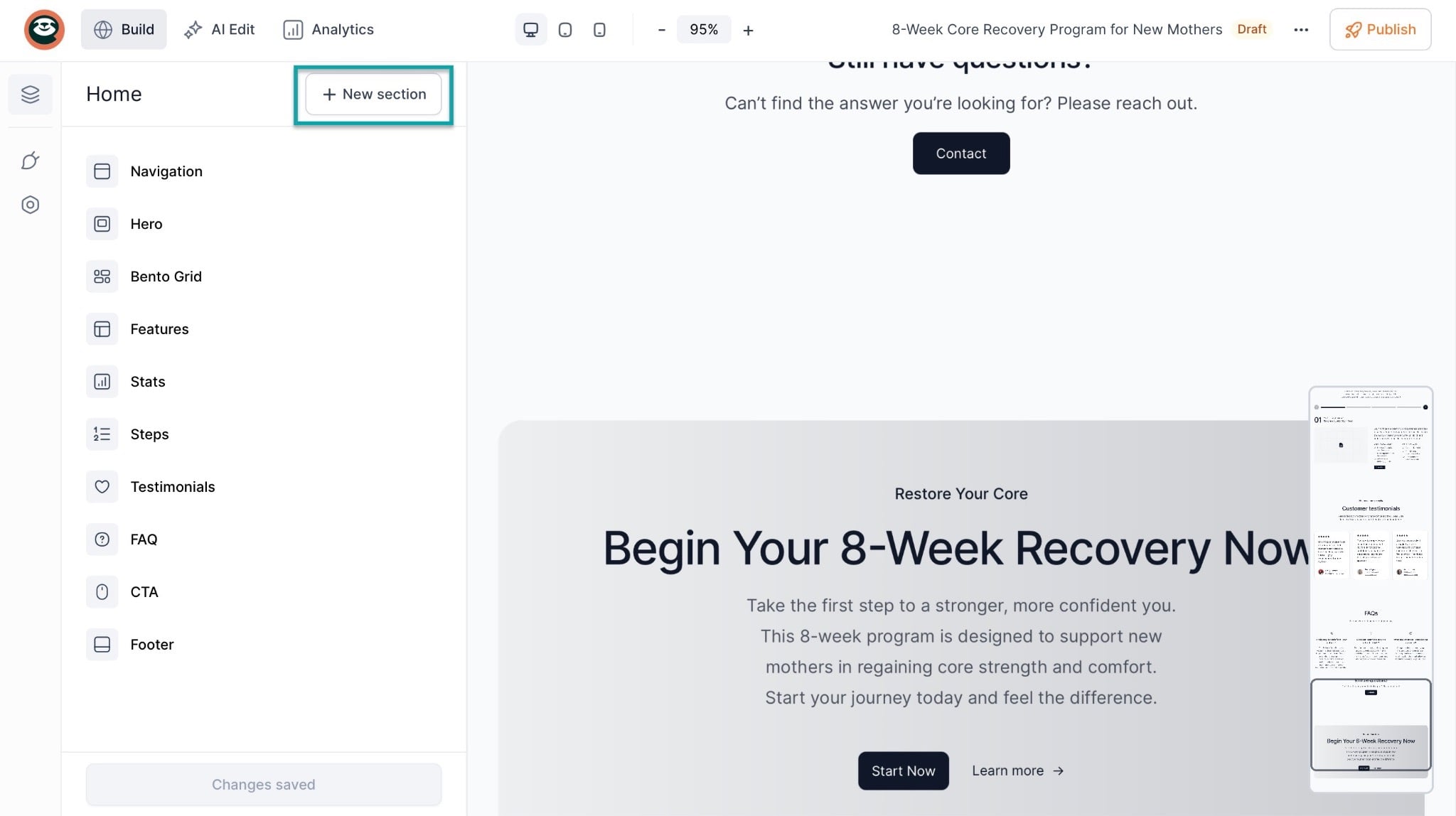
In the landing page edit window, click the “+ New section” button.
In the pop-up window, click “Email Campaigns.”
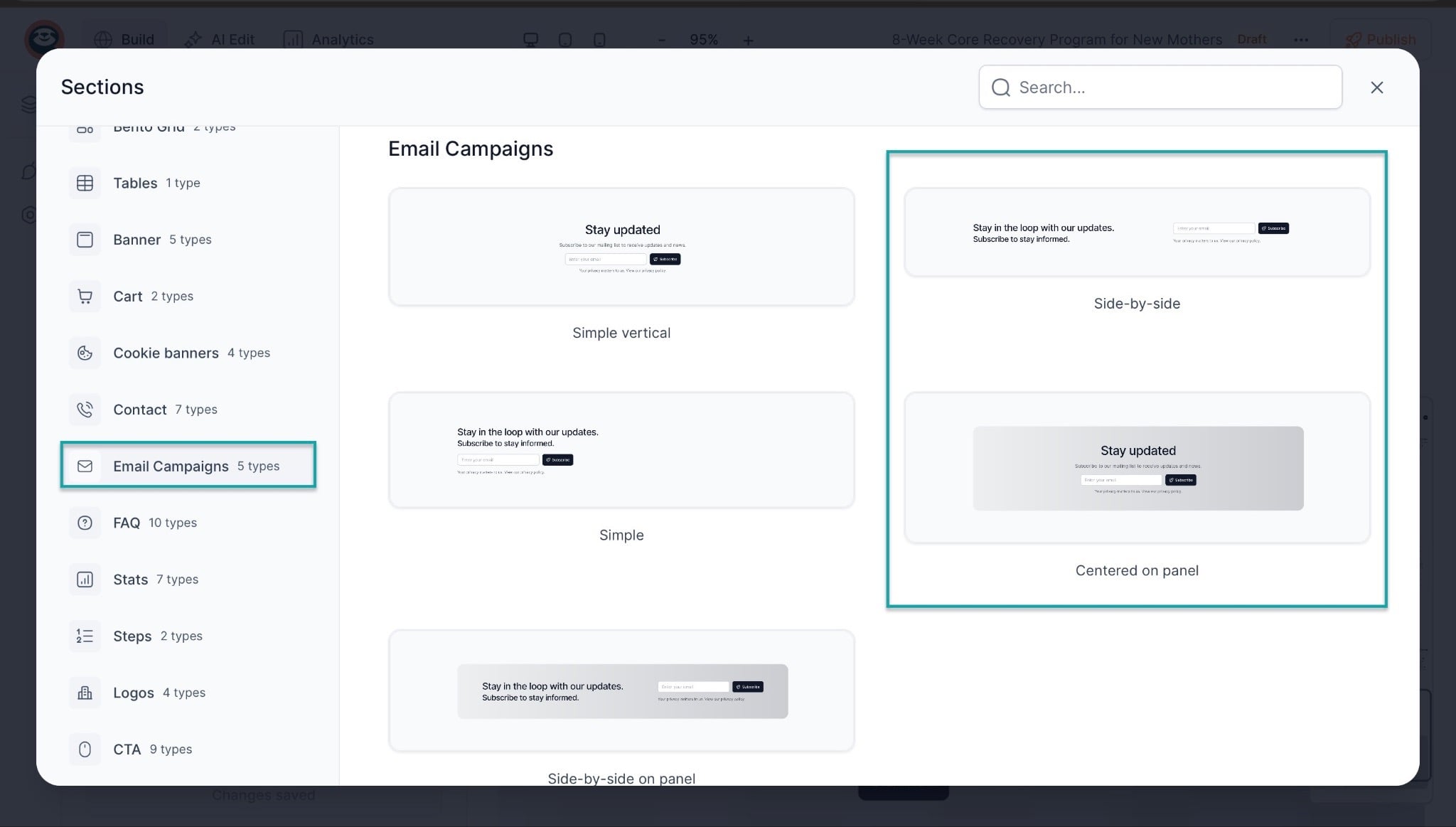
Your choice will now show on the landing page.
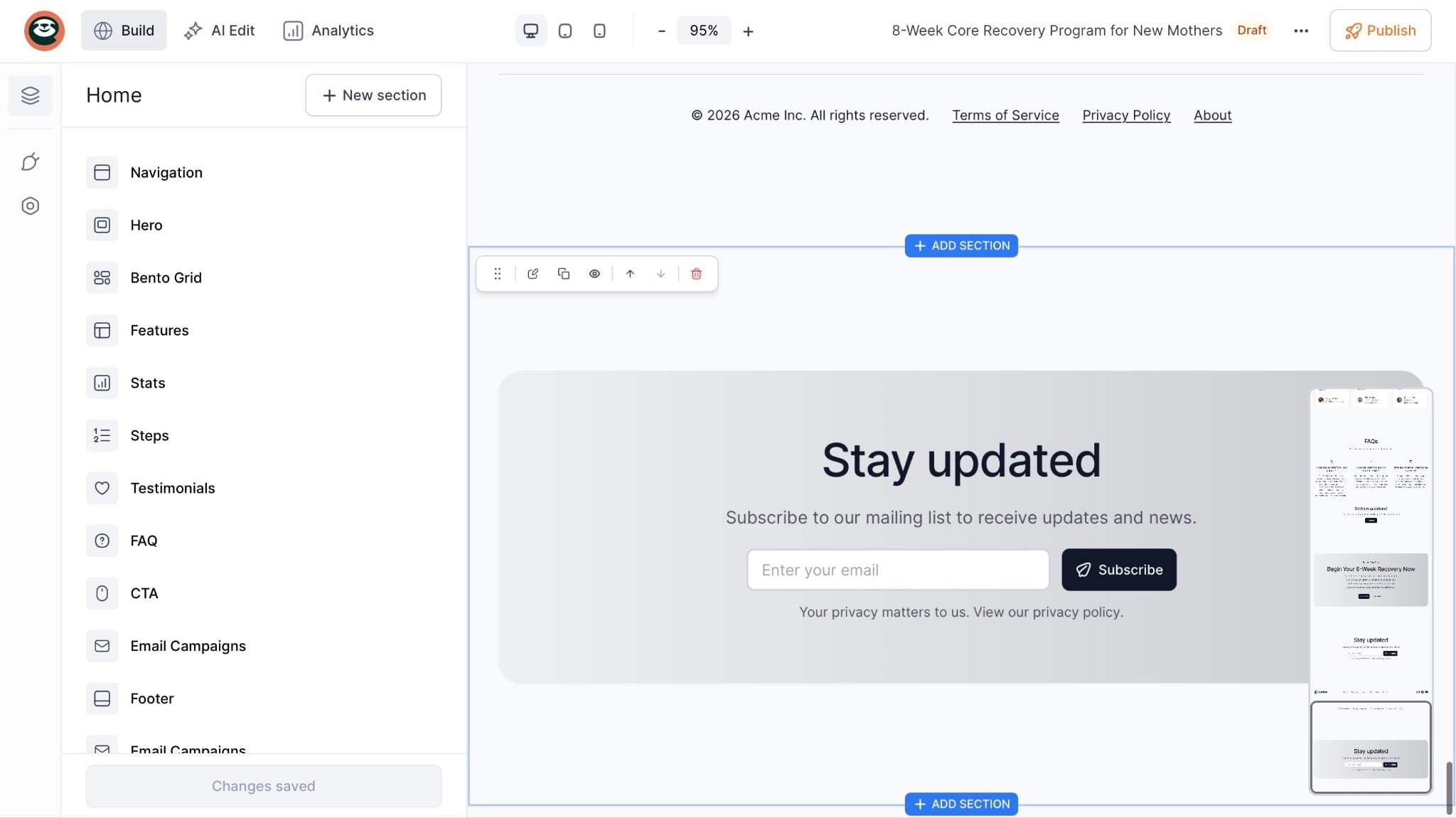
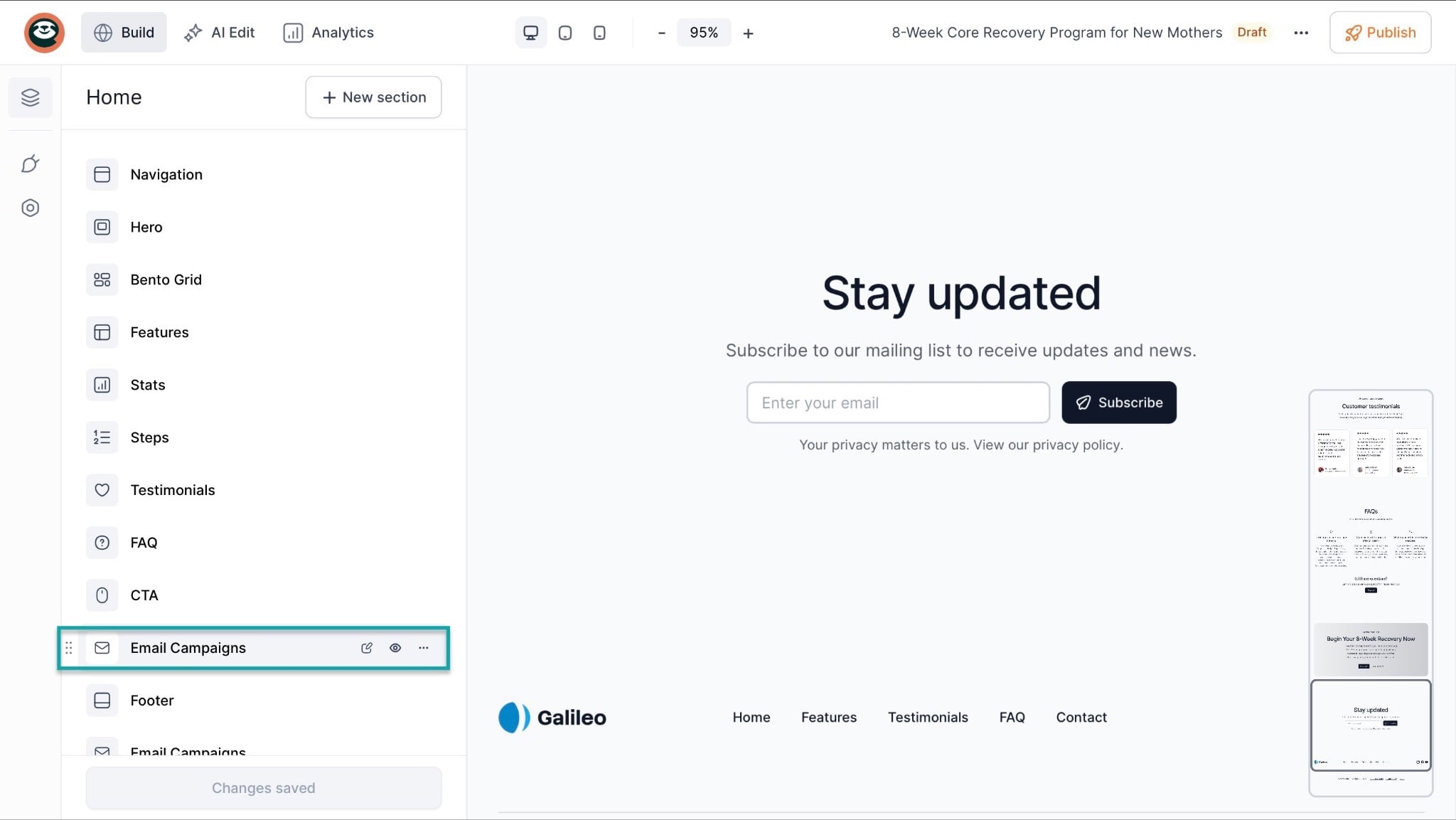
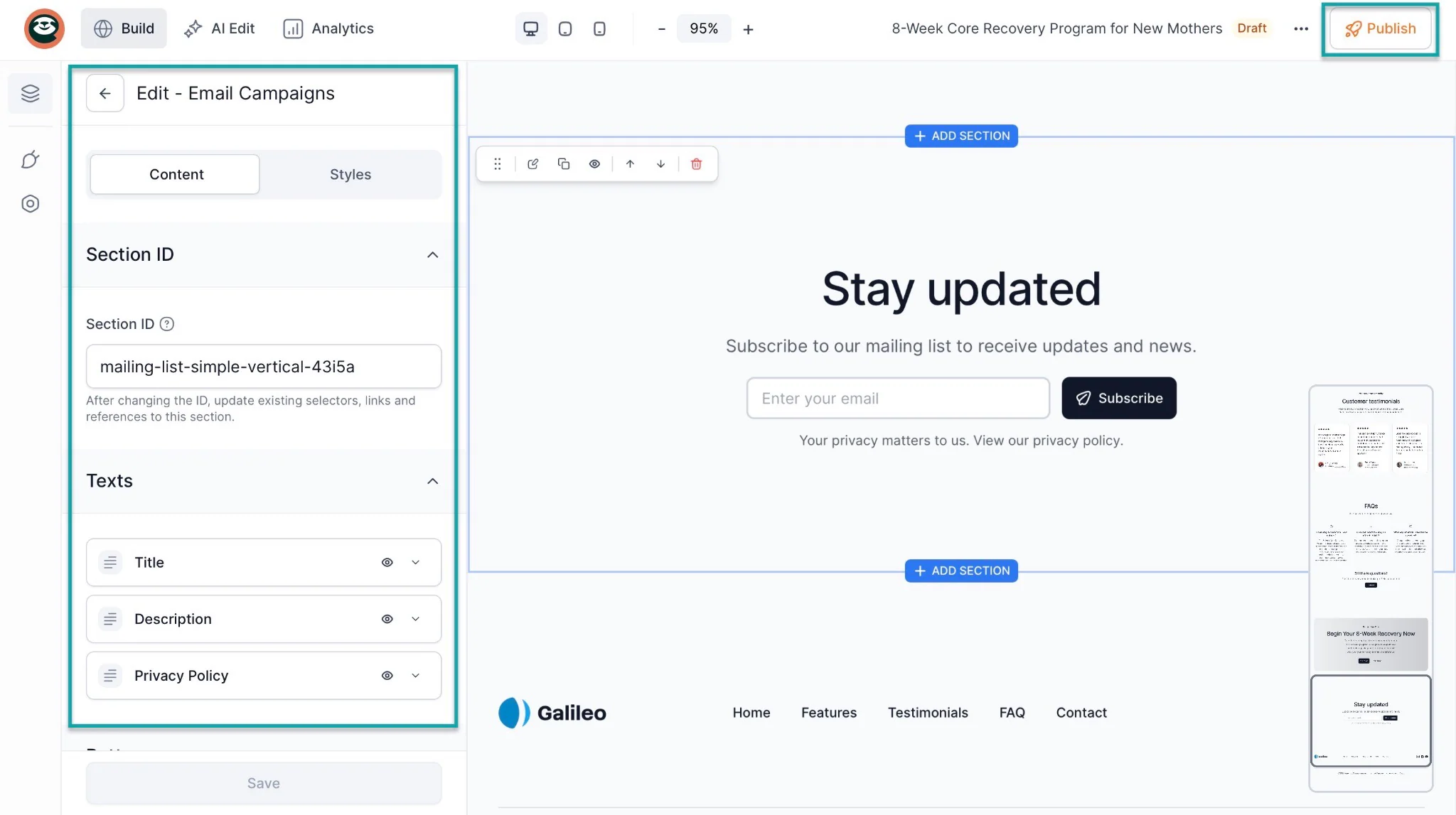
You can click “Email Campaigns,” which is now showing in the sidebar, to make further edits to that section.
Once you’re done, hit “Publish.”
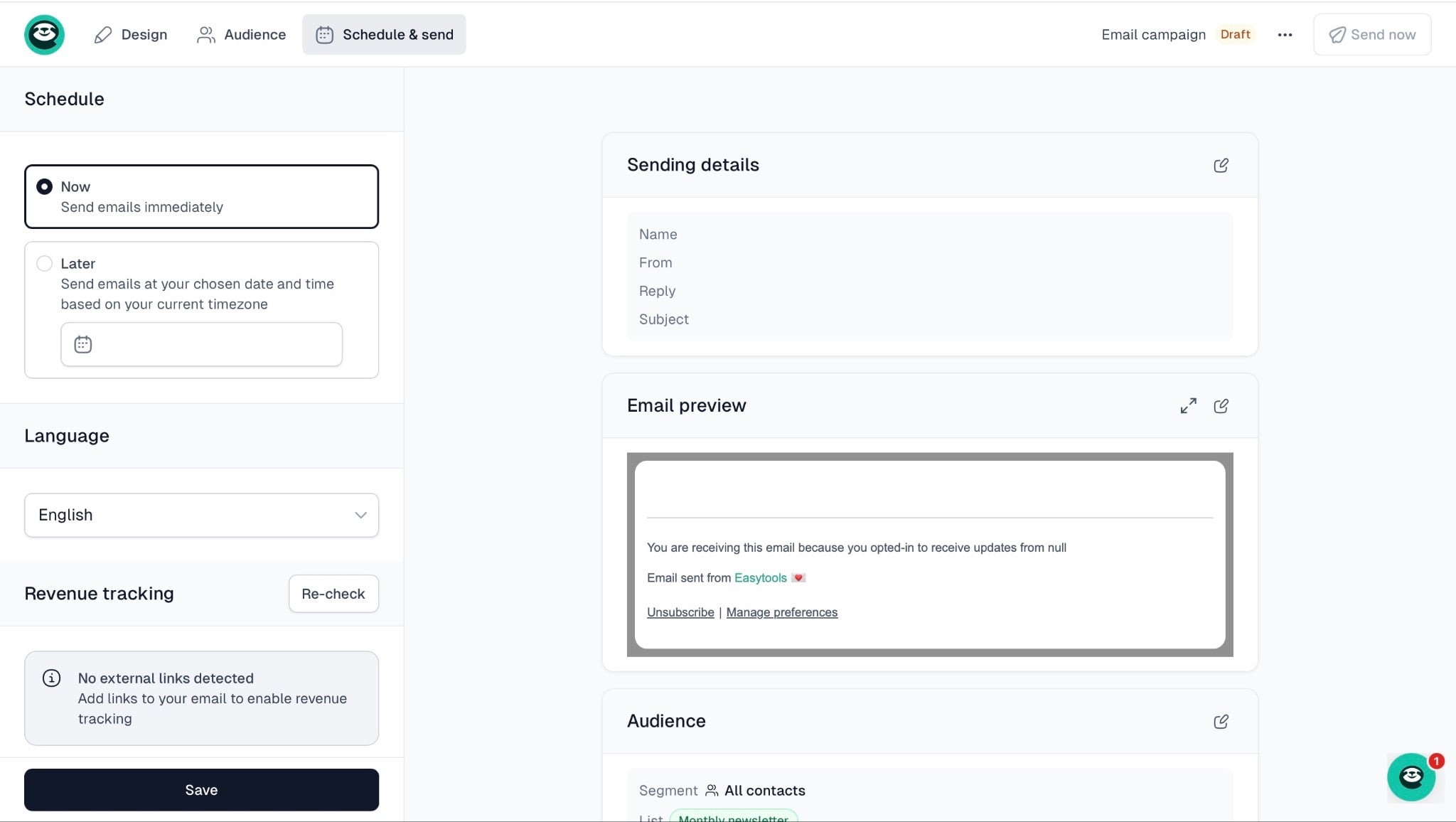
After that, you can always send marketing campaigns to those who signed up for your newsletters.
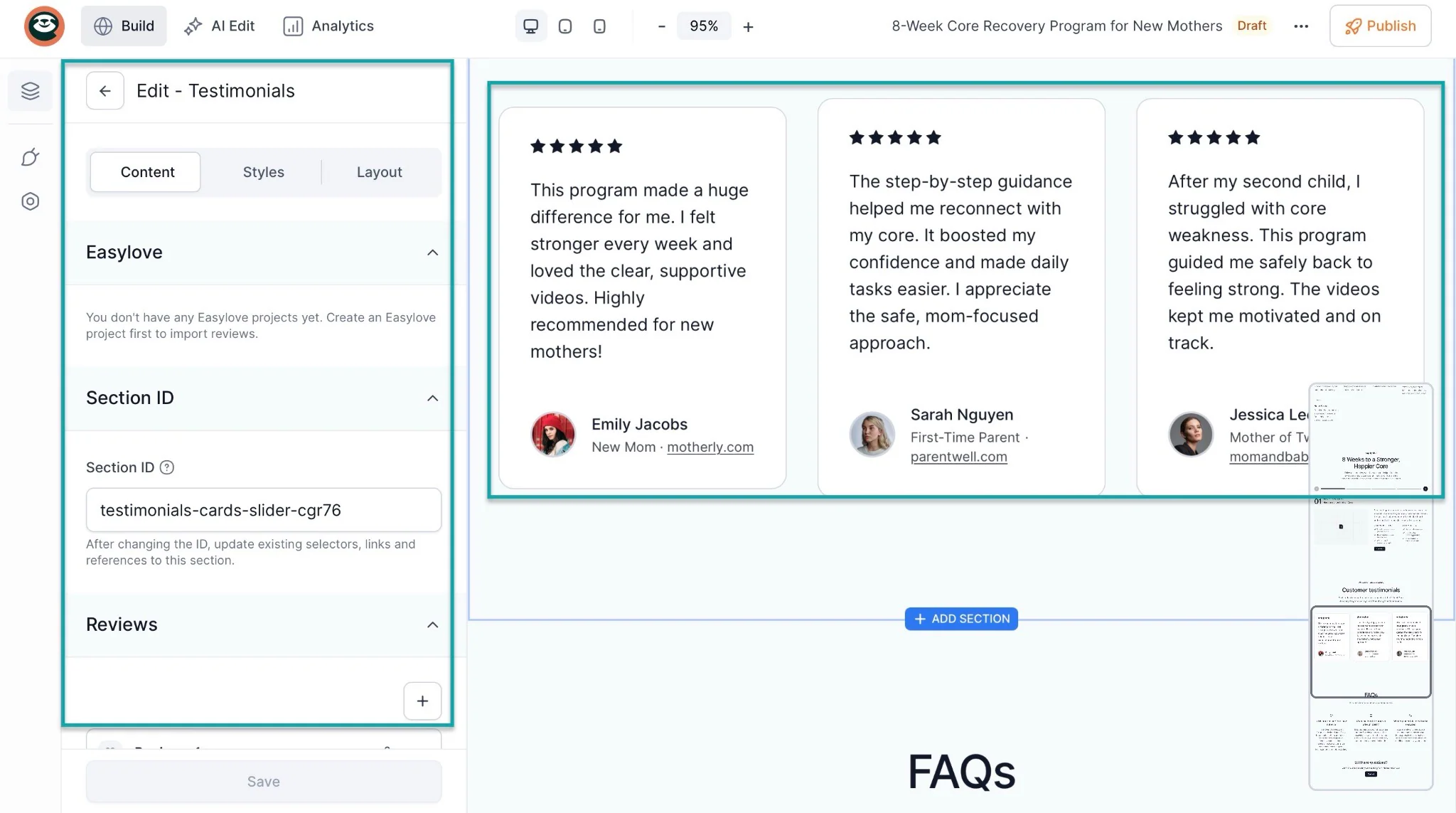
Another way to promote your fitness programs is through testimonials. I’ve already talked about how beneficial social proof is.
Because of their importance, testimonials are added as sections on the landing pages you create in Easytools.
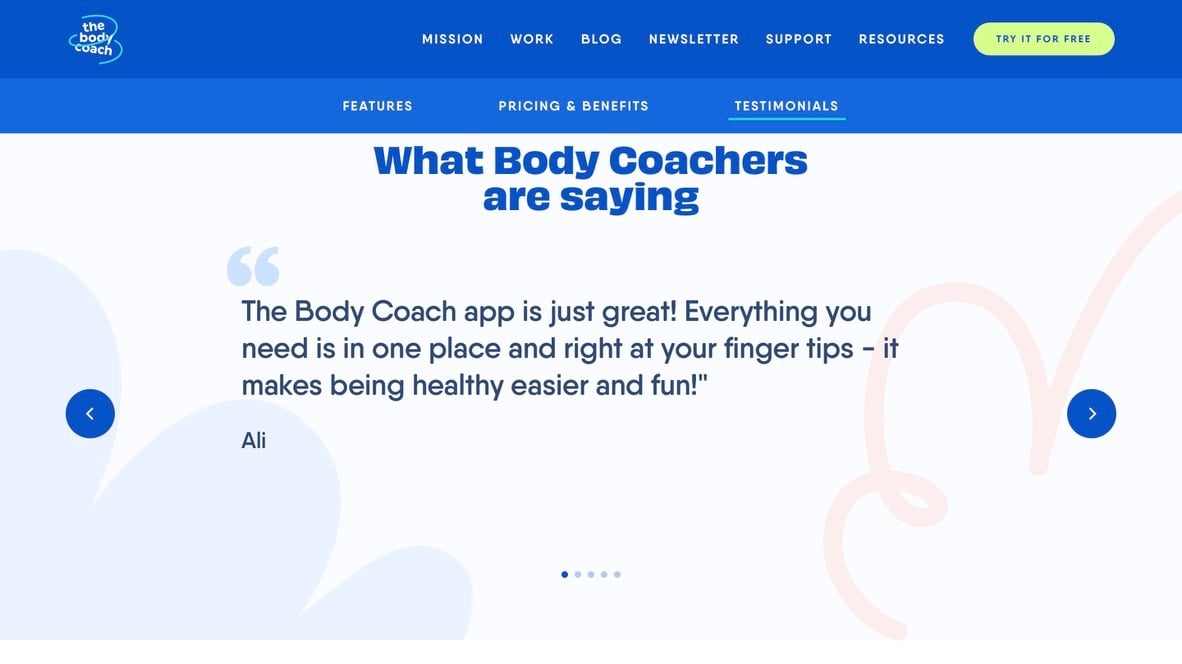
Joe Wicks has them too. That shows how much they can help with both marketing and sales.
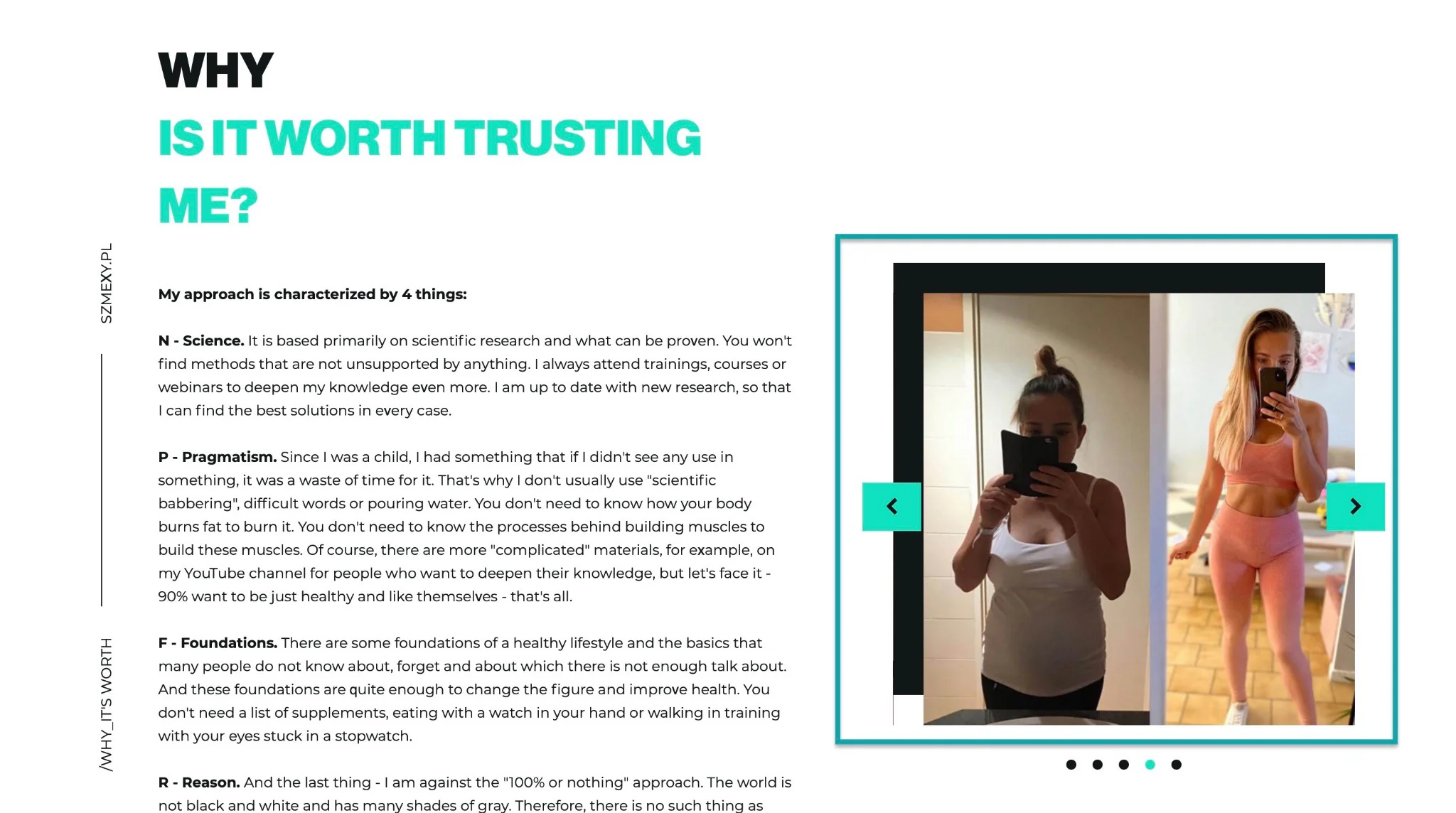
Sometimes, for fitness programs, it’s even better to show social proof through before-and-after pictures. Just like what Piotr shows on his website.
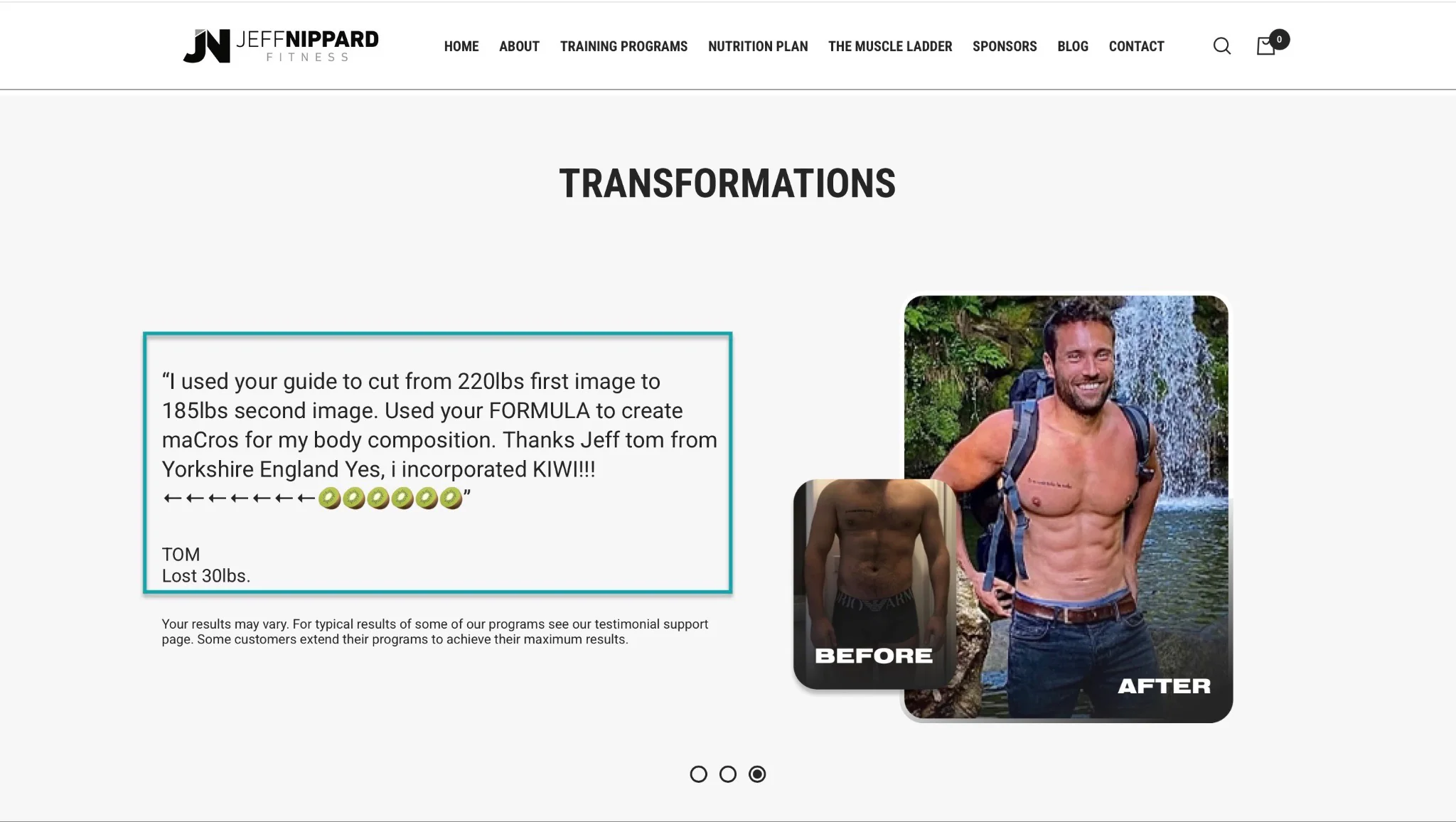
Jeff Nippard does the same thing on his website. That shows how important social proof is to promoting and selling fitness programs online.
Take a look at this table to see a few extra marketing strategies you can use to promote and sell fitness programs online.
| Marketing strategy | How it helps |
|---|---|
| Social media content | Share workouts, tips, and progress updates to build an audience and trust |
| Email newsletters | Send fitness tips and program updates to people who sign up for your mailing list |
| Fitness communities | Engage in online groups where people discuss fitness and wellness |
| Testimonials and results | Show before-and-after transformations from customers |
| Influencer collaborations | Partner with other fitness creators to reach new audiences |
You pair all of this with everything we discussed, and you’ll be well on your way to successfully selling fitness programs online.
Let’s quickly look at a few other ways you can sell more.
Bonus tips for selling more fitness programs
You know that you should offer free sample workouts, build an email list, and use customer testimonials to promote your fitness programs.
A few extra tips I’ll add are to create limited-time promotions, update programs regularly, and start small.
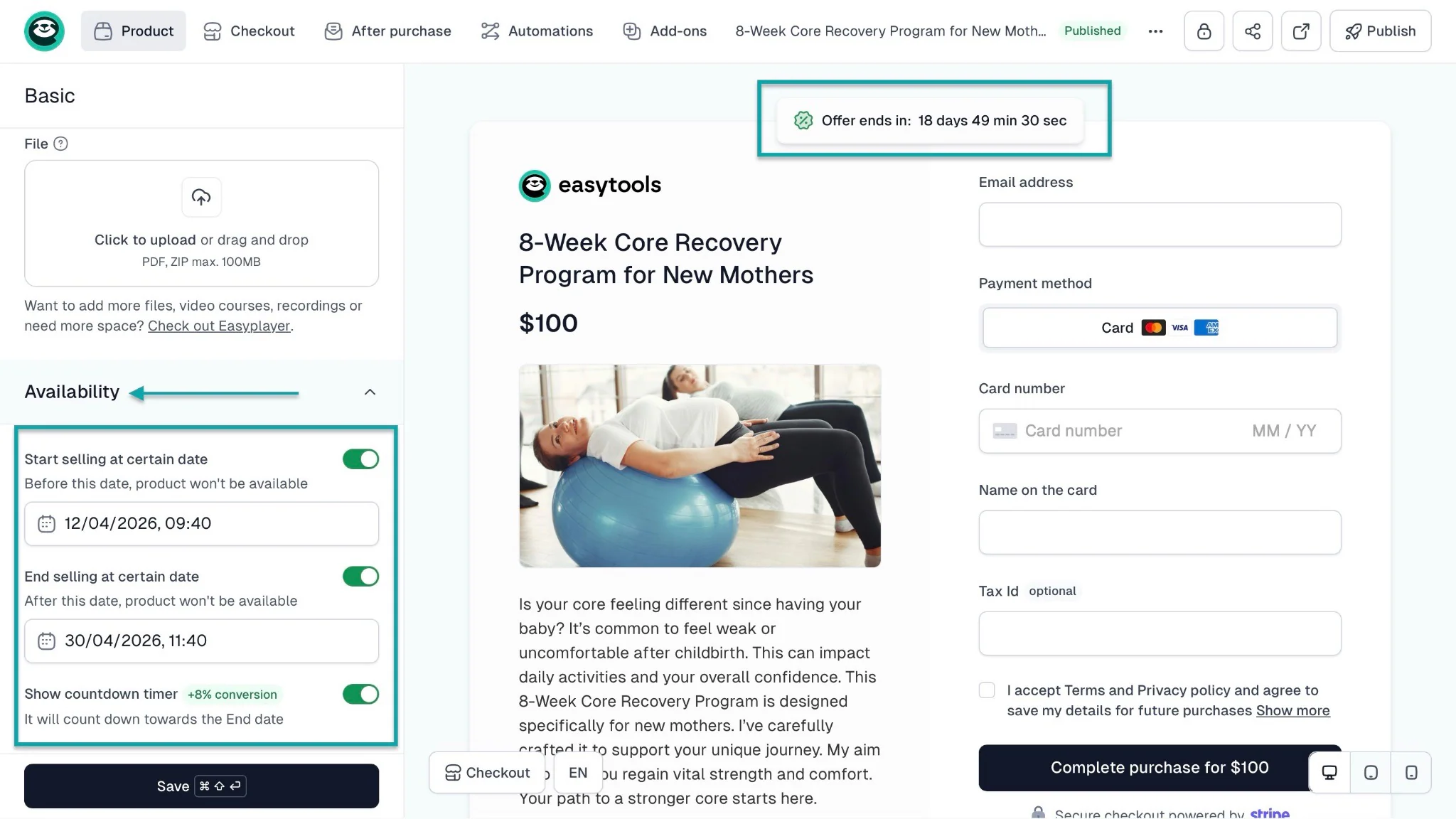
On Easytools, for example, you set the availability of your fitness program in Easycart (the product’s checkout).
You can start or end selling at a certain date. You can also toggle the countdown timer on. That action alone increases conversion rate by +8%.
The next bonus tip is to always keep programs up to date. Most fitness coaches do this.
Think about it, both the Sweat app and the Body Coach app are updated regularly. The creators will add new programs and challenges and update meal plans.
The reason behind that is to keep their audiences and customers engaged and encourage repeat purchases.
The last bonus tip is to start small and improve over time. Even Joe Wicks started that same way.
According to Fish Hook, his recipe video on Facebook in 2013 received one comment. It was from his mom.
That would have been disappointing for lots of people, but not Joe. He went on Instagram and started posting 15-second recipe videos. The rest is history.

That can be your story too. All you have to do is start small and keep going, no matter what.
Start selling fitness programs online
You now have what it takes to sell fitness programs online.
You know what fitness niches promise the best returns. You know how to create and package your offer.
You’ve also got pricing covered. And you know where to sell fitness programs online.
Of course, you can sell anything, so promoting it is key.
It’s really easy to sell fitness programs online if you follow the right steps and use the right tools.
FAQs
What is the best platform to sell fitness programs online?
The best platforms to sell fitness programs online are Easytools, your own website, Instagram, YouTube (unlisted videos), and Facebook groups. You can host unlisted videos on YouTube or Vimeo and add them to Easytools. This will put them behind a paywall, so customers have to pay to access them.
How can I sell fitness programs online as a beginner?
As a beginner, you can sell fitness programs by finding a niche, creating your offer, pricing it, and selling it on Easytools. You can create a lead magnet to collect prospects’ email addresses. After that, use Easytools’ email marketing feature to send them promotional newsletters.
Do I need a certification to sell fitness programs online?
No, you don’t need certification to sell fitness programs online. But holding a recognized certification like:
- National Academy of Sports Medicine (NASM)
- American Council on Exercise (ACE)
- International Sports Sciences Association (ISSA)
can help you build credibility and trust. Also, you can legally get professional liability insurance if you’re certified.
How much money can you make selling fitness programs online?
You can make between $1,000 and $10,000+ per month selling fitness programs online. Entry-level fitness coaches can earn between $50 and $200/month per customer. High-ticket coaching and specialized fitness programs are typically more than generic and low- to mid-ticket ones.
What payment systems can I use to sell fitness programs online?
You can use Stripe and PayPal to sell fitness programs online. On Easytools, you can use a conversion-focused checkout tool called Easycart (integrated with Stripe). It uses upsells, cross-sells, checkout recovery, etc., to reduce cart abandonment and help you sell more.
How do I price my workouts when I sell fitness programs online?
You can price your workouts between $10 and $1,000. Pricing depends on factors like your level of support, fitness niche (and target audience), promised results, and market rate.
Can personal trainers sell fitness programs online without a website?
Yes, personal trainers can sell fitness programs online without a website. They can create a checkout on Easytools and use the platform’s email feature to send newsletters. With Easytools, they can also create storefronts to showcase their fitness programs.
What tools do I need to sell fitness programs online?
You need tools for video hosting, email marketing, payments, website building, and branding. Easytools is an all-in-one solution for selling fitness programs online. You can create, market, and sell your fitness programs on Easytools. It lets you paywall your externally or internally hosted videos. You can also create checkouts to accept payments, deliver digital products, and automatically refund customers.
What is the best format to sell fitness programs online (PDF, video, or app)?
The best format for selling fitness products online is an app-based one. And depending on your target audience, budget, and content, you can sell by combining videos and PDFs and by developing an app. Whatever format works best for you, Easytools lets you upload it and automatically deliver it to the customer upon purchase.
Can I sell fitness programs online on social media platforms?
Yes, you can sell fitness programs online on social media platforms like Facebook Groups and Instagram. You can use social media platforms for community building and use Easytools as a paywall for your fitness programs/videos. That way, your audience can access it by paying you first.